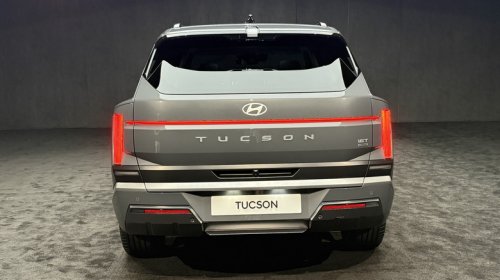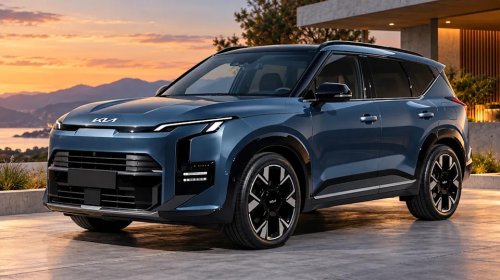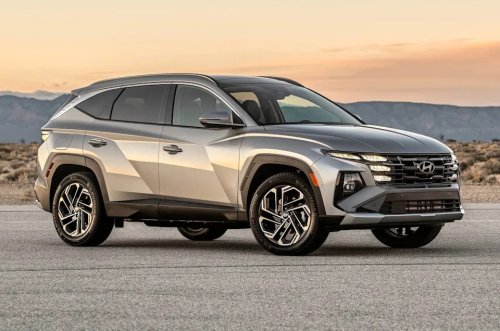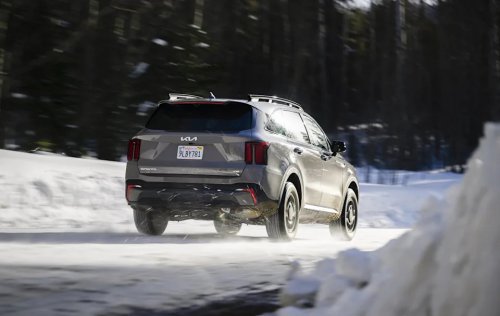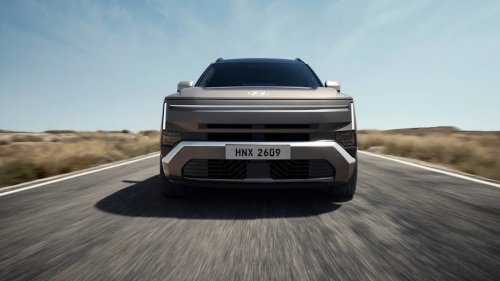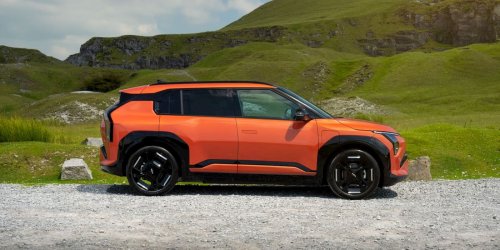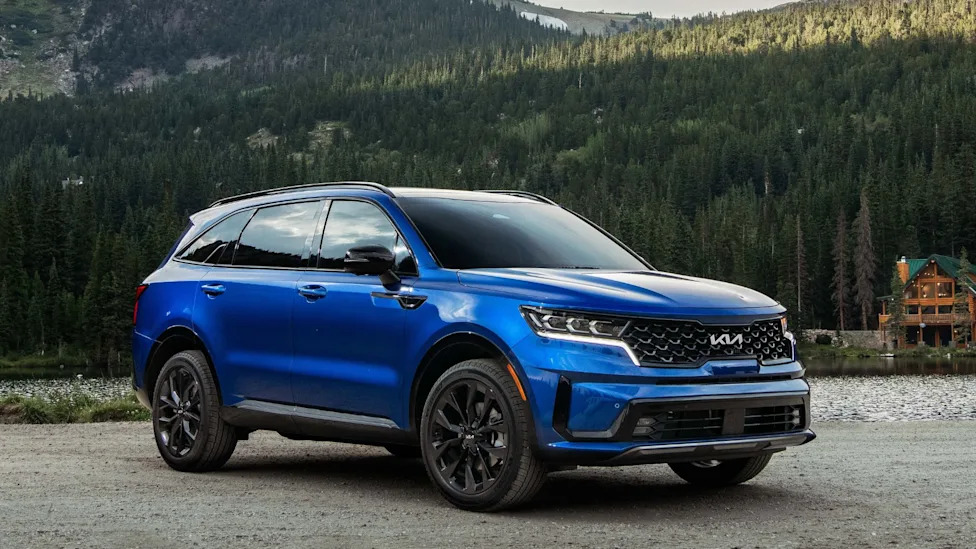
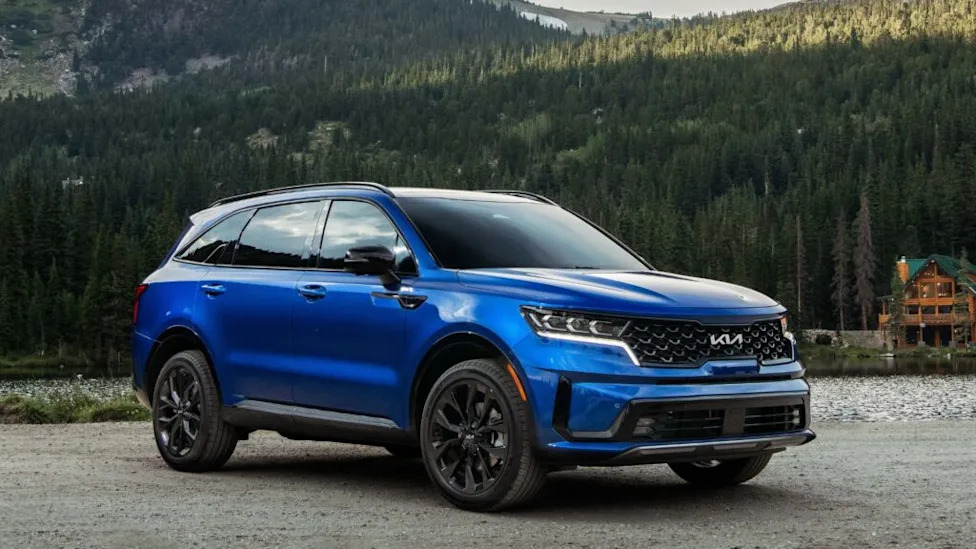
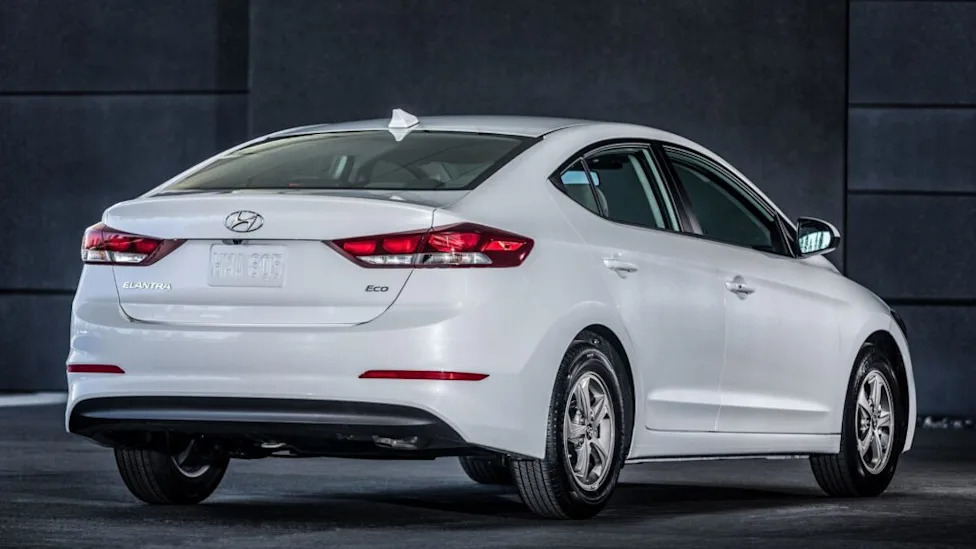



















Kia and Hyundai's Security Fix Is Now a 9-Million-Vehicle Recall — The Scale of the Problem Is StaggeringThe Kia and Hyundai theft vulnerability has officially reached 9 million vehicles in the formal recall scope — a number that puts the scale of the problem in stark perspective. Nine million vehicles with a known, exploitable security flaw that has been actively used to steal them at epidemic rates represents one of the largest automotive security failures in modern history. The recall brings regulatory formality to what has been a rolling crisis for millions of owners.The formal recall designation matters for several reasons beyond the number. It triggers NHTSA involvement, creates legal documentation of the known defect, and formally establishes the manufacturers' obligation to remedy affected vehicles. Recall status also affects insurance negotiations, legal claims, and the ongoing lawsuits that multiple cities and affected owners have filed against the two manufacturers.The remediation challenge at 9 million vehicles is enormous. Getting all affected owners to bring their vehicles in or apply software updates requires a massive notification, logistics, and service network effort. Many owners will never bring their vehicles in — recall completion rates even for safety-critical issues rarely approach 100%. The vehicles that don't receive the update remain vulnerable and continue to drive theft statistics.AdvertisementAdvertisementThe core issue remains unchanged: millions of Kia and Hyundai vehicles were sold without engine immobilizers — standard equipment on virtually every other vehicle sold in the same period — as a cost-cutting measure. The software update that constitutes the primary remedy doesn't install an immobilizer; it modifies alarm behavior and ignition sequences to make the USB-cable theft method more difficult. It's an imperfect software patch for a hardware deficiency.For affected vehicle owners, the recall provides access to the available remedies at no cost and should be taken advantage of. The 9-million-vehicle scope also means that insurance markets, prosecutors, and legislators are all paying more attention to the issue — potentially accelerating policy and legal responses that could produce better outcomes for affected owners and communities than anything currently on the table.Join our Newsletter, follow our Instagram page, and connect with us on Facebook.