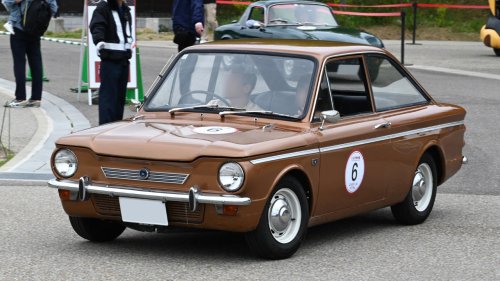
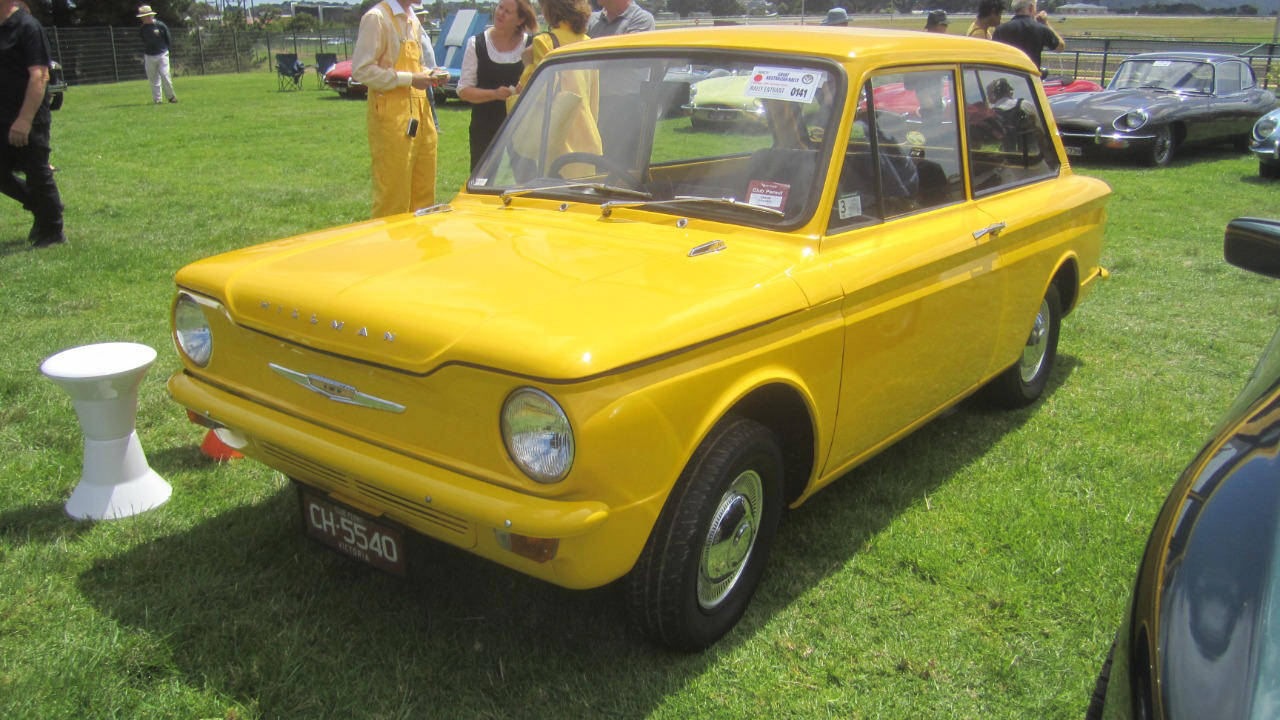
Compact proportions made the 1966 Hillman Imp surprisingly capableThe 1966 Hillman Imp arrived as a compact British saloon with the footprint of a city car and the ambitions of something far more sophisticated. Its tight proportions, rear engine layout and lightweight construction combined to produce a small car that could carry four people, cruise on the open road and even succeed in motorsport. That mix of practicality and agility explains why enthusiasts still see it as a surprisingly capable machine rather than a mere Mini copy. The Scottish answer to the Mini In the early 1960s the Rootes Group launched Project Apex to create a small car that could rival the BMC Mini. The result was the Imp, a compact two door saloon built in Scotland that tried to blend Mini sized agility with more refinement and engineering flair. The National Motor Museum describes how the Rootes Group set out to compete directly with the BMC Mini, and how the Imp emerged from that program with a rear mounted engine driving the back wheels through a four speed gearbox. A period comparison that asked buyers to choose between the 1966 Hillman Imp and the Morris Mini framed the car as a genuine alternative in the British small car market. That piece highlighted the 1966 Hillman Imp as a prime example of the ingenuity of British engineering in the 1960s and stressed that it was designed to appeal to drivers who wanted something a little different from the Mini formula, according to a 1966 Hillman Imp retrospective. Compact outside, clever inside The Imp’s capability started with its packaging. A short wheelbase and compact body gave it the footprint of a city car, yet the rear engine layout freed up the nose for luggage and allowed a relatively spacious cabin. A later description of The Imp notes that its design was innovative, incorporating a space saving layout that allowed for a surprisingly spacious interior within its small exterior dimensions, and that it was offered as a two door saloon, estate Husky and van, according to a description of The. This packaging meant the car could thread through tight urban streets yet still carry a small family and their shopping. The rear engine also improved traction on slippery roads, something that would later help the model in rally competition. Compared with the front engine, front drive Mini, the Imp offered a different balance and a more conventional driving feel, even if its layout was unusual for a British saloon of the period. A tiny engine that loved to rev The Imp’s four cylinder engine was another key to its character. The original Imp four cylinder 875 cc unit used a Solex 30 PIHT 2 carburettor, had a compression ratio of 10 : 1 and produced 39 hp, according to a detailed technical history that describes how the Imp’s powertrain evolved and notes that the figure 39 represented a healthy output for such a small capacity at the time, as set out in a Scottish Imp feature. That short stroke design encouraged the driver to use the revs, giving the car a lively personality even if outright speed was modest. Later road test commentary describes how driving a well sorted Imp provides a real buzz and how the 875 cc short stroke four cylinder engine is as rev happy as they come, because it thrives on being worked hard and rewards enthusiastic use of the gearbox, according to a modern icon review. That willingness to rev made the car feel eager on twisty roads and helped disguise its limited power output. Gearbox built for the job The transmission was not an afterthought. The gearbox was specifically designed for the Apex project and, somewhat unusually for 1963, had synchromesh on all four speeds. Contemporary observers noted that this feature made the Imp easier to drive briskly and that its performance figures could be seen as conservative, as explained in an analysis of the. Full synchromesh meant drivers could shift quickly without crunching gears, which suited the rev happy engine and encouraged spirited use. The linkage and ratios were tuned to keep the engine in its sweet spot. On a winding B road, that combination of light weight, eager engine and cooperative gearbox gave the Imp a playful, responsive feel that owners still praise. For a small family car, it offered a surprisingly engaging driving experience. Handling that rewarded commitment The rear engine layout gave the Imp a distinct handling balance. With much of the weight over the rear axle, the car could feel nimble and adjustable in the hands of an experienced driver. Later testers have described how a sorted Imp is seriously good fun to drive, with light steering, sharp turn in and a chassis that can be steered on the throttle, as highlighted in the same modern road test. Early build quality problems and unfamiliarity with rear engine dynamics meant some owners struggled with the car. A video history of the model notes that assembly and trim fitting were significantly elevated after the first years and that the cars that rolled off the line in the first few years carried the seeds of the Imp’s reputation for fragility, according to a segment in 13 Shocking Facts. Yet once the chassis and build were sorted, the underlying design proved capable of sustained hard use. Rally stages and race circuits The Imp’s agility and traction soon attracted competition interest. The Imp also had success in motorsport, with notable performances in rallying during the 1960s, and Today well preserved examples of The Imp are celebrated as a testament to British automotive innovation and as reminders of its rally heritage, according to a motorsport focused overview of The. Competition versions took advantage of the car’s light weight and rev happy engine, which responded well to tuning. The compact footprint helped on narrow forest stages, where the car could change direction quickly and maintain speed through tight corners. That motorsport record reinforced the idea that the Imp’s compact proportions were not a limitation but a foundation for serious performance when properly developed. Living with a 1966 Hillman Imp For ordinary owners in 1966, the Imp’s appeal lay in its blend of everyday usability and character. The car offered seating for four in a body that could fit into tight parking spaces. The rear engine freed up a front luggage area, and the compact saloon shape made it easy to see out of and place on the road. A period reflection on the 1966 Hillman Imp stresses how British designers aimed to provide small car economy with big car refinement, presenting the Imp as a thoughtful piece of British engineering, according to the 1966 comparison with. Modern enthusiasts who drive well maintained examples often comment on the car’s responsiveness and charm. One video review asks whether the imp gives you the ump and concludes that this clever little car might deserve another look, because behind the early reputation there is an engaging driving experience and a level of engineering detail that stands out among small cars of the era, as described in a recent Imp review. From factory floors to classic car classifieds Production problems and corporate pressures meant the Imp never achieved the sales success its creators hoped for. Yet the car has built a second life as a classic. Enthusiasts can still find Hillman Imp examples listed among classic cars for sale, with search tools that allow buyers to filter by Make, Any, Hillman, Shape and Saloon, and even by Gearbo options, as shown in a current Hillman Imp listing. Those listings illustrate how the car has moved from everyday transport to collectible curiosity. Prices remain accessible compared with more famous contemporaries, which makes the Imp an appealing entry point for classic car ownership. Buyers who understand the car’s quirks and strengths can enjoy a distinctive small saloon that still feels lively on modern roads. How early missteps shaped the story The Imp’s reputation was shaped not only by its design but also by the circumstances of its launch. A video history explains that trim fitting and assembly standards were significantly elevated after the first few years, yet the cars that rolled off that line in the first few years carried the seeds of the Imp’s image problem, with quality issues that frustrated early customers, as described in archival footage. Those early faults overshadowed the car’s strengths and limited its commercial impact. Later commentary suggests that the underlying engineering was sound and that many of the problems were related to rushed production and workforce inexperience at the new Scottish plant. Once those were addressed, the Imp proved durable enough for rallying and for long term ownership, which is why so many survive in enthusiast hands today. Design details that set it apart Several design touches helped the Imp stand out from rivals. The rear window could be opened like a hatch on some versions, increasing practicality in a way that anticipated later hatchbacks. The engine’s alloy construction kept weight down, and the car featured independent suspension that contributed to its agile handling. A feature on the Scottish made Imp notes that the original engine specification, with its Solex carburettor and 10 : 1 compression ratio, reflected an ambition to deliver performance and refinement beyond basic economy transport, as described in the same Scottish Imp article. Inside, the cabin layout was simple but functional, with clear instruments and good visibility. Compared with some rivals, the Imp offered a more modern feel, helped by its rear engine architecture and the sense of space created by its compact mechanical package. Project Apex and the long view Looking back at Project Apex, the Imp can be seen as an ambitious attempt by the Rootes Group to leapfrog competitors with advanced engineering in a small package. The National Motor Museum’s description of Project Apex highlights how the company invested heavily in a new plant and a new design to challenge the BMC Mini, and how the resulting car combined a rear mounted engine with a four speed gearbox to deliver a distinctive driving experience, as set out in the Project Apex summary. This context helps explain both the car’s strengths and its struggles. The engineering ambition produced a compact saloon that was ahead of its time in several respects, yet the scale of the project also exposed the company to risk when early quality issues hurt sales. In hindsight, the Imp’s story reads as a case study in how innovative design can be undermined by execution problems, even when the core concept is sound. The Imp’s place in classic culture Today, the Hillman Imp occupies a distinctive niche in classic car culture. Enthusiast communities share images of cars in daily use and restoration, including period photographs of a 1966 Hillman Imp Mark II and even an earlier 1950 hillman imp prototype known as the slug 600 cc, which appear in galleries linked to an online Imp pool. Those images trace the evolution of the design from early experiments to the production cars that reached showrooms. More from Fast Lane Only Unboxing the WWII Jeep in a Crate 15 rare Chevys collectors are quietly buying 10 underrated V8s still worth hunting down Police notice this before you even roll window down



















 +31 others