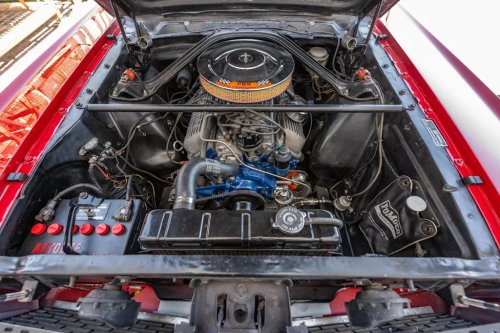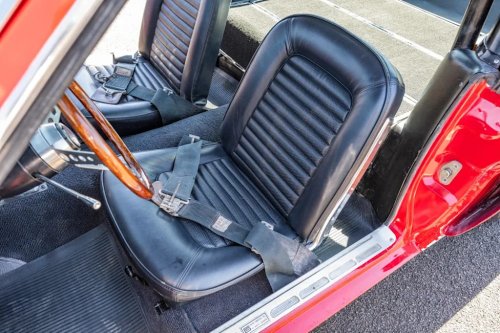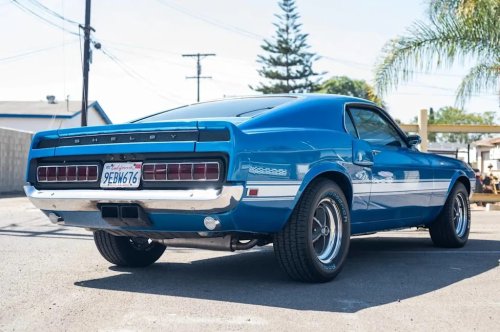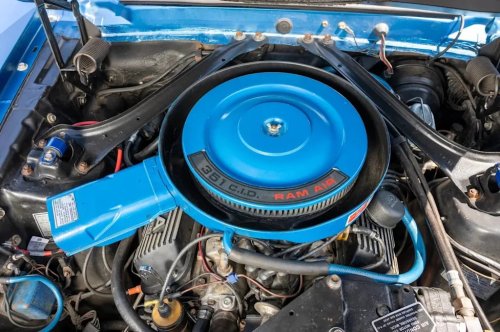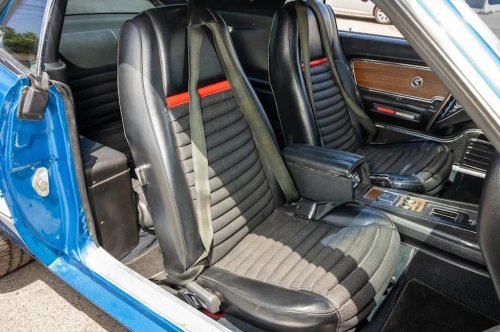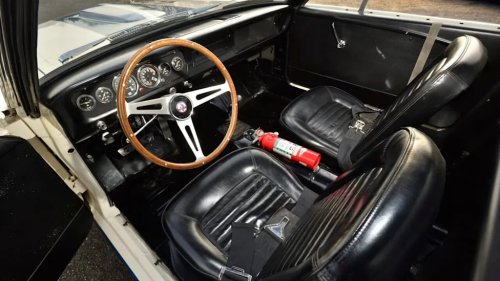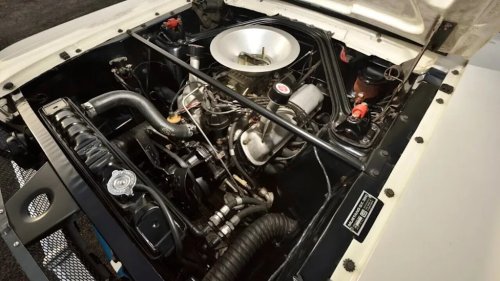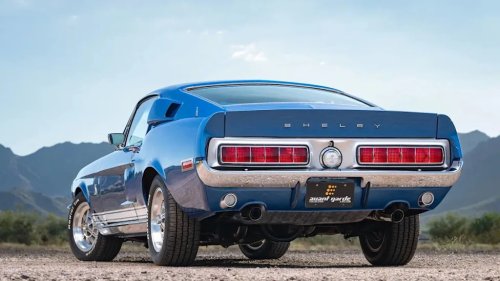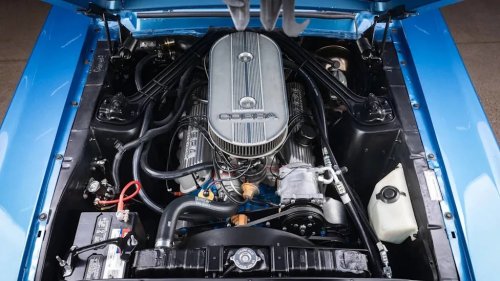



















The 1966 Shelby GT350R has long been celebrated as a street-legal race car, but the same traits that made it ferocious on track also made it demanding in the garage. Mechanics who know these cars well describe a machine that rewards constant attention and punishes neglect, with a temperament shaped by race-bred engineering and 1960s production tolerances. From its Shelby-spec Hi Po 289 to its reworked suspension and lightweight hardware, the 1966 G.T. 350 was never built as a carefree commuter. It was engineered for speed first, civility second, and long-term reliability only if owners stayed ahead of maintenance instead of reacting to failures. Race car roots baked into a street body The 1966 Shelby GT350 started life as a Ford Mustang fastback before Shelby American stripped it of unnecessary weight and reinforced it for performance with a high-ratio gearbox, stiffer suspension and competition-focused hardware. Accounts of period cars describe how the GT350 was stripped of trim and luxury equipment, then fitted with Shelby-spec components that turned the already lively Mustang into the Street Legal Racecar, the Mustang that enthusiasts remember from track ride experiences. Under the hood sat the Shelby-spec Hi Po 289, a 289 cubic inch V8 tuned beyond the standard Mustang K code. Period and modern coverage of a one-owner 1966 Shelby G.T. 350 lists the engine as a central part of the car’s Pros and Cons, with the 289 praised for its power but recognized as part of a package that demanded careful upkeep. The same car is noted for limited Rear visibility and Other compromises that underline how focused the design was on performance rather than daily comfort. Chassis changes further separated the GT350 from ordinary Fords. Guides to the 1965 and 1966 models explain how the front suspension mounting points were repositioned, and the A arms were lowered, which reduced front ride height and sharpened turn-in. The result improved cornering but also altered geometry and load paths, which meant wear patterns and service needs differed from a stock Mustang and required mechanics who understood these Shelby-specific tweaks. Why mechanics say it needs constant attention Mechanics who work on 1960s performance Fords describe the GT350 as a car that will stay sharp only if its owner treats it like a competition machine. A popular buyer’s guide for 1965 and 1966 cars warns that these Shelbys are not just old Mustangs with stripes, and that their unique parts and high specific output engines require more frequent inspection of suspension bushings, steering components and driveline hardware than a regular pony car. That guide, aimed at prospective owners, stresses that the 1966 GT350 is a rewarding purchase only for someone prepared to keep it dialed in. On the engine side, the high-compression 289 relies on flat tappet camshafts and aggressive valve springs. Modern engine builders caution that flat tappet cams need approximately 1200 ppm ZDDP in the engine oil after break-in, far higher levels of anti-wear additives than typical modern SN-rated oils provide. Without the right oil and regular changes, lobe wear and lifter failure can appear quickly, so mechanics who know these cars insist on specialty lubricants and short service intervals. Owners who ignore that advice sometimes learn the hard way. One high-profile account titled “My 1966 Shelby GT350 Engine Blew Up!” describes a failure that followed hard use, with the car’s stripped weight and reinforced performance parts encouraging track-style driving that exceeded what a lightly maintained vintage engine could handle. The story illustrates how the GT350’s character invites abuse, while its internals still reflect 1960s metallurgy and cooling capacity. Evidence from the cars that survived Surviving original cars provide a window into what it takes to keep a GT350 healthy for decades. A feature on a 1966 Shelby G.T. 350 still owned by its original buyer credits careful, continuous maintenance as the reason the car remains roadworthy. The owner, Margaret, describes a family habit of keeping cars long term and staying ahead of repairs rather than waiting for breakdowns, a philosophy that aligns with what mechanics recommend for these Shelbys. Another story profiles octogenarian drivers who still enjoy a 1966 Shelby G.T. 350 on public roads. Their experience again hinges on meticulous care, with regular fluid changes, brake service and attention to rubber parts that age out even when mileage is low. Together, these examples show that the GT350 can be reliable, but only in the hands of owners who treat maintenance as a continuous process. Specialists who restore these cars reinforce the same message. Detailed photo essays from shops that focus on early Mustangs and Shelbys reveal how many small parts require correct fit and finish for the car to feel right. One such piece on a 1966 Shelby Mustang GT350 highlights small hardware, brackets and finishes that must match original specifications, and the associated just details approach shows how even minor deviations can affect drivability, noise and vibration. Suspension, brakes and the “race setup” burden The chassis modifications that made the GT350 fast also increased the need for regular checks. The lowered A arms and revised front suspension geometry place different stresses on ball joints, bushings and front wheel bearings compared with a standard Mustang. Vintage Mustang specialists advise owners who plan long-distance driving to check and service the brakes, front wheel bearings and cooling system before serious use, advice that applies even more strongly to a Shelby-tuned car. Track-focused GT350s often run more aggressive alignment settings, such as additional negative camber and caster, which sharpen cornering but accelerate tire wear and can loosen fasteners if not periodically retorqued. Modern builders who replicate or upgrade these suspensions through chassis kits emphasize that regular inspections of control arm pivots, steering linkage and shock mounts are part of owning a performance Shelby GT, not optional chores. Brake maintenance is equally demanding. Period GT350s used upgraded drums or discs that delivered strong stopping power for the time, but repeated high-speed use can lead to heat checking, fluid boil and pad glazing. Long-distance reliability advice for vintage Mustangs stresses flushing brake fluid and checking hoses before major trips, and mechanics familiar with GT350s extend that to more frequent pad inspections and rotor measurements, especially on cars that still see track days. Engines that punish neglect The 289 in a 1966 Shelby G.T. 350 is a durable design when treated properly, yet several modern anecdotes show how quickly things go wrong when maintenance lags. A social media post about a 1966 GT350 engine repair describes a Block that looks to be ok but needs to be resleeved with a new piston and connecting rod after a failure, while All other pistons remained in place. That scenario is typical of a localized failure from detonation, lubrication loss or over-revving, all of which are more likely if an owner drives hard without monitoring oil level, temperature and mixture. Discussions among modern GT350 owners, even when focused on later generations, highlight recurring themes that also apply to the classic cars. One thread titled “What problems does the GT350 REALLY have” opens with concerns about an Oil consumption issue and notes that some drivers treated break-in casually. The author writes, “Well, people didn’t break their cars in like it’s the 21st century. Instead, they broke it in like it’s mad,” capturing how aggressive early use without proper bedding in can lead to long-term oil use and ring wear. While that thread centers on a newer model, the same mechanical logic applies to a high-compression 1960s V8 and supports mechanics’ warnings about careful break-in after rebuilds. Flat tappet lifters, solid or hydraulic, also need regular valve lash or preload checks. If clearances drift, the engine can lose power, run rough or hammer valvetrain components. Specialists who work on these cars often schedule seasonal tune-ups that include checking ignition timing, carburetor mixture, valve lash and plug condition, treating these adjustments as recurring rather than one-time tasks. Keeping a vintage Shelby GT alive in storage Many surviving GT350s spend more time in garages than on highways, which introduces a separate set of maintenance demands. Guidance on how to care for and preserve a classic Shelby GT stresses that Regular inspections for moisture buildup in storage areas help prevent long-term deterioration. Owners are urged to monitor humidity, check under carpets and in trunk wells, and address any condensation that could lead to rust in the unibody or corrosion in electrical connectors. The same care guide recommends starting and driving the car periodically to circulate fluids and keep seals supple, rather than letting it sit for months. It also points to the benefits of modern chassis and engine components, available through dedicated parts catalogs, that can improve reliability without sacrificing originality. These recommendations align with what restorers see when they open up neglected GT350s, where sitting in damp conditions has often done more damage than spirited driving. Shops that specialize in classic Mustang engine and chassis parts, such as those linked from preservation guides, provide upgraded bushings, cooling components and ignition systems that address known weak points. The message from mechanics is consistent: a Shelby GT that is stored carefully, started regularly and upgraded thoughtfully will need less emergency work and more predictable scheduled service. What owners and specialists say about day-to-day upkeep Owner communities for vintage Mustangs and Shelbys share practical checklists that illustrate how much routine attention a 1966 GT350 expects. One preventative maintenance discussion for a 1966 model advises drivers who are chasing reliability to start by doing a full tune-up, replacing fuel and air filters, inspecting the intake and exhaust gasket that needs attention, and verifying ignition components. Contributors emphasize that many drivability issues trace back to old rubber, tired ignition parts or vacuum leaks rather than dramatic mechanical failures. Another thread on long-distance reliability for classic Mustangs recommends that anyone planning a serious trip should check and service the brakes, front wheel bearings, flush the cooling system and inspect belts and hoses. Mechanics apply the same list to GT350s but often shorten the interval, suggesting that a Shelby used hard should get a thorough once-over at least annually, with fluid changes pegged to time rather than mileage. Professional tuners who prepare early Shelbys for track use describe a similar routine. One technical feature on how to make a Shelby GT350 fast and reliable points out that while almost every Mustang part is now available new, there is a big difference between bolting on catalog components and carefully setting up a car. The author, Curt Vogt of Cobra Automotive, stresses alignment, corner weighting and careful assembly as keys to a GT350 that feels tight and predictable instead of nervous and fragile. Hertz “Rent A Racer” lore and the maintenance gap The 1966 GT350H, the Hertz version with the extra H at the end, offers a vivid example of what happens when high-performance machinery meets casual users. Shelby American supplied these cars to Hertz to serve as a Rent A Racer, and company records recall how some renters treated them like disposable track toys. When the issue was brought to Shelby American’s attention, the company conducted repeated demonstrations for Hertz that showed, exactly as intended, the cars could withstand spirited driving if serviced correctly. More from Fast Lane Only Unboxing the WWII Jeep in a Crate 15 rare Chevys collectors are quietly buying 10 underrated V8s still worth hunting down Police notice this before you even roll window down The post Mechanics warn the 1966 Shelby GT350R required constant attention to stay dialed in appeared first on FAST LANE ONLY.