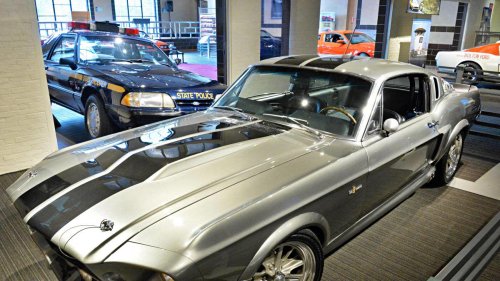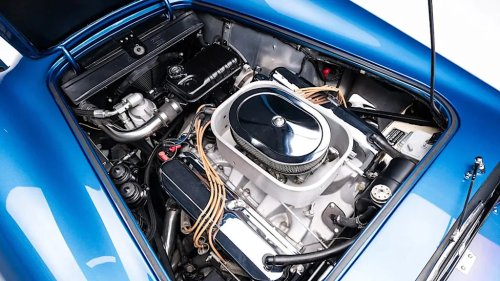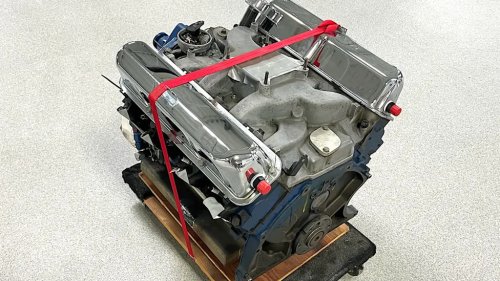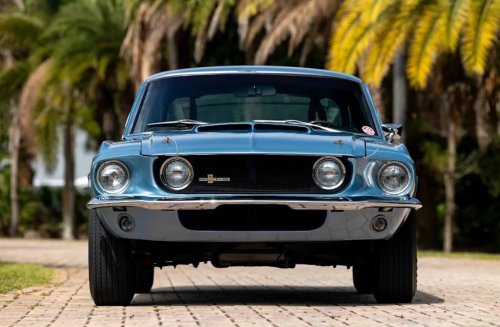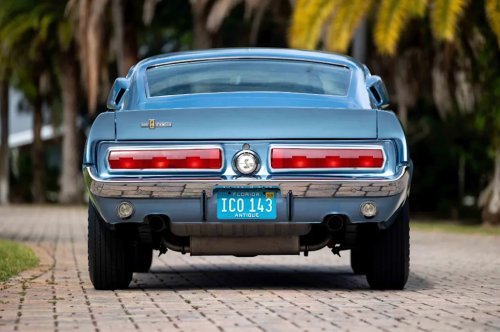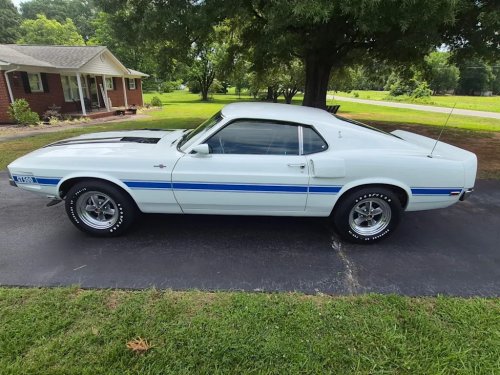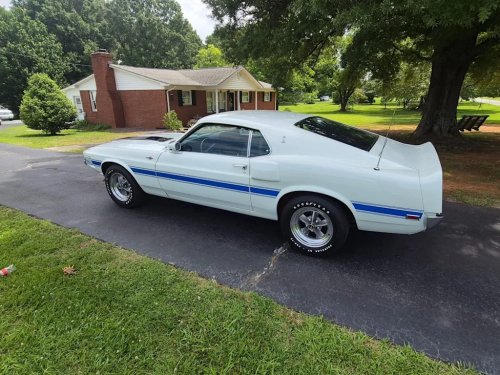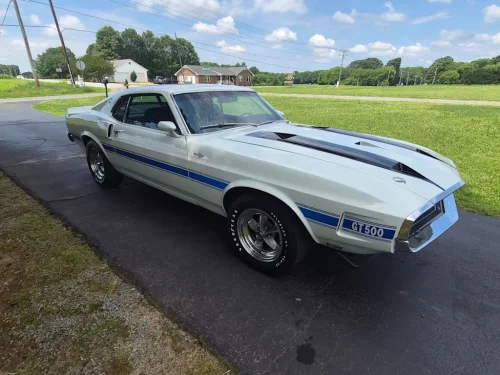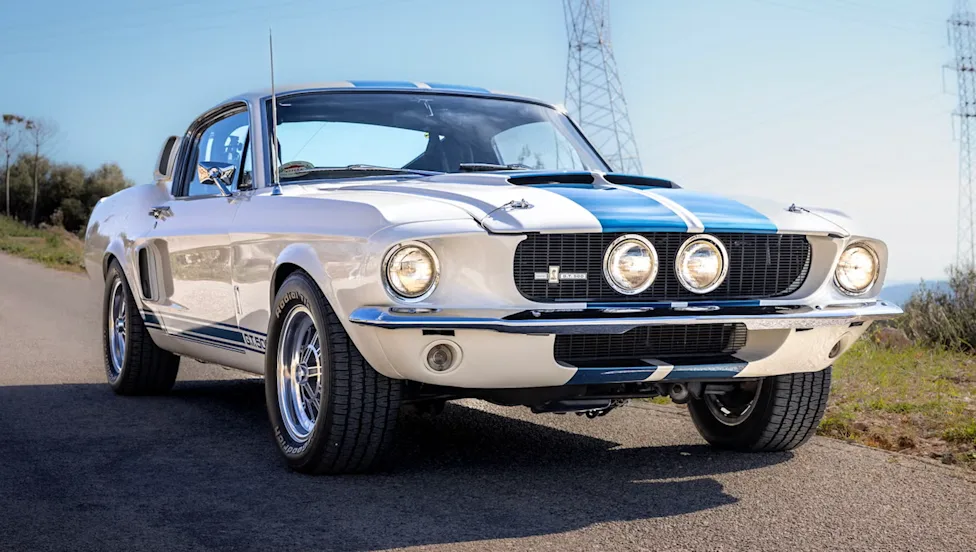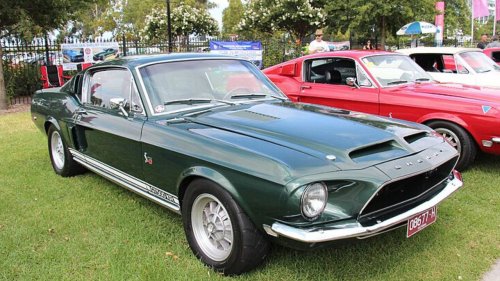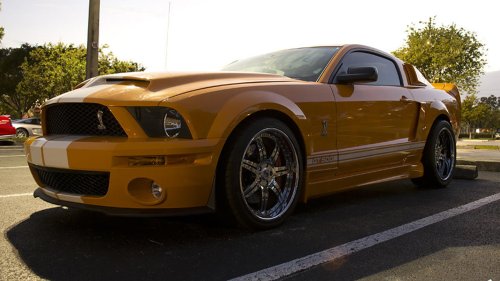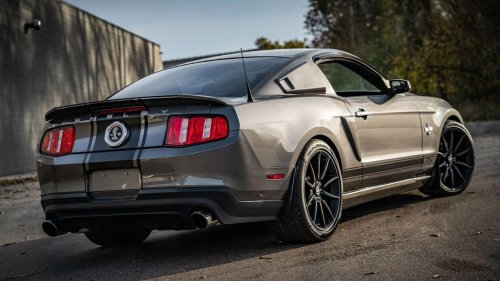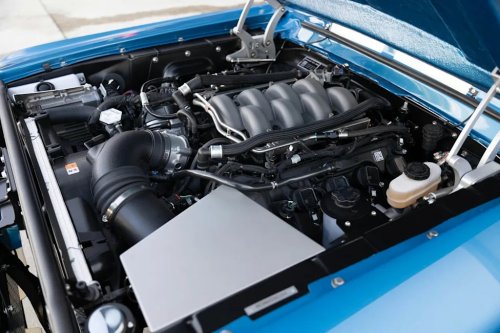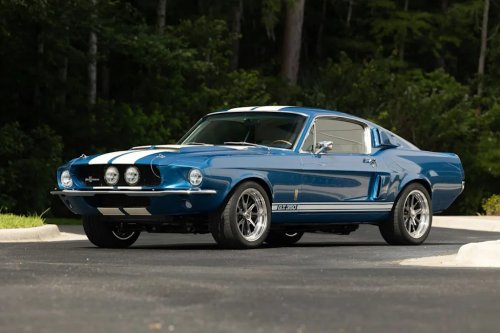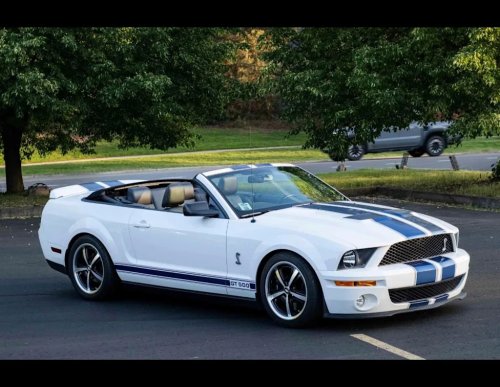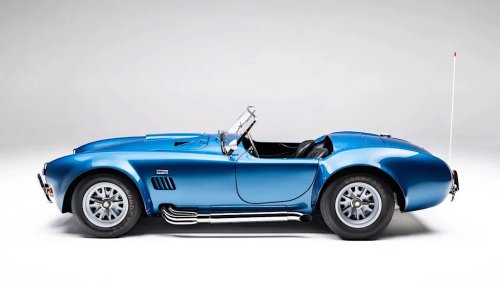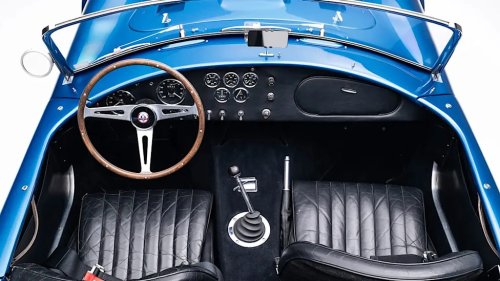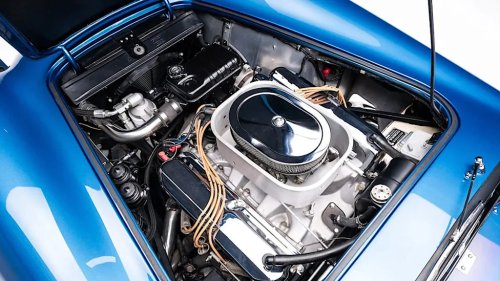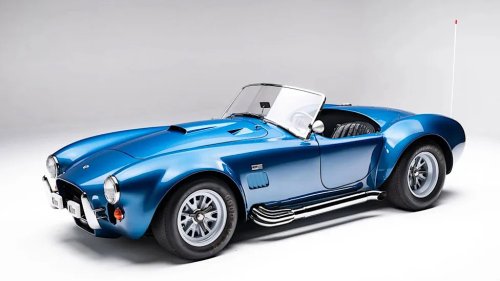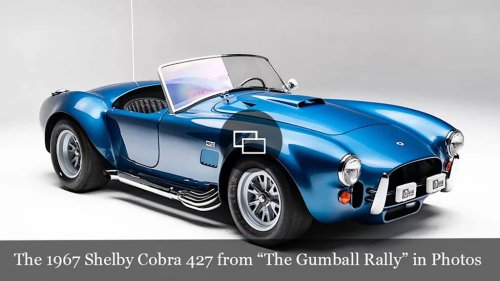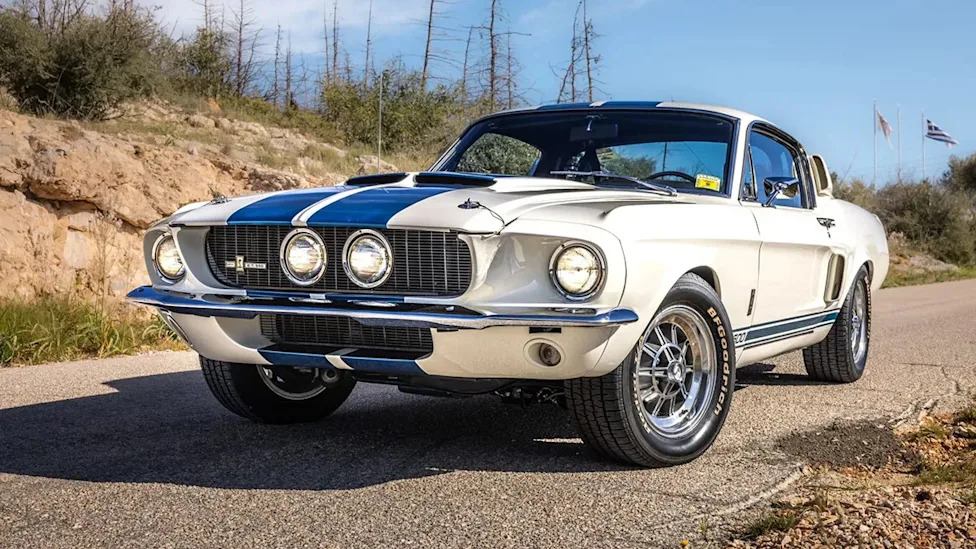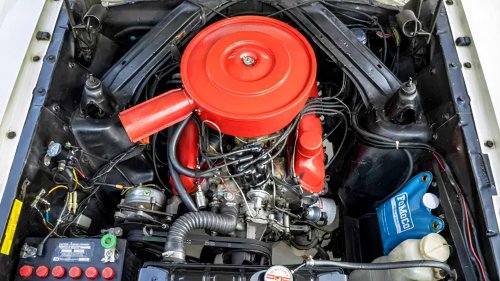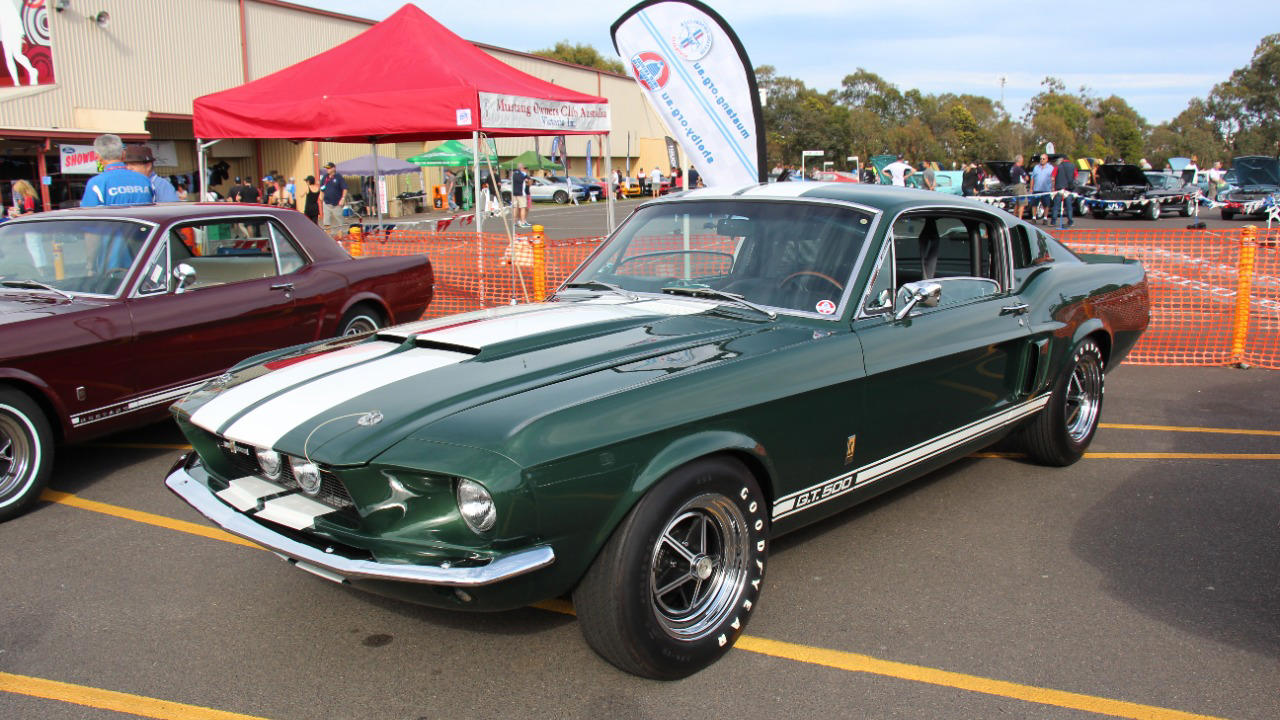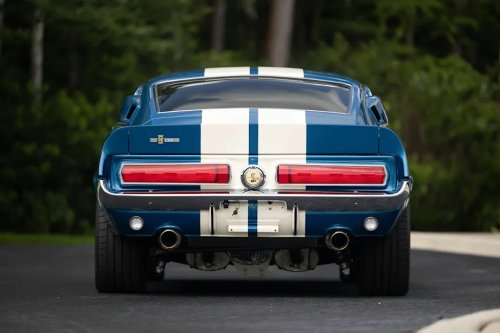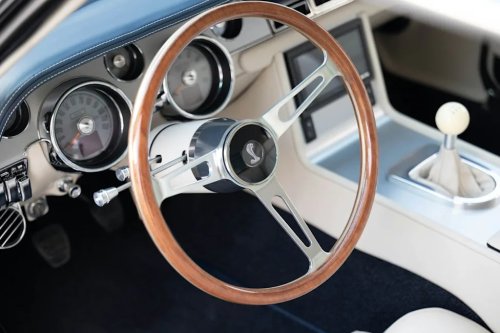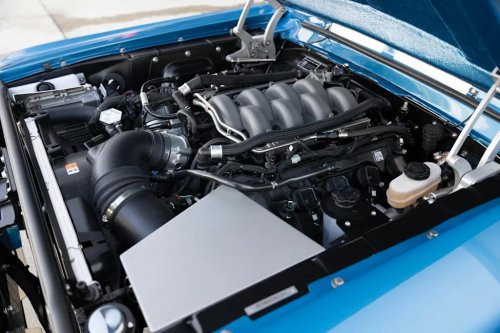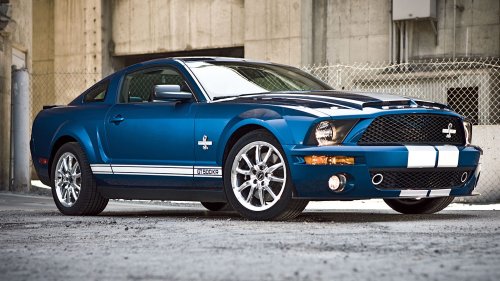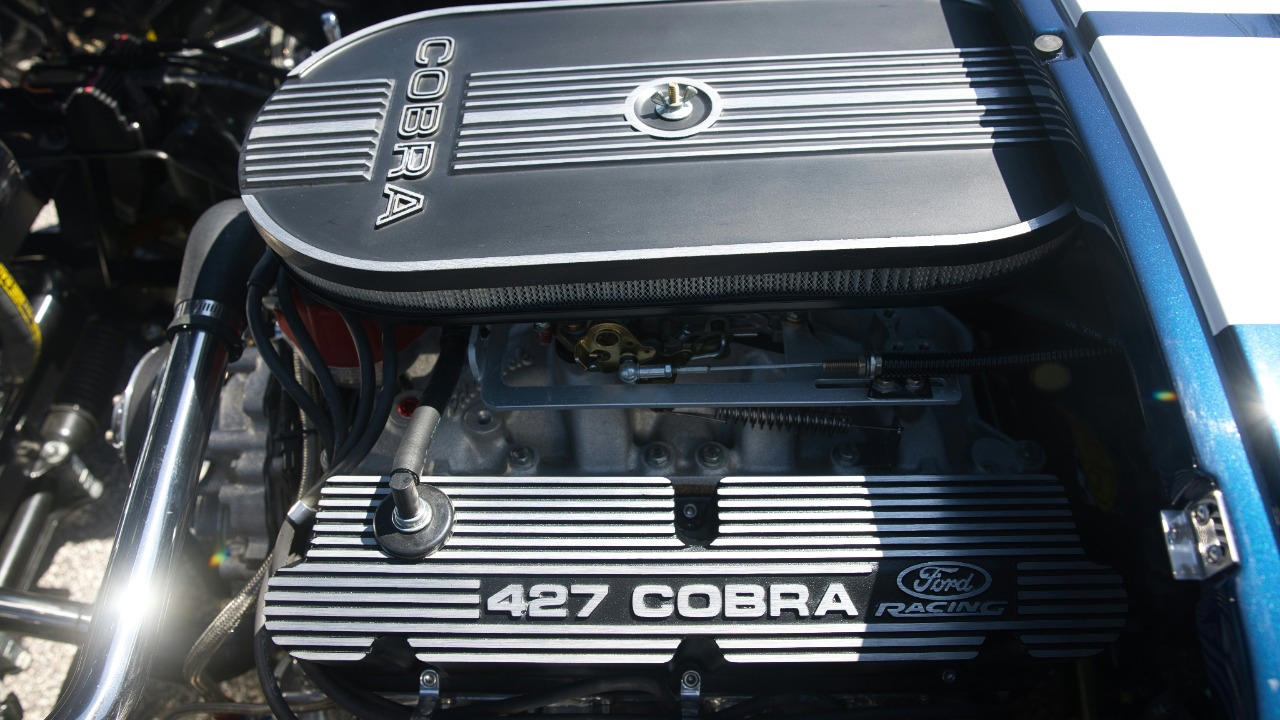



















The engine that made the 1967 Shelby GT500 feel borderline illegalThe 1967 Shelby GT500 is an iconic muscle car that ignited the passion of automotive enthusiasts with its raw power and performance. At the heart of this beast lies an engine that not only defined its character but also made it feel like a vehicle that danced on the edge of legality. The Birth of the Shelby GT500 Carroll Shelby’s vision for the Shelby GT500 began with a simple yet revolutionary idea: to take the already popular Ford Mustang and transform it into a high-performance machine that could dominate the streets and race tracks. The collaboration between Shelby American and Ford in the mid-1960s marked a pivotal moment in American automotive history. It was a time when muscle cars were becoming increasingly popular, and the Mustang was already on its way to becoming a cultural icon. Shelby saw the potential to elevate the Mustang’s performance and appeal, and thus the GT500 was born. The GT500 distinguished itself from its predecessors through a series of key modifications. While the original Mustang offered a range of engines, the GT500 was equipped with a powerful 428 cubic inch Cobra Jet engine, which was specifically engineered for high performance. This was not just a simple upgrade; it involved extensive modifications to the car’s suspension, brakes, and other critical components, allowing it to handle the immense power generated by the engine. The Mustang platform provided a solid foundation, but Shelby’s enhancements pushed the boundaries of what a muscle car could achieve. The result was a vehicle that was not only fast but also thrilling to drive. The Heart of the Beast: The 428 Cobra Jet Engine At the core of the 1967 Shelby GT500 is the legendary 428 Cobra Jet engine. This powerhouse was known for its robust specifications, boasting a 7.0-liter V8 configuration that produced an astonishing 335 horsepower and 420 lb-ft of torque. These figures may seem modest by today’s standards, but during the late 1960s, they were nothing short of revolutionary. The 428 Cobra Jet was engineered with a focus on performance, featuring a high-rise aluminum intake manifold and a Holley carburetor that ensured efficient fuel delivery and combustion. In comparison to other engines of the era, the 428 Cobra Jet stood out for its sheer power. For instance, the Chevrolet 396 big-block engine was a competitor, but the 428’s torque delivery and response set it apart. Innovations such as the use of a solid-lifter camshaft contributed to its performance, allowing the engine to rev freely and deliver power where it was needed most. The engineering prowess behind the 428 Cobra Jet helped the GT500 achieve acceleration that felt borderline illegal, cementing its status in the annals of muscle car history. Power Meets Performance: Horsepower and Torque Ratings The horsepower and torque ratings of the 1967 GT500 are essential to understanding its performance. The GT500’s 335 horsepower was complemented by a torque rating of 420 lb-ft, which provided a thrilling driving experience. This combination translated into impressive acceleration and top-speed capabilities, allowing the GT500 to reach 0-60 mph in just 6.5 seconds—a remarkable feat for its time. The sheer force of the engine made it feel as if it was propelled by a hidden source of power, giving drivers a sense of invincibility on the road. Drivers who had the opportunity to experience the GT500 often recount their thrill behind the wheel. One memorable anecdote comes from a vintage racing enthusiast who described the sensation of the GT500’s power as “like being kicked in the back by a horse.” This visceral experience was not just about speed; it was about the connection between driver and machine, a bond that many muscle car enthusiasts still cherish today. The combination of horsepower and torque made the GT500 a car that could not only outrun its competitors but also provide an exhilarating ride that left a lasting impression on those who dared to push it to its limits. Engineering Marvels: The Transmission and Suspension The transmission options available for the 1967 Shelby GT500 played a crucial role in its performance. Customers could choose between a standard three-speed automatic or a four-speed manual transmission. The manual option was particularly popular among enthusiasts, as it allowed for greater control over the car’s power delivery. This direct connection between the driver and the engine amplified the driving experience, making every shift feel like a significant event. The four-speed manual provided a sense of engagement that matched the GT500’s aggressive performance, allowing drivers to fully immerse themselves in the experience. Equally important was the suspension system, which was meticulously engineered to handle the GT500’s power. With a combination of heavy-duty shocks, stiffer springs, and a rear stabilizer bar, the suspension was designed to provide both comfort and stability. This setup not only improved handling but also ensured that the GT500 could navigate corners with confidence. The impact of these components on the overall driving experience cannot be overstated; they transformed the GT500 from a simple muscle car into a well-rounded performance machine that could compete on the racetrack and the streets. Design Elements That Added to Its Allure The 1967 Shelby GT500 was not just about raw power; its iconic design also contributed to its allure. The aggressive front end, complete with a distinctive hood scoop and racing stripes, made an immediate statement on the road. The car’s long hood and short rear deck were quintessential elements of muscle car design, evoking a sense of speed even when standing still. Additionally, the GT500 featured unique badging and decals that set it apart from standard Mustangs, further enhancing its visual appeal. Color options played a significant role in the GT500’s desirability. Classic colors like “Highland Green,” made famous by the car’s appearance in the film *Bullitt*, and “Wimbledon White” offered enthusiasts a chance to personalize their cars. Special editions, such as the GT500KR (King of the Road), added even more exclusivity to the lineup. As the GT500 gained popularity, its representation in pop culture—like appearances in films and television—helped solidify its status as a symbol of American automotive prowess. The combination of striking design and cultural significance made the GT500 a coveted piece of automotive history. The Legal Landscape: Emissions and Regulations The GT500 was born during a time when automotive regulations were beginning to take shape, particularly concerning emissions. The late 1960s saw the introduction of the first federal emissions standards, which posed challenges for high-performance vehicles. Despite these regulations, the GT500 managed to skirt around emissions standards, thanks in part to its powerful engine design that prioritized performance over fuel efficiency. In an era when manufacturers were beginning to face scrutiny over their environmental impact, the GT500 stood as a testament to a time when raw power was king. However, the high performance of the GT500 did not go unnoticed. Law enforcement and regulatory agencies began to scrutinize muscle cars, including the GT500, for their emissions and noise levels. This scrutiny added an element of tension to the ownership experience, as some enthusiasts found themselves pushing the limits of legality. The GT500 became a symbol of rebellion against these growing regulations, embodying the spirit of driving for the sheer thrill of it, even if it meant walking a fine line with the law. Racing Heritage: The GT500’s Competitive Edge The racing heritage of the 1967 Shelby GT500 is integral to its identity. From its inception, the GT500 was designed to compete on the track, and it quickly made a name for itself in various racing circuits. The car’s combination of speed, handling, and reliability allowed it to dominate events like the SCCA Trans-Am series, where it faced off against fierce competitors like the Camaro and the Dodge Challenger. Key victories solidified its reputation and demonstrated that the GT500 was more than just a street car; it was a formidable racing machine. Notable races included the 1967 SCCA Trans-Am Championship, where the GT500 showcased its capabilities against other muscle cars. The racing success of the GT500 not only elevated its status among enthusiasts but also influenced the design and engineering of future models. The lessons learned on the racetrack translated into innovations that would carry on the legacy of the GT500, ensuring that it remained a symbol of American muscle for generations to come. The Legacy of the 1967 Shelby GT500 The 1967 Shelby GT500 has left an indelible mark on the automotive landscape, influencing countless muscle cars and performance vehicles that followed. Its design and engineering set the standard for what a muscle car should be, and its legacy can be seen in the modern interpretations of the Mustang. The GT500’s cultural impact is also significant; it has been celebrated in films, television, and car shows, ensuring that its story continues to resonate with new generations of enthusiasts. Collectors and enthusiasts alike continue to seek out the 1967 GT500, as its rarity and historical significance make it a prized possession. The ongoing fanbase is a testament to the enduring appeal of this classic muscle car, with many enthusiasts restoring and preserving these vehicles to keep their legacy alive. Events like the annual Mustang Week in Myrtle Beach, South Carolina, celebrate the GT500 and its place in automotive history, drawing crowds of fans eager to share their passion for this iconic machine. Modern Interpretations and Restorations In recent years, the 1967 Shelby GT500 has seen a resurgence in interest, prompting modern interpretations and restorations that pay homage to the original. Contemporary automotive engineers and custom builders have taken inspiration from the GT500’s design, creating replicas that capture the essence of the original while incorporating modern technology. Companies like Classic Recreations have specialized in building authentic GT500 replicas, ensuring that the spirit of this classic muscle car lives on. Notable restorations have also emerged, showcasing the craftsmanship and dedication of collectors who seek to preserve the GT500’s legacy. Restorers often focus on maintaining the authenticity of these vehicles, using original parts and techniques to keep them true to their heritage. The impact of technology has allowed for enhancements that improve safety and performance without compromising the classic experience. As enthusiasts continue to celebrate the GT500, its legacy is not just preserved; it is continually redefined for future generations. More from Fast Lane Only Unboxing the WWII Jeep in a Crate 15 rare Chevys collectors are quietly buying 10 underrated V8s still worth hunting down Police notice this before you even roll window down *Research for this article included AI assistance, with all final content reviewed by human editors.