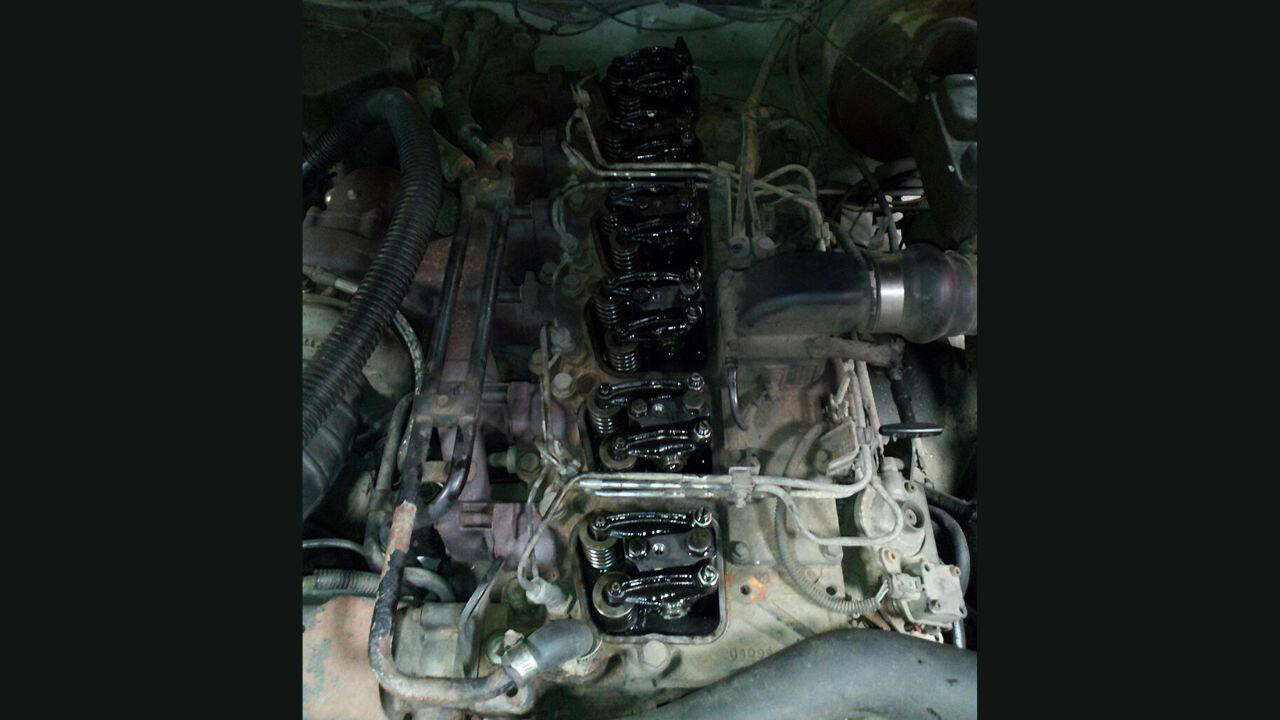
The diesel engine that made the Cummins Ram nearly impossible to killThe Cummins diesel engine has become synonymous with durability and reliability, particularly in the Ram truck lineup. As I delve into the engineering marvel that makes the Cummins Ram nearly impossible to kill, I’ll explore its history, design features, and the loyal following it has garnered over the years. History of the Cummins Engine Founded in 1919 by Clessie Cummins, Cummins, Inc. began as a small company focused on diesel engines. Over the decades, it has transformed into a global powerhouse in the diesel engine industry. The company’s commitment to innovation led to the development of various technologies that have shaped the modern diesel engine landscape. A pivotal moment in Cummins’ history came in 1989 when the 5.9L Cummins engine was introduced as an option in the Dodge Ram lineup, marking a significant shift for both brands. The initial reception was overwhelmingly positive, as the engine quickly gained a reputation for exceptional torque and durability. This was not merely a marketing ploy; the 5.9L engine provided truck owners with the reliability needed for heavy-duty tasks, making it an attractive option for both commercial users and everyday drivers. Over the years, Cummins continued to refine the engine, introducing enhancements that would solidify its status in the automotive world. Engineering Excellence One of the standout features of the 5.9L Cummins engine is its robust design. Constructed from high-quality materials, including cast iron blocks and aluminum cylinder heads, the engine is built to withstand the rigors of heavy use. The use of advanced metallurgy ensures that components can handle high stress and heat, which is crucial for maintaining performance over long periods. Additionally, the engine’s simple layout minimizes the number of parts, making it easier to service and maintain. Innovations in fuel injection and turbocharging have also played a significant role in enhancing the engine’s performance and efficiency. The introduction of the Bosch P7100 injection pump, for instance, allowed for precise fuel delivery, which in turn improved combustion efficiency. Coupled with a variable geometry turbocharger, the engine not only produces impressive power but also maintains excellent fuel economy, a trait that many competitors struggle to match. Performance Metrics The 5.9L Cummins engine is known for its exceptional performance metrics, boasting horsepower ratings that often exceed 300 and torque figures that can reach upwards of 600 lb-ft. In comparison to competitors like the Ford Power Stroke and GM Duramax engines, the Cummins stands out for its consistent torque delivery and reliability. This makes it an ideal choice for towing heavy loads, with a towing capacity that can exceed 15,000 pounds, depending on the truck configuration. Real-world performance evaluations and testimonials from long-term owners highlight the engine’s capabilities. Many users report being able to tow trailers, boats, and heavy equipment without experiencing significant strain on the vehicle. For instance, a 2006 Dodge Ram 3500 equipped with the 5.9L Cummins engine has been known to tow up to 19,000 pounds, making it a favorite among construction and farming professionals. Owners often praise the engine’s ability to handle tough tasks with ease, further solidifying its reputation. Reliability and Maintenance Statistics on engine longevity are impressive, with many Cummins engines exceeding 500,000 miles with proper maintenance. This durability is a key selling point for those in the market for a heavy-duty truck. The simplicity of the engine’s design also translates to lower failure rates compared to more complex alternatives, which often involve intricate electronic systems that can lead to higher repair costs. Common maintenance practices that owners adopt further extend the life of the engine. Regular oil changes using high-quality diesel engine oil, routine inspections, and timely replacement of fuel filters can prevent many common issues. Additionally, the engine’s straightforward construction allows for DIY maintenance, which is a significant advantage for enthusiasts who prefer to work on their vehicles. This accessibility to maintenance not only saves money but also fosters a strong bond between the vehicle and its owner. Impact of Emissions Standards As emissions regulations have evolved, diesel engines have faced increasing scrutiny. The introduction of the Environmental Protection Agency’s (EPA) Tier 2 regulations in the early 2000s prompted Cummins to adapt the 5.9L engine to meet these stringent standards. This adaptation involved integrating advanced exhaust gas recirculation (EGR) and diesel particulate filters (DPF) without sacrificing the engine’s performance, a feat that was met with mixed reactions from enthusiasts. Despite these challenges, Cummins managed to maintain its reputation for reliability. The company faced controversies surrounding diesel emissions, particularly concerning allegations of “defeat devices” designed to circumvent emissions testing. The fallout from these controversies, including significant fines, has emphasized the need for transparency and compliance in the diesel industry, pushing manufacturers to innovate further to meet both performance and environmental standards. For more on one such incident, refer to this discussion. Cummins vs. Competitors When comparing the 5.9L Cummins engine to other diesel engines in the market, several key differences emerge. While the Ford Power Stroke and GM Duramax engines have their own merits, the Cummins engine is often lauded for its overall reliability and ease of maintenance. The torque curve of the Cummins engine provides a significant advantage when towing, allowing for smoother power delivery and better handling of heavy loads. Industry experts frequently highlight the Cummins engine’s ability to withstand abuse and deliver consistent performance over time. The design philosophy behind the 5.9L engine—prioritizing durability and simplicity—has resonated with truck enthusiasts who value reliability in their vehicles. The comparison of diesel engines showcases how the Cummins engine stands apart in terms of longevity and user satisfaction. The Community and Culture Surrounding Cummins The loyal fan base surrounding Cummins engines is a testament to their reliability and performance. Online communities, such as various Reddit threads and dedicated Facebook groups, create spaces for enthusiasts to share their experiences, tips, and modifications. Many owners describe their trucks as part of their identity, often customizing them for performance and aesthetics, making the Cummins Ram a symbol of pride for many. Events and gatherings, like the annual Diesel Power Challenge and various truck shows, foster a sense of camaraderie among Cummins enthusiasts. These events not only showcase impressive builds but also allow owners to connect and share their passion for diesel technology. Stories of personal triumphs, such as a truck that has been passed down through generations, highlight the deep emotional connection many have with their Cummins-powered vehicles. The community is vibrant, with countless stories celebrating the durability and capability of these engines. Future of Diesel Engines As the automotive industry shifts toward electrification, the future of diesel technology appears to be on a precipice. However, Cummins remains committed to innovation, actively researching and developing solutions to meet future energy needs while retaining the core values that have made their engines successful. The transition to cleaner technologies does not mean abandoning diesel; rather, it involves evolving to ensure that diesel remains a viable option for heavy-duty applications. Predictions for the durability and performance of future diesel engines suggest that advancements in technology will lead to even more efficient engines that adhere to stricter emissions standards without compromising on power. The integration of hybrid systems may also become a viable solution for those seeking the benefits of both diesel and electric power. Overall, while the landscape of the automotive industry is changing, Cummins appears poised to adapt and thrive. Conclusion: The Legacy of the Cummins Ram The 5.9L Cummins engine stands out as a symbol of durability in the automotive world. Key factors contributing to its reputation include robust engineering, reliable performance metrics, and a strong community of enthusiasts. The engine has not only shaped the Ram truck lineup but has also made a lasting impact on the future of diesel technology. As I reflect on the legacy of the Cummins Ram, it is clear that this engine will continue to be a benchmark for reliability and performance in the years to come. More from Fast Lane Only Unboxing the WWII Jeep in a Crate 15 rare Chevys collectors are quietly buying 10 underrated V8s still worth hunting down Police notice this before you even roll window down *Research for this article included AI assistance, with all final content reviewed by human editors.