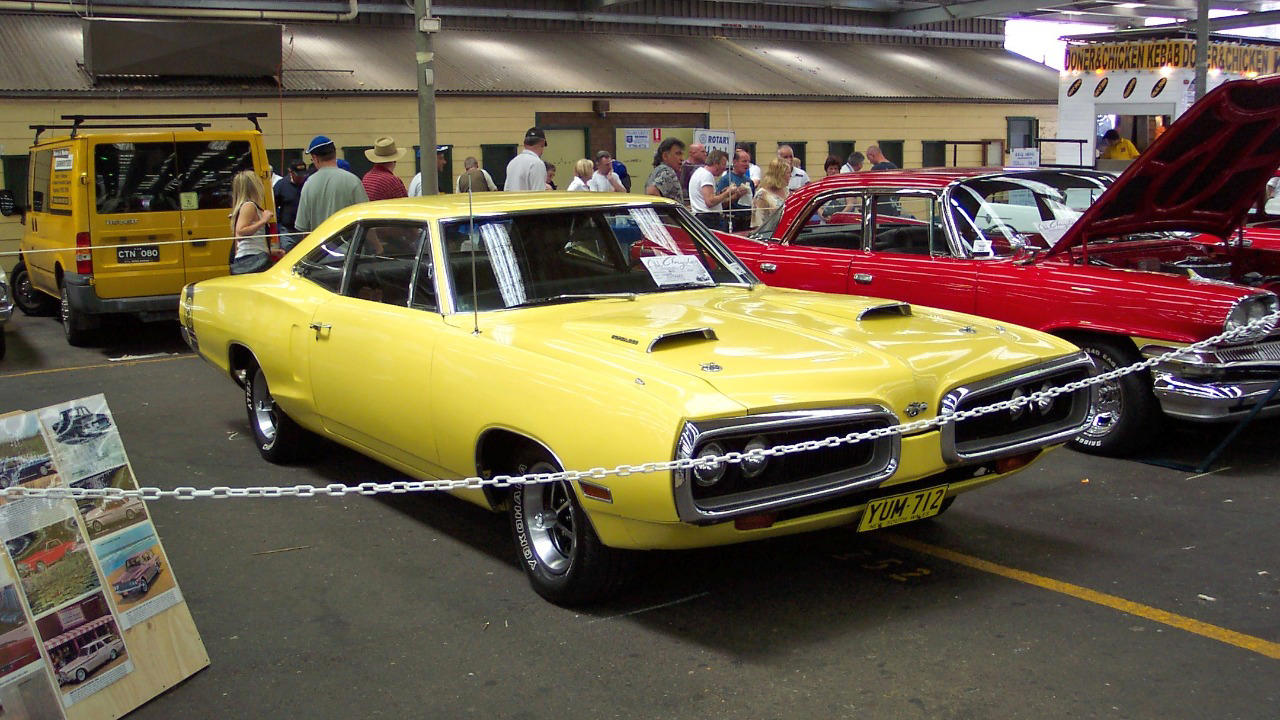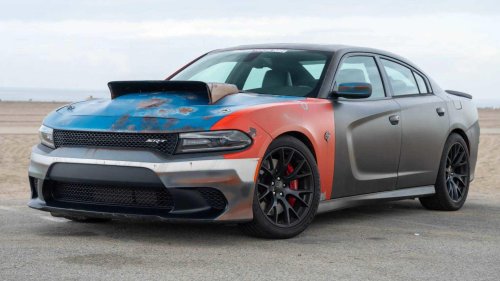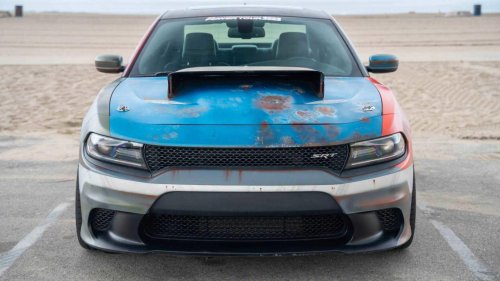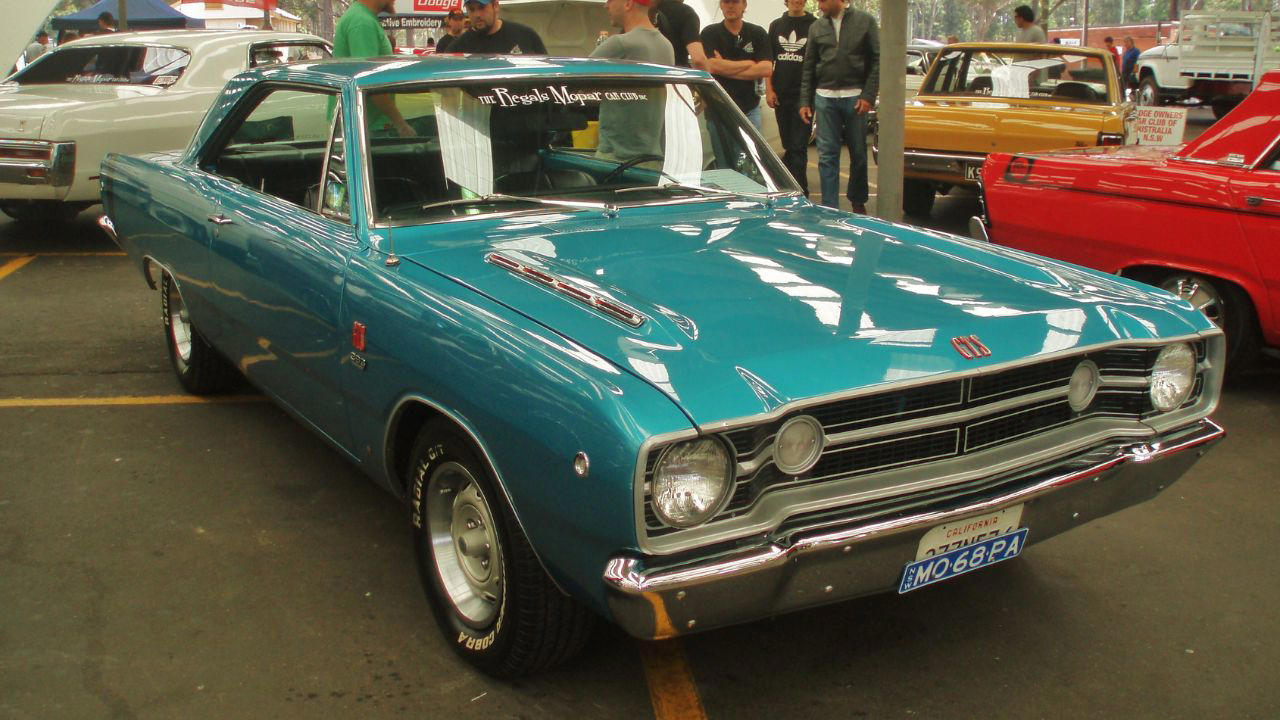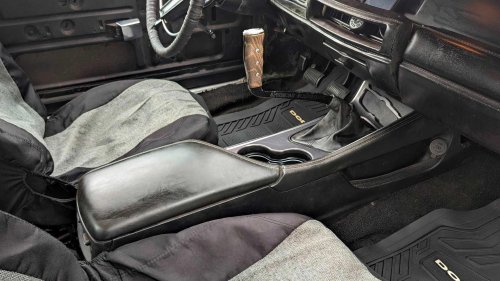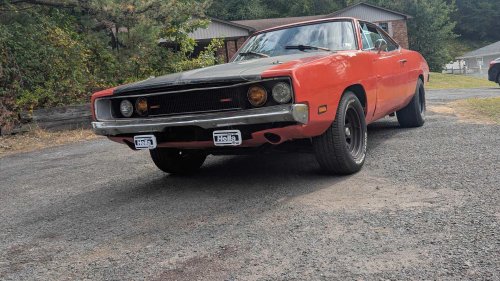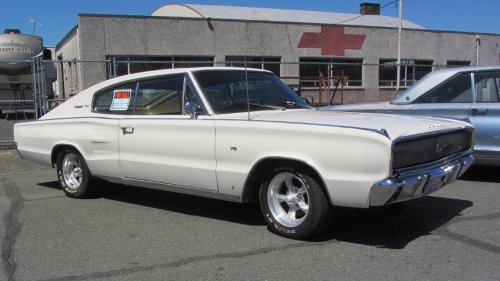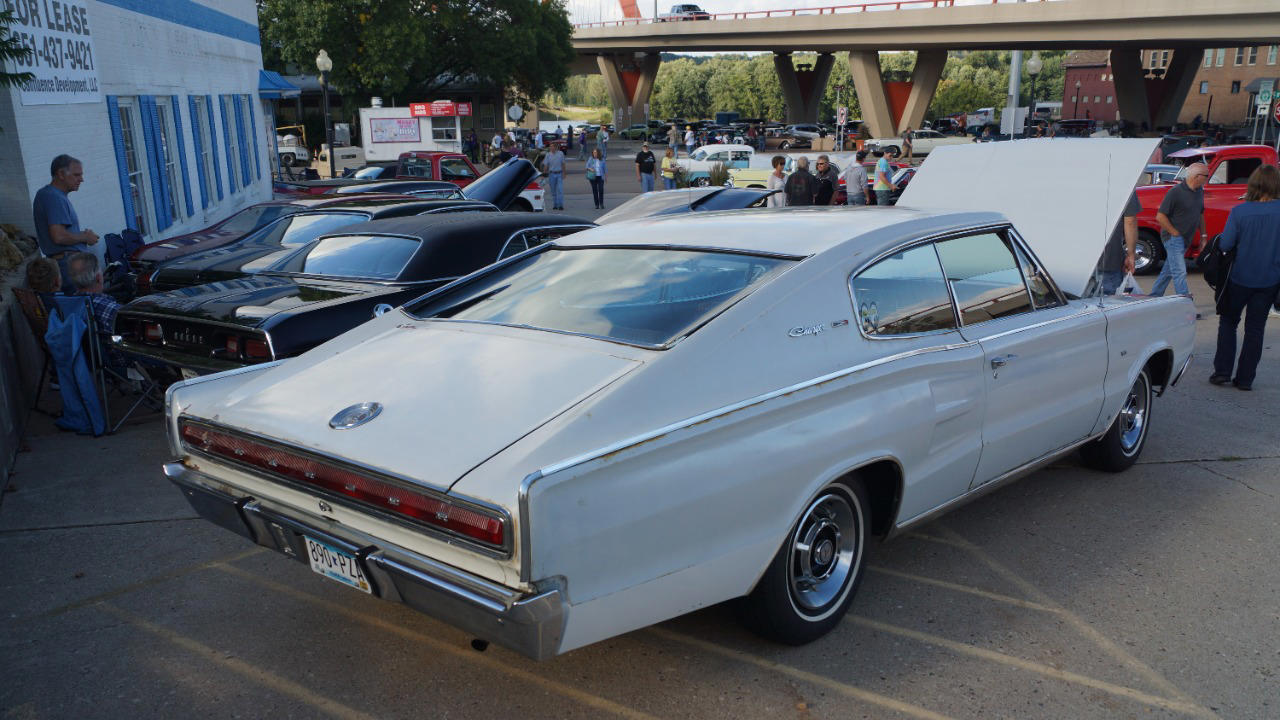

















Mechanics warn the 1967 Charger’s styling created blind spots drivers had to manageThe 1967 Dodge Charger arrived as a styling statement, with a sweeping fastback roof and tunneled rear glass that made other family coupes look ordinary. That dramatic shape came with a cost. Mechanics and owners quickly learned that the same lines that turned heads on the street also carved big chunks out of the driver’s outward view, creating blind spots that had to be managed rather than eliminated. Today, as drivers debate camera systems and lane assist, the 1967 Charger stands as an early example of a car where aesthetics and aerodynamics pulled ahead of all-around visibility. The way enthusiasts and technicians talk about that car, and how they adapt it to modern traffic, offers a window into how much responsibility still falls on the person behind the wheel. The fastback that hid as much as it revealed The 1967 Charger was Chrysler’s bold fastback answer to a market obsessed with speed and style. Period photos of the car, including images of the right front profile and early concept work, show a long hood, high rear deck, and a roofline that flows almost uninterrupted into the tail. The rear window is laid down at a sharp angle, framed by thick C pillars that visually shrink the glass area. Enthusiasts who study these archival shots, including those collected in a pool dedicated to the Dodge Charger, often point out how the roof and pillars taper inward toward the rear. That taper creates elegant proportions, but it also positions a lot of sheet metal exactly where a modern driver expects to see neighboring traffic. The result is a car that looks lithe and aggressive from the curb yet can feel bunker like from the driver’s seat. Commenters discussing the car’s design history have even argued that fastback styling of this era faded partly because of these visibility compromises. One discussion of the Charger’s lineage from the Chrysler Marlin notes that by the time of Jun and Posted September reflections, enthusiasts were already linking the decline of big fastbacks to real world sight line complaints. The 1967 Charger sits squarely in that tension between design ambition and day to day usability. Blind spots baked into the sheet metal Owners and mechanics who work with the 1967 Charger describe a car where blind spots are not an occasional annoyance but a structural reality. The C pillars are thick, the rear glass is narrow and laid back, and the trunk line kicks up just enough to hide low traffic behind the car. From some angles, the driver sees more of the Charger’s own bodywork than the lane next door. That experience is not unique to classic Mopar products. A modern driver discussing a different car on a visibility forum explained that the only real issue with a contemporary Charger was checking blind spots because “the pillars are thick,” adding “Nope” when asked if the car was otherwise hard to see out of and concluding with “But I have not had a single” serious problem once habits adjusted. The comment, attributed to Clevy and shared on a visibility thread, could apply almost word for word to the 1967 car, except that the classic version lacks the benefit of modern glass area and safety engineering. On older B body Mopars, including Chargers, some owners on a dedicated forum even use the phrase “visibility paranoia” to describe the way they constantly scan around thick pillars. One Legendary Member, marked as RIP and listed with Local time 9:56 AM, Joined Jan, Messages 7,625 and a Reaction score of 7,812, wrote about the mental load that comes with driving a car whose design invites second guessing every lane change. The 1967 Charger fits that pattern, with its styling creating blind zones that drivers learn to anticipate more than they can truly erase. Side mirrors that lag far behind modern expectations If the bodywork sets the stage for blind spots, the factory mirrors on a 1967 Charger often fail to rescue the view. Owners in a 67 specific discussion group trade stories about how the outside rear view mirrors on a 67 are “pretty much useless by today’s standards,” with one member bluntly calling a factory passenger side mirror “useless.” Another simply refers to their own car as “Mine” when explaining that even careful adjustment leaves a surprising amount of adjacent lane coverage missing. That sentiment appears in a Facebook thread where one owner jokes about the limitations of the original hardware and others chime in with similar experiences. The conversation, preserved in a post about rear-view mirrors, underlines how far mirror design has come. Modern cars are engineered so that properly set side mirrors can nearly eliminate blind spots. On the 1967 Charger, even careful adjustment often leaves gaps, especially on the right side, which is already compromised by the fastback body. Mechanics who specialize in classic Mopar models say that many customers now request larger or differently curved replacement mirrors to compensate. That choice can clash with a strict restoration, but for drivers who actually use the car on highways, the tradeoff between originality and situational awareness can be easy to justify. The Mopar interior that looks better than it sees Inside the 1967 Charger, the story continues. Mopar interiors of this era were highly distinctive, with woodgrain Rallye-style dashboards, prominent Charger script on door panels, and high backed bucket seats that wrap around occupants. A restoration guide focused on 1966 to 1974 Chargers describes these features under a “Why It Matters” section that celebrates how they set the cars apart from rivals. Those same elements can further limit visibility. The high backed seats can obscure over-the-shoulder glances, especially for shorter drivers, and the thick rear quarter trim narrows the view out of the back. Restorers who chase factory correct appearances sometimes forget that the original configuration already pushed the limits of what many drivers consider comfortable sight lines. Guidance for avoiding common restoration mistakes urges owners to think beyond cosmetics and consider how interior choices affect driving. The advice appears in a piece that also connects readers to a broader catalog of parts for classic Dodge Charger projects, including a section on restoration mistakes. The message is clear. A beautifully restored 1967 Charger that feels unsafe to merge in modern traffic will not get driven, no matter how accurate the upholstery pattern might be. Modern tech versus old school awareness Owners of new performance cars often lean on technology to mitigate blind spots, from factory cameras to lane keeping systems. In a discussion about whether to install an aftermarket dashcam, one driver is told that if the car has PDR, then a separate camera is unnecessary because the PDR can operate as a dashcam. The same thread notes that some mysterious front facing hardware is likely tied to lane assist functions. The exchange, which appears in a group post where someone asks “Hi, can anyone tell me what these are in a 1lt or is it all useless,” shows how mainstream it has become to expect electronics to watch the spaces drivers cannot see. The reference to PDR and the explanation that “The PDR can operate as a dashcam” come from a Facebook conversation about lane assist hardware. For a 1967 Charger, of course, none of that exists. There is no camera feed, no radar, no automatic steering correction when the car drifts toward a neighboring lane. That contrast highlights why mechanics who prepare classic Chargers for regular use often emphasize driver training as much as mechanical upgrades. They encourage owners to practice mirror setting techniques, to develop a consistent shoulder check routine, and to understand where the car’s blind zones sit relative to modern traffic patterns. In a sense, they are asking drivers to become their own analog lane assist system, constantly scanning and predicting. Enthusiasts who move their heads, not the goalposts Contemporary drivers wrestling with blind spots in other coupes and sports cars often end up adopting the same coping strategies that Charger owners have used for decades. A Mazda Miata RF driver, for instance, described blind spots as their biggest concern before buying the car, pointing specifically to the passenger side being largely blocked by the targa-style roof and flying buttress. The complaint, shared in a discussion about Miata’s blind spot, echoes the way Charger drivers talk about the right rear quarter of their cars. On a different forum, a Chevrolet Volt owner named Nit3fury wrote that the rear view does not bother them as much as the A pillar, which “drives me crazy.” They describe constantly bobbing their head back and forth to see around the obstruction. The comment appears in a thread titled “Check your blindspots,” posted in Sep, and again it mirrors the habits many classic Charger drivers adopt. They learn to move their heads, adjust their seating position, and treat every intersection as a place where a hidden car or pedestrian might be lurking behind a pillar. Some driving enthusiasts even argue that blind spots, in the strictest sense, do not exist if mirrors are properly set. A widely shared post titled “PSA: Blind-Spots Don’t Exist” cites Henry Ford and the Society of Automotive Engineers, or SAE, as early proponents of standardized mirror placement that can, in theory, cover all adjacent lanes. The author refers to the way SAE guidance spreads automotive knowledge and safety standards, and the discussion appears in a driving forum. For a 1967 Charger, that argument runs into the hard limit of glass area and mirror size. The car simply does not offer enough window and mirror coverage to follow modern SAE style recommendations perfectly. Mechanics who know the car well often treat the standards as an ideal to approximate rather than a rule to enforce. Restorers walking the line between authenticity and safety Within that ecosystem, owners face choices that directly affect visibility. They can select reproduction glass that matches the original tint and curvature, or they can opt for modern equivalents that may slightly alter reflections but offer better clarity. They can keep the stock mirror housings or install larger aftermarket units. They can retain high backed bucket seats or switch to slightly lower profiles that open up the rear three quarter view. More from Fast Lane Only Unboxing the WWII Jeep in a Crate 15 rare Chevys collectors are quietly buying 10 underrated V8s still worth hunting down Police notice this before you even roll window down The post Mechanics warn the 1967 Charger’s styling created blind spots drivers had to manage appeared first on FAST LANE ONLY.