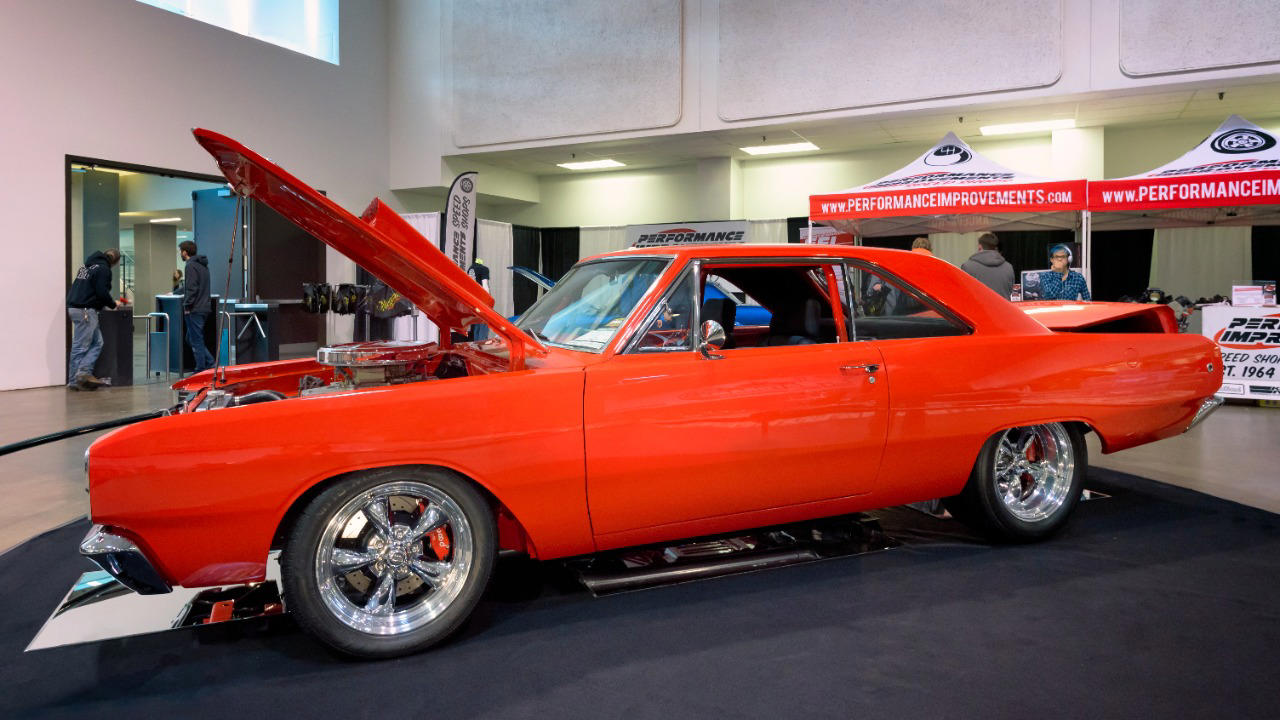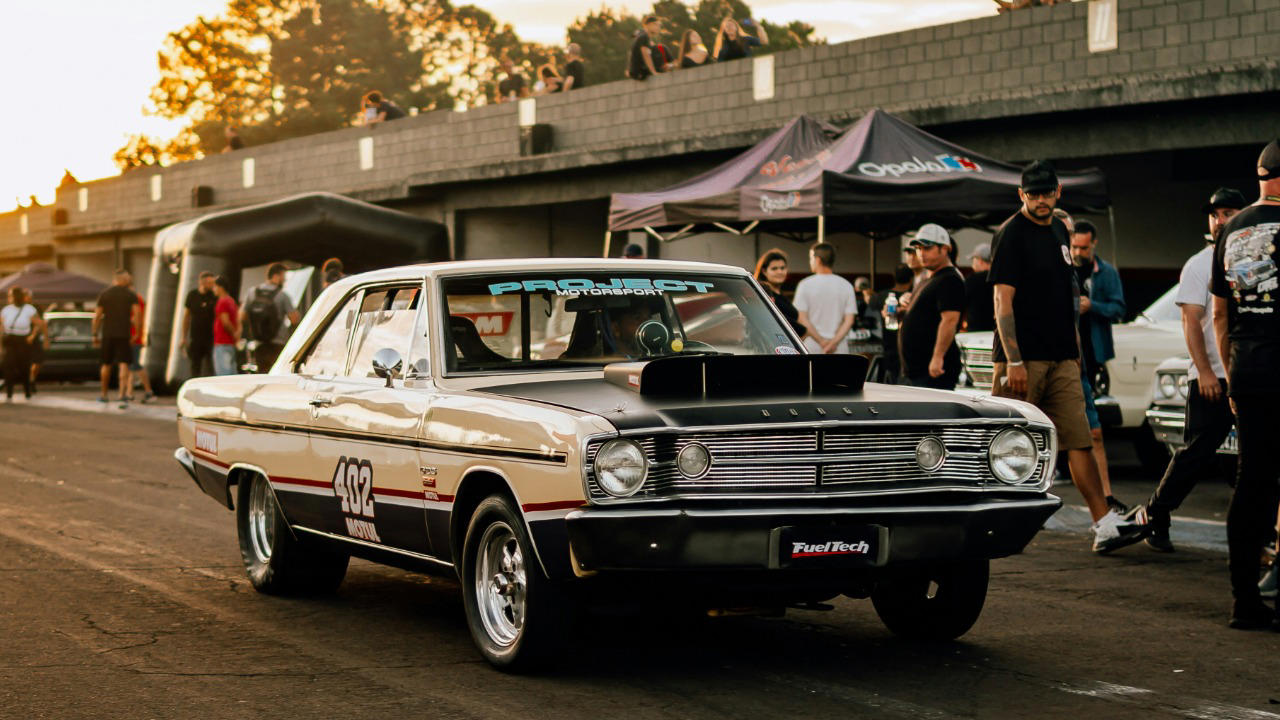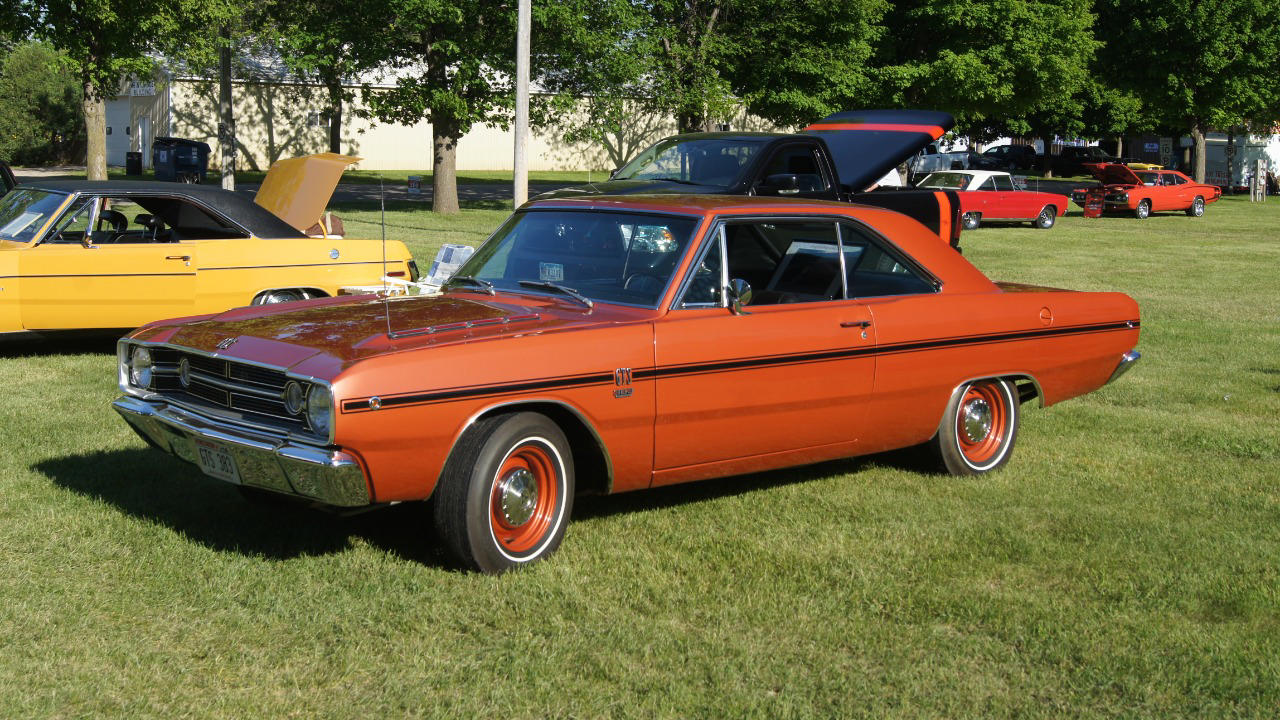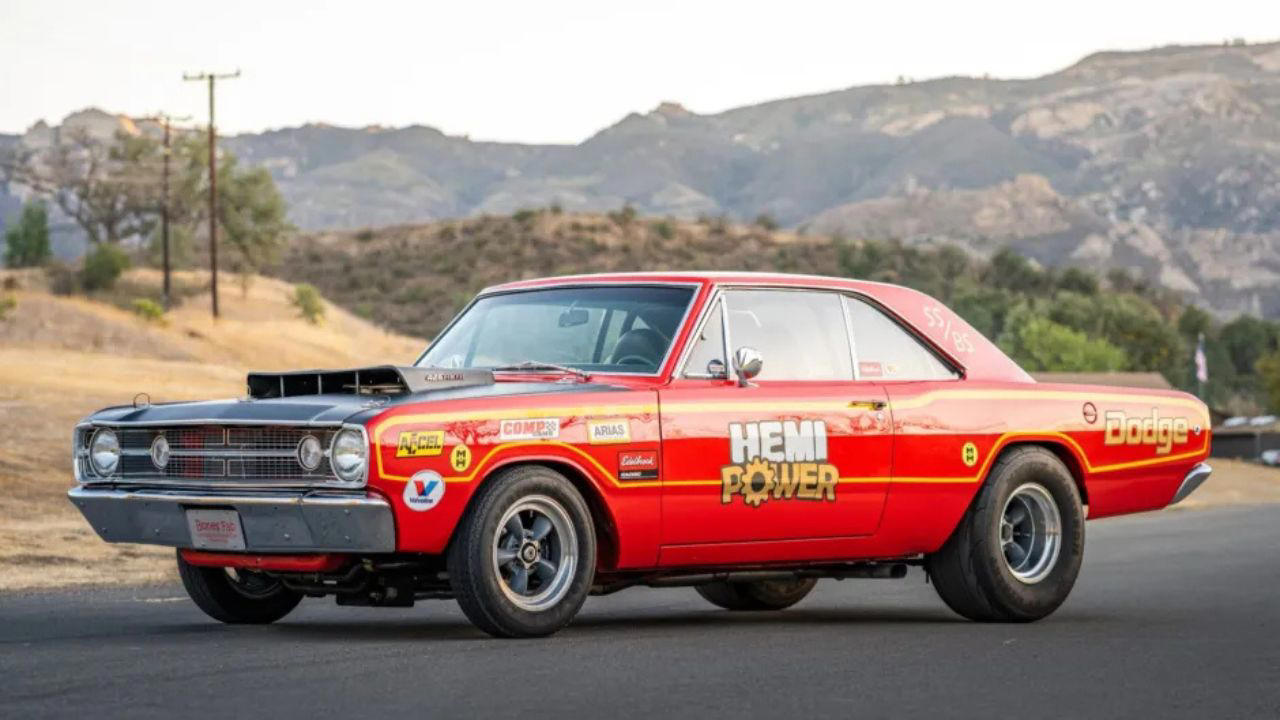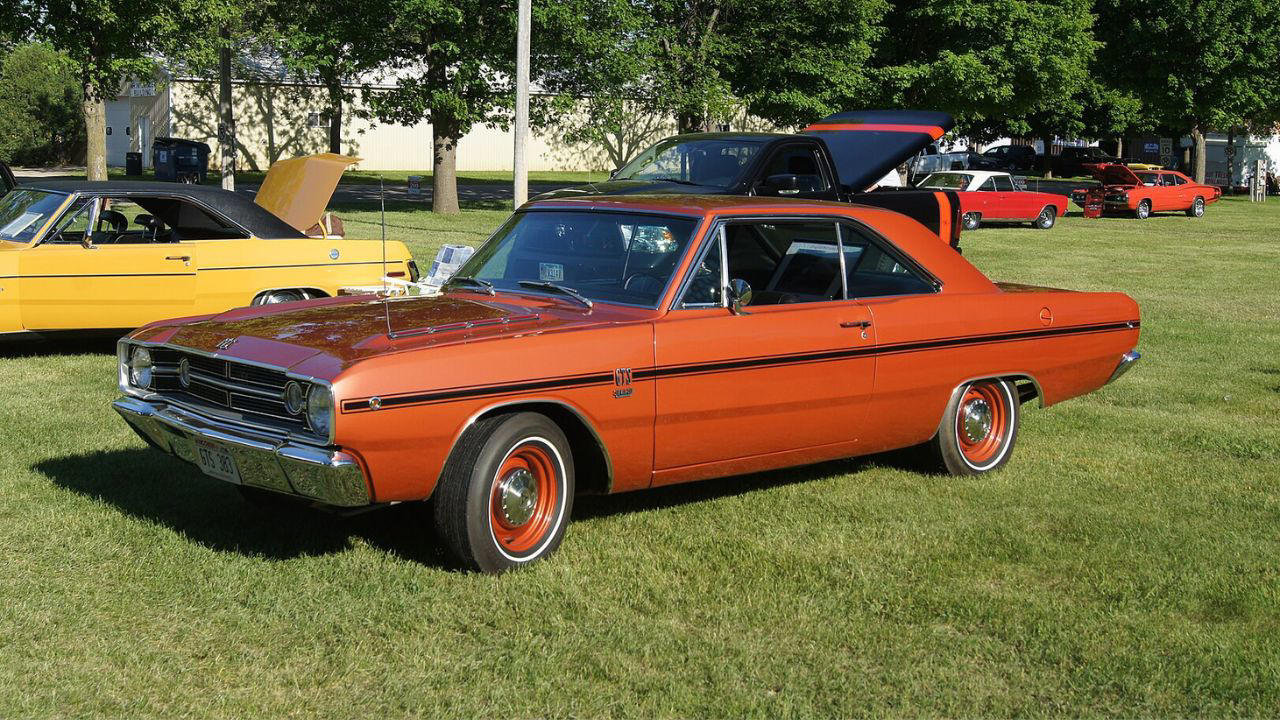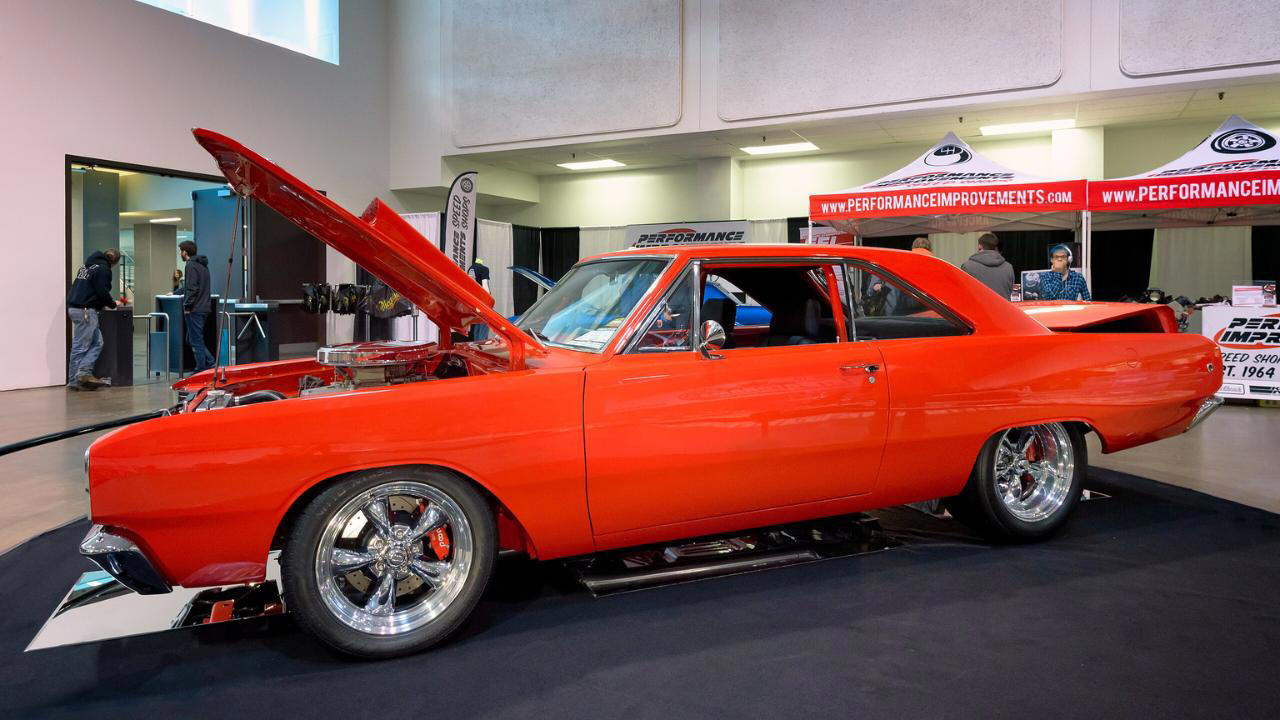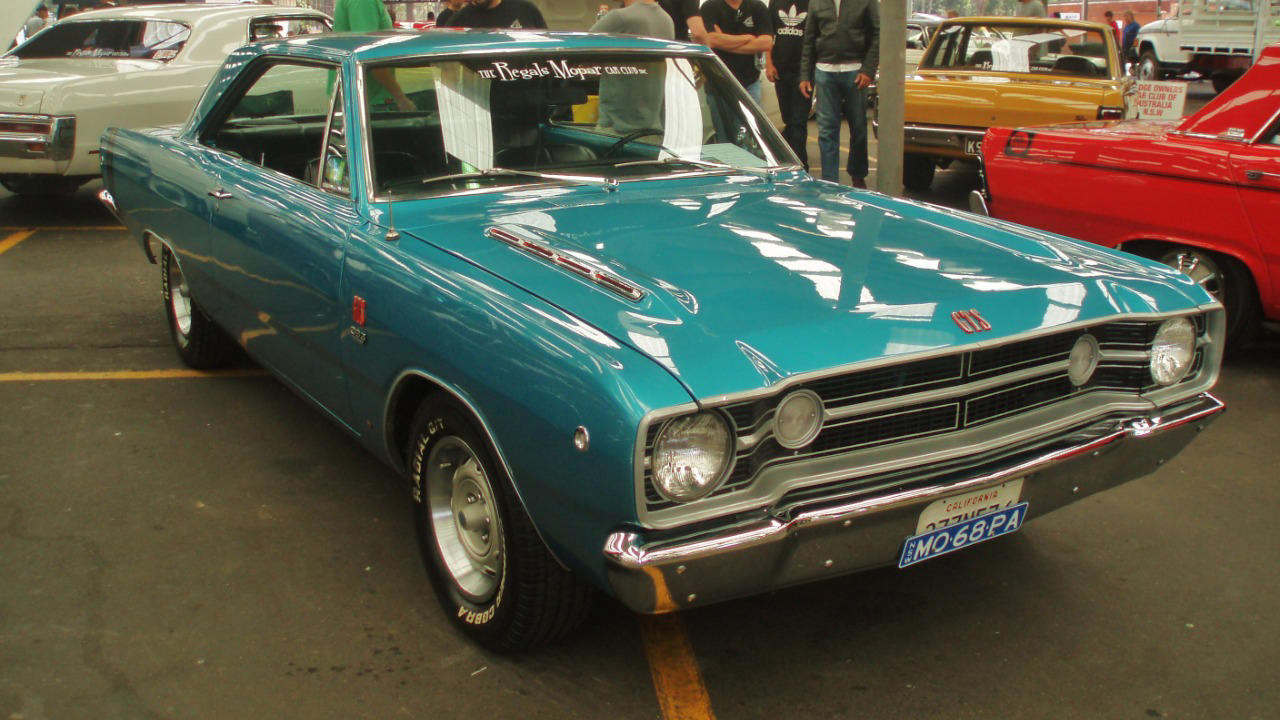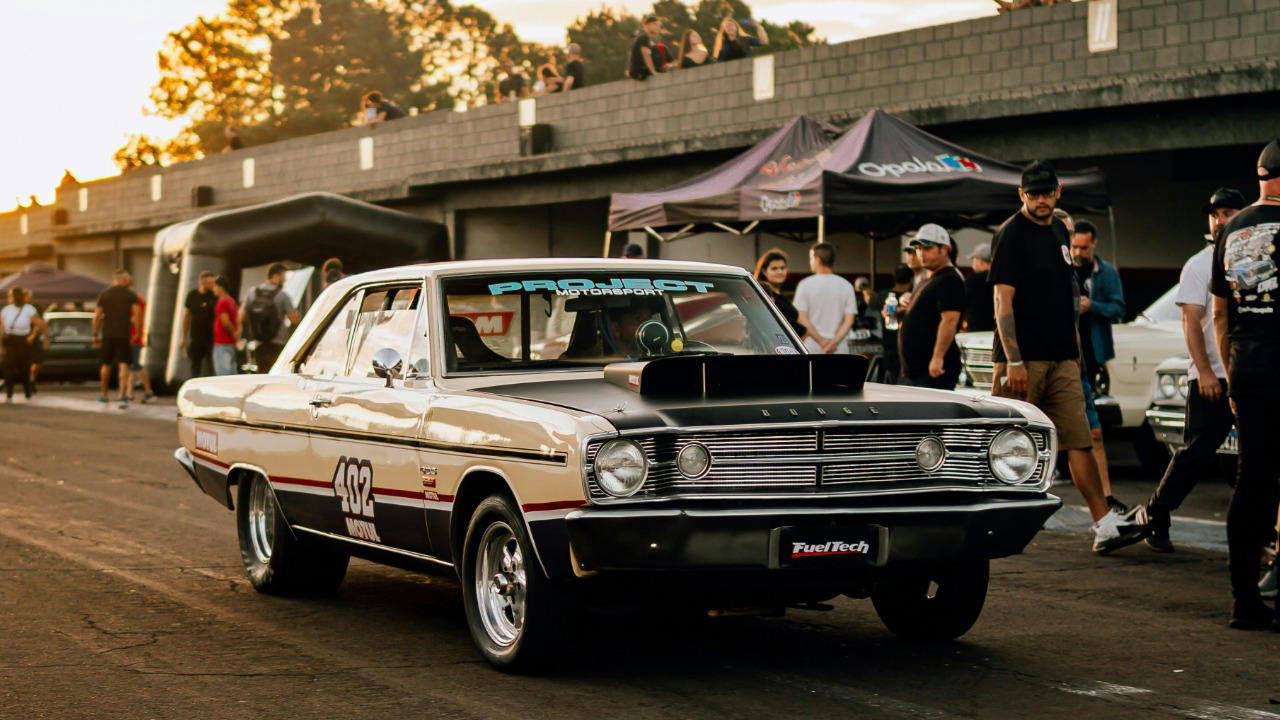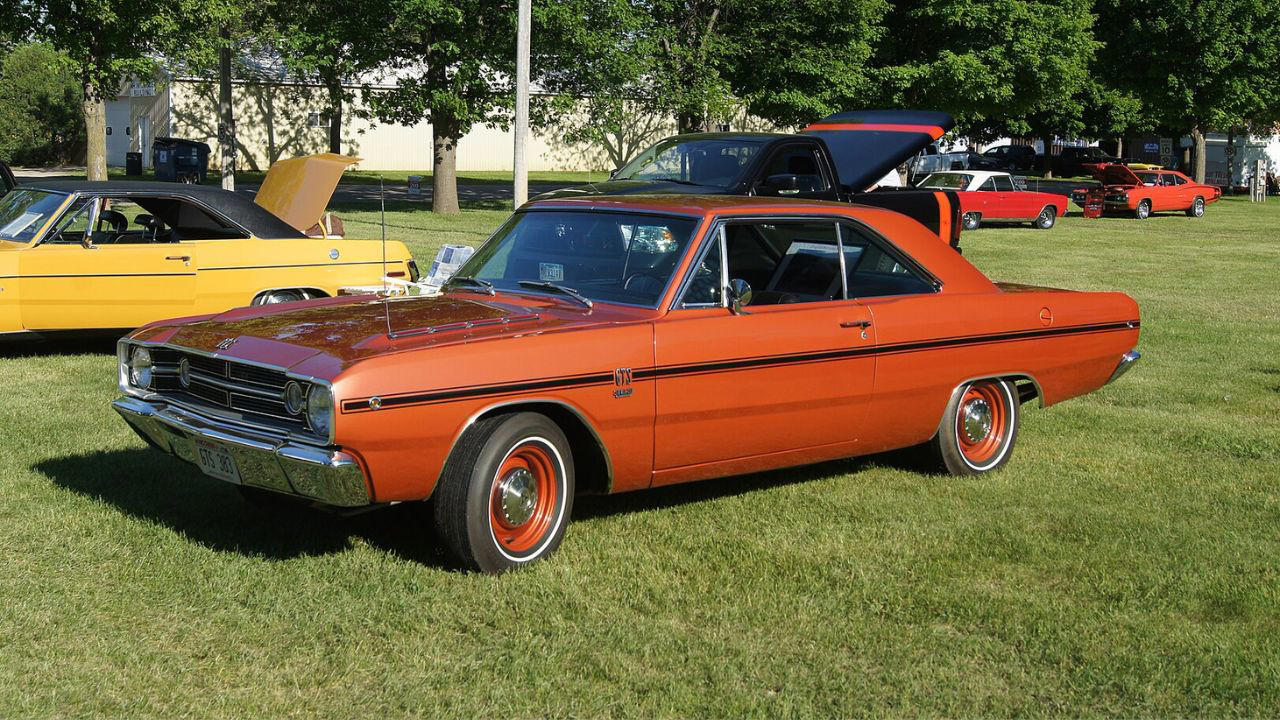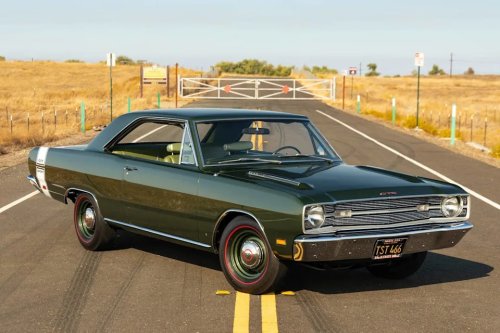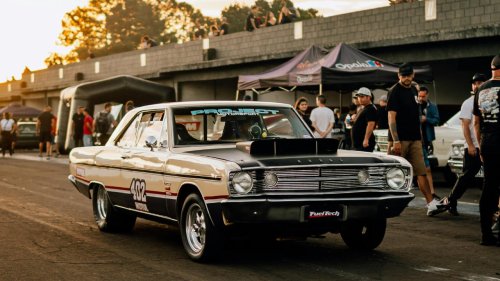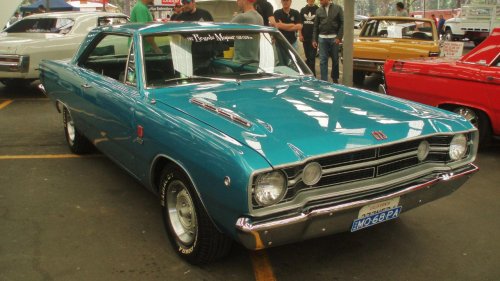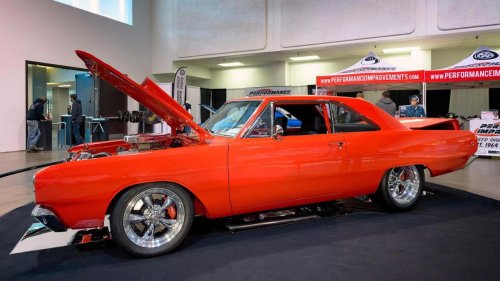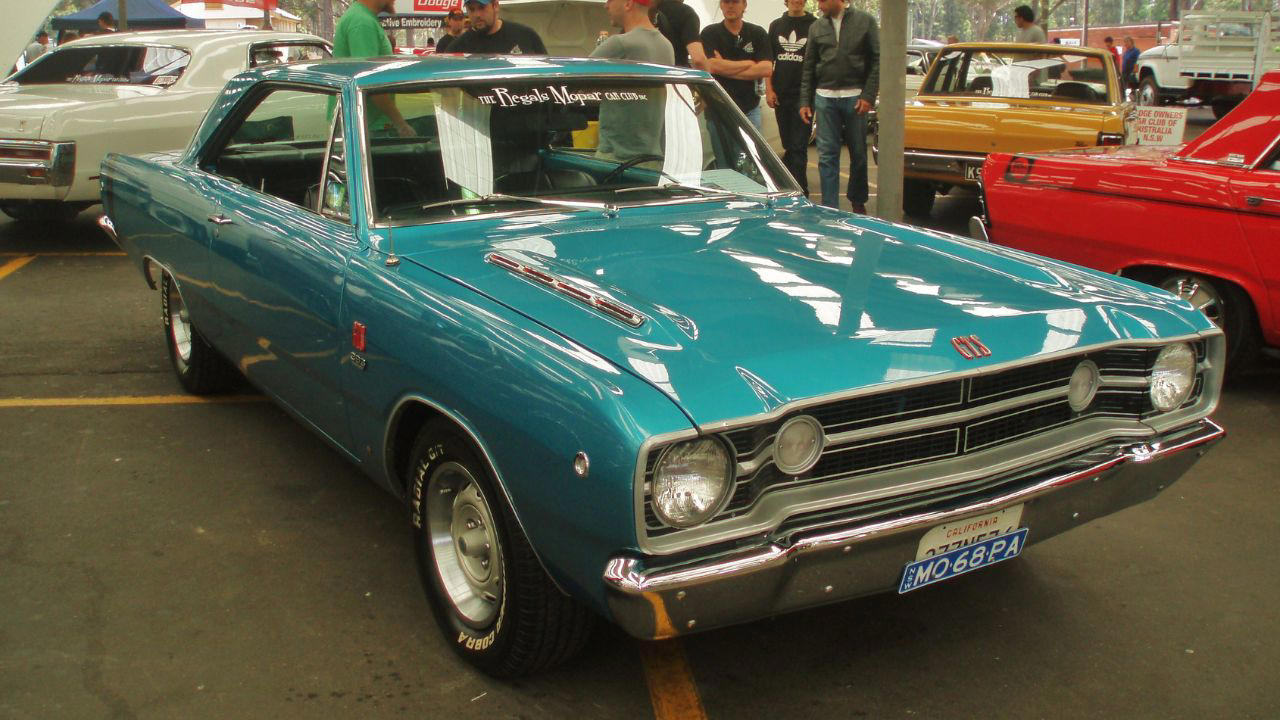



















Mechanics warn the 1968 Dart GTS pushed its platform beyond comfort limitsThe 1968 Dodge Dart GTS looked like a compact commuter, yet mechanics quickly learned it was closer to a street fighter in a suit. Chrysler had stretched a modest A-body platform until comfort and composure became secondary to raw acceleration, and the people who had to keep these cars aligned, cooled, and pointed straight felt that trade-off first. The result was a car that enthusiasts still love, and many technicians quietly regard as a lesson in how far a chassis can be pushed before it starts to complain. The Dart GTS could be quick, nimble, and surprisingly usable, but once Chrysler began stuffing bigger engines into that small shell, the balance tipped from clever engineering to barely contained excess. From a sensible A-body to a surprise muscle car The basic Dart was meant to be a practical compact, not a quarter-mile weapon. Chrysler’s A-body platform carried six-cylinder commuters and mild V-8s long before anyone imagined it with a high-compression small-block or a big-block under the hood. That changed when the company decided to turn the Dodge Dart GTS into a factory muscle piece and leaned on existing engine families to do it. According to period coverage, the standard GTS package centered on a 340-cid small-block, derived from the 273 and 318-cid Chrysler family of engines, which fit the engine bay without completely overwhelming it. The car still rode on relatively modest underpinnings and a compact footprint, yet the power jump transformed its character overnight. Mechanics who had been dealing with slant-sixes and mild 273s suddenly faced customers bringing in compact sedans that could light the rear tires at will. The basic suspension geometry and steering were never redesigned from scratch for this new mission, which set the stage for the compromises that followed. Why the 340 worked better than it should have The 340-cid engine turned out to be the sweet spot for the Dart GTS. Chrysler created this small-block as a performance piece within the existing 273 and 318-cid architecture, and in the GTS, it gave the A-body a power-to-weight ratio that rivaled bigger intermediates without completely wrecking the ride. Later accounts describe the 340 as a “giant killer from Hamtramck,” with a 4.04 inch bore and 3.31 inch stroke that let it rev freely while keeping weight manageable. In a 340 GTS, the front end carried more mass than a six-cylinder Dart but still allowed reasonably neutral handling, especially with upgraded torsion bars and wider tires. Mechanics could align these cars within factory specs and still have them behave predictably on the street. Owners who drove their 340 GTS cars daily reported that the package felt livable. Steering effort stayed reasonable, the front suspension bushings did not pound themselves to death as quickly, and the braking system, while hardly modern, was not hopelessly outmatched. For many technicians, the 340 cars represented the upper limit of what the A-body could comfortably support. When Chrysler stuffed in the 383 Chrysler did not stop at the 340. The company soon offered the Dart GTS with a 383 big-block, and that decision is where many mechanics say the platform crossed an invisible line. The 383 returned to the lineup rated at 300 horsepower due to new cylinder heads, with projections of 330 horsepower for the following model year as Dodge kept refining the package. The 383 was physically larger and significantly heavier than the 340-cid small-block. To make it fit in the A-body chassis, engineers had to compromise on exhaust routing, steering clearance, and accessory placement. Contemporary technical writeups describe how, in the process of wedging that big engine into the A-body chassis, something had to give to make it fit, and that compromise could be felt in day-to-day drivability. Mechanics saw the results in the shop. Extra front weight accelerated wear on upper control arm bushings and ball joints. Steering boxes worked harder, especially at low speed, and heat soak became a recurring complaint as the tight engine bay trapped exhaust heat around the starter and wiring. The Dart GTS 383 could be brutally fast in a straight line, but it demanded more attention from anyone tasked with keeping it reliable. Front-weighted physics and the A-body The core problem was simple physics. Most production cars of the era used a front-engine layout that created what chassis engineers describe as front-weighted vehicles. That configuration is the common setup for road cars, but when a heavy big-block sits over the front axle, the weight distribution moves even further forward. Technical guidance on handling explains that a front-weighted layout increases understeer, lengthens braking distances, and puts extra load on front suspension components. In the Dart GTS with a 383, that meant the car was more likely to plow into a corner if the driver entered too hot, and it also meant the front tires and brakes were doing a disproportionate share of the work. Mechanics responded with periodic fixes. Some shops recommended stiffer torsion bars and upgraded shocks to better control the extra mass. Others experimented with alignment settings that added more caster to improve straight-line stability. These tweaks could tame the worst behavior, but they also highlighted how far the original A-body blueprint had been stretched from its intended role. What working on a Dart GTS actually felt like For people under the lift, the Dart GTS story was not just about weight distribution charts. It was about skinned knuckles and parts that barely cleared. Technicians who tackled big-block swaps into A-bodies, whether factory 383 cars or later 440 builds, often complained that basic service tasks turned into puzzles. Spark plug access on the driver’s side could be tight enough to require special sockets or creative use of universal joints. Exhaust manifolds snaked past steering gear and torsion bars with minimal clearance, which encouraged heat soak and made header upgrades a chore. Changing a starter or addressing a steering box leak on a 383 GTS frequently consumed more labor hours than the same job on a B-body Charger or Coronet. Some mechanics also pointed to braking and cooling as chronic weak points once power climbed. Factory drum setups on earlier cars faded quickly under repeated stops, and even disc conversions had their hands full when paired with a heavy front end and a driver who treated every stoplight like a drag strip. Radiators and fan shrouds that were adequate for a 273 suddenly ran hot on summer days when tasked with cooling a 383 in stop-and-go traffic. Drivers loved what mechanics cursed On the road, the same traits that frustrated technicians made the Dart GTS unforgettable. Owners of 340 cars discovered that a relatively small, light body with a strong small-block could embarrass bigger rivals. Many enthusiasts still describe the 340 GTS as one of the most balanced American muscle combinations of its era, and period road tests back that up with strong acceleration and manageable handling. Even when the 383 arrived, drivers were often willing to accept the extra nose-heaviness for the thrill. The big-block GTS could deliver brutal midrange torque that made highway passing effortless and quarter-mile times that startled anyone who judged the car by its compact size. The steering might feel heavier and the front end might dive under braking, but straight-line speed had a way of forgiving those sins. Later commentary from high-profile enthusiasts reinforces this split personality. In one widely shared segment, Jay Leno praises the Dart GTS for its wheelbase and size, calling it very easy to drive every day as long as the owner can live with the fuel bills. That perspective captures the appeal of the lighter small-block versions, which preserved some of the original A-body practicality while still delivering serious performance. Mechanics’ verdict on comfort limits Ask technicians who lived with these cars and a pattern emerges. The 340-cid Dart GTS sits near the top of their comfort scale. It is quick, serviceable, and relatively kind to suspension and brake components. The 383 cars, in contrast, mark the point where Chrysler pushed the A-body beyond what many mechanics considered a comfortable margin. They point to the combination of tight packaging, front-heavy balance, and heat management headaches as evidence. The platform could physically carry the big-block, but only by accepting compromised steering geometry, reduced service access, and a constant need for upgraded cooling and braking hardware. For a weekend drag car, that trade-off made sense. For a daily driver, it often meant more time in the shop. Some period mechanics even argued that Chrysler should have invested in a more thorough rework of the A-body front structure if it wanted to support engines like the 383 on a broad scale. Stronger K-members, revised steering linkage, and more generous engine bay dimensions might have preserved comfort and reliability. Instead, the company chose a quicker path that delivered headline performance numbers but left technicians to manage the consequences. The 440 GTS and the edge of sanity The most extreme expression of this philosophy came with the limited 440 G builds. Enthusiasts who have driven both the 440 GTS automatic and the 383 G cars describe them as astonishingly quick but also prone to front float at high speed. That sensation of the nose going light under acceleration or over uneven pavement is exactly what chassis engineers try to avoid when they balance a platform. Mechanics who saw these cars on lifts recall front springs and shocks working at the edge of their design envelope. The extra torque from the 440 amplified wheel hop and axle tramp, which in turn stressed rear suspension hardware. At the same time, the already front-biased weight distribution moved even further ahead of the centerline, exaggerating the handling quirks that showed up with the 383. In effect, the 440 cars turned the Dart into a drag-strip special that happened to wear license plates. For pure straight-line thrills, they were hard to beat. For the average shop that had to keep them aligned, cooled, and safe for highway use, they were proof that the A-body had been pushed to its structural and dynamic limits. Why the Dart GTS still matters to modern builders Today, the 1968 Dart GTS occupies a special place in the muscle car conversation. Enthusiasts and restorers look back at the 340-cid cars as examples of how to get the most from a compact platform without overwhelming it. The 273 and 318-cid roots of the engine family made parts sharing and upgrades straightforward, which continues to help owners keep these cars on the road. At the same time, the 383 and 440 variants serve as cautionary tales for anyone tempted to drop ever larger powerplants into small chassis. Modern builders who study the Dart GTS story often focus on weight distribution, suspension geometry, and cooling capacity before chasing bigger dyno numbers. They have learned from the experience of mechanics who spent years wrestling with overheated starters, warped front drums, and wandering alignment on big-block A-bodies. More from Fast Lane Only Unboxing the WWII Jeep in a Crate 15 rare Chevys collectors are quietly buying 10 underrated V8s still worth hunting down Police notice this before you even roll window down