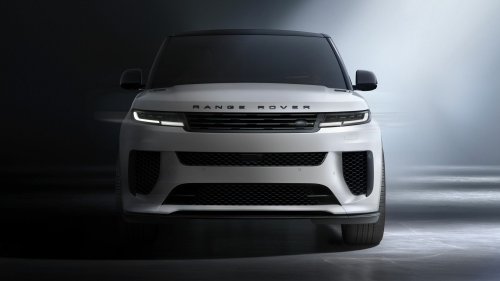
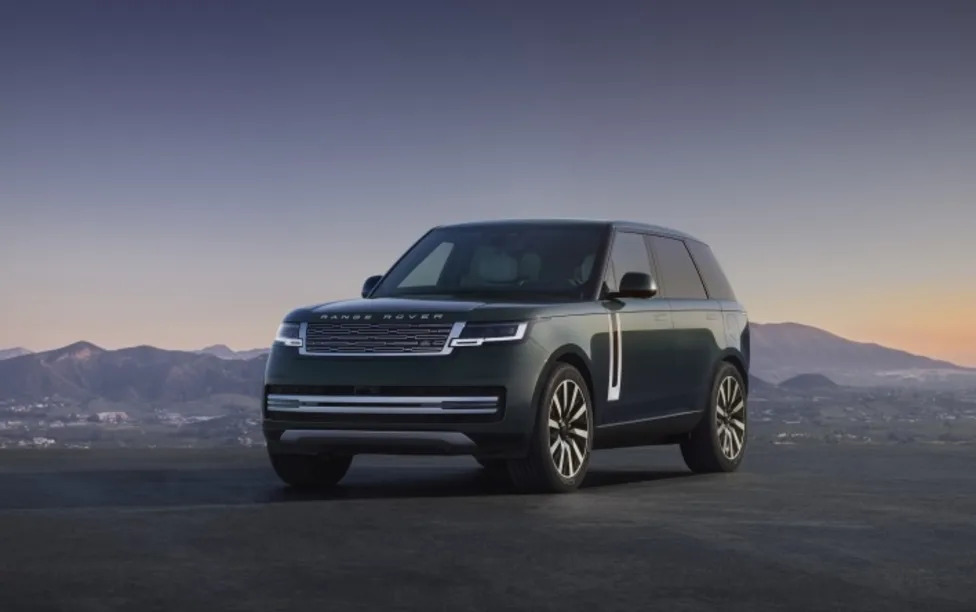
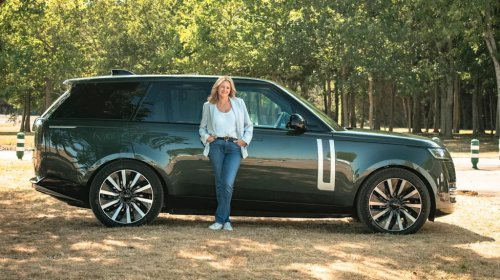
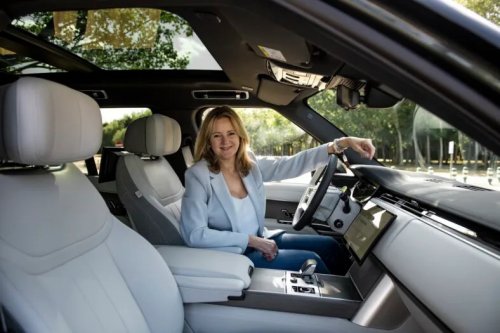
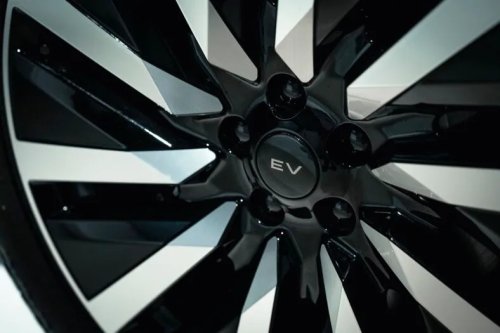
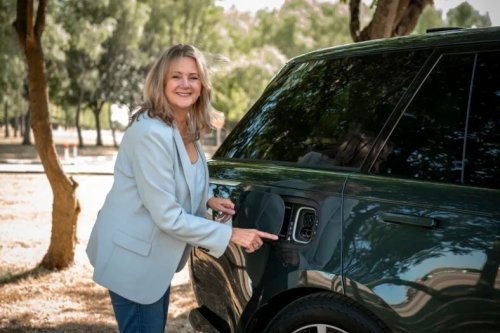
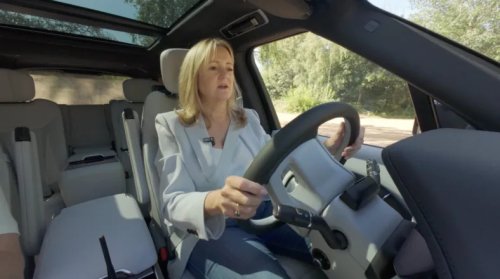
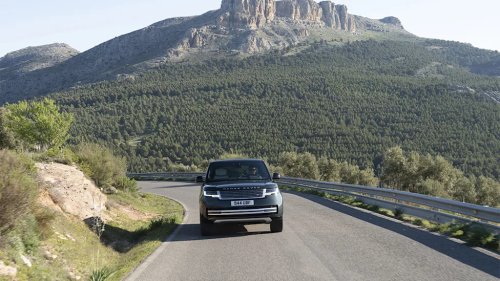
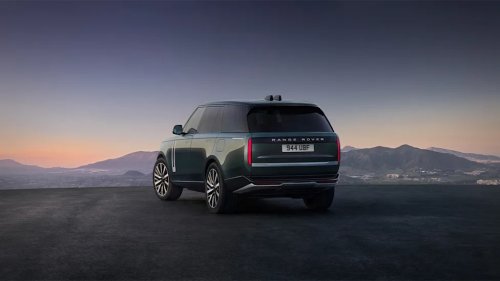
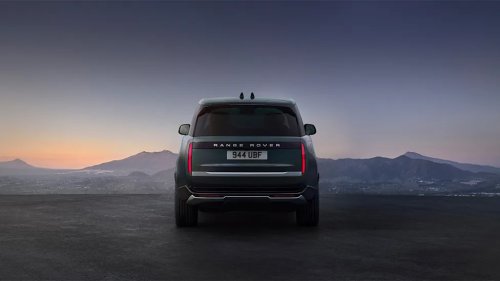
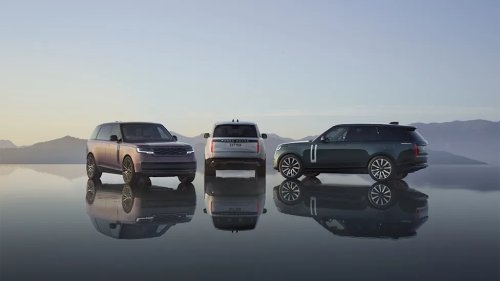
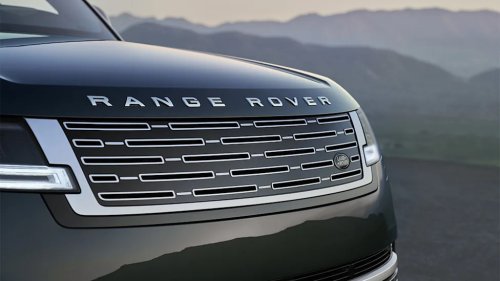
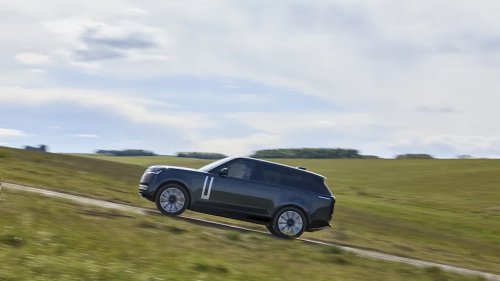
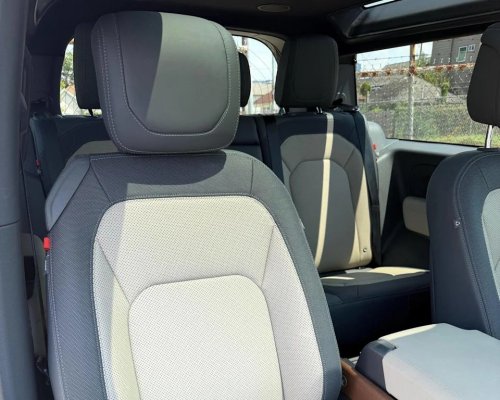
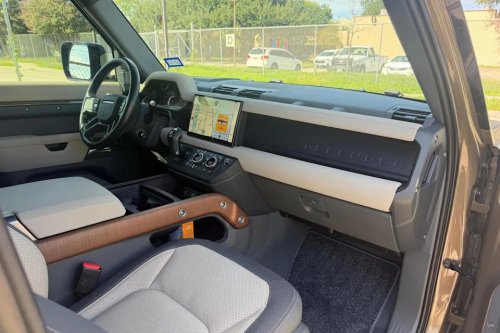
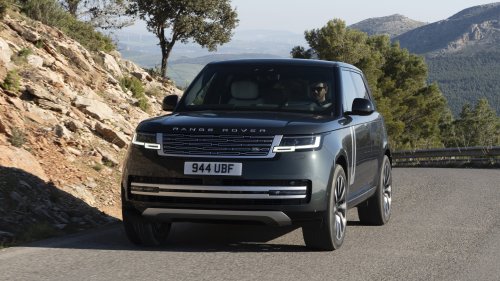
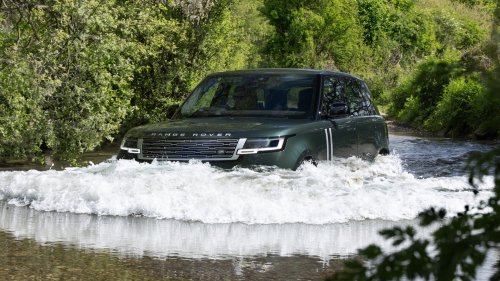
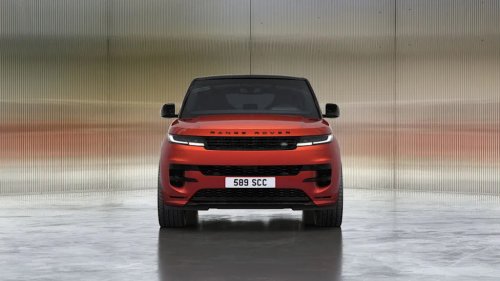
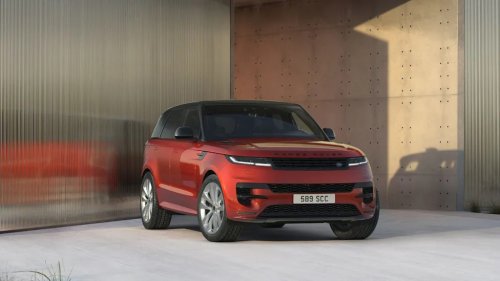
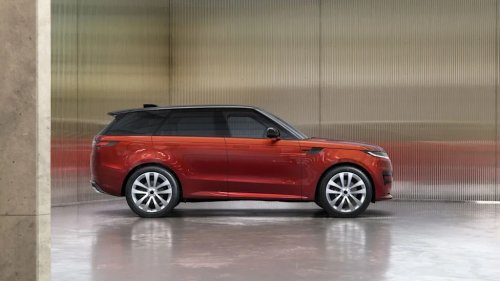
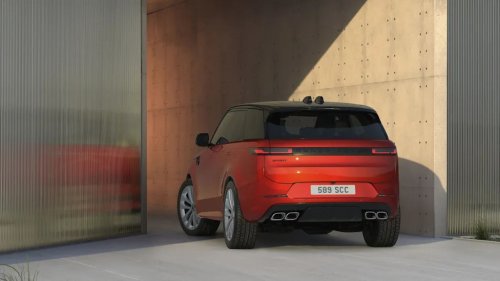
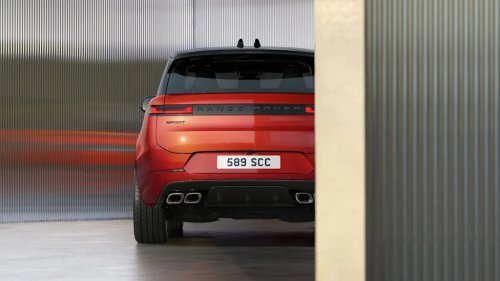
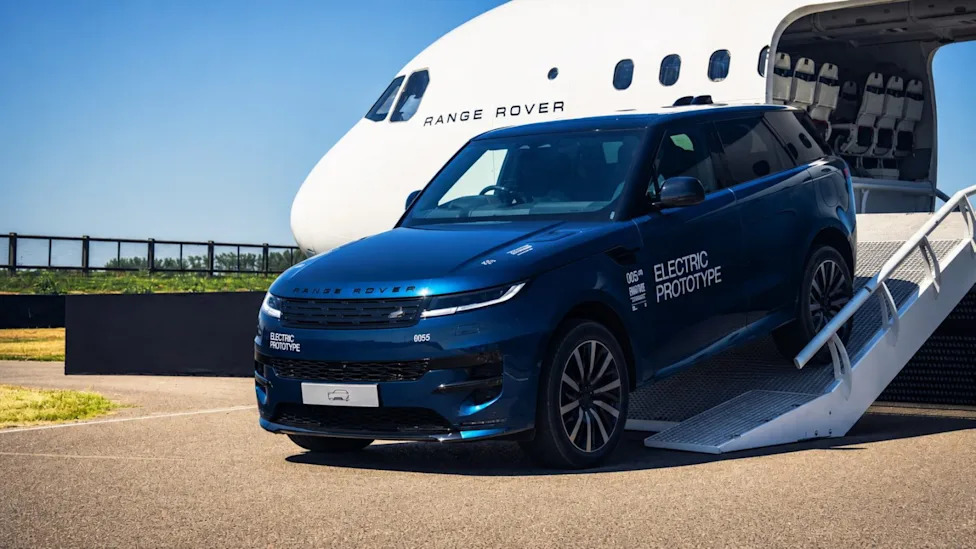
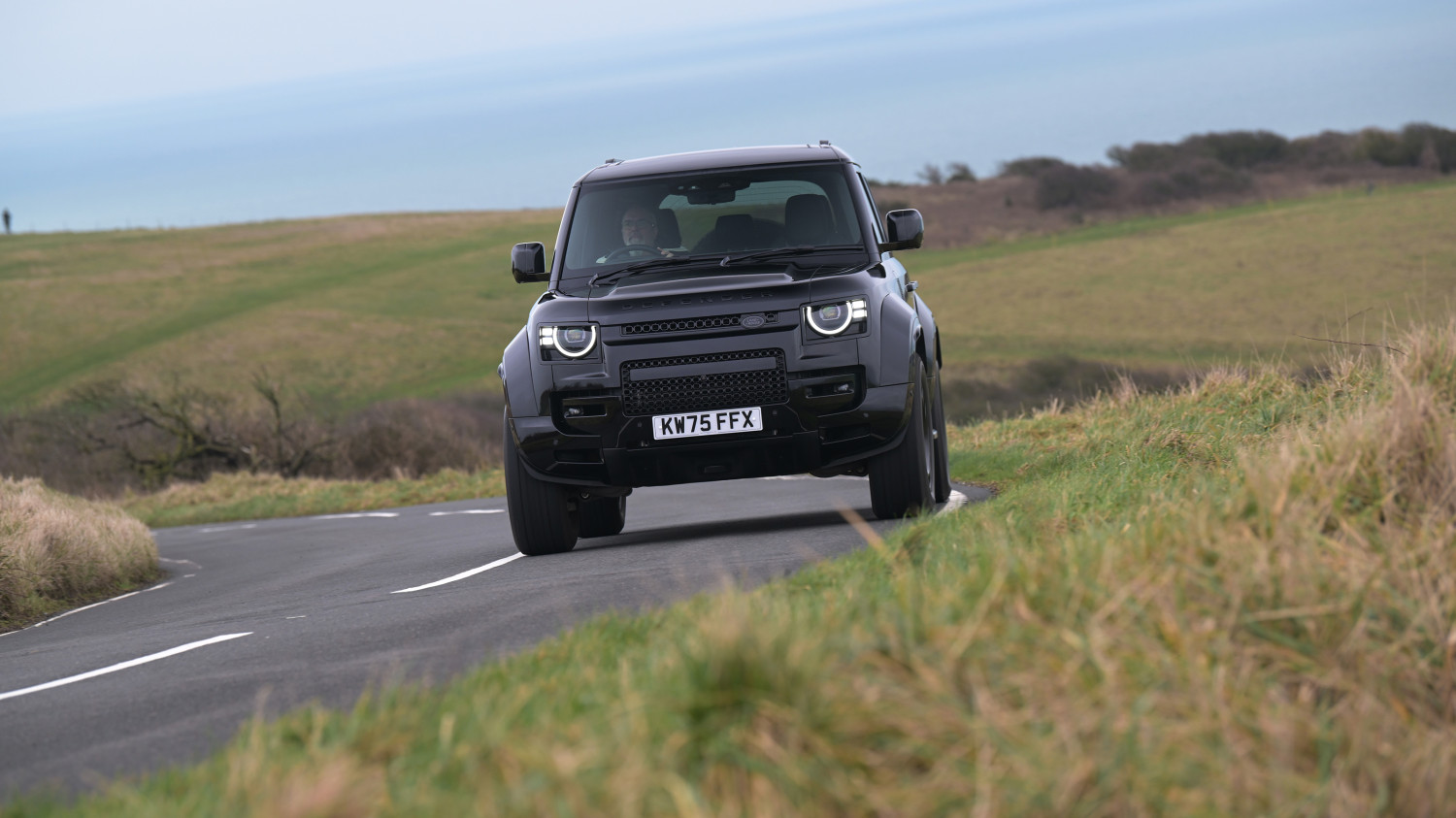
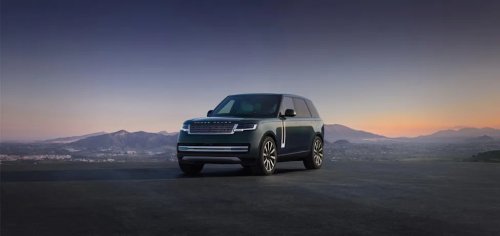
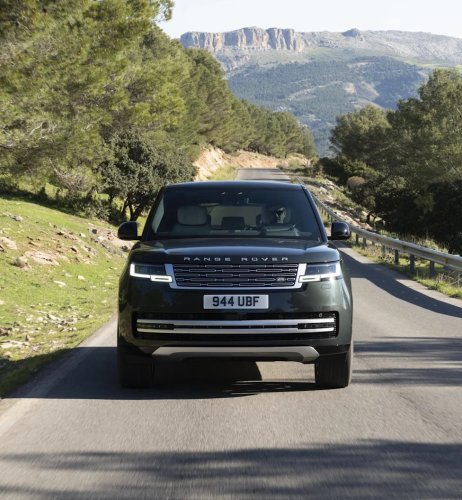
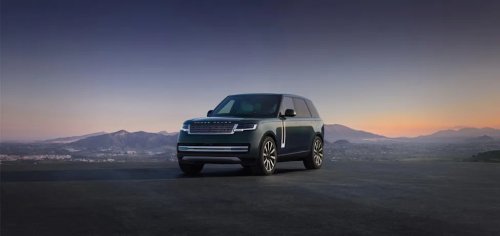
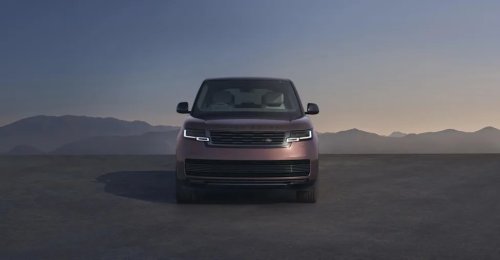
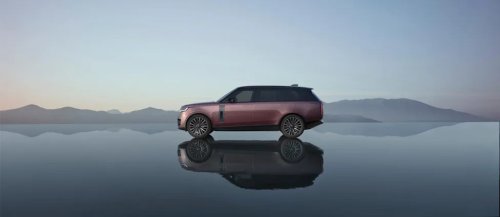
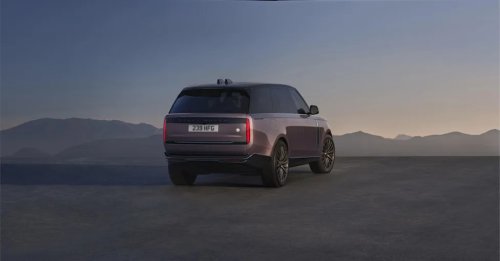
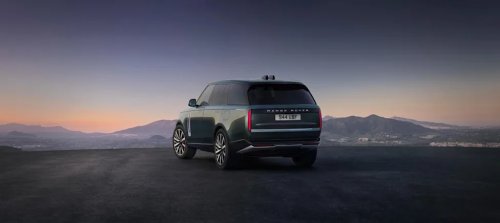
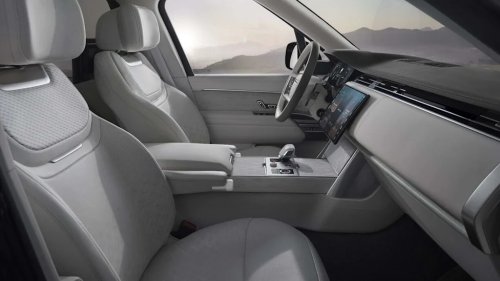
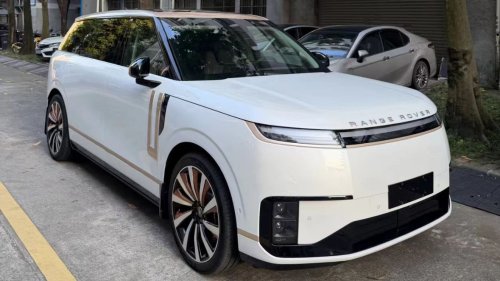
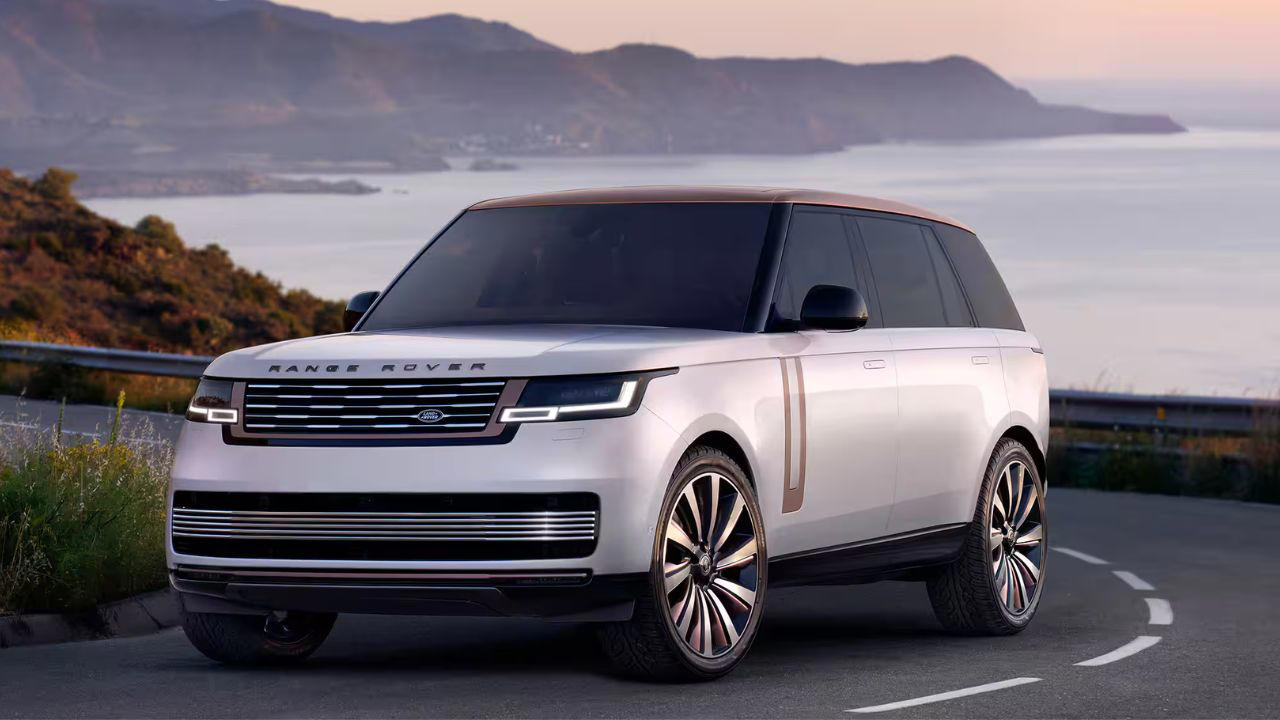
Range Rover has spent decades turning large, high-riding SUVs into rolling status symbols. Its newest flagship goes a step further, transforming the cabin into something closer to a private jet suite than a family 4×4. The latest Range Rover SV Ultra is pitched as the most opulent and technologically advanced model the brand has ever built, and it backs that claim with a long list of hardware and software upgrades focused squarely on passenger comfort. Instead of chasing lap times or off-road trophies, this new variant is engineered around serenity, isolation and indulgence. It layers bespoke materials, reconfigured seating and cutting-edge audio technology on top of the existing Range Rover architecture, in the process trying to reset expectations of what a luxury SUV can be. What happened The Range Rover SV Ultra arrives as a new halo version at the top of the existing SV line, positioned as the most luxurious interpretation of the current-generation Range Rover. The headline change is its cabin, which trades the familiar five-seat layout for an ultra-plush four-seat configuration that gives rear passengers lounge-like space and a level of personalization that would have been unthinkable in earlier models. In the second row, the SV Ultra introduces individual rear seats with extended recline, integrated leg rests and a wide central console that runs between them. That console houses controls for seat adjustment, climate, lighting and entertainment, so rear occupants can fine-tune their environment without relying on the driver. The focus is on turning the back of the car into the primary place to sit, not an afterthought. Material choice is just as central to the upgrade. The SV Ultra uses higher-grade leathers, intricate contrast stitching and carefully matched veneers that are reserved for this specification. Metal switchgear, detailed speaker grilles and bespoke trim inlays are designed to give the cabin a crafted feel rather than a mass-produced one. Buyers are offered a curated palette of colors and finishes that signal the car’s flagship status before the engine even starts. Technology plays a key role. The SV Ultra debuts a new audio system that aims to create a cocoon of sound around each passenger. Advanced processing and a dense array of speakers are used to deliver what Range Rover describes as cutting-edge acoustic performance, with the goal of making phone calls clearer and music playback more immersive. The emphasis is not only on volume and fidelity, but also on how sound is shaped within the cabin to match different seating positions. Beyond audio, the car integrates the latest generation of Range Rover’s infotainment and driver-assistance systems. Large touchscreens handle navigation, media and vehicle settings, while rear passengers gain their own displays and control surfaces. Active safety and convenience features, including adaptive cruise control, lane keeping assistance and surround-view cameras, are carried over and tuned to suit the SV Ultra’s role as a chauffeur-friendly flagship. The SV Ultra also retains the mechanical capability expected from the badge. It sits on the same platform as the standard Range Rover, with air suspension, configurable drive modes and sophisticated all-wheel drive hardware. The aim is to maintain the brand’s off-road credibility while shifting the emphasis toward on-road comfort and quietness that matches the elevated cabin experience highlighted in the initial unveiling of the SV Ultra. Why it matters The SV Ultra is significant because it shows how far the definition of luxury in SUVs has moved. Where earlier generations focused largely on leather, wood and badge prestige, this model treats technology and personalization as equal pillars of desirability. The new audio system, for example, is not just a premium sound option but a core part of the experience, integrated with noise management and cabin design to support quiet conversation and high-quality streaming. This approach reflects how wealthy buyers now use their vehicles. For many, the car is a mobile office, a place to take video calls or decompress between appointments. Range Rover is responding by turning the cabin into a controlled acoustic environment, where external noise is minimized and media can be enjoyed at high quality without disturbing other occupants. That kind of thinking aligns with trends in private aviation and high-end home audio, where sound is treated as part of overall wellness. The SV Ultra also deepens the brand’s push into the chauffeur-driven market. By prioritizing the rear seats and adding features that make life easier for passengers who are not behind the wheel, Range Rover is targeting clients who might otherwise default to long-wheelbase sedans. The extended recline, leg rests and console controls are direct answers to the comfort and privacy expectations of those buyers, particularly in markets where owners are more likely to be driven than to drive themselves. At the same time, the car underscores how competitive the top of the luxury SUV segment has become. Rivals from Germany and Italy have already blurred the lines between sports car and SUV, with aggressive styling and high-output engines. Range Rover is taking a different path by doubling down on calmness and refinement. The SV Ultra’s focus on isolation, soft-touch materials and subtle technology suggests that the brand sees more growth in quiet luxury than in outright performance. There is also a strategic message embedded in the SV Ultra’s specification. By reserving certain materials and features for this version, Range Rover is drawing a clear hierarchy within its own lineup. That helps justify higher pricing and reinforces the idea that the most advanced technology and craftsmanship are only available at the very top. For a company that trades heavily on image, that kind of internal differentiation is as important as any single feature. From a broader industry perspective, the SV Ultra points to how traditional off-road brands are managing the transition into a more electrified and software-driven future. Even as powertrains evolve, the core promise of comfort, capability and prestige remains. The new model uses digital systems to refine those qualities rather than redefine them, which may reassure long-standing customers who value continuity as much as innovation. What to watch next The SV Ultra sets a new benchmark for Range Rover, but it also raises questions about where the brand goes from here. One area to watch is how quickly features from this flagship filter down into more accessible models. Historically, high-end audio, advanced seating and bespoke materials have debuted at the top before appearing as options further down the range. If that pattern holds, the technology showcased here could shape the broader Range Rover lineup over the next product cycles. Another key storyline is how the SV Ultra will interact with the shift toward electrification. As regulations tighten and customer expectations change, the pressure to pair ultra-luxury cabins with lower emissions will only grow. The SV Ultra’s emphasis on quietness and refinement is naturally compatible with electrified powertrains, which tend to be smoother and quieter than traditional engines. Future iterations that blend this interior concept with plug-in or fully electric drivetrains would be a logical next step. Customer response will be closely watched, particularly in markets where chauffeur-driven SUVs are already popular. If the SV Ultra gains traction among high-net-worth buyers who previously favored flagship sedans, it could accelerate the broader move toward SUVs as default luxury transport. That in turn would encourage competitors to invest even more heavily in rear-seat comfort, cabin acoustics and personalized technology. There is also the question of how digital services will evolve around cars like this. As cabins become more like connected lounges, the demand for integrated streaming, conferencing and wellness features is likely to rise. The SV Ultra’s advanced audio and infotainment systems provide a foundation for that kind of expansion, and future software updates could add new modes that support work, relaxation or entertainment in more tailored ways. More From Fast Lane Only: Unboxing the WWII Jeep in a Crate 15 rare Chevys collectors are quietly buying 10 underrated V8s still worth hunting down Police notice this before you even roll window down The post Range Rover just pushed luxury further than ever with its most advanced model yet appeared first on FAST LANE ONLY.


















 +21 others