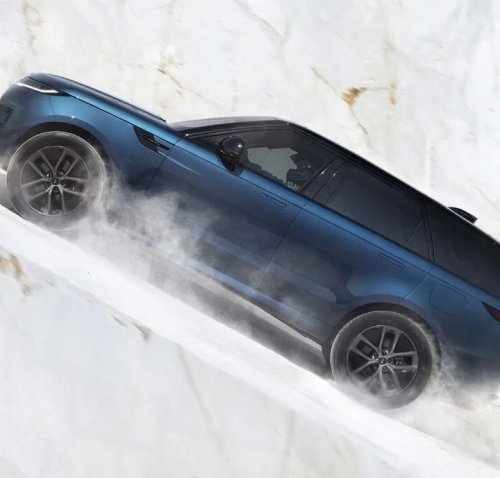
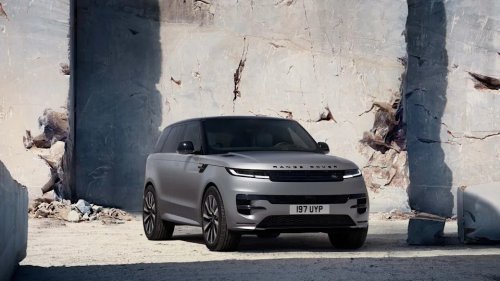
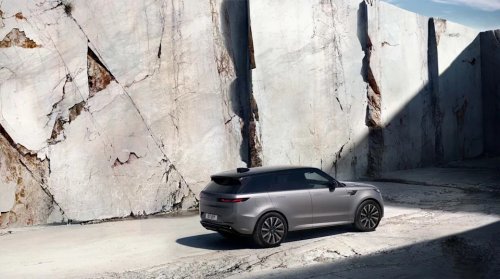
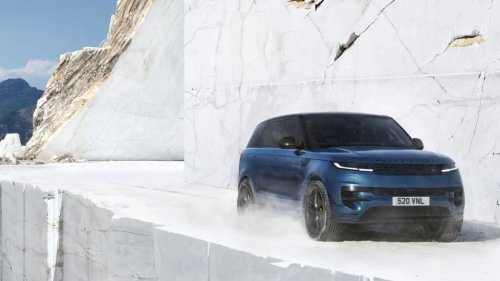
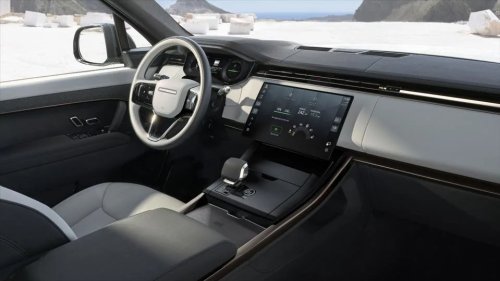
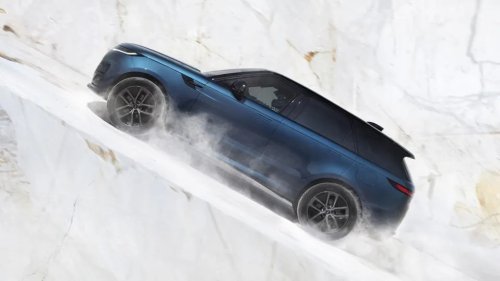
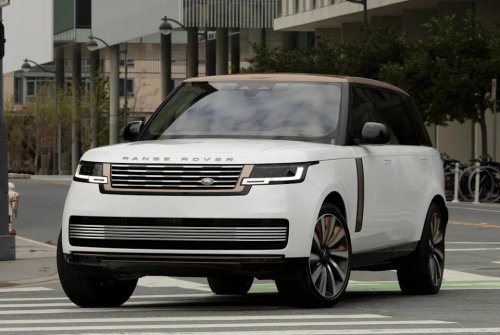
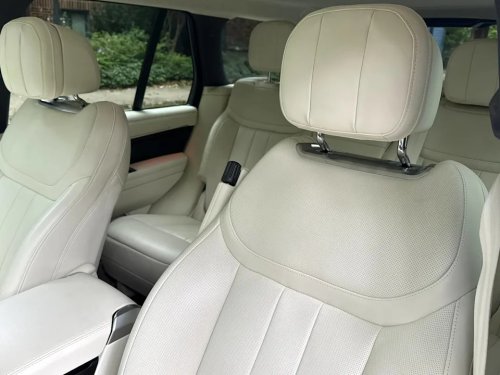
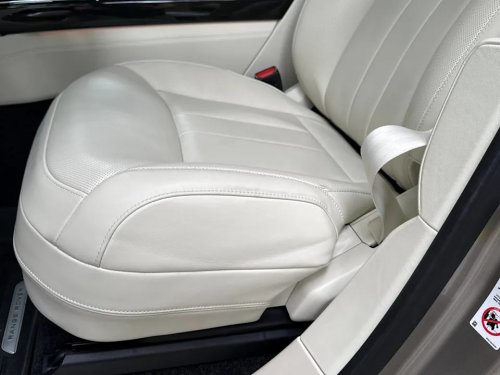
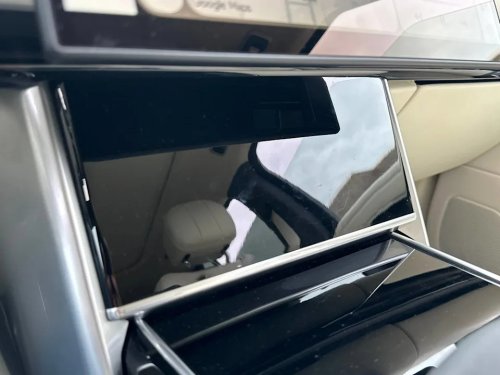
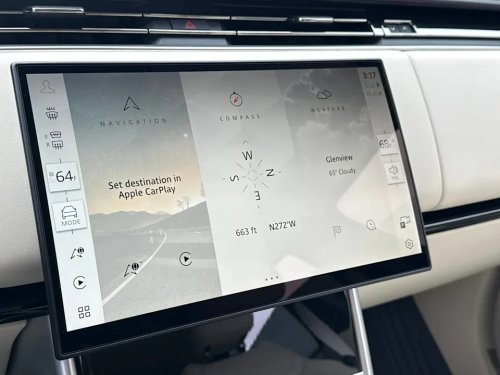
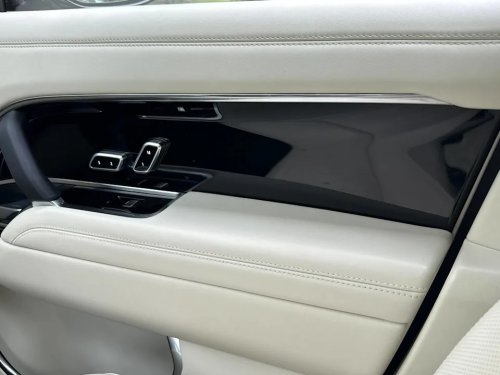
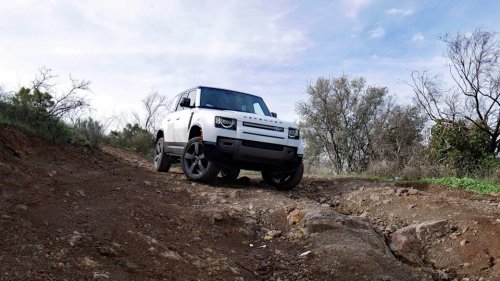
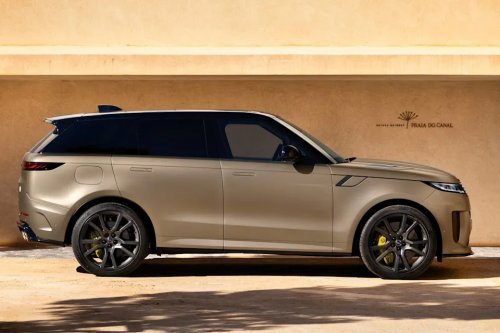
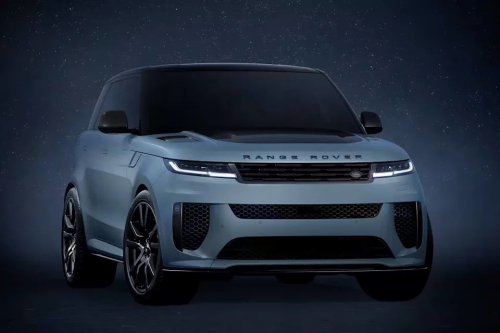
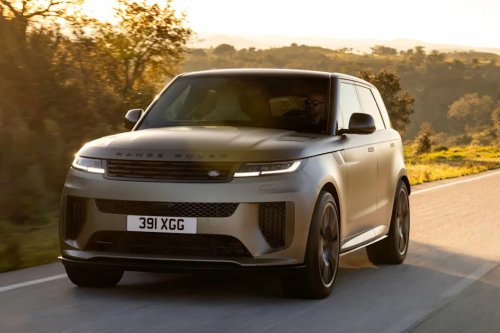
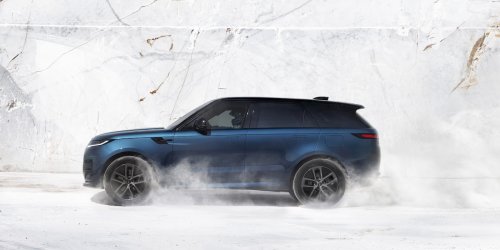
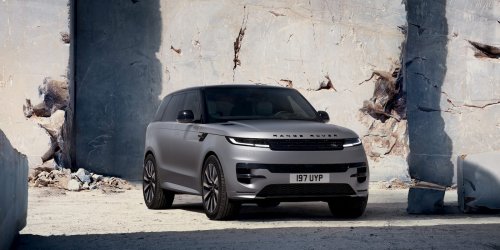
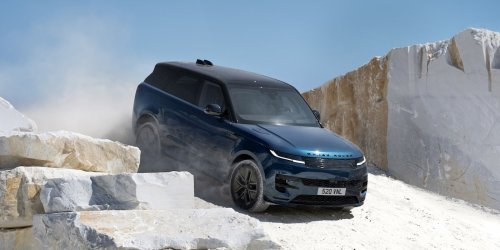
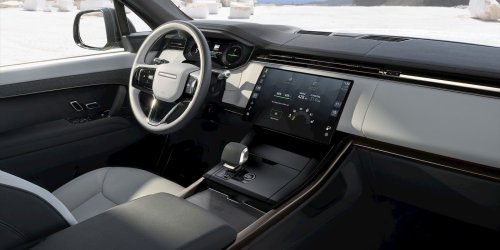
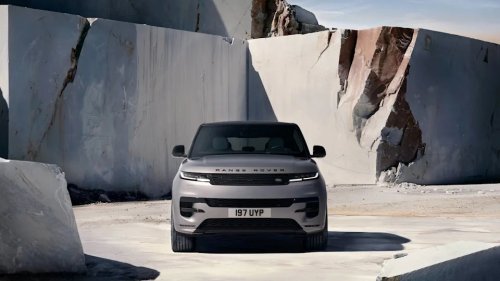
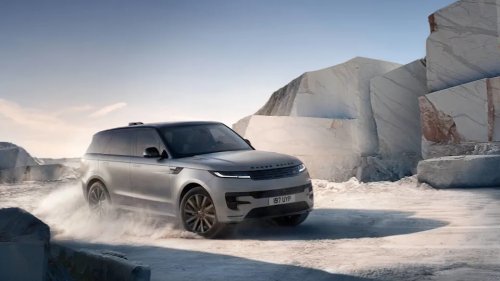
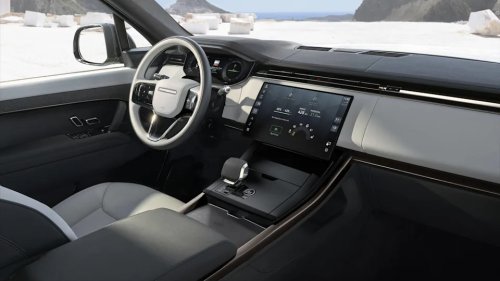
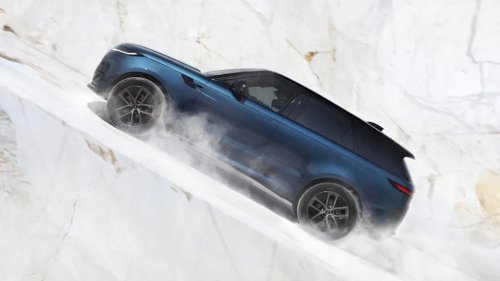
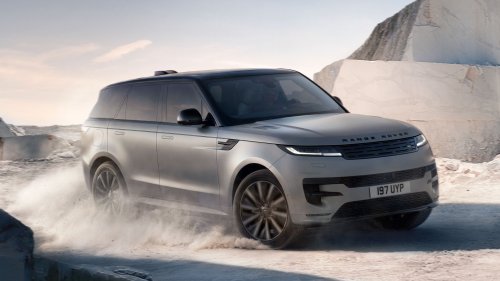
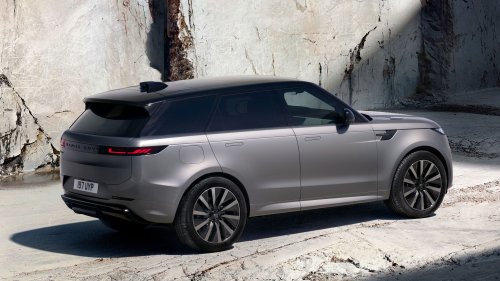
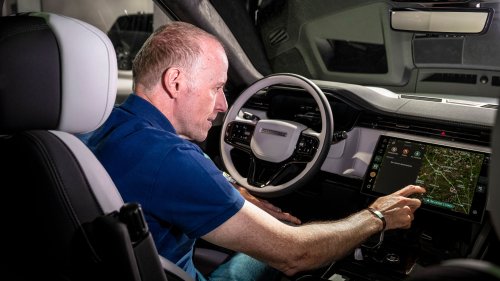
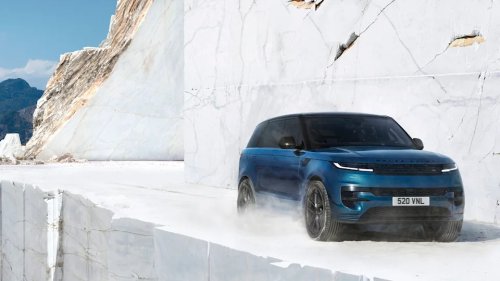
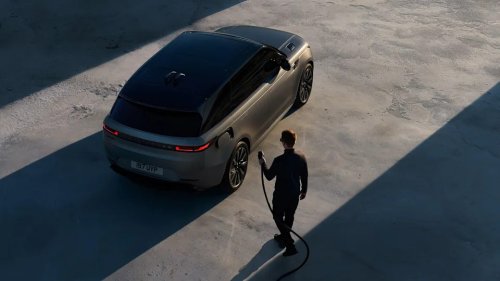
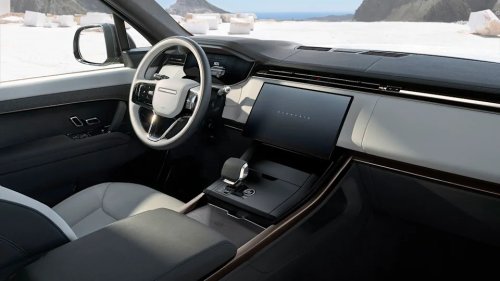
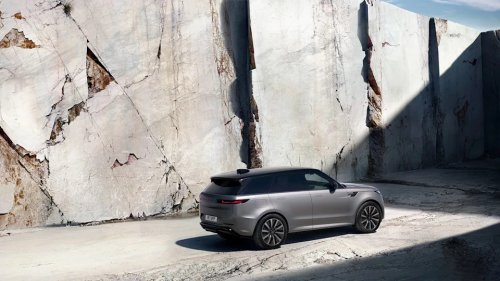
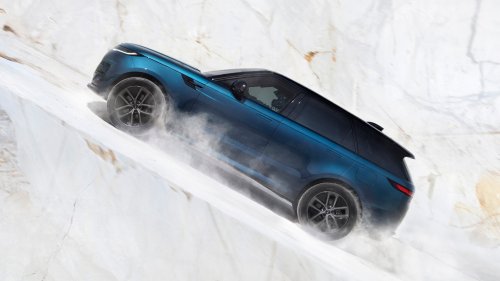
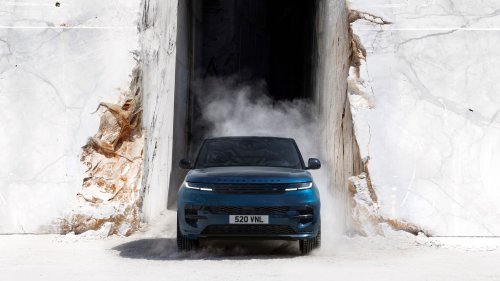
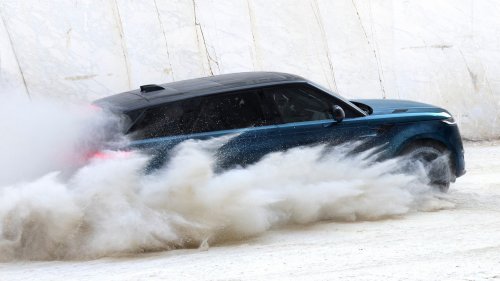
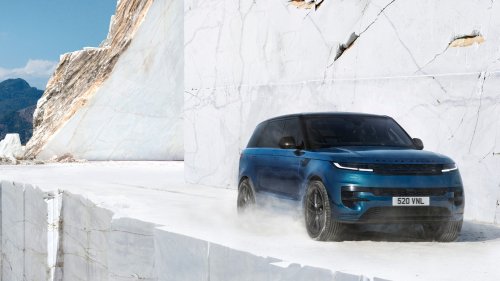
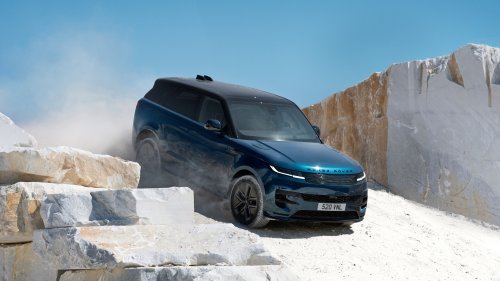
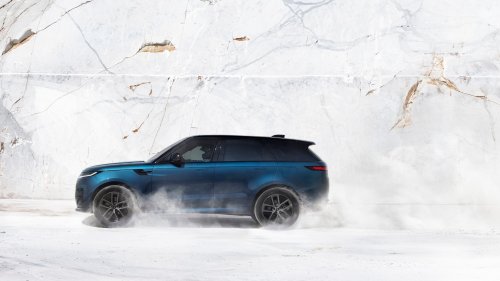
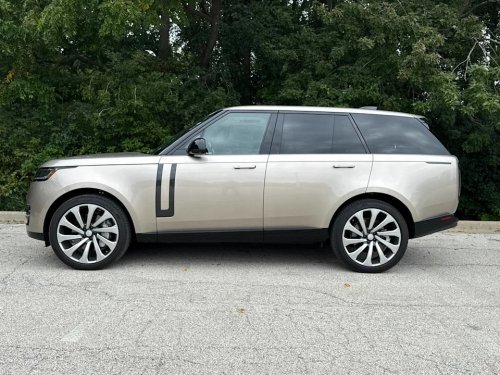
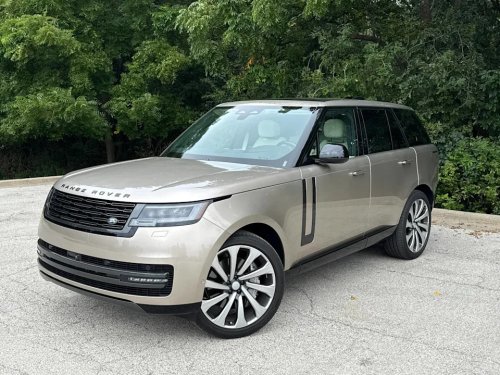
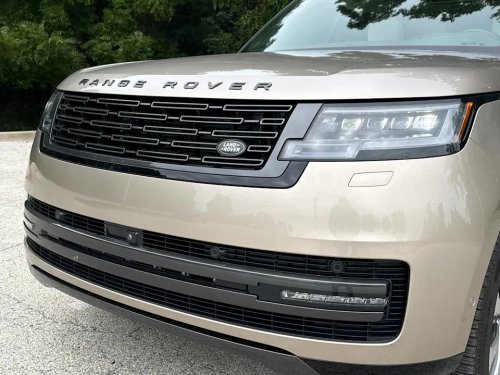
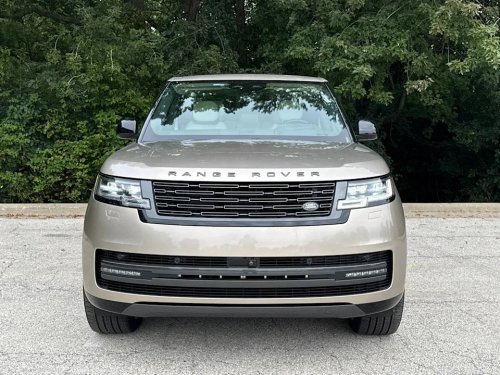
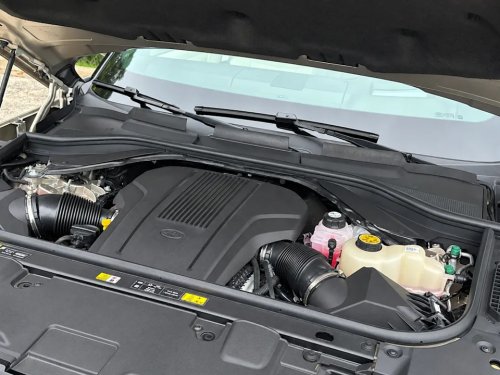
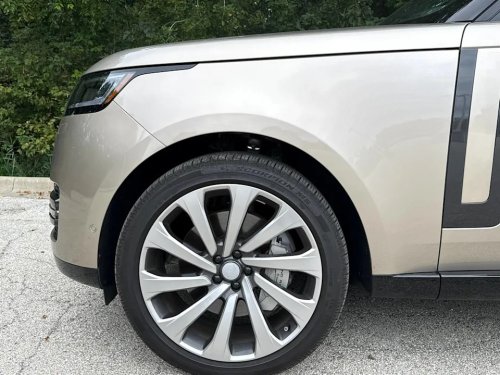
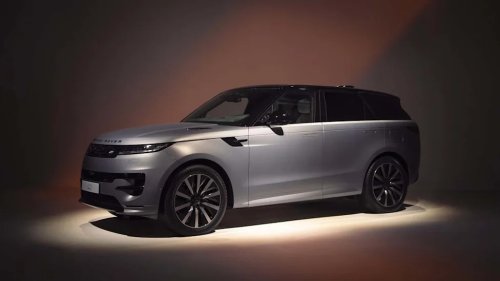
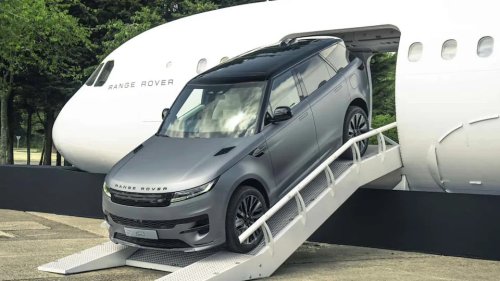
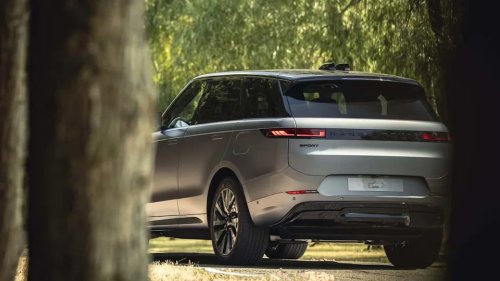
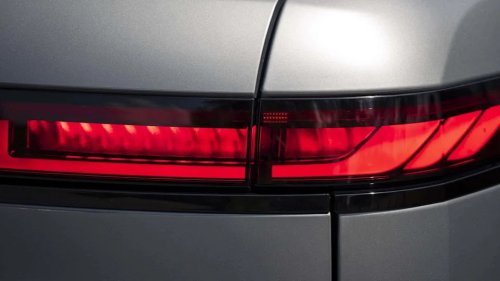
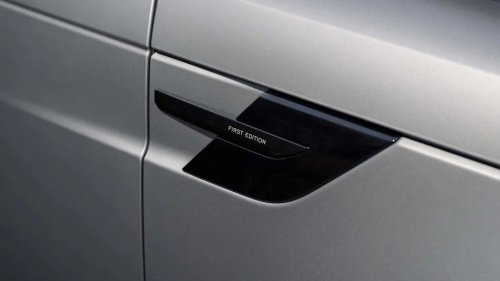
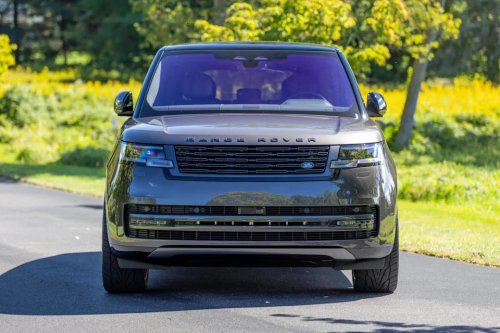
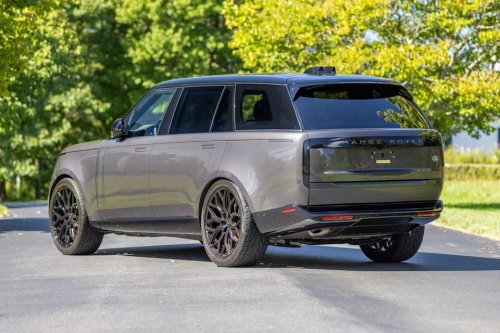
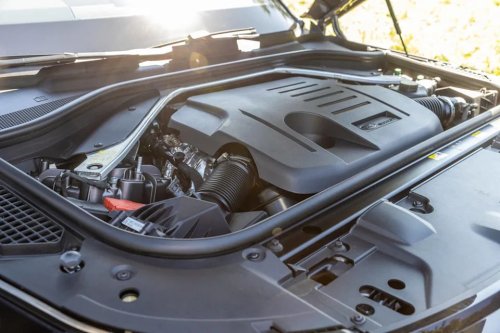
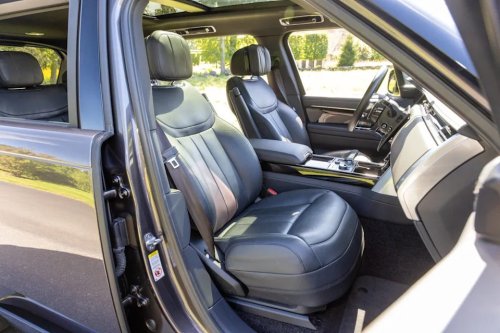
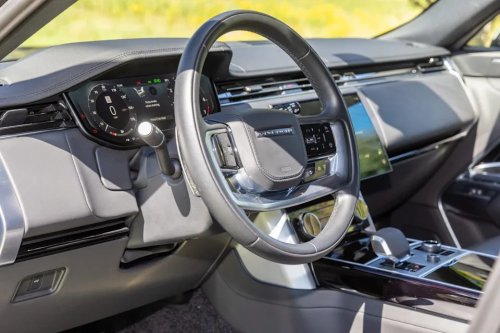
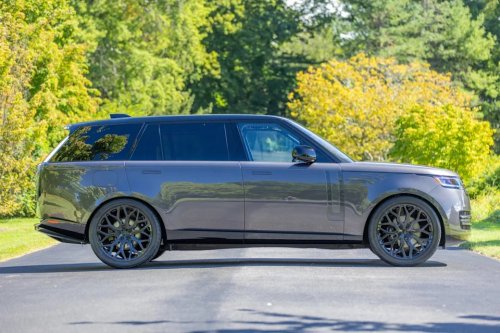
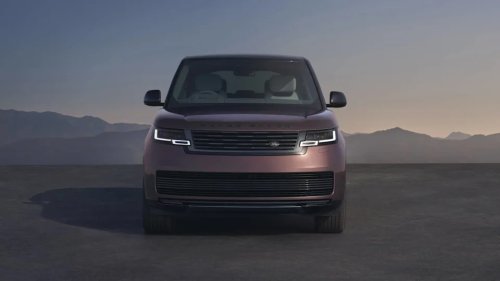
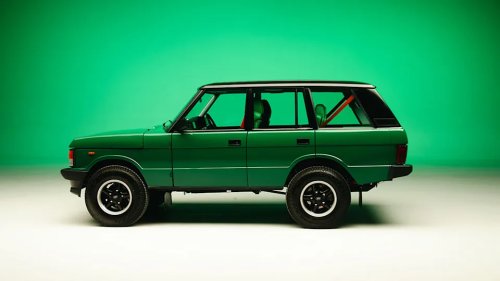
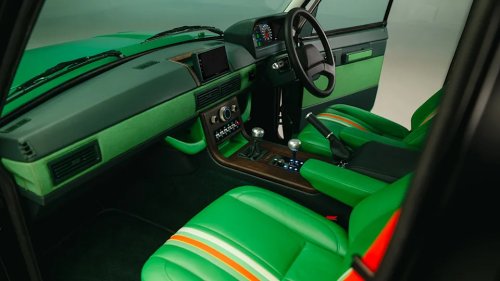
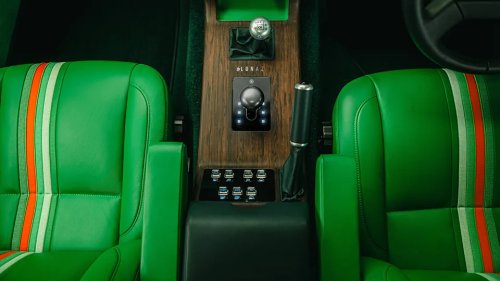
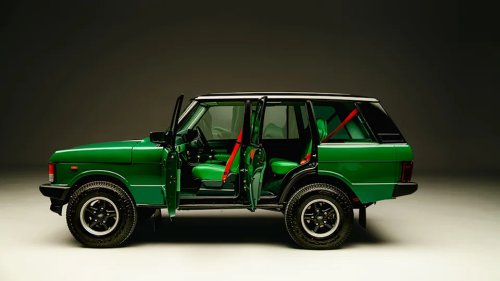
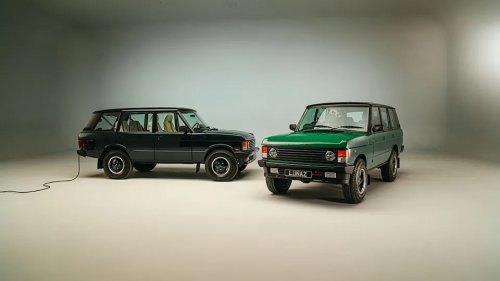
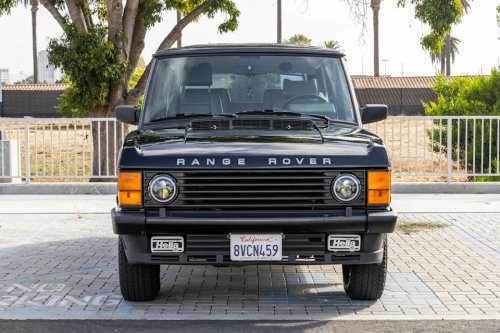
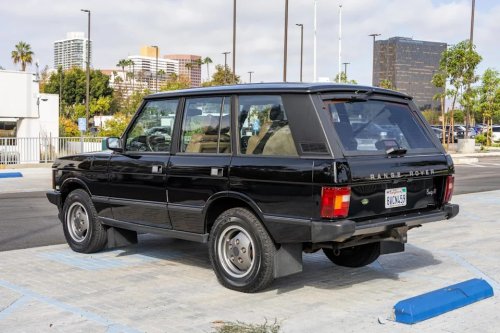
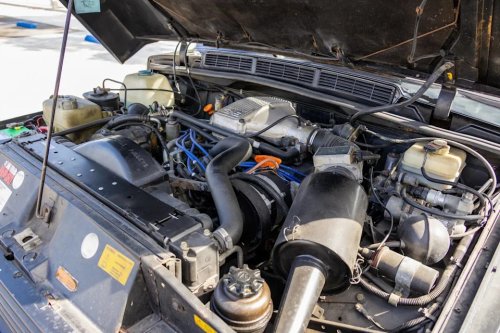
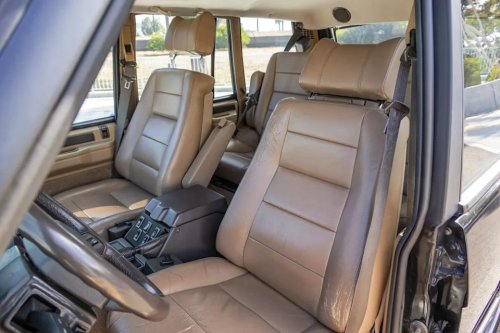
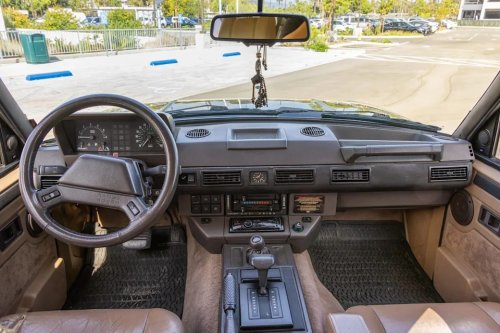
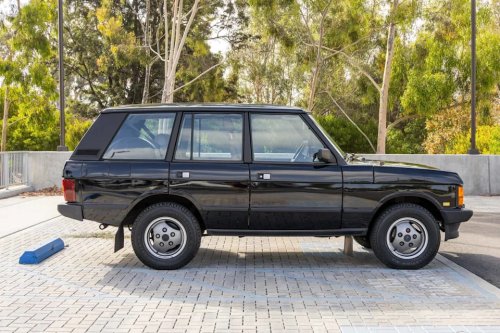
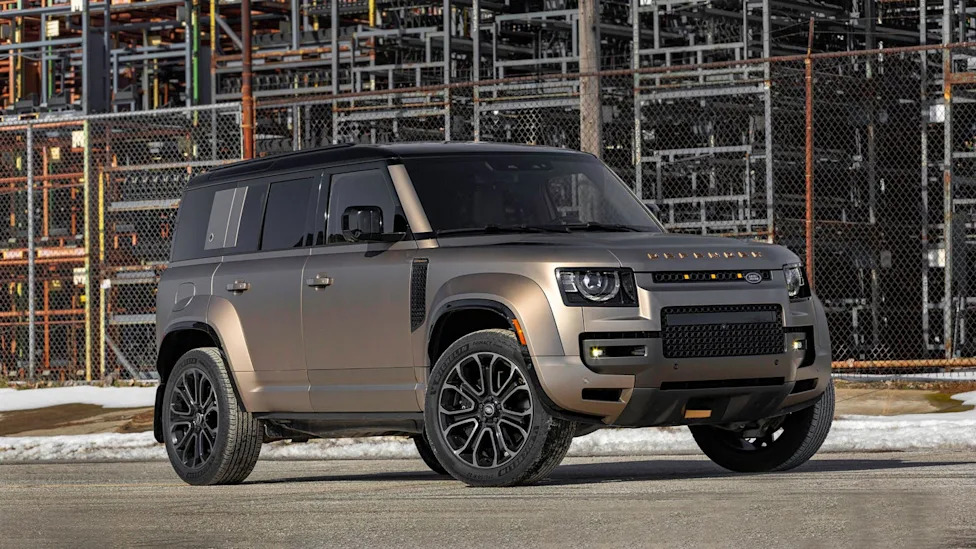
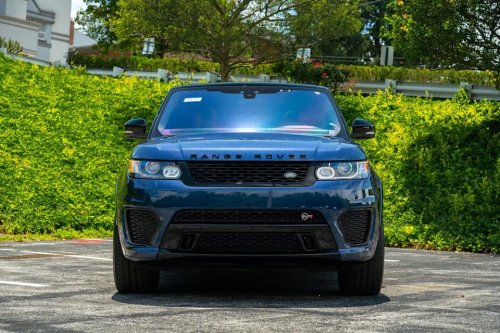
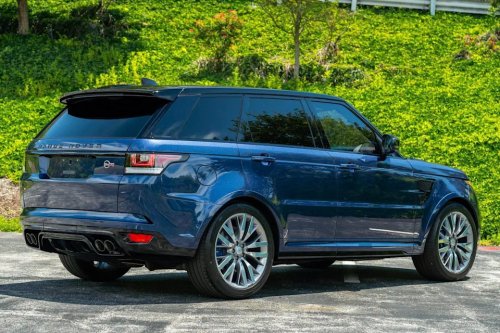
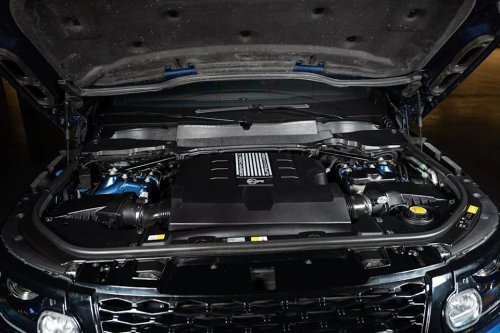
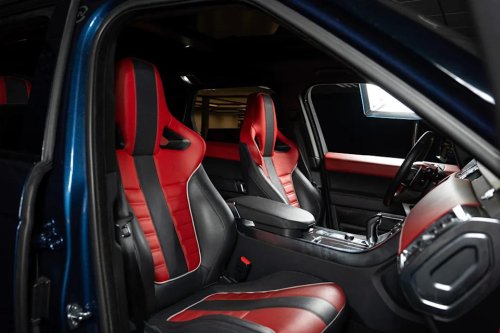
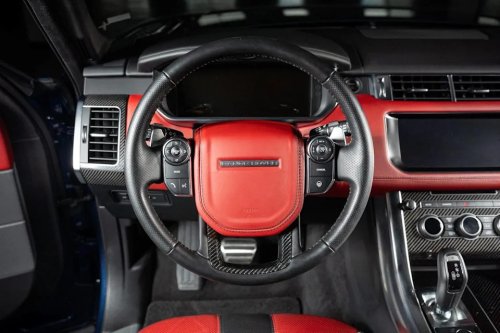
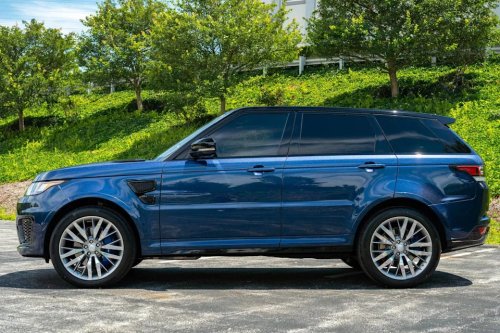
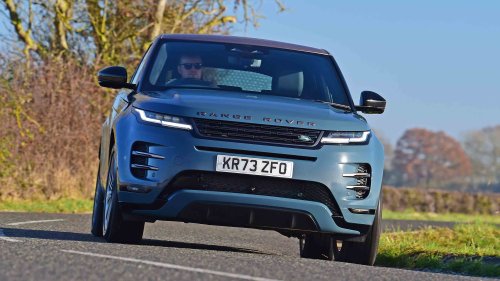
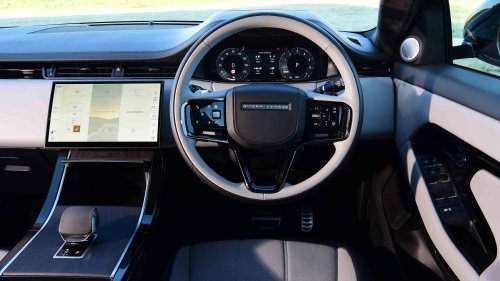
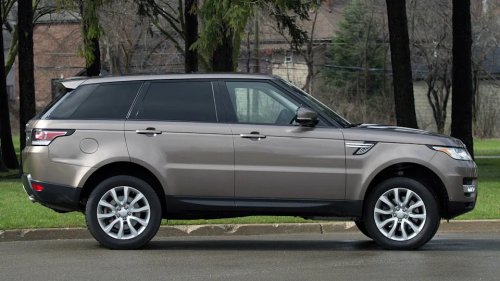
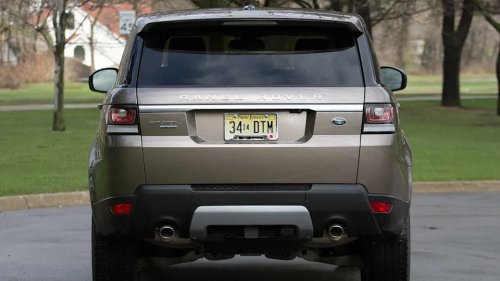
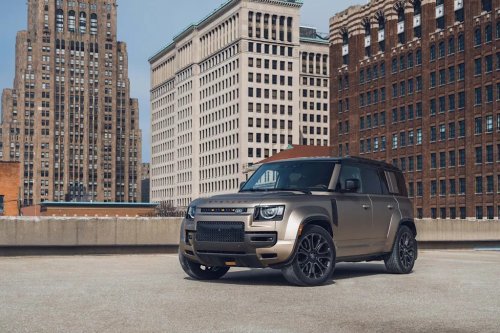
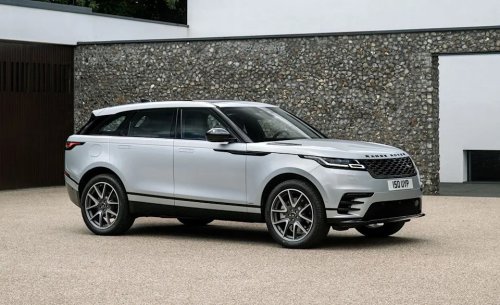
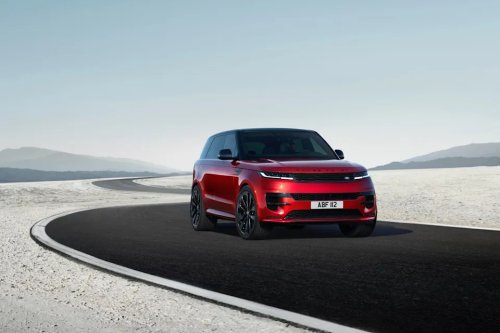
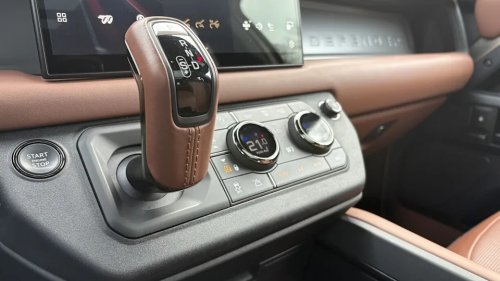
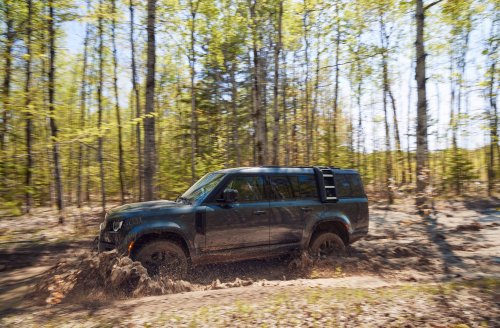
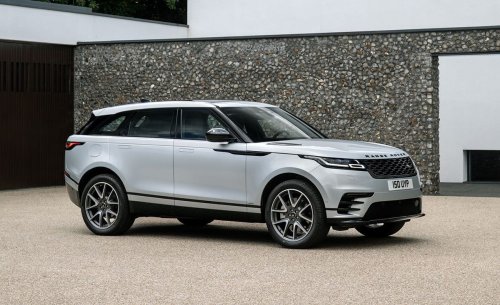
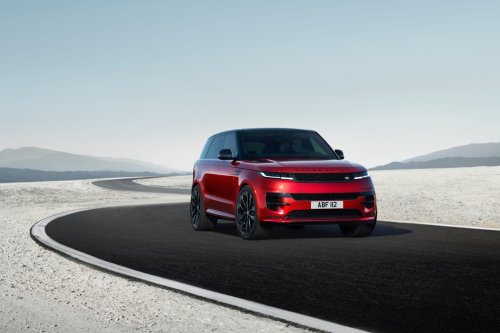
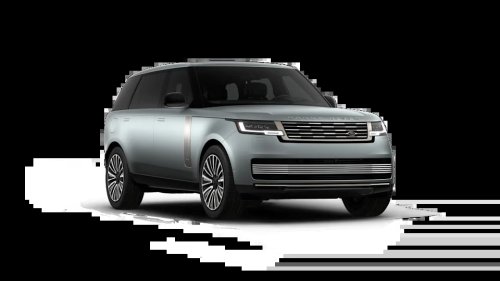
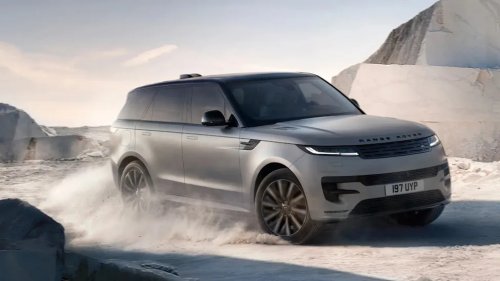
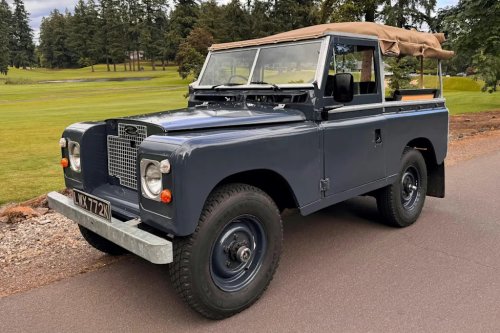
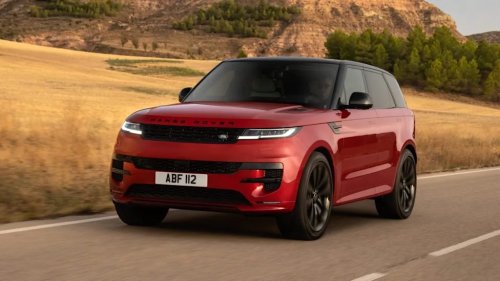
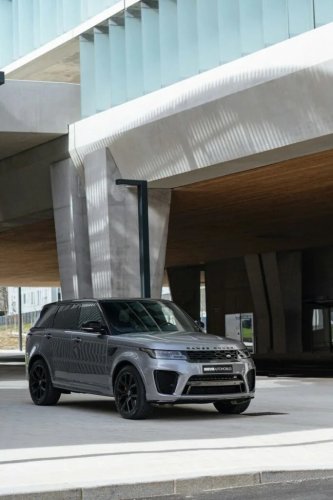
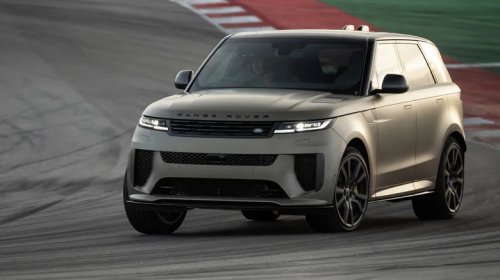
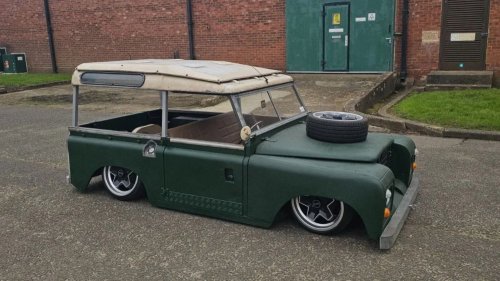
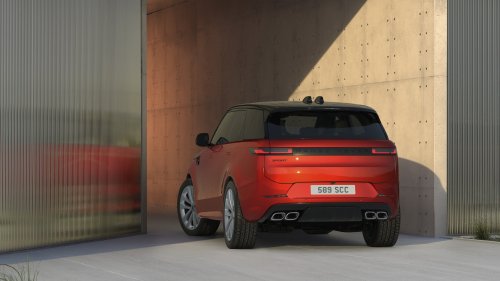
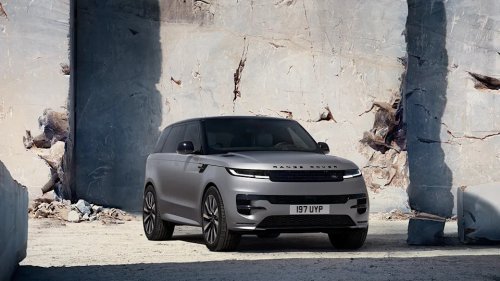
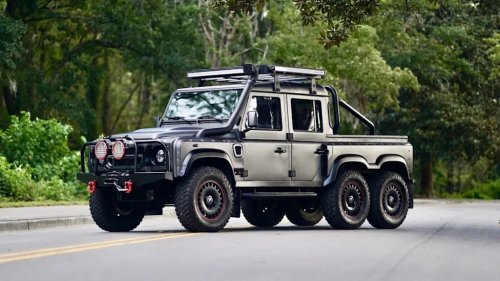
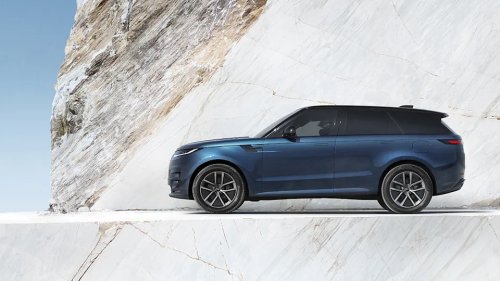
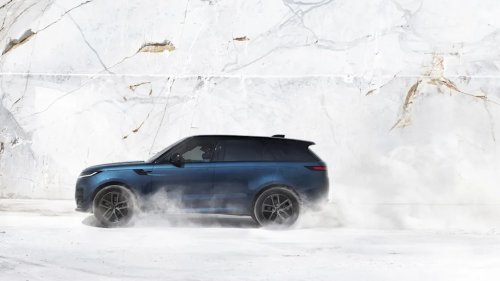
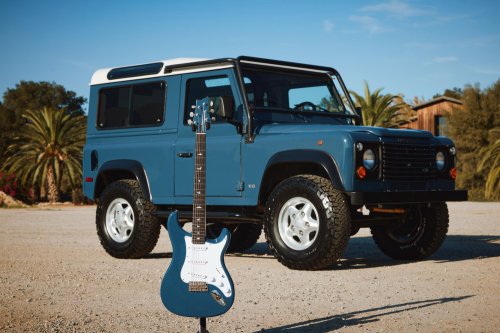
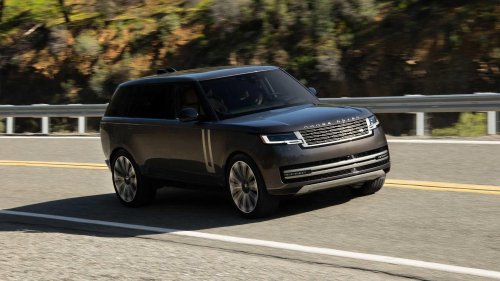
The Range Rover is a name that evokes both rugged terrain and refined luxury—a rare duality that no other SUV has managed to master quite as successfully. When it debuted in 1970, the original Range Rover was a utilitarian masterpiece engineered to conquer the harshest landscapes without sacrificing comfort. Over the decades, however, it evolved into something far more prestigious: a global icon of wealth, taste, and technological sophistication. From its early days climbing muddy hillsides to now gliding through upscale city streets, the Range Rover’s transformation is a story of innovation, cultural influence, and design evolution.What makes the Range Rover unique is its ability to seamlessly balance two seemingly opposing identities: that of a capable off-road workhorse and a luxurious status symbol. Its journey from a no-frills SUV to a flagship of automotive elegance is not just about added leather and tech—it’s about reimagining what an SUV could be. In this article, we’ll explore the engineering breakthroughs, cultural milestones, and bold design choices that helped turn a rugged off-roader into one of the most revered luxury vehicles on the road today.In order to give you the most up-to-date and accurate information possible, the data used to compile this article was sourced from Land Rover and other authoritative sources. Engineering Brilliance: Innovations That Set It Apart Early On Mecum Launched in 1970 by the British Leyland Motor Corporation, the first Range Rover was a game-changer. Unlike the utilitarian Land Rover Series models, it was designed to offer both off-road capability and on-road comfort. Its ladder-frame chassis with long-travel coil spring suspension allowed for serious articulation off the beaten path while still delivering a surprisingly smooth ride on tarmac. It was the first SUV to combine a permanent four-wheel-drive system with all-around disc brakes—technology rarely seen on off-road vehicles at the time.The Range Rover's 3.5-liter aluminum V8 engine, derived from Buick, also set it apart. It offered a level of power and refinement unheard of in the 4x4 world. The use of aluminum for the body panels kept the vehicle relatively light, improving both performance and efficiency. Meanwhile, the interior was spartan but well-thought-out, focusing on practicality rather than opulence. This balance between engineering robustness and thoughtful design earned the Range Rover early praise not just from the off-road community, but also from automotive journalists and enthusiasts across the globe.It wasn’t long before the Range Rover became the darling of agricultural elites and adventurers alike. Whether it was climbing the rugged Scottish Highlands or crossing the sands of the Sahara, the Range Rover proved to be a vehicle that could go virtually anywhere. Its ability to combine engineering innovation with mechanical simplicity created a new segment altogether—one that would eventually become the modern luxury SUV. Royal Approval: How Prestige Cemented The Range Rover’s Image 2006 Land Rover Range RoverIt’s one thing to be capable—it’s another to be seen as prestigious. The Range Rover found itself ascending the social ladder thanks in part to royal endorsement. Queen Elizabeth II and other members of the British Royal Family were frequently spotted in Range Rovers throughout the 1970s and 1980s, often during country retreats or official tours. The SUV’s ability to navigate muddy estates while providing a dignified ride made it the perfect vehicle for aristocratic utility.This royal association did more than simply elevate the Range Rover’s status in the UK. Globally, it became perceived as a vehicle fit for the elite. Its ruggedness was now seen as tasteful and desirable—a symbol of outdoor freedom coupled with dignified reserve. Celebrities, politicians, and high-ranking officials followed the monarchy’s lead, further reinforcing the Range Rover's burgeoning identity as a luxury statement.Land Rover capitalized on this perception with subtle, targeted marketing. They didn’t need to shout about performance specs; instead, they let the image speak for itself. The Range Rover became aspirational not just because of its capabilities, but because of who was driving it. In a world where perception is everything, royal approval proved to be one of the most powerful endorsements the Range Rover could have ever received. From Utility To Luxury: The Turning Point CarPixel By the time the 1990s rolled around, the SUV market was evolving, and so was the Range Rover. The launch of the second-generation model, the P38A in 1994, marked a pivotal shift. The boxy styling remained familiar, but the interior received a significant upgrade with walnut trim, leather upholstery, and electronically controlled air suspension. It was no longer just a utilitarian workhorse—it was now gunning for a more refined, high-end market.This era also introduced advanced comfort and convenience features such as automatic climate control, GPS navigation, and memory settings for seats and mirrors. The engineering focus began to split between off-road excellence and on-road sophistication. While it retained its ladder-frame architecture, the new Range Rover embraced technological refinement to a greater degree than ever before, creating an SUV experience that was both opulent and commanding.In essence, the 1990s solidified the Range Rover’s identity as a luxury vehicle. No longer content with being the best off-roader, it aimed to be the best all-around SUV—one that could sit comfortably next to a Mercedes-Benz S-Class or a BMW 7 Series in a wealthy suburban driveway. This ambition paid off, and the Range Rover began to dominate a segment it helped create. Tech-Heavy And Trend-Setting: The Modern Era Of Range Rover Design Land RoverFast-forward to the 2000s and beyond, and the Range Rover continued to push the boundaries of what a luxury SUV could be. Under BMW's ownership in the early 2000s, the third-generation L322 model was born—complete with an unibody chassis that improved rigidity and handling. The refinement was unmistakable: from air-suspended ride quality to the hush of the cabin, it felt closer to a private jet than an off-roader.Design-wise, the Range Rover took cues from modern architecture: clean lines, flush surfaces, and an upright stance that projected strength without aggression. Touchscreen infotainment systems, surround-view cameras, and semi-autonomous driving tech entered the scene, placing the Range Rover at the bleeding edge of automotive innovation. Despite its continued focus on comfort and connectivity, the Range Rover never abandoned its off-road heritage, maintaining hill descent control, adjustable terrain response systems, and impressive water-wading capability.Today’s fifth-generation L460 model exemplifies how far the brand has come. It rides on the MLA Flex architecture, offers up to 523 horsepower from a twin-turbo V8, and features a cabin dressed in sustainable luxury materials like ceramic controls and wool blends. It also supports all-electric driving through a plug-in hybrid powertrain, pointing to a future where Range Rover remains both environmentally conscious and exquisitely crafted. In every way, it’s the SUV that defines 21st-century luxury. 2025 Land Rover Range Rover P530 SE Specifications Performance Meets Comfort: Balancing Power With Plush Land Rover While many luxury vehicles sacrifice capability for comfort, the Range Rover has always sought to balance both. Modern iterations come equipped with high-output engines ranging from silky inline-six units to thunderous V8s, capable of propelling this sizable SUV to 60 mph in under five seconds. Yet, it's never just about raw speed. These engines are tuned for quiet strength, and paired with adaptive dynamics, they deliver a ride that’s remarkably composed regardless of terrain.Suspension systems have evolved from simple coil springs to advanced air suspension with dynamic ride control, allowing the Range Rover to float over imperfections while maintaining body control in corners. Off-road, it can raise its ride height and distribute torque intelligently between all four wheels, while on-road, it lowers itself for better aerodynamics and fuel economy. It's this dual personality that allows it to dominate both dirt tracks and expressways with equal poise.Inside, comfort is redefined with every generation. Rear passengers can now enjoy reclining executive seats with massage functions, individual climate zones, and deployable entertainment screens. Up front, the cabin is ergonomically masterful, featuring intuitive controls, haptic feedback, and tactile materials. From the hand-stitched leather to the whisper-quiet NVH levels, every element inside a Range Rover is designed to coddle the occupants while the machine beneath them flexes its muscles discreetly. Icon Status Secured: Why The Range Rover Remains The Ultimate Luxury SUV Land Rover The Range Rover’s staying power is no accident. It has become an icon because it continuously redefines the category it helped invent. Where rivals come and go, the Range Rover evolves with a clarity of purpose—blending performance, elegance, and versatility in a package that appeals to both old money and new wealth. Its design cues have inspired everything from compact crossovers to full-size SUVs attempting to mimic its stately silhouette.But beyond its looks and features, the Range Rover represents a unique lifestyle proposition. It’s not just a vehicle—it’s an experience, a status symbol that doesn’t need to shout. Whether you’re pulling up to a five-star hotel or navigating remote trails, the Range Rover brings with it an unspoken sense of authority. It carries an aura of sophistication while retaining the grit of its roots—a balance few, if any, competitors manage to strike as convincingly.As the automotive industry pivots to electrification, the Range Rover is once again at the forefront with plug-in hybrid models and a full EV version on the horizon. Its commitment to innovation without abandoning heritage ensures its relevance in the years to come.
























 +34 others