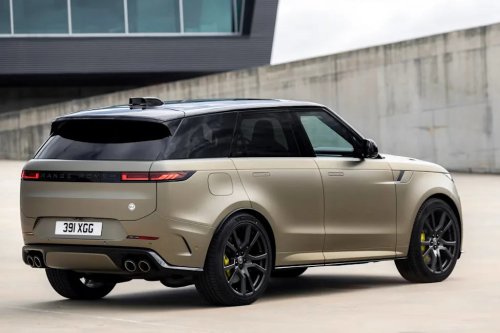
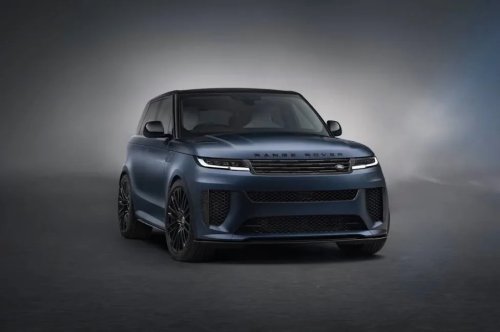
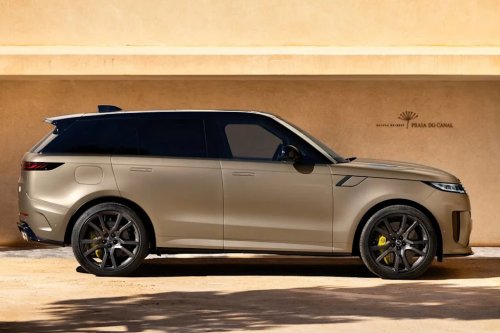
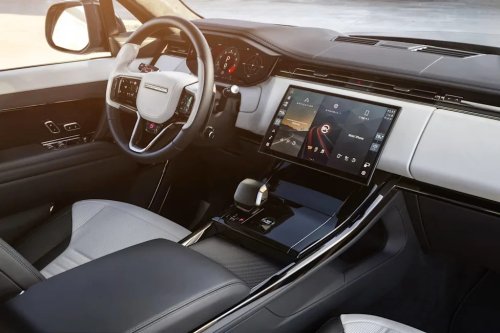
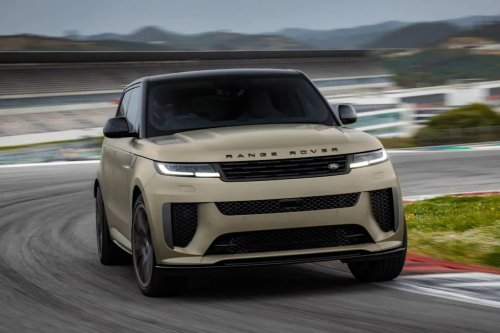
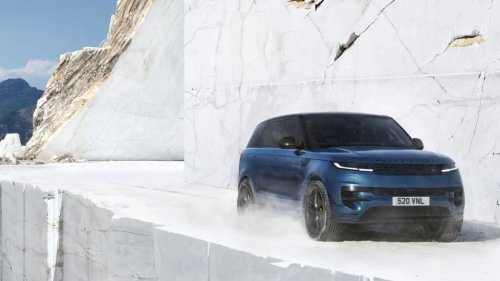
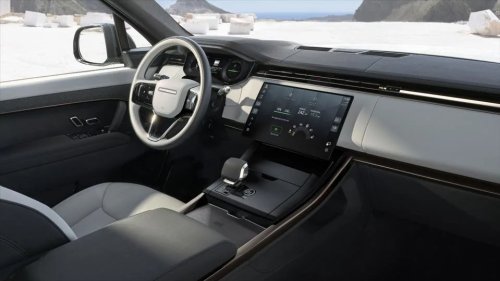
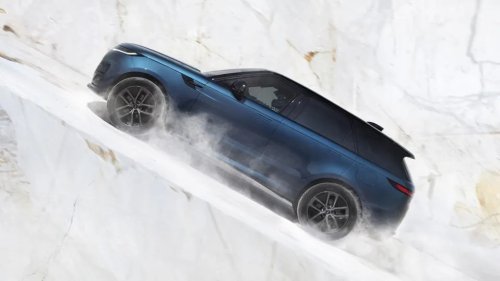
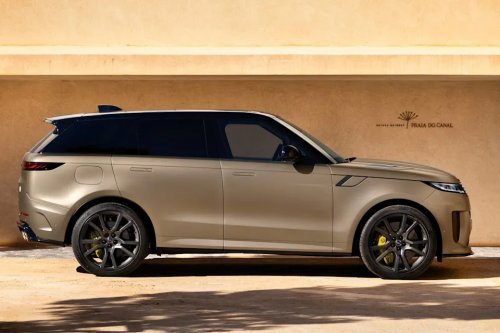
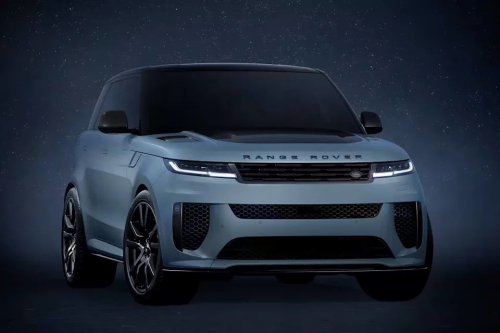
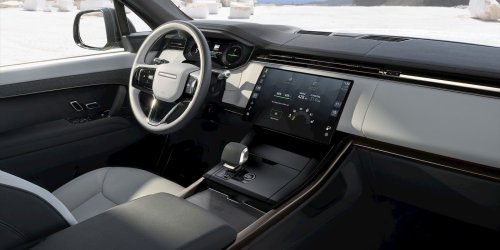
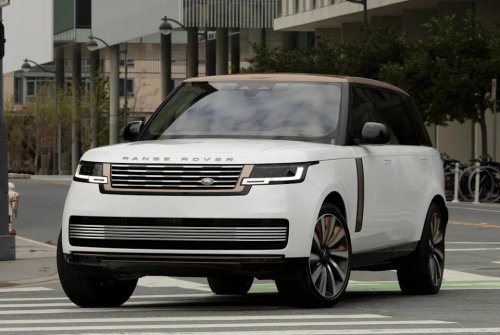
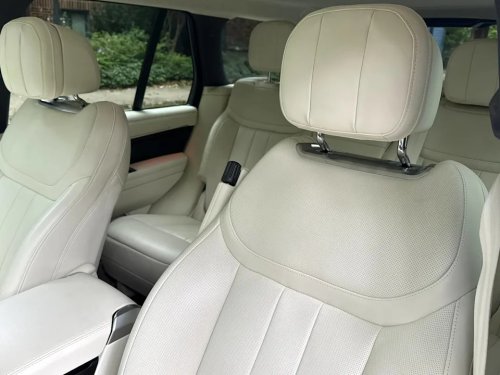
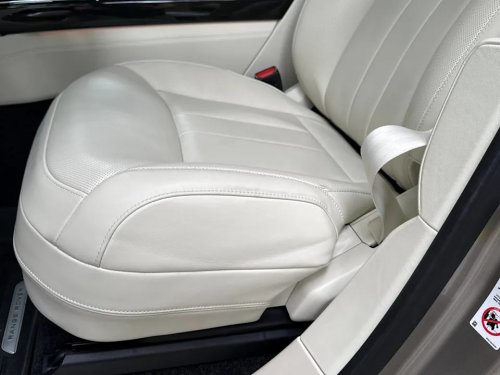
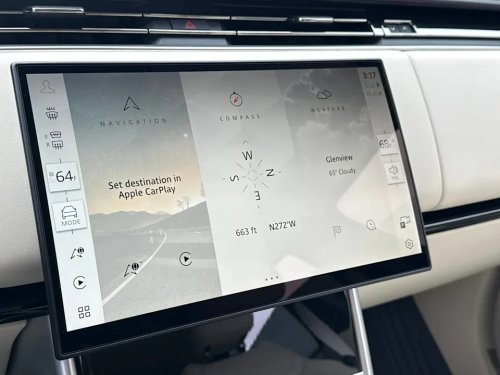
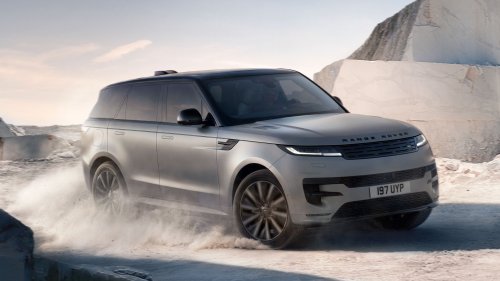
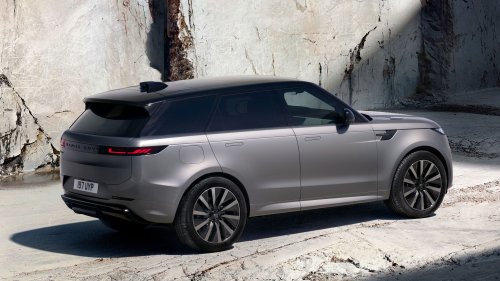
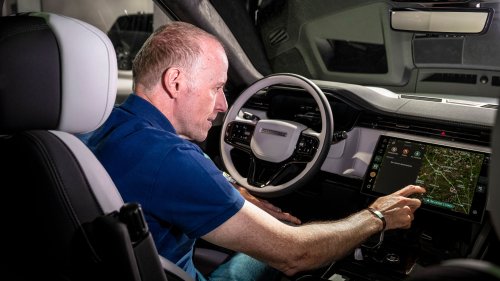
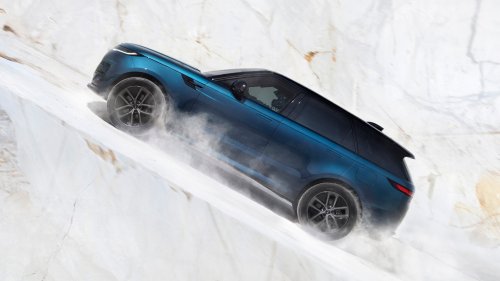
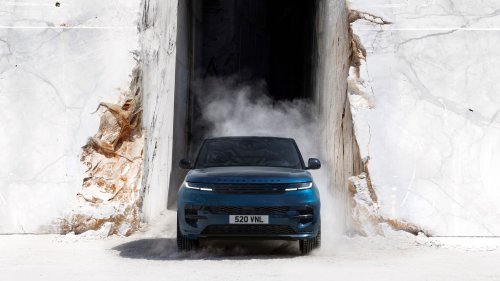
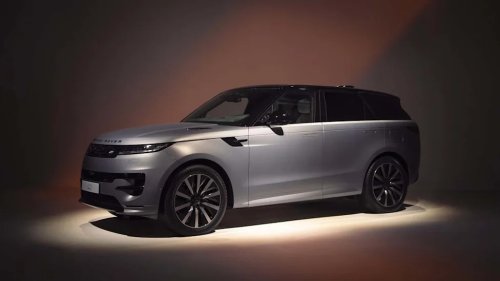
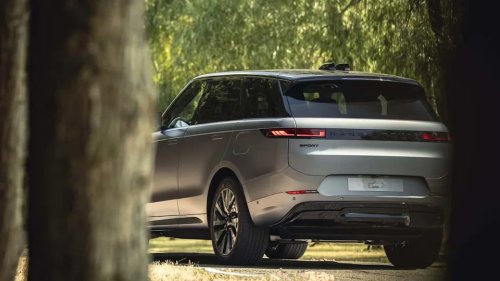
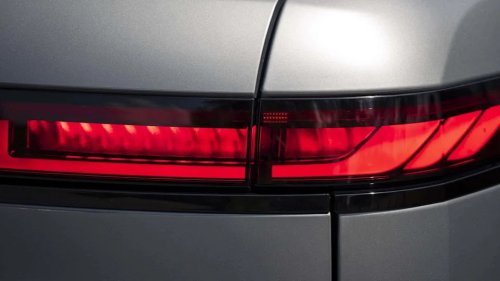
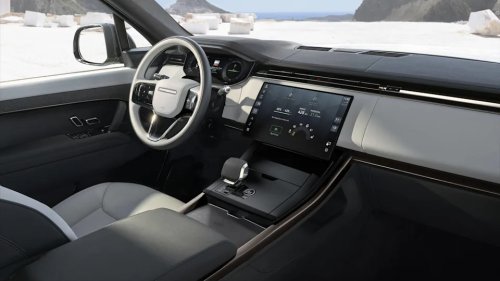
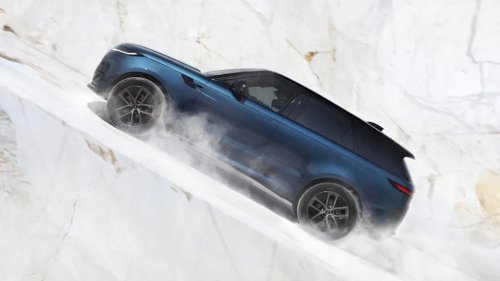
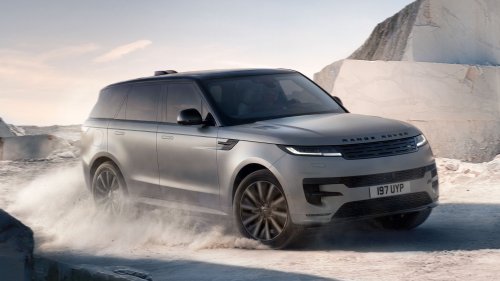
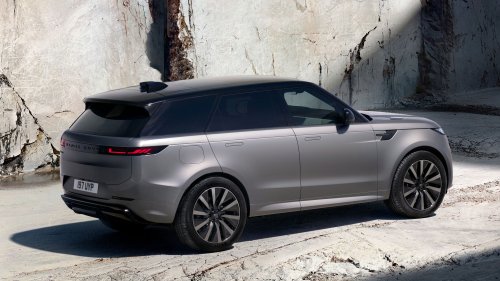
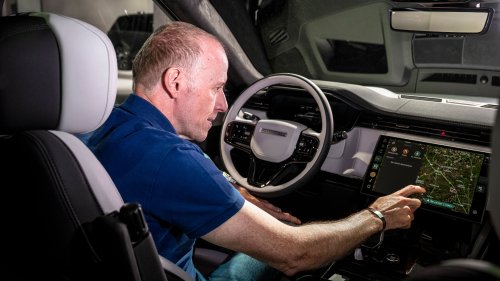
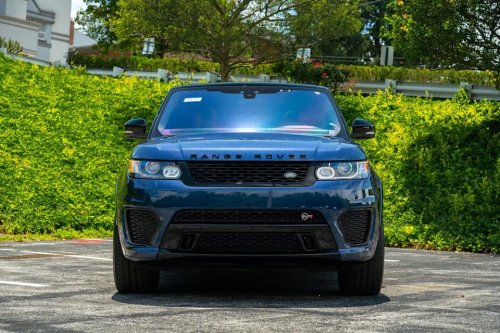
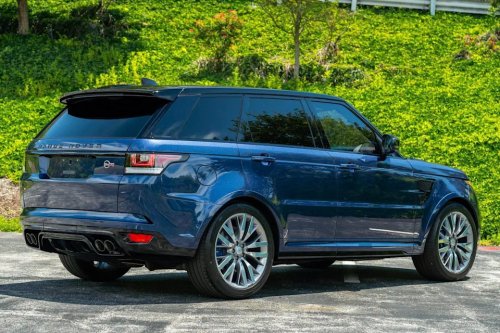
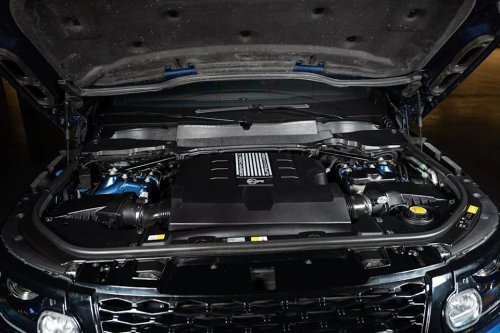
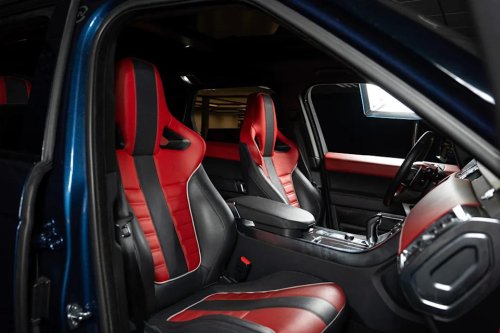
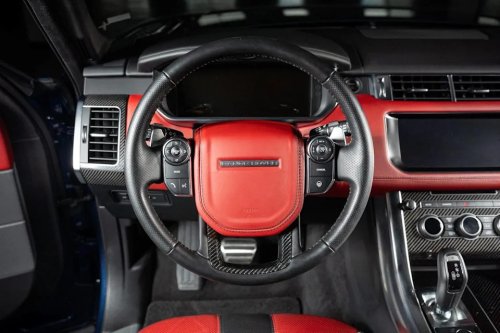
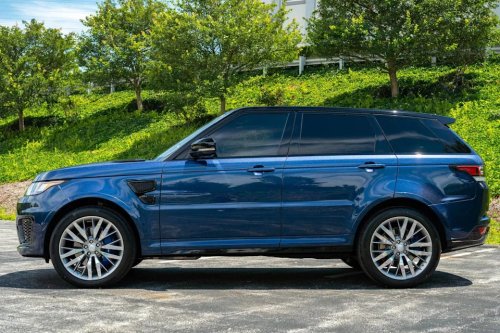
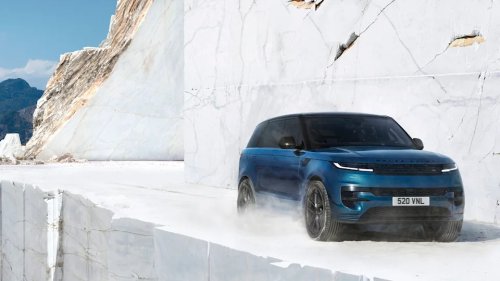
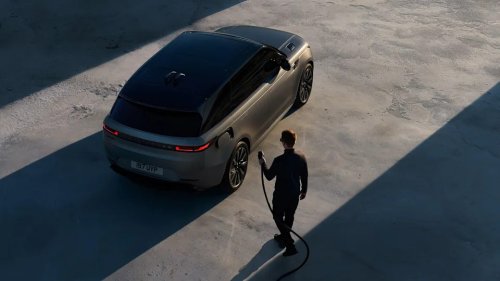
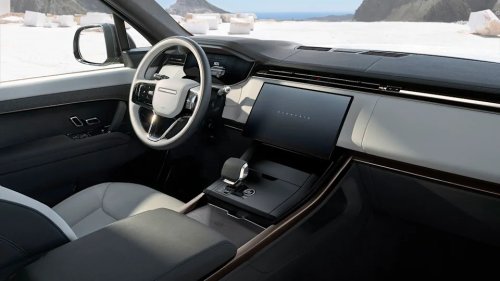
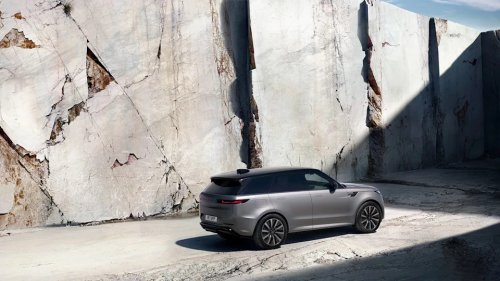
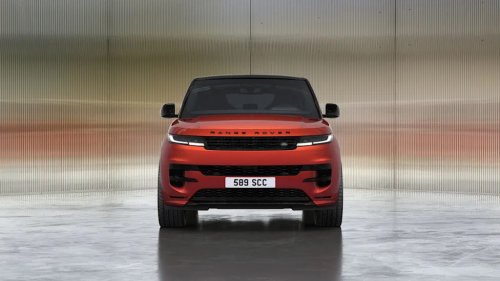
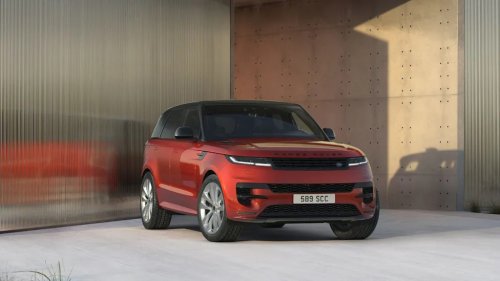
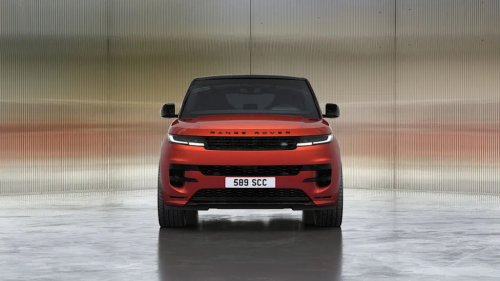
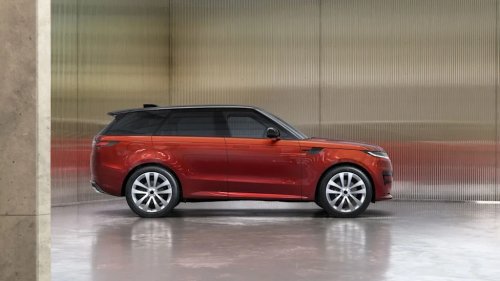
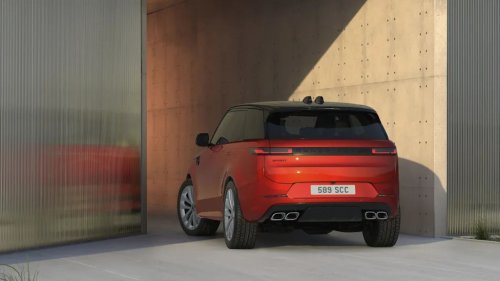
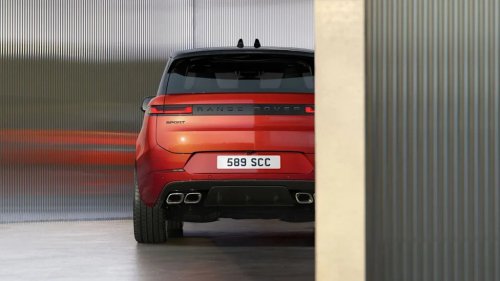
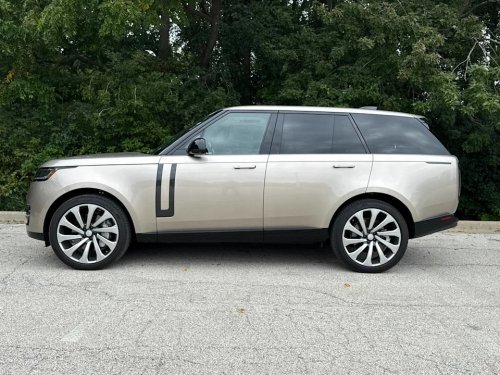
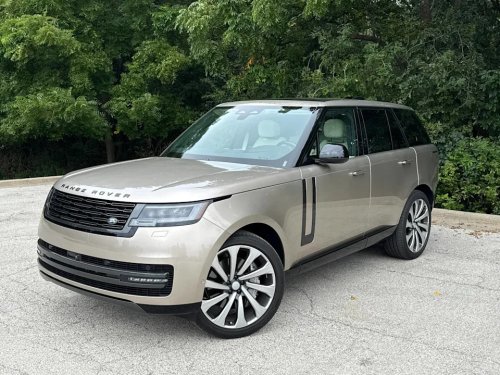
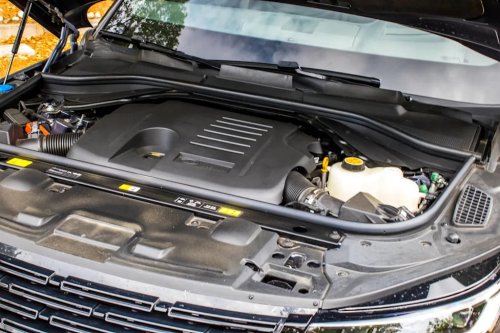
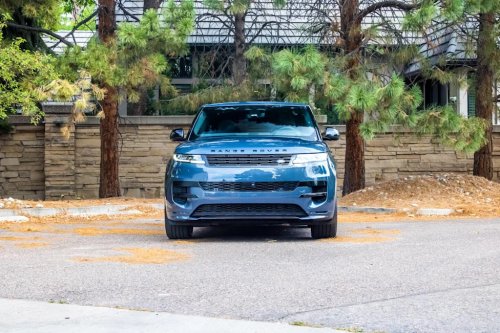
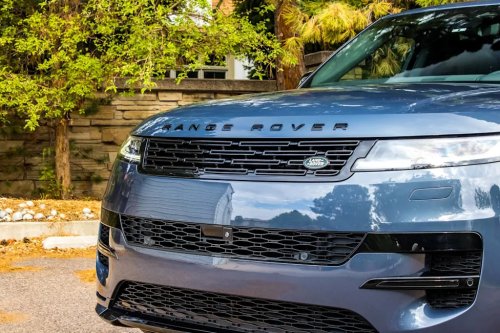
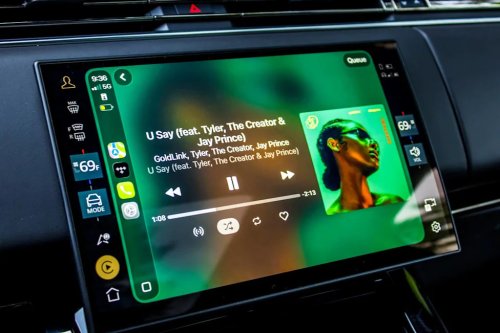
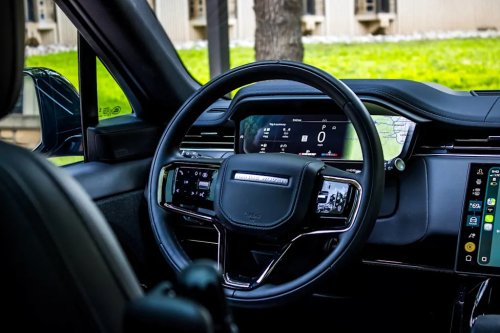
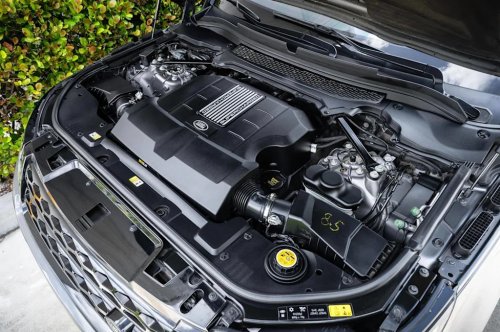
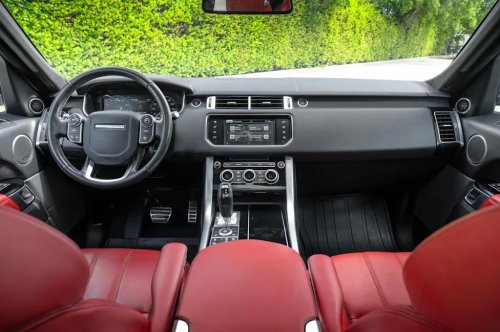
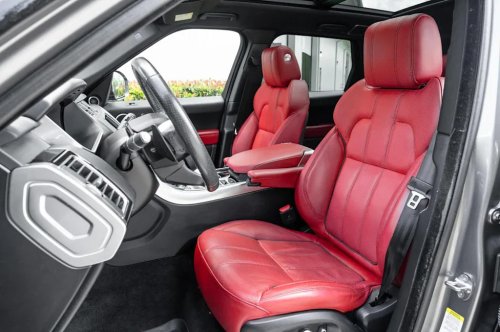
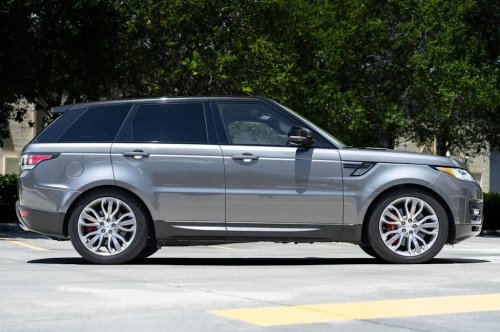
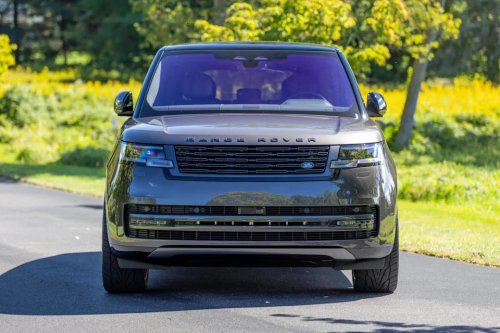
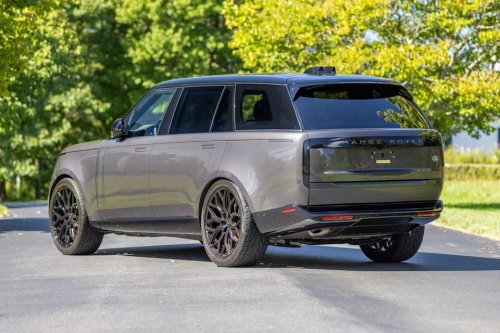
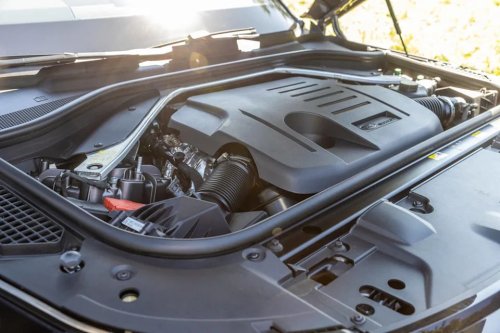
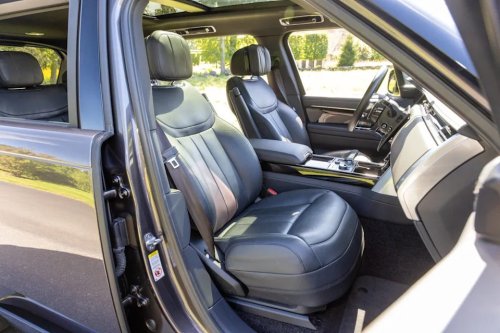
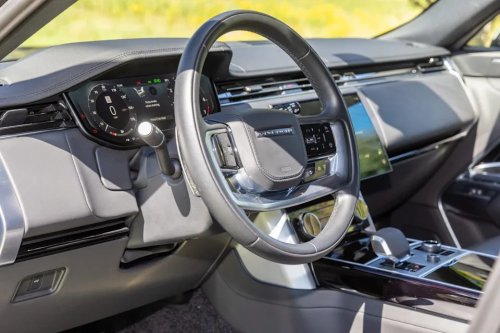
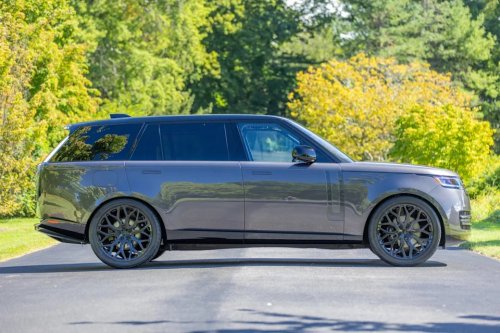
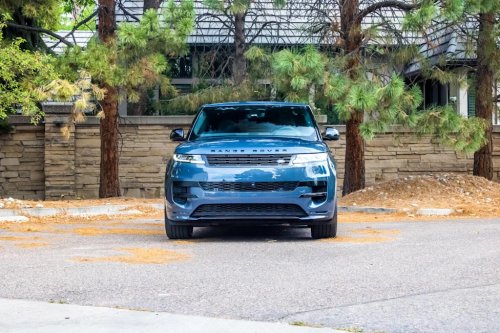
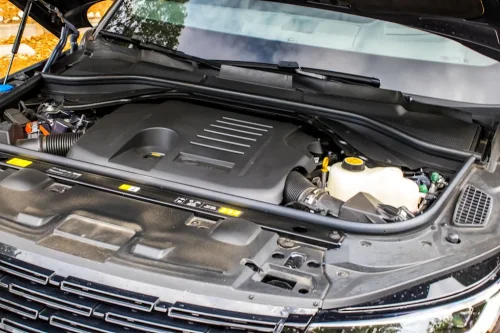
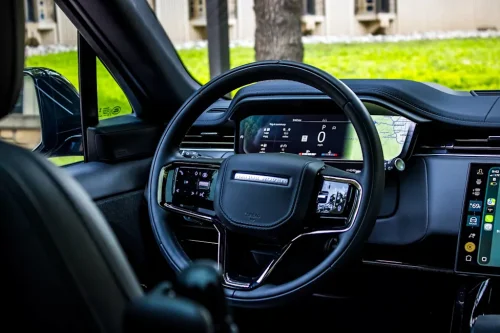
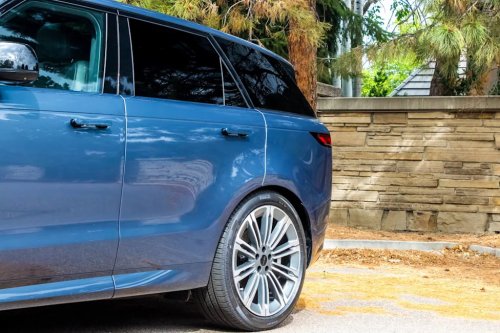
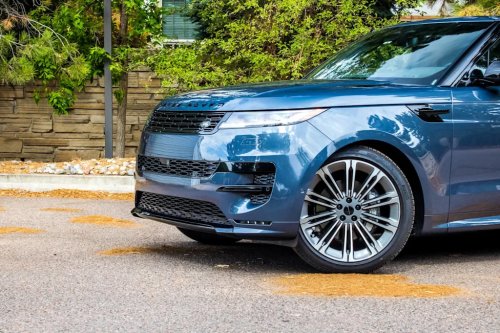
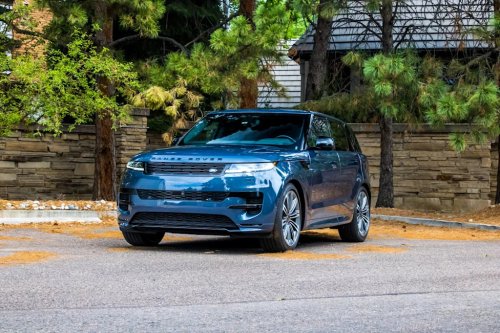
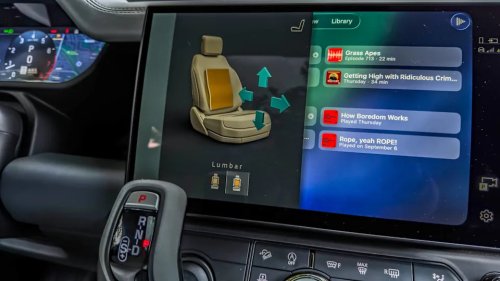
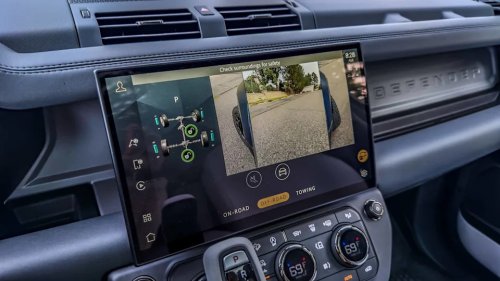
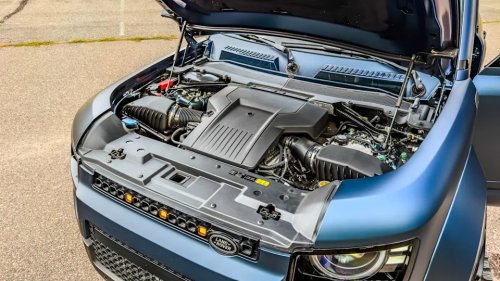
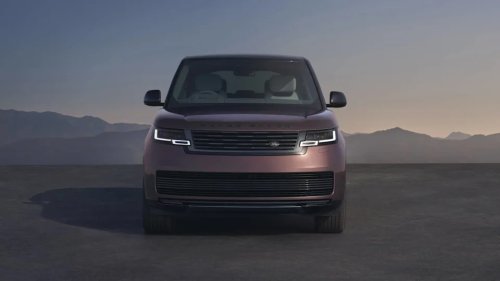
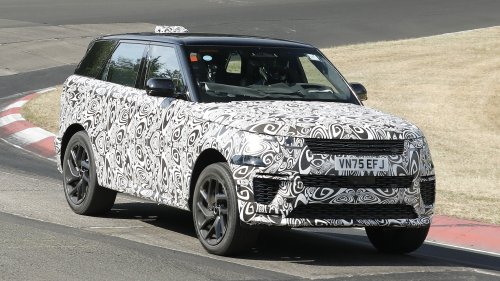
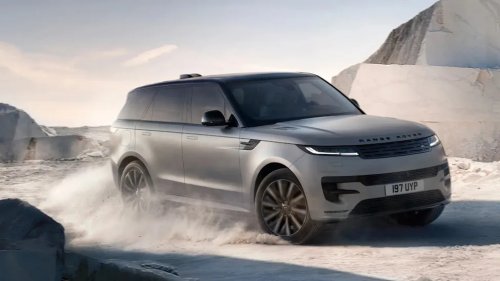
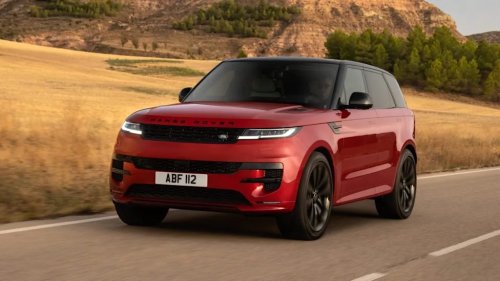
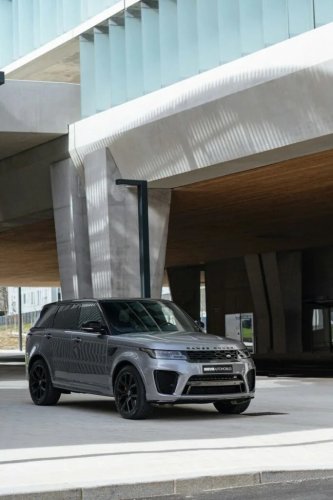
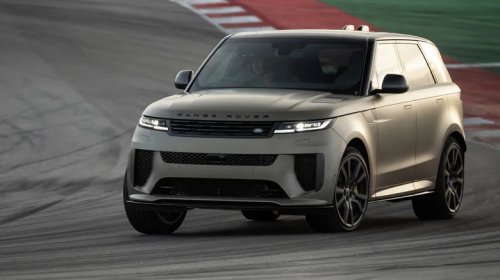
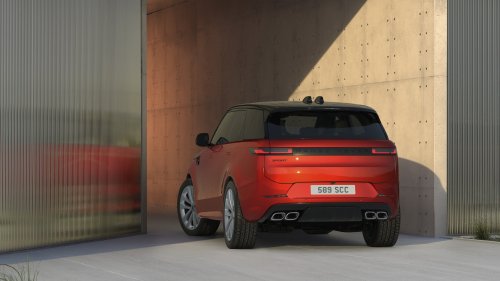
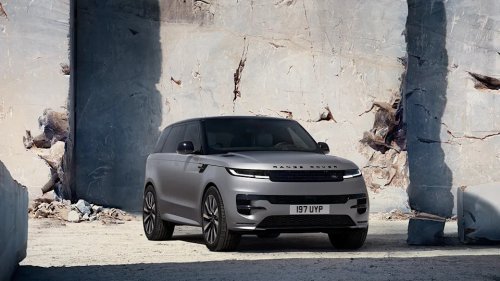
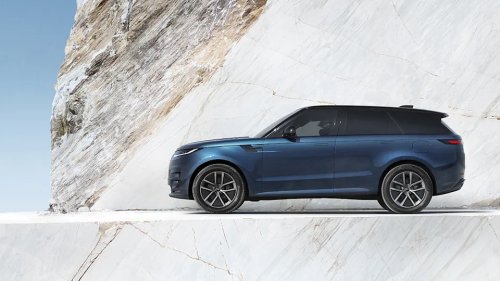
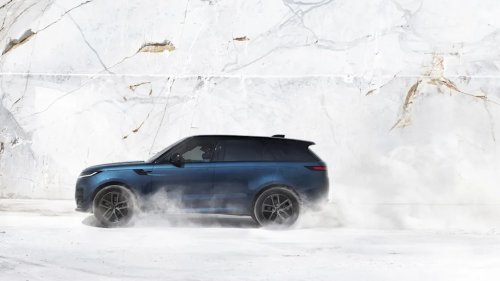
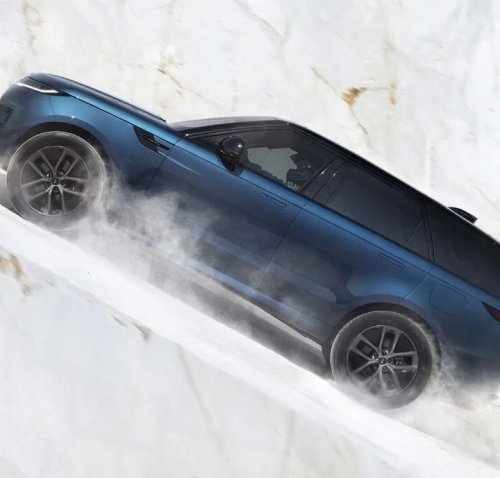
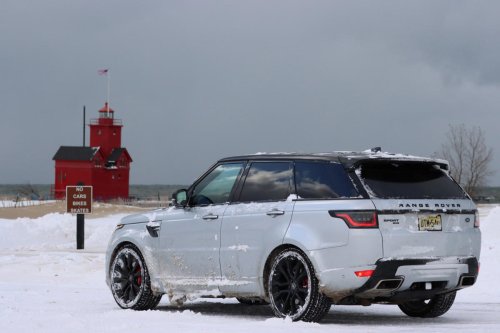
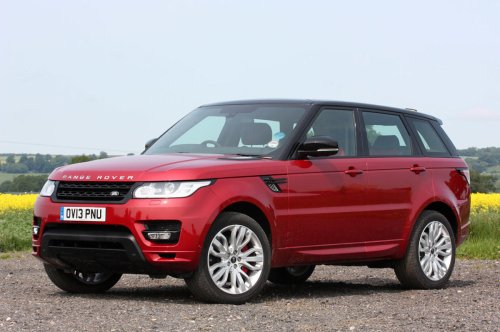
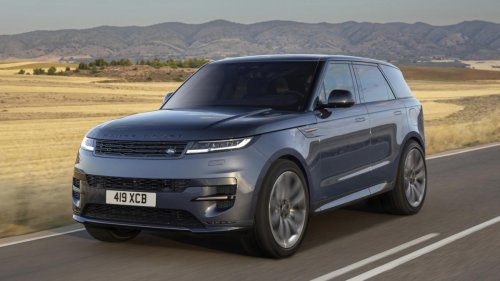
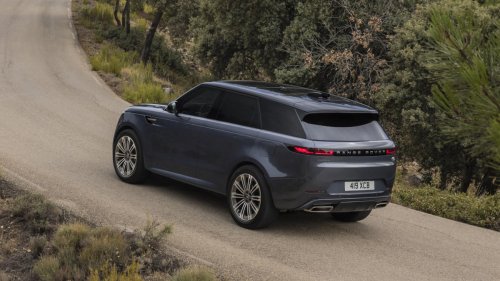
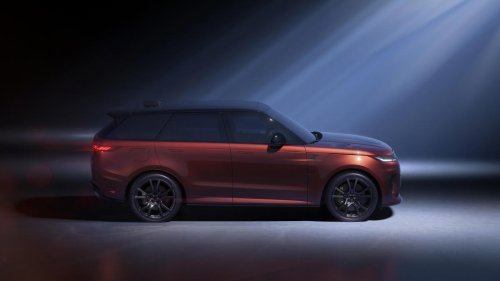
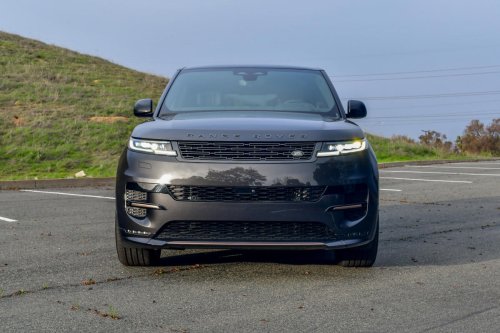
The 2021 Range Rover Sport depreciates at 64% over five years, according to CarEdge. It means a $102,000 SUV sheds roughly $65,000 in value before you've finished paying it off. And the depreciation that steep doesn't come from nowhere. It comes from a repair reputation that follows every Range Rover Sport off the lot like a check engine light you can't clear. But reputation and reality don't always align. The Range Rover Sport has improved meaningfully across its last two generations, and some model years are genuinely worth owning. The trick is knowing which ones. Here's what 10 years of data from J.D. Power, RepairPal, Consumer Reports, NHTSA, and owner forums actually reveal. The L494 generation (2014–2022): luxury and its consequencesThe second-generation Range Rover Sport moved to the aluminum-intensive D7u platform shared with the full-size Range Rover, transforming the vehicle. It rode better, weighed less, and felt like a legitimate luxury competitor rather than a Discovery in a better suit. J.D. Power gave the L494 a quality and reliability score that hovered around the low-to-mid 70s out of 100 across most model years, ranging from 72 to 76. That's below the luxury segment average but not catastrophic. The What Car? Reliability Survey placed the L494 third out of eight luxury SUVs, with a 92.6% reliability score and a 22% fault rate. Most faults centered on the brakes and engine, and most were resolved within a day.01-2014-range-rover-sport-fd-jpg The supercharged V8 and the 3.0L V6 (both supercharged and turbocharged variants) earned reputations as the more durable powertrains. Service techs on forums consistently report that the V8 runs clean at high mileage, with intake valves showing less carbon buildup than comparable BMW engines. The V6 supercharged is similarly well-regarded when maintained on schedule. The 2.0L four-cylinder Ingenium engine is a different story. Timing chain stretch, turbocharger failures, and piston-cooling-jet solenoid issues plague these models, particularly from 2017 to 2018. The diesel V6 (TDV6/SDV6) carries a well-documented crankshaft failure risk, a manufacturing defect in early batches that never fully disappeared.The L461 generation (2023–present): better, but it’s still earlyThe third-generation Range Rover Sport arrived in 2023 on the new MLA-Flex platform, with a completely redesigned interior and a powertrain lineup that leans heavily on mild-hybrid inline-six engines. Early ownership reports are cautiously optimistic. JLR dealer sources report fewer issues with the L461 than with the L494, and the build quality is noticeably tighter. But "fewer issues" doesn't mean "no issues." First-year 2023 models brought touchscreen freezes, with some owners experiencing unresponsive displays at delivery with fewer than 25 miles on the odometer. The 2023 model year has accumulated four NHTSA recalls, including one for armrest latch failures and another for taillight malfunctions. The 2025 model year has already been recalled three times, covering seatbelt buckle defects, gear shift indicator failures caused by moisture in the module, and sunroof trim that detaches. The PHEV variant, the P510e, has introduced its own complications. The PHEV variant, the P510e, has introduced its own complications. The plug-in hybrid pairs a 3.0L twin-turbo inline-six with a 105kW electric motor, and the complexity shows. Owners have reported AdBlue dosing faults, exhaust temperature sensor errors, and software issues that require dealer-level tools to resolve.J.D. Power gives the current Range Rover Sport a quality and reliability score of 76 out of 100. Consumer Reports predicts the 2025 model will be "less reliable than other new cars," based on Land Rover's brand history.Air suspension: the $4,000 questionEvery Range Rover Sport comes with air suspension, and every Range Rover Sport owner will eventually reckon with that fact. The system delivers the ride quality that justifies the price tag, and it is the single most expensive thing that will break on the vehicle. RepairPal estimates the average cost to replace one air spring at just over $1,700. The air compressor replacement runs between $2,086 and $2,172. If the whole system goes, you're looking at a bill that can easily climb past $4,000, and that's at an independent shop. Dealership rates are higher. The failure mode is predictable: rubber bladders dry-rot and crack over time, the compressor overworks trying to compensate, height sensors get damaged by road debris, and eventually the dash lights up with "Suspension Fault: Normal Height Only." It's not a question of if but when, and on L494 models past 80,000 miles, the answer is usually soon. Some owners convert to coilover suspension to escape the cycle entirely. It works, but you sacrifice the adaptive ride that makes the Sport a Sport.The electrical system: Land Rover's oldest demonLand Rover's electrical problems are so persistent that they've become part of the brand identity, and that's not a compliment. Across the L494 generation, owners report infotainment screen freezes, rearview camera failures (multiple NHTSA recalls cover 2018–2022 models), door latch malfunctions (over 65,000 Sport models were recalled for 2014–2016 keyless entry defects), and phantom warning light cascades. The 2019–2023 models were recalled for blocked cam carrier oil channels that could cause engine oil leaks and potential fire risk. The PHEV variants from 2019–2022 were recalled for coolant leaking onto turbocharger heat shields, another fire hazard. These aren't forum complaints. They're NHTSA safety recalls, documented and numbered.2026-range-rover-sport-sv-carbon-1 What the data actually saysRepairPal gives the Range Rover Sport a 2.5 out of 5 reliability rating and ranks it 10th out of 19 luxury full-size SUVs. Average annual repair costs run $1,179, slightly above the $1,127 segment average and nearly double the $652 all-vehicle average. Owners average 0.7 unscheduled repair visits per year, and 16% of those repairs qualify as severe.Consumer Reports predicts below-average reliability for the 2025 model. The 2022 model year alone carries seven NHTSA recalls. Land Rover as a brand ranks near the bottom of every major reliability survey, finishing 27th out of 31 manufacturers in What Car?'s brand rankings. None of this should surprise anyone who has priced out an air spring or waited three weeks for a back-ordered door latch module. The data confirms what the forums have said for years: the Range Rover Sport is a magnificent vehicle to drive and an expensive one to keep driving. The verdict: what to buy, what to skip, and what to budget forIf you're buying new or nearly new, a 2024 L461 with the P400 inline-six is the safest bet, ideally certified pre-owned with warranty coverage. On the used side, a 2018–2020 L494 with the supercharged V6 or V8 hits the sweet spot of proven powertrain, heavy depreciation savings, and predictable maintenance. Steer clear of the Ingenium four-cylinder and diesel V6 in any year, the 2014–2015 L494 models with their crankshaft failure risk, and any PHEV variant unless you have warranty backing and a dealer you trust.
















 +17 others