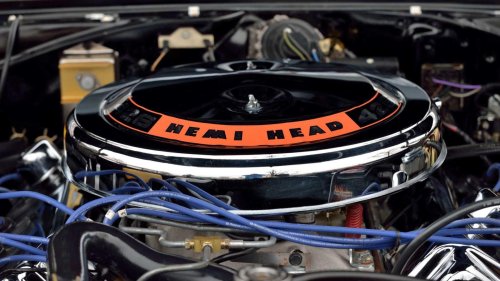
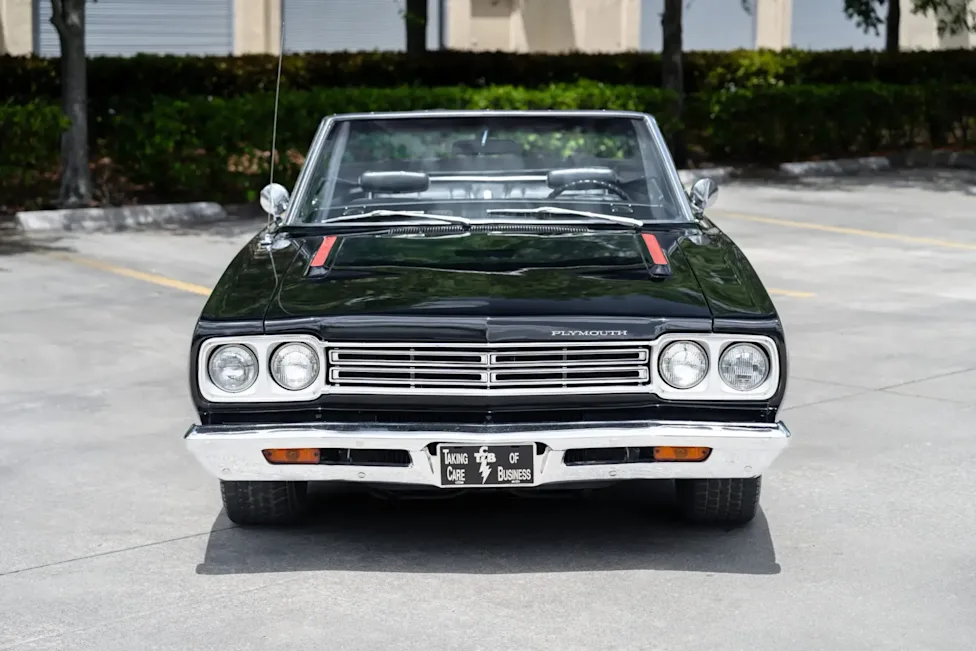
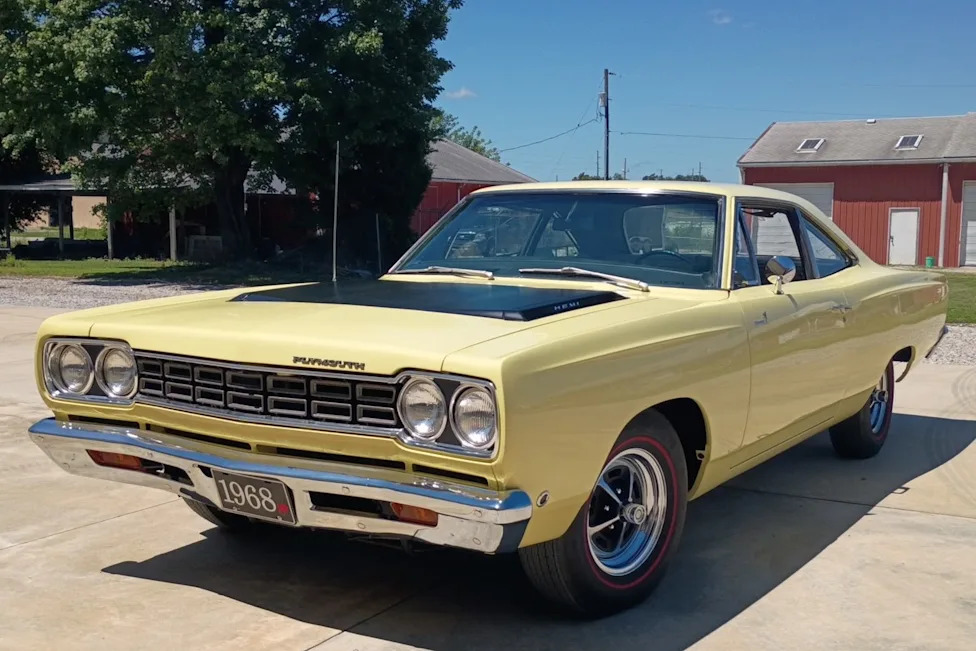
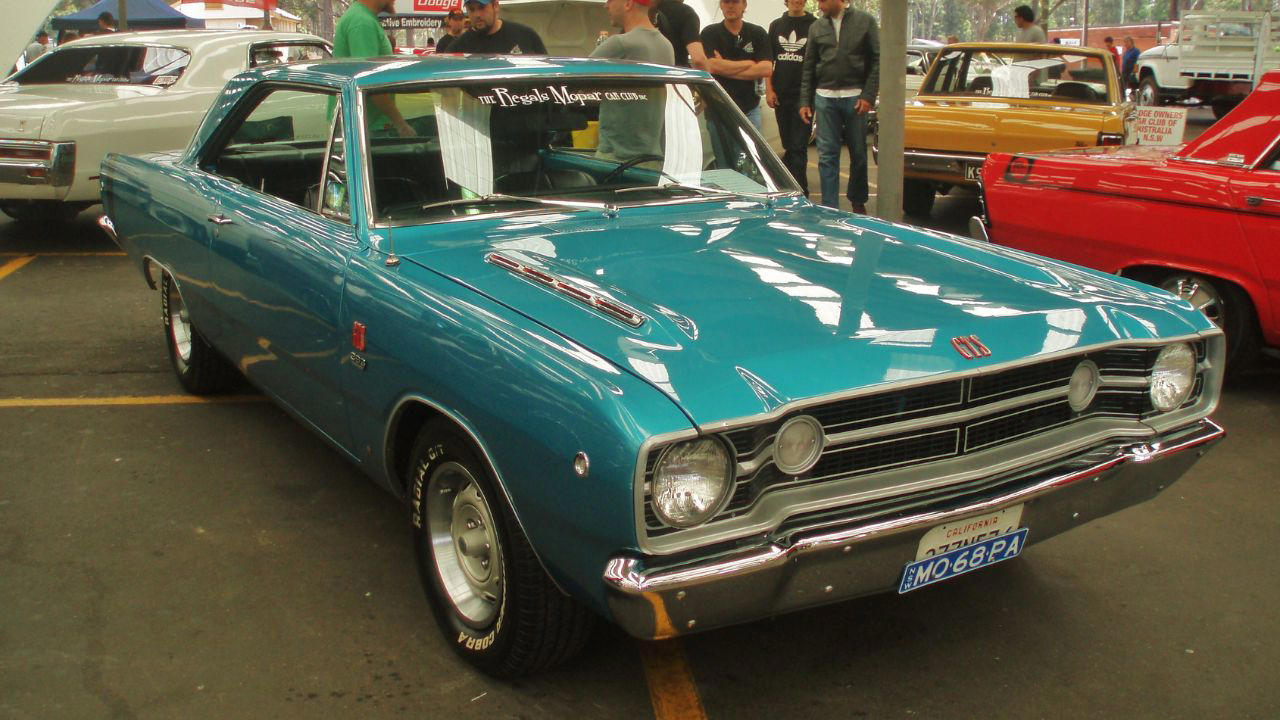
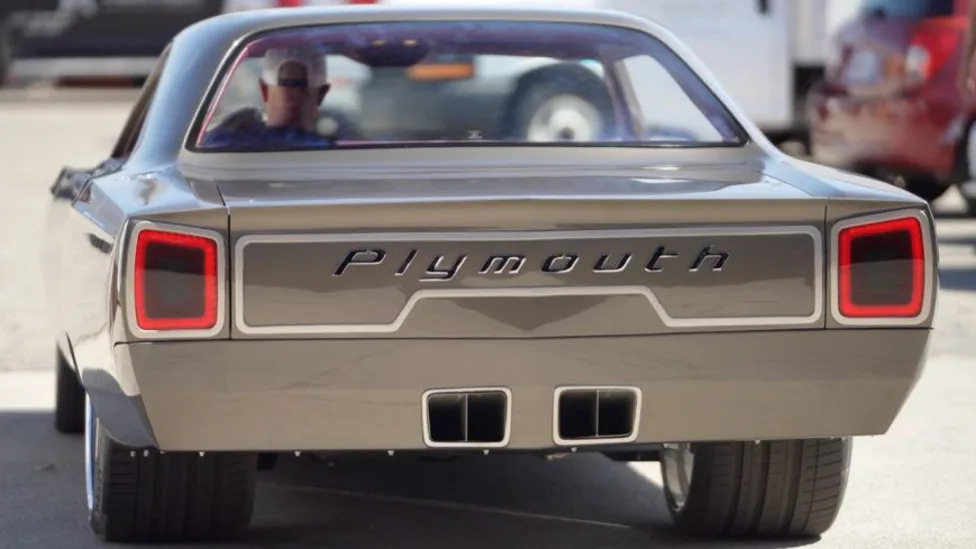
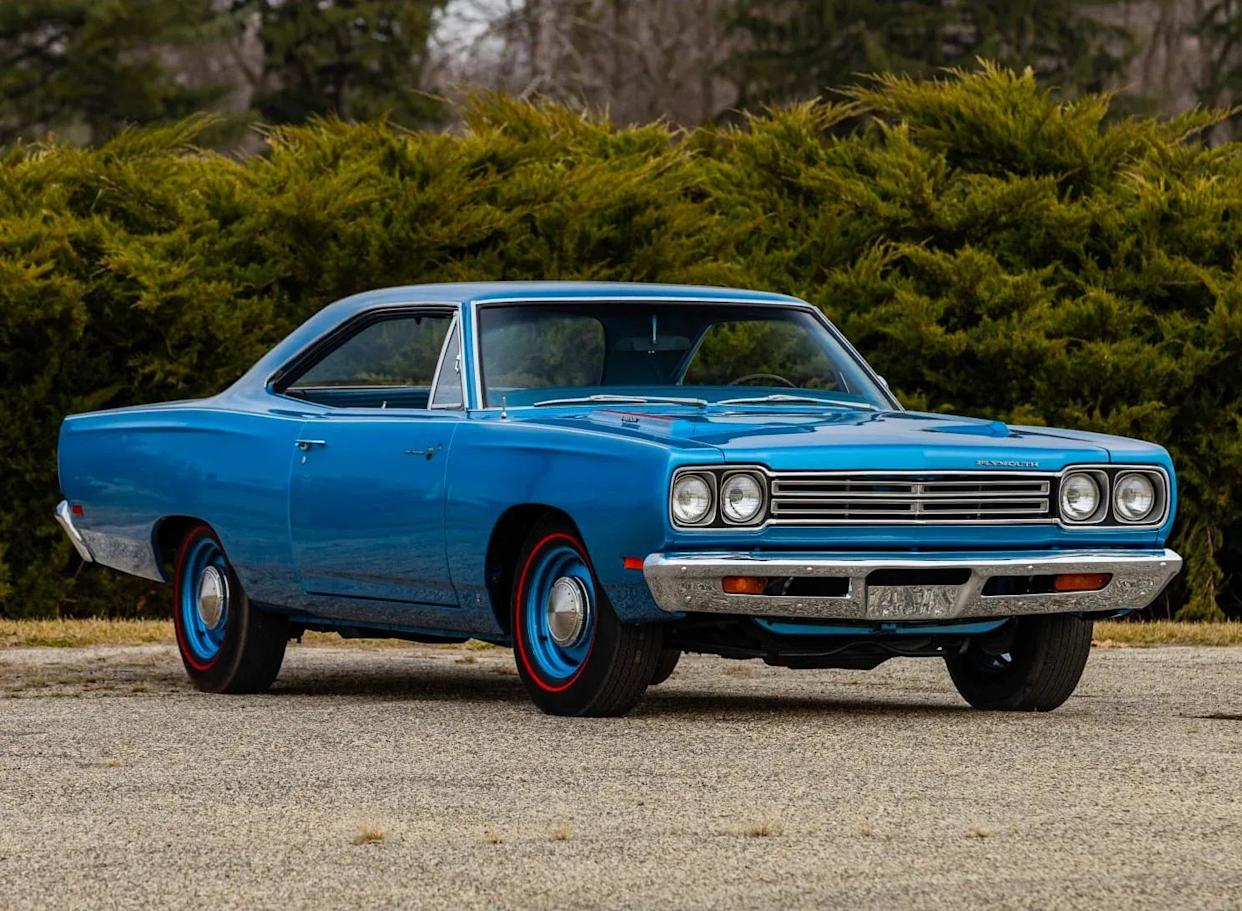
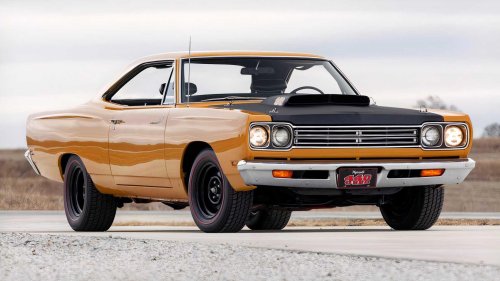
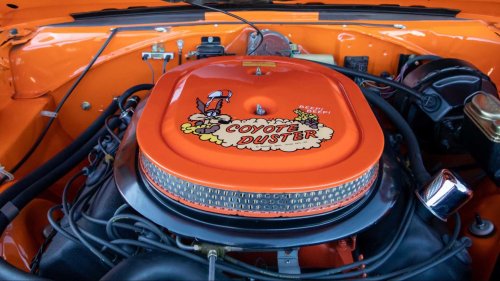
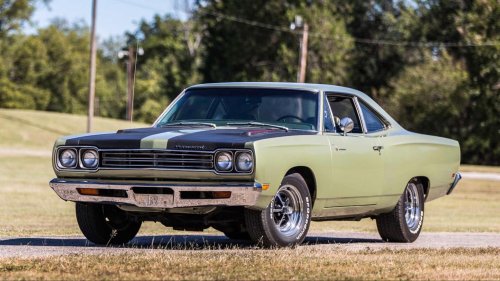
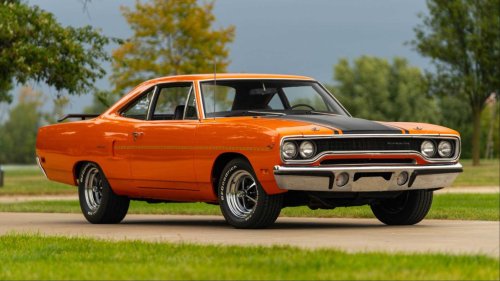
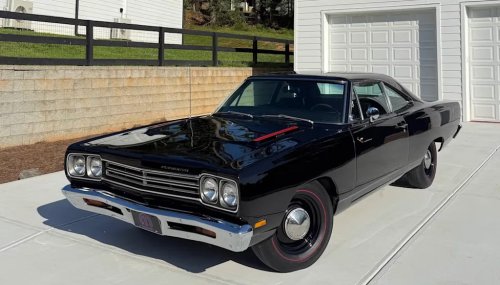
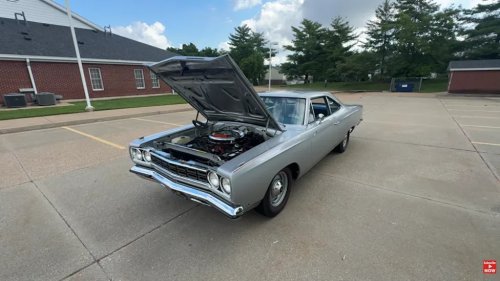
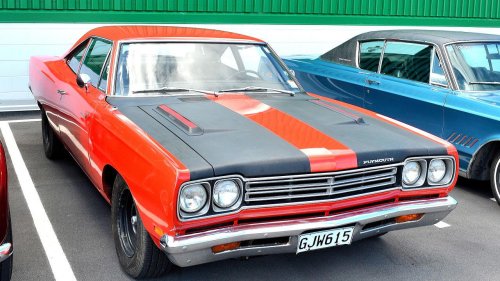
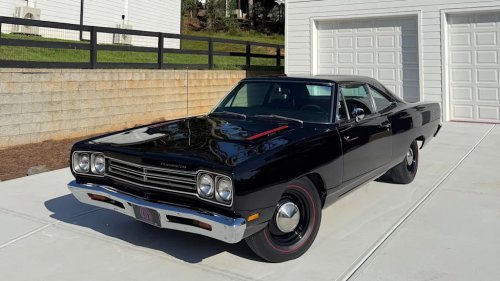
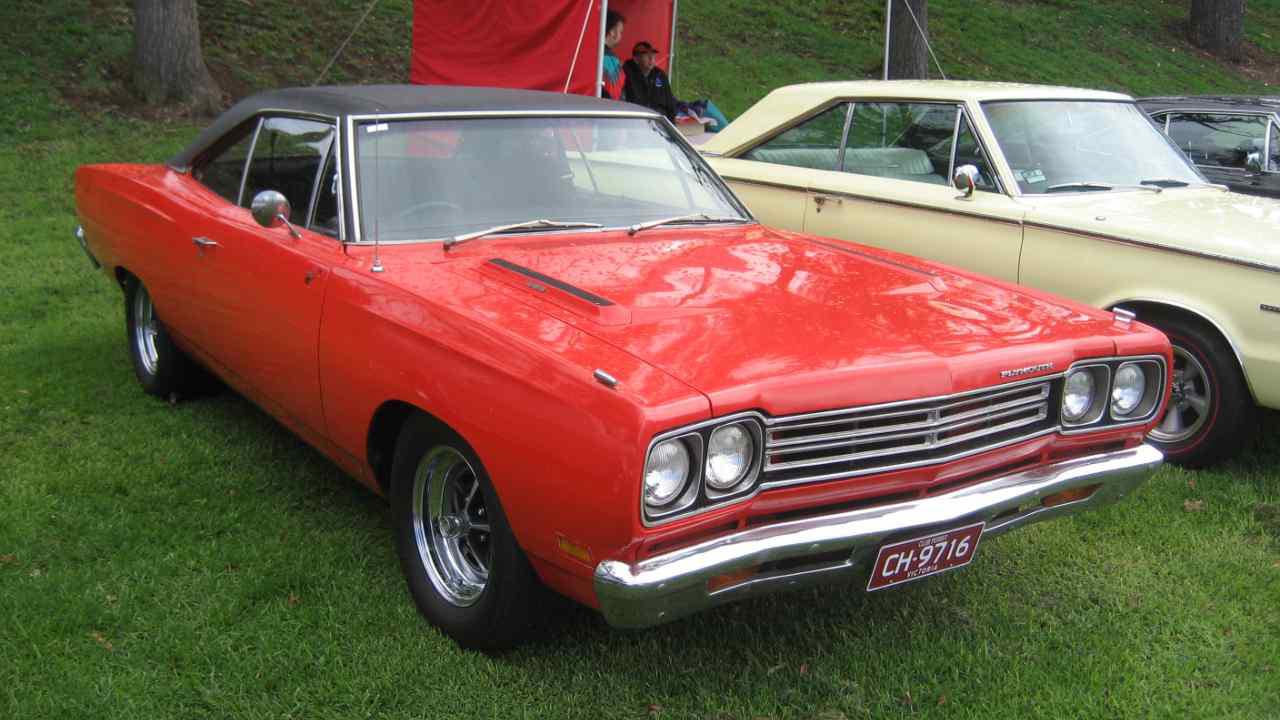
Mechanics warn the 1969 Road Runner’s stripped-down approach came with tradeoffsThe 1969 Plymouth Road Runner promised muscle car thrills without the luxury fluff, and it largely delivered. Mechanics and restorers who live with these cars today, however, say that bare‑bones philosophy came with real compromises in reliability, comfort, and long‑term durability. From ignition timing headaches to fragile sheetmetal and Spartan interiors, the Road Runner’s cost-cutting is still shaping how owners drive and restore these cars. The legend of a cheap, tough street racer endures, but the workshop stories behind it are more complicated. The budget muscle brief that shaped everything The Road Runner was conceived as an antidote to the growing price and complexity of late‑sixties performance cars. Plymouth aimed the car squarely at buyers who wanted speed first and were willing to sacrifice comfort, noise control, and even some refinement to get it. That philosophy extended from the marketing to the hardware. Plymouth even paid Warner Bros. exactly $50,000 for the rights to the cartoon-inspired name, Road Runner, and its famous Beep Beep horn, a playful signal that the car was more about fun than luxury. The stripped interior, minimal sound deadening, and basic trim were not accidents; they were the core of the value proposition. Enthusiast pages that celebrate the car describe the 1969 Plymouth Road Runner as pure muscle, built for speed and simplicity, and proudly light on frills. That blend of big power and low price created an icon, but it also locked in compromises that mechanics still see whenever one of these cars rolls into a shop. Under the hood: timing, misfires, and big‑block stress Mechanics who work on these cars repeatedly point to ignition and valvetrain issues as the predictable price of big power in a relatively unrefined package. Owners of the Road Runner with the 383 cubic inch engine often report persistent ignition timing issues. The combination of factory tolerances, aging components, and aggressive driving can leave a 383 Roadrunner hard to tune and prone to stumble under load. Specialists describe a familiar pattern: the car starts cleanly in the driveway, then breaks up at higher rpm because the original distributor curve and worn advance mechanisms do not match modern fuel and driving expectations. The budget nature of the original parts, acceptable when the car was new and disposable, now shows up as chronic tuning work for mechanics who want these engines to run cleanly. The story becomes even more intense with higher output builds. One documented 1969 Plymouth Road Runner clone received a Chrysler 440‑based engine with a compression ratio listed as 11.3 to 1. That combination delivered serious performance but also highlighted how thin the margin can be between streetable power and mechanical failure. The same report on Chrysler rocker failures explains how aggressive cam profiles and valvetrain stress can quickly punish stock‑style components. On the end, a 426 Hemi build illustrates both the strength and the demands of the platform. One owner’s Hemi long‑block, described as relatively clean and only lightly reworked, still required careful inspection and setup to live at the power levels enthusiasts expect from a Hemi Road Runner. The Road Runner chassis could accept that power, but the maintenance burden rises sharply as output climbs. Rust, thin metal, and the cost of “cheap” sheet metal The same cost-cutting that made the Road Runner affordable also left it vulnerable to corrosion. A detailed restoration of a 1969 Plymouth Road Runner shows how extensive the rust repair can become once the car is stripped. In that case, the body was chemically stripped, neutralized, and then treated with a phosphate rinse before any metal work began. Only after that careful assessment of the sheetmetal could the real scope of the repairs be understood. Owners tackling these projects at home echo the same story. One video series from a home garage shows a 69 Roadrunner convertible arriving for major work, with the host in Aug walking viewers through the surprise of just how much structure had to be replaced. The Roadrunner convertible needed trunk, floor, and quarter panel attention that went far beyond cosmetic fixes. Another builder, also in Aug, introduces a different 1969 Plymouth Roadrunner project by admitting that the “cat’s already out of the bag” about how deep the restoration will go. That restoration story quickly turns from excitement to a methodical inventory of rust, prior repairs, and missing parts. The owner’s enthusiasm is clear, but so is the reality that a budget muscle car often demands a premium restoration budget decades later. Even junkyard finds tell the same tale. In Milford, New Hampshire, Jan and Steve Munch walk through Backyard Auto, stopping at a 1969 Plymouth Roadrunner that has clearly suffered from decades of exposure. Their Backyard Auto visit shows a car that once embodied simple performance, now reduced to a shell, with rust and missing panels overshadowing any sense of rugged durability. Trunks, floors, and the hidden rot problem For many Road Runner owners, the first sign of trouble is not a misfire but a soft trunk floor. A recurring theme in restoration videos is the moment when a seemingly solid car reveals major hidden rust once the paint and undercoating come off. One series titled as a trunk repair update captures this perfectly. In Nov, the builder returns to a 1969 Road Runner after a busy stretch of family life, explaining that despite the distractions, the trunk and rear structure still demand attention. The trunk repairs involve cutting out large sections of metal, fabricating patches, and carefully aligning panels that were never engineered with future restorers in mind. Another clip, also focused on trunk work, repeats the same story of a project that looked manageable until the grinder and spot weld cutter revealed the full extent of the damage. In both cases, the cars had lived ordinary lives as affordable performance machines, often in wet or salted climates, and the original protection simply was not enough. These experiences reinforce what professionals say in more formal settings. Once a unibody car like the Road Runner has extensive trunk and floor rust, the labor to bring it back safely can easily exceed the purchase price of the vehicle itself. The stripped‑down philosophy saved buyers money in 1969, but it left restorers with thin metal and minimal factory corrosion protection to work with today. Ride quality, tires, and long‑distance fatigue Even when the structure is sound, the Road Runner’s driving experience reflects its budget roots. Period style G70‑15 Polyglas tires, which many owners still use for authenticity, offer limited grip and a harsh ride by modern standards. One feature on a plain brown 1969 Plymouth Road Runner notes that while the addition of A/C can make the cabin cooler, long trips on G70‑15 Polyglas tires are tiring and noisy. Mechanics who road test these cars often describe a car that feels raw and busy on the highway. The lack of sound insulation, combined with stiff sidewalls and basic suspension tuning, translates to a driving experience that can be exhilarating on a short blast and draining over hours. The same simplicity that makes the car easy to understand mechanically also means there is little to isolate the driver from heat, vibration, and road noise. Modern enthusiasts comparing classic muscle to contemporary performance cars notice the gap. A discussion on a Mustang forum, where one user in Apr reflects on older cars, bluntly states that these machines are “nowhere near as reliable for a daily driver” as something newer. The comment that begins with not to mention reliability captures a broader sentiment that applies to the Road Runner as much as to any sixties performance car. Daily driver dreams meet mechanical reality Social media posts from owners of 1969 Plymouth Roadrunners often start with nostalgia and end with a reality check. In one group, a contributor in Oct recalls a beloved vehicle by saying “I really thought it was a hot rod,” then adds “Absolutely loved that truck” and “Unfortunately, I only daily drove it for about 4 months” before mechanical or practical issues intervened. The phrases Absolutely and Unfortunately frame a familiar pattern for classic car owners. Another enthusiast page that focuses on the Plymouth Road Runner describes the 1969 model as “the ultimate slap in the face to the luxury muscle car crowd.” The post that opens with Let me tell and later notes “By the late 60s” paints a vivid picture of a car that rejected plush options in favor of bare performance. Mechanics who see these cars today agree with that characterization, but they also point out that such defiance of comfort has consequences for anyone trying to drive one every day. Heat soak in traffic, drum brakes on some examples, and the constant need to stay ahead of maintenance all make the Road Runner better suited to weekend runs than commuter duty. The car’s simplicity helps mechanics diagnose problems quickly, yet the age of the components and the expectations of modern drivers mean those problems surface more often than many new owners expect. How the Road Runner reset the muscle car market To understand why Plymouth accepted these tradeoffs, it helps to look at the broader muscle car context. One comparison test of period performance cars points out that 1969 could be seen as the apex of the muscle car era, with the 64 GTO credited for creating the genre and the 1968 Plymouth Roadrunner described as having redefined it. The reference to the 64 G and the Plymouth Roadrunner in that context underlines how central the car was to the idea of an affordable street racer. Another enthusiast page describes the 1969 Plymouth Road Runner as “pure muscle” and emphasizes that it was built for speed and simplicity. The post in Mar that praises the Plymouth Road Runner as built for high performance without luxury gloss reflects how the car was positioned against more expensive GT models. From a mechanic’s perspective, that market role translated into a car that was easy to work on but not engineered for long service lives. Components were sized and specified for a typical ownership cycle of a few years, not for half a century of spirited driving. The fact that so many Road Runners survive at all speaks to owner passion and the willingness of shops to keep rebuilding them. Tools, parts, and the modern Road Runner economy The restoration economy that has grown up around these cars is another side effect of the original stripped‑down approach. Specialty suppliers focus on reproduction parts and tools tailored to sixties Mopar products. One gear review portal connected to the Road Runner community highlights gear reviews for restoration tools, while a dedicated store section for hot rod enthusiasts offers branded components linked to Buried Treasure Plymouth projects. Engine builders and machine shops also rely on precise components to correct the weaknesses of original parts. A specialist supplier, which appears in citation trails related to the Road Runner, markets detailed ignition and fuel system solutions through Accurate Ltd. These modern upgrades aim to reduce the ignition timing and misfire complaints that plague aging 383 engines while preserving the character of the car. More from Fast Lane Only Unboxing the WWII Jeep in a Crate 15 rare Chevys collectors are quietly buying 10 underrated V8s still worth hunting down Police notice this before you even roll window down


















 +36 others