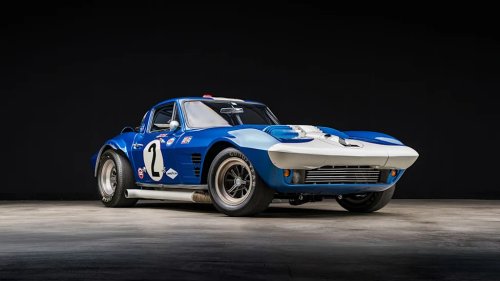
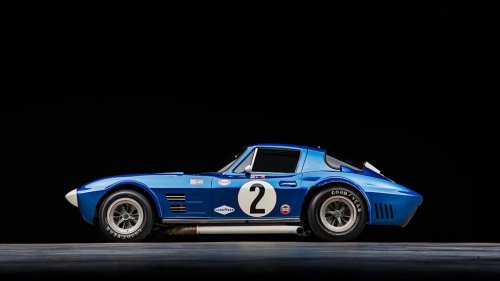
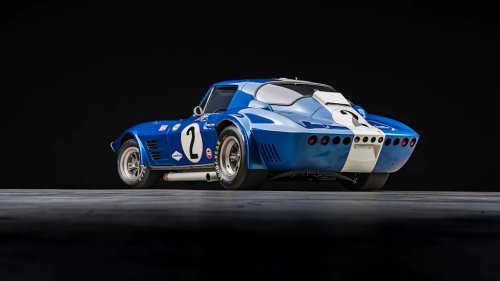
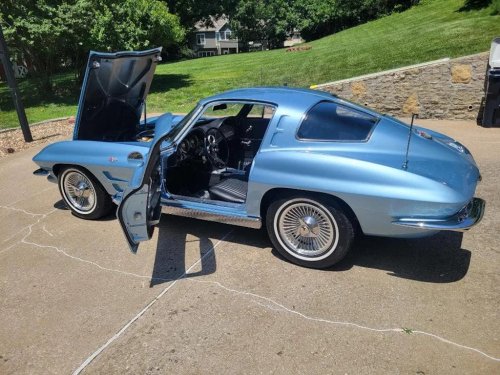
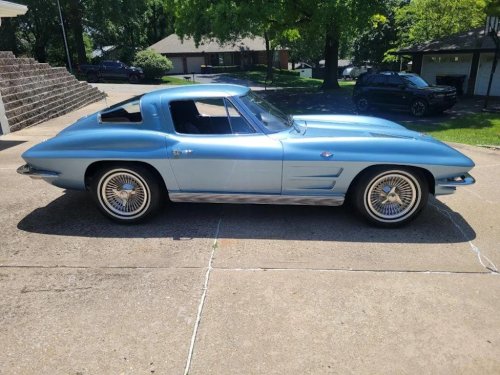
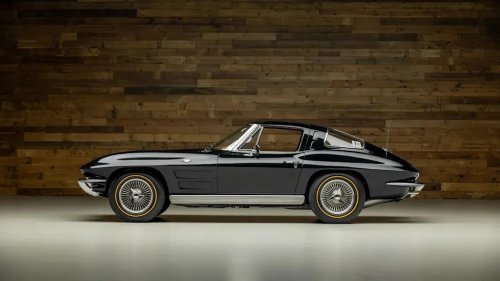
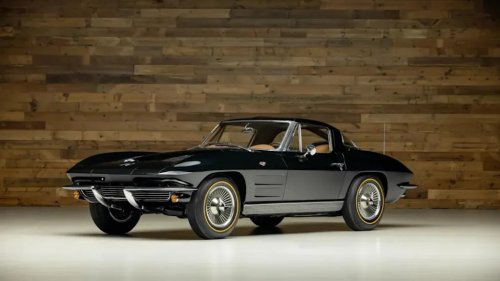
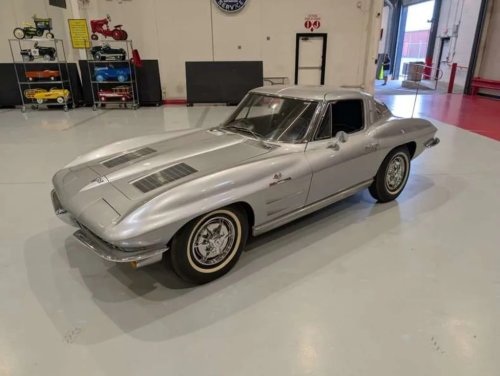
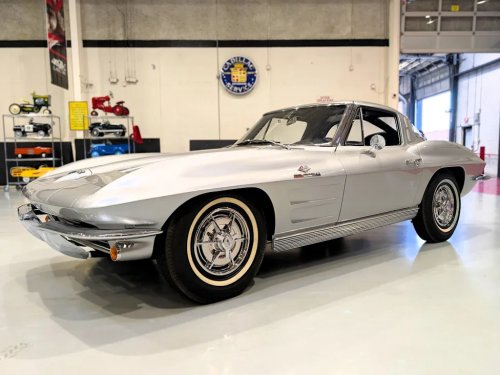
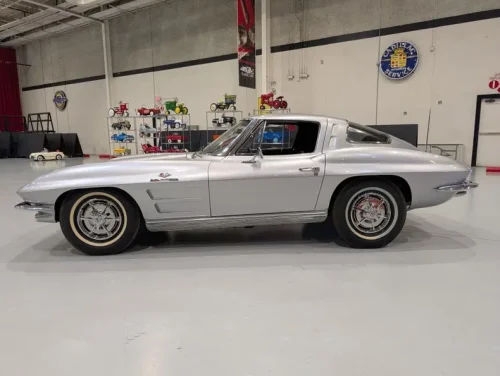
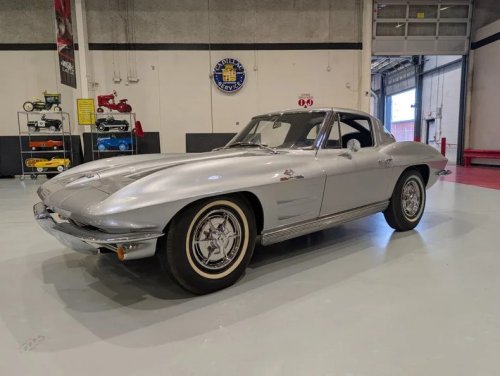
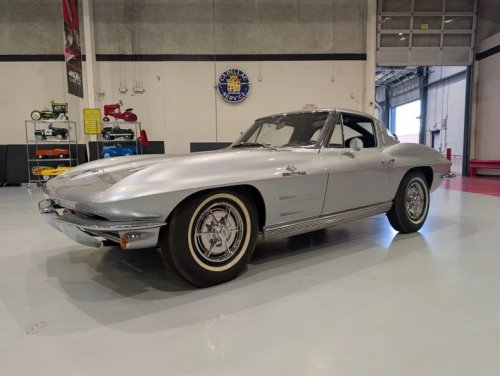
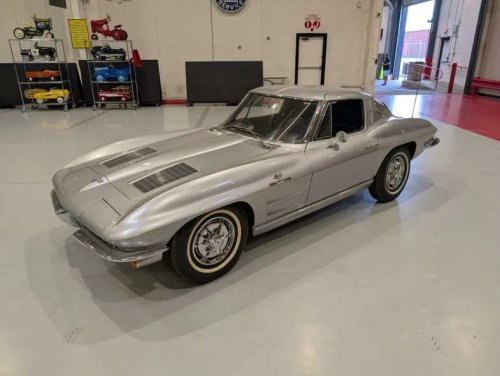
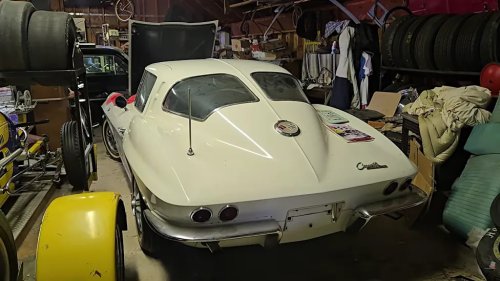
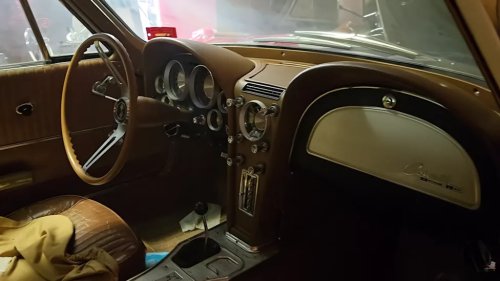
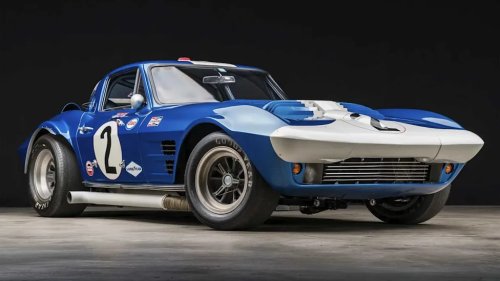
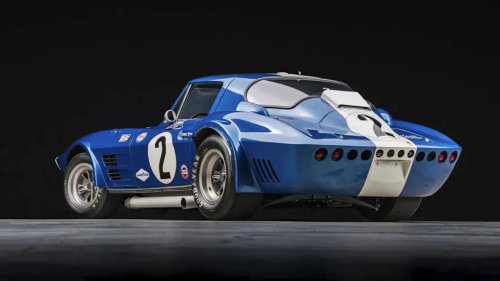
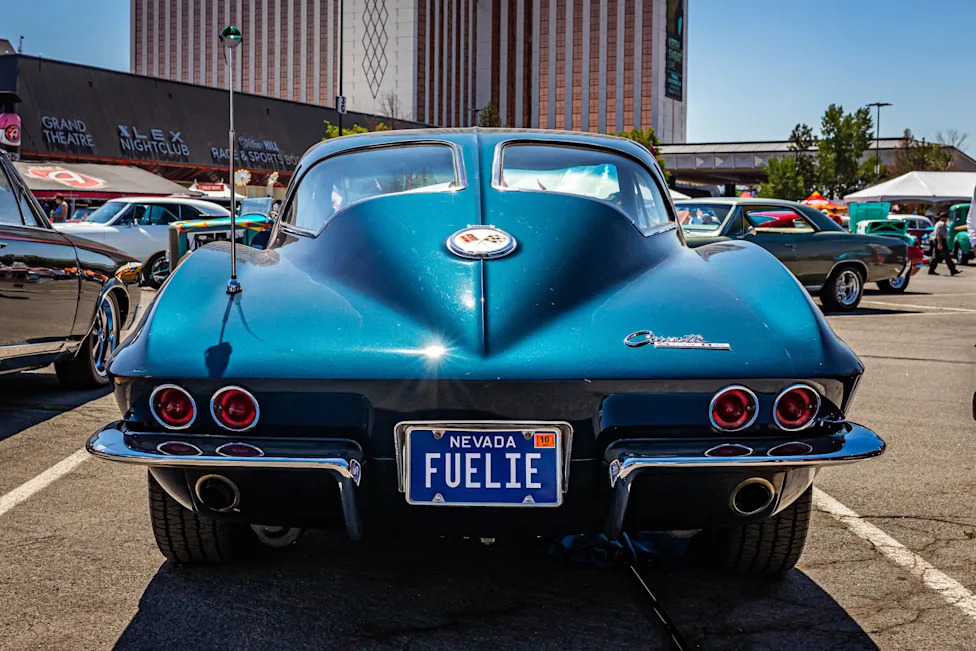
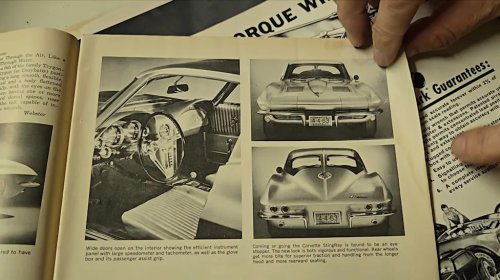
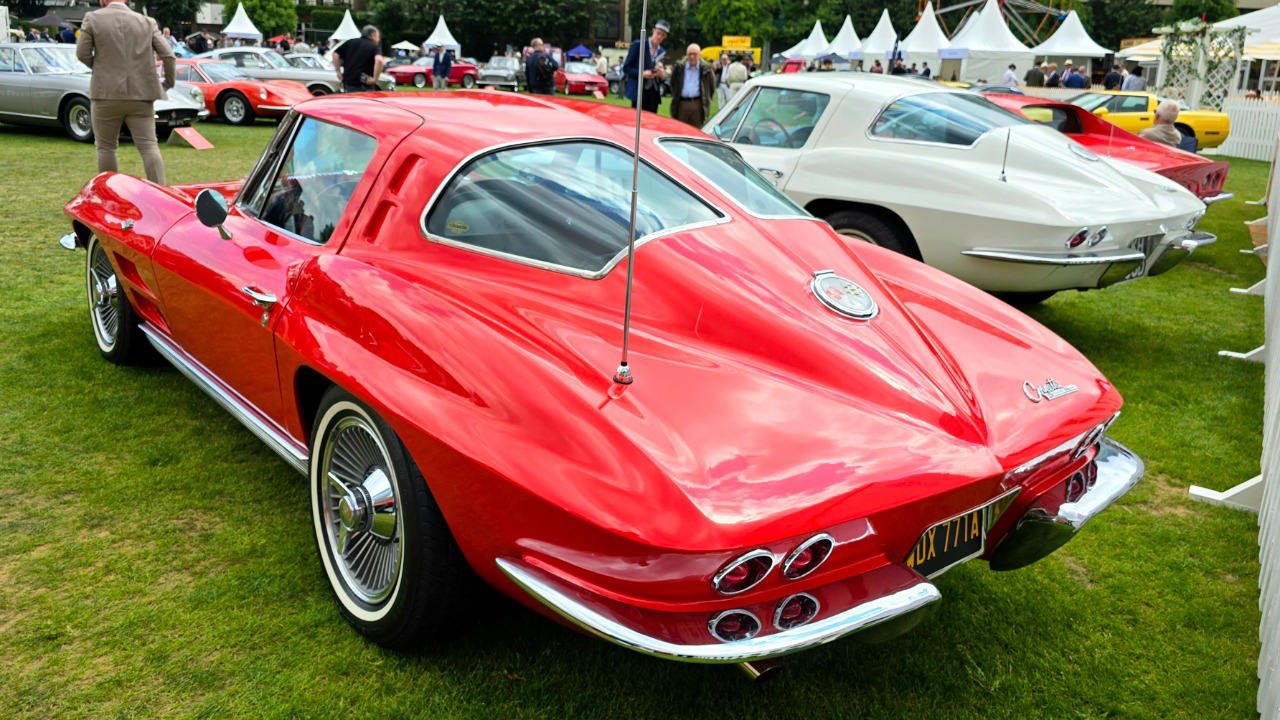
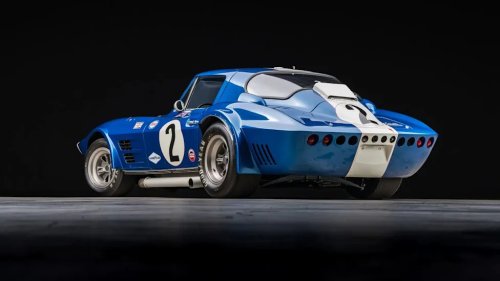
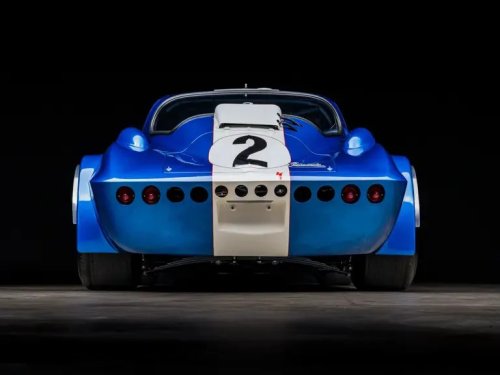
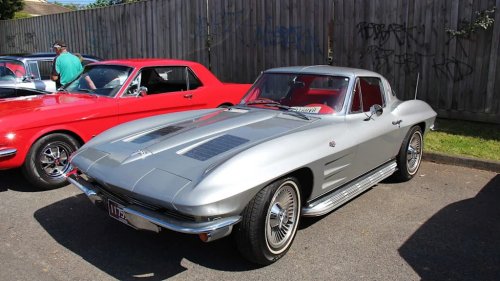
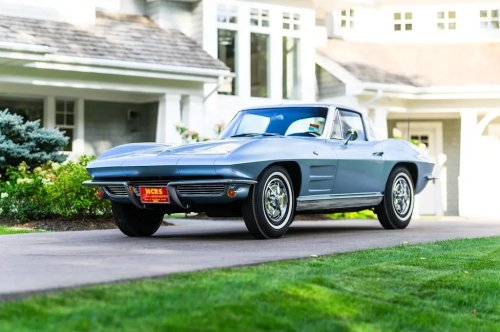
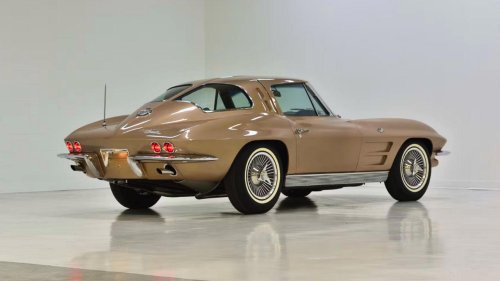
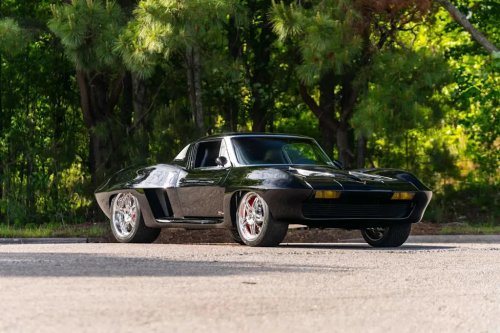
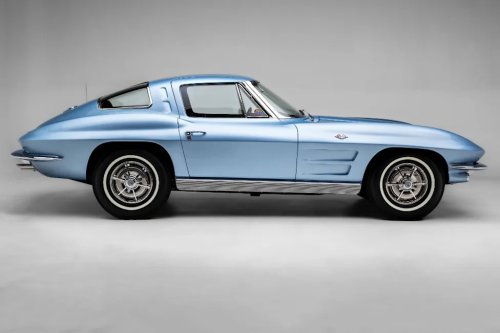
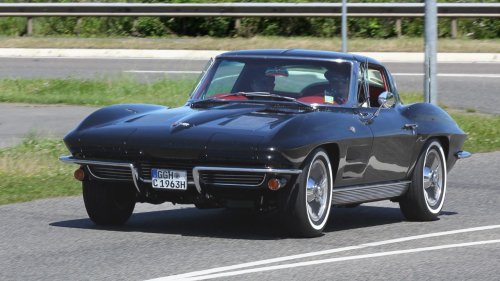
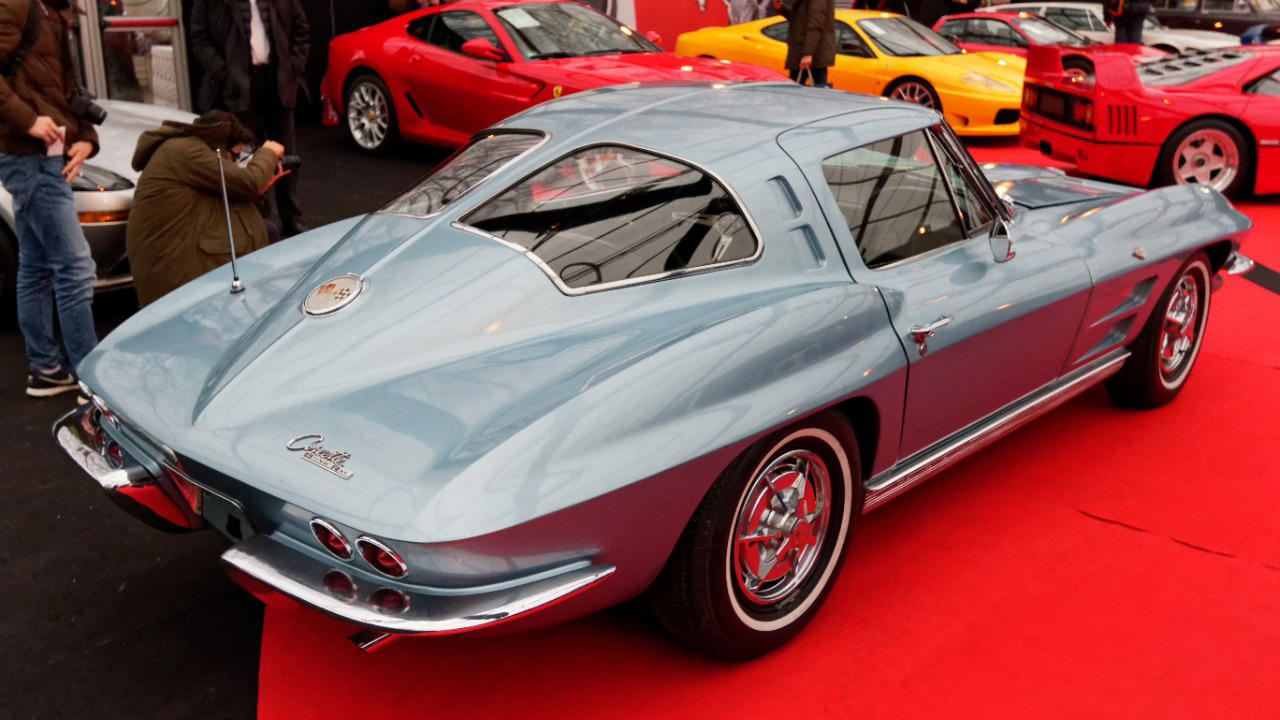
Mechanics warn the 1963 Corvette split window made rear visibility worse than expectedThe 1963 Corvette split window is one of the most recognizable shapes in American car culture, but the same styling flourish that made it famous also made it harder to drive. Mechanics who lived with the car in real traffic quickly discovered that the thin strip of fiberglass bisecting the rear glass hurt visibility more than designers expected, and owners responded with hacksaws and replacement glass. Six decades later, that tension between design purity and day-to-day usability still defines the split window story. The car is celebrated in museums and at auctions, yet the people who had to back one out of a tight driveway remember a machine that looked like a spaceship and saw like a bunker. How a styling dream overruled the view out back The split rear window started as a sketch, not an engineering requirement. GM design leader Bill Mitchell wanted the second-generation Corvette coupe to echo the spine of earlier show cars, a sharp ridge that ran from the nose, over the roof and down the tail. That line gave the 1963 car its Sting Ray identity, but it also demanded a structural pillar right where drivers normally look through the rear window. Engineers working on the new chassis had different priorities. They had delivered a lighter and stiffer frame than the previous C1 Corvette, a structure that enthusiasts later praised in discussions of the 1964 model as “Lighter and stiffer frame than the previous C1 Corvette” along with details like “Four-wheel drum brakes” and “Knock-off aluminum” wheels in period owner forums. They wanted the new body to match that progress in function. A wide, uninterrupted rear glass would have helped with lane changes, night driving and parking. The split design did the opposite. Contemporary accounts and later histories describe internal debates that bordered on a civil war inside Chevy. Advocates for visibility warned that the split would be a daily annoyance. Stylists argued that the Corvette was a halo car and that the dramatic rear view would set it apart from every other American coupe. The stylists won, and the production car kept the central bar that divided the glass into two small panes. What mechanics saw from the driver’s seat Mechanics who serviced early cars had a blunt assessment once they drove them. One long-running Corvette group summed up the experience with a single sentence: “If you ever drove a 63 Split Window, you would realize that you had practically no visibility out the back window, the mirror was useless.” That comment, preserved in a discussion about whether the 1963 Split Window is worth more than other models, captures the gap between showroom appeal and workshop reality. In practice, the rearview mirror framed a narrow slice of each half window, with the thick pillar wiping out the center of the picture. On a modern car with large side mirrors and camera aids, that might be workable. On a 1960s sports car that already had a low seating position and a long rear deck, it turned reversing into guesswork. Mechanics responsible for test drives after repairs often had to nose the car out of service bays with exaggerated caution. Some owners complained that at night, the split amplified glare from following headlights. Light would catch the edges of the pillar and the twin panes differently, which made it harder to judge distance. Others found that rain streaks on two separate pieces of glass broke up what little view they had. The design did not technically violate safety rules of the time, but it did not make a mechanic’s job easier. Safety concerns and the short production run Period coverage and later retrospectives on Split Window Corvette describe a car that pushed performance, styling, and chassis engineering forward while leaving rearward vision behind. The same sources highlight how the 1963 Corvette Sting Ray introduced independent rear suspension and other improvements, yet the most talked-about feature was the strip of fiberglass in the rear glass. Enthusiasts and mechanics who have studied the car point out that the split was not strictly required to reinforce the roof. A later Reddit discussion titled “Why did Chevrolet only make the split-window Corvette in 1963?” includes a comment from user waynep712222, who wrote that he “heard it was just to reinforce the roof and window mounting only to realize it blocked the view with th…” That folk explanation mirrors what many mechanics concluded on their own: the tradeoff between structure and sightlines was not worth it. Inside GM, the complaints piled up quickly. Dealers reported customer gripes about the blind spot. Service departments echoed the same stories. By the time the 1964 model year arrived, the coupe had a single piece of rear glass, and the split was gone. The change was dramatic enough that a later Facebook group post about the 1964 Corvette framed the car in part through that absence, listing its “Lighter and stiffer frame than the previous C1 Corvette” and other upgrades while showing a smooth rear window where the split once sat. Bill Mitchell and Zora Arkus Duntov are on opposite sides The split window debate also reflected a clash of personalities. On one side was stylist Bill Mitchell, who believed the Corvette should look like nothing else on the road. On the other hand was engineer Zora Arkus-Duntov, who treated the car as a tool for speed and control. Later retellings of their conflict describe how Mitchell pushed for the split as a signature line, while Arkus-Duntov worried about the view in competition and on public roads. The friction between their camps has been described in enthusiast media as “The Corvette Window So Controversial It Caused a Civil War at Chevy,” a phrase that captures how heated the conversations became. Mechanics who sided with Arkus-Duntov were not thinking about studio sketches; they were thinking about drivers merging onto a highway with a pillar blocking the center of the mirror. The compromise that emerged for 1963 satisfied Mitchell more than Arkus-Duntov. The styling team got the split. The engineering side focused on suspension and brakes, where they could deliver measurable gains. The person who lost out was the owner who had to live with the blind spot. Owners with hacksaws, and the rise in value The market’s response in the 1960s and 1970s confirmed what mechanics had been saying. Anecdotes shared in enthusiast circles describe owners who took saws to their cars to remove the central bar and install a full-width piece of glass. A later Facebook video about why 1963 Corvette owners cut out the split window includes comments from people who remember cars being modified, then restored back to original decades later as values climbed. One commenter, Danny Stewart, mentioned that he knew of cars that had the split reinstalled after the market began to prize originality. At the time, the modification was practical. The 1963 car was just another used Corvette, not a six-figure collectible. A clean rear view was worth more than a styling flourish. Mechanics sometimes helped with the conversion, sourcing glass and trim from 1964 parts catalogs to retrofit earlier cars. The result looked close enough to factory that only dedicated spotters could tell. That attitude shifted as the split window became rarer. A short video on social media, captioned “Why is the split window so rare? #corvette #c2 #stingray,” and another clip that asks “why is the C2 split window Corvette so rare,” both point to the same fact: the split coupe was only produced in 1963. Once the design was gone, every surviving car with an intact divider became a little more special, even if it was still harder to see out of. Mechanics today: beauty, but still a headache Modern mechanics who work on classic Corvettes bring a different perspective. They know the cars as investments as much as machines. When a 1963 coupe arrives for service, the split window is both a bragging point and a constraint. The technician has to protect rare trim and glass, and the owner expects the car to leave with every original detail intact. At the same time, the driving experience has not changed. Backing a 63 Split Window out of a crowded shop still means craning around the pillar. Some shops joke that they need a second person to spot whenever they move one. Others have added small convex mirrors or discreet camera systems at an owner’s request, trying to improve safety without drilling holes in irreplaceable fiberglass. Online discussions among mechanics and owners sometimes revisit the old safety arguments. A Quora thread that asks “Why was the 1963 Corvette Sting Ray’s split-window design so controversial and what made it become a cherished feature later on” mentions how the design was once criticized, then celebrated. Contributors reference “Mako Sharks and” other design studies, but the recurring theme is that the split aged into a symbol of a bold era, while the visibility complaints faded into a footnote for collectors who rarely drive their cars at night in the rain. Designers revisit the split in the digital age The split window idea has not stayed frozen since 1963. A recent design feature on Corvette’s controversial split describes how modern concept sketches and digital renders revisit the divided glass as a heritage cue. In some of these proposals, the split is hinted at with lighting or bodywork rather than a physical pillar that blocks the mirror. Chevrolet itself has leaned into its heritage with upcoming models. The official page for the 2025 Corvette ZR1, discovered through the same design coverage, showcases aggressive aerodynamics and modern technology while nodding to earlier Sting Ray cues in its proportions. Designers are clearly aware of the split window’s power as an icon, even if they stop short of recreating its most controversial feature in functional glass. Industrial design communities that gather on sites like design awards and forums such as boards and codex discuss the split as an example of how far a brand can push form before function pushes back. The 1963 Corvette sits in those conversations alongside other products that sacrificed usability for a striking silhouette. From workshop nuisance to auction royalty The market has turned the split window into one of the most desirable Corvettes. Auction listings for cars like a 1963 Chevrolet Corvette coupe on Bring a Trailer, discovered through a citation trail related to Corvette Sting Ray history, show how collectors pay a premium for originality, color combinations and documentation. The presence of the divider in the rear glass is now a value multiplier, not a liability. Classic car dealers and restorers explain that the 1963 Chevrolet Corvette Split-Window is one of the most iconic shapes in the model’s history. A Facebook group dedicated to restorations frames the “1963 Chevrolet Corvette Split-Window” as a car worth saving even from rough starting points, because the market rewards any authentic example. Another post in a model car hobby group notes that the 1963 coupe is “Referred to by many as the ‘split-window’ Corvette,” underlining how the rear glass defines the entire car in popular memory. More from Fast Lane Only Unboxing the WWII Jeep in a Crate 15 rare Chevys collectors are quietly buying 10 underrated V8s still worth hunting down Police notice this before you even roll window down



















 +25 others