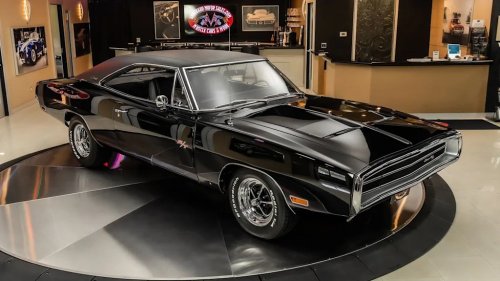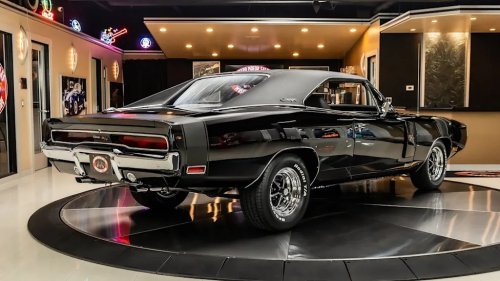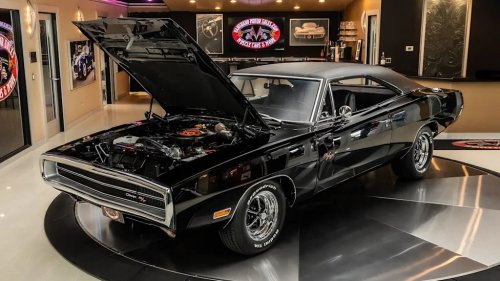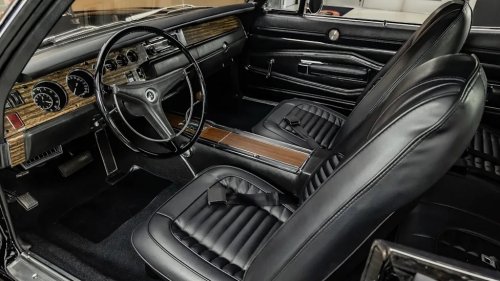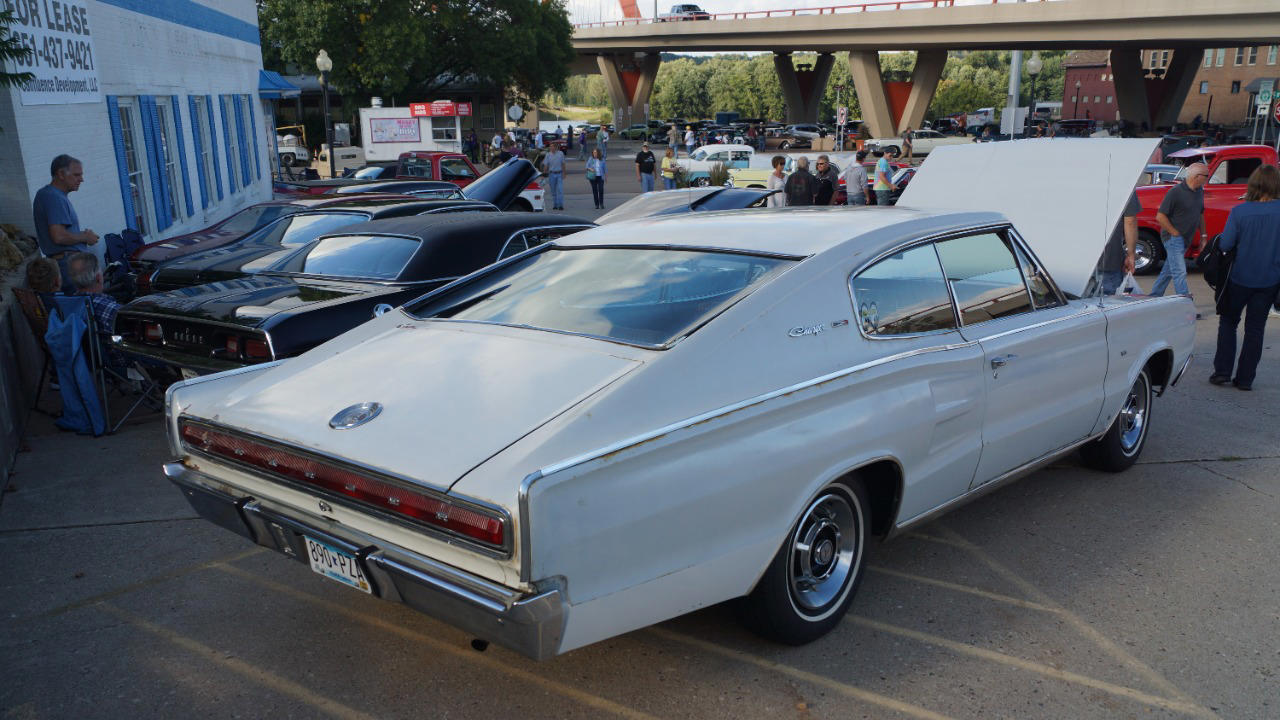


















The 1967 Dodge Charger’s design looked bold but came with rear visibility tradeoffsThe 1967 Dodge Charger arrived as a statement of intent, with a dramatic fastback roofline and full-width lighting that made almost every rival look conservative. That visual drama came at a cost, though, especially for drivers trying to see out the back of the car in daily use. The Charger’s second and final first-generation year crystallized a classic tradeoff in car design: styling that turned heads versus visibility that actually helped the person behind the wheel. The second and final year of a radical idea The 1967 Dodge Charger was the second and final year of the first-generation Charger experiment, a bold fastback model created by Dodge to compete in the booming muscle car and personal coupe market. Contemporary descriptions of the car emphasize that this version closed out the initial run of the nameplate, which had been introduced with the 1966 model and then refined for 1967 as Dodge tried to sharpen its appeal in showrooms. A detailed enthusiast post on the second and final underscores how short lived this first body style really was. That compressed timeline meant the 1967 Dodge Charger had to carry a lot of weight. It needed to project performance, align with Dodge’s muscle image and fix some of the complaints that surfaced with the 1966 car, all while keeping the distinctive fastback silhouette that set it apart from more conventional hardtops. It also meant any missteps, such as practical drawbacks in visibility, would not have long to be corrected before Dodge moved on to a different design direction. Fastback drama and the tunnel back roofline From the side, the 1967 Dodge Charger looked like a concept car that had somehow made it to production. Multiple enthusiast descriptions highlight its long hood, short deck, and uninterrupted fastback roof that flowed in a single sweep from the windshield to the tail. Posts focused on Dodge Charger Fastback styling describe the 1967 profile as defined by dramatic proportions, with the roofline and rear glass dominating the car’s identity. One widely shared description calls the 1967 Dodge Charger Mopar’s fastback rebel and singles out the tunnel back roofline as the visual centerpiece. That same description notes how the 67 Charger wore its aggression openly, pairing the tunnel back roof with hidden headlights and a full-width grille to create a car that looked ready for the track even when parked. The phrase Mopar’s fastback rebel, attached to the 67 Charger, captures how radical this roof shape felt within Dodge’s own lineup. That roof was not just a styling flourish. It framed a huge rear glass panel that followed the curve of the roof, creating a tunnel-like effect as the sheetmetal wrapped tightly around the sides. The result was a car that looked lower and sleeker than many of its contemporaries, especially traditional notchback coupes. It also created a very specific experience from the driver’s seat, where the rear window felt distant, and the view out the back was shaped by the thick C pillars that supported that dramatic curve. Inside the Charger, style ahead of sightlines The interior of the 1967 Dodge Charger was designed to reinforce the car’s futuristic image. The cabin featured four individual bucket seats and a full-length center console, elements that made it feel closer to a personal luxury coupe than a stripped-down muscle car. A restoration account in AutoRestorer describes how work on the interior of a 1967 Charger revealed factory build sheets under the rear seat and above the glovebox, a reminder of how carefully optioned these cars could be and how much attention Dodge paid to presentation. From behind the wheel, the driver faced a wide dashboard and instruments set deep into the panel. The long hood stretched out in front, reinforcing the sensation of piloting something substantial. To the rear, however, the tunnel’s back glass and high tail created a different kind of impression. The view in the mirror was dominated by the sweeping curve of the rear window and the narrow opening left by the fastback shape, which limited how much a driver could see of traffic directly behind and low to the bumper. Modern video walkarounds of surviving cars highlight how this feels in practice. In one such tour, Max from Test Drive Blogs walks around a 1967 Dodge Charger and points out the long rear glass and the way the roofline tapers down, which looks spectacular from outside but clearly reduces the vertical area of the rear view. When the car is viewed from inside, the rear shelf and the angle of the glass combine to create a letterbox-style opening in the mirror. Rear visibility, a price of the fastback look The fastback profile that made the 1967 Charger so distinctive also created a set of visibility compromises that owners still talk about. The tunnel back roofline required thick C pillars for structural strength, and these pillars narrowed the side view over the driver’s shoulder. The long, sloping rear glass pushed the visible area further away from the driver and reduced how much of the road surface could be seen directly behind the car. Compared with a more conventional two-door hardtop, where a flatter rear window and thinner pillars provided a broader field of view, the Charger’s design placed style ahead of practical sightlines. Period marketing and later enthusiast commentary highlight the sleek shape and hidden lighting, but restoration accounts and owner discussions often mention that reversing or checking for small objects behind the car can be challenging. The car’s high rear deck and the angle of the glass combine to hide low obstacles that might be visible in a sedan with a taller, more upright rear window. The full-width taillight panel, which stretched across the back of the car, further emphasized the horizontal lines and visually raised the tail. Enthusiast coverage of 1966 and 1967 models notes that people either love the Charger’s styling or do not even slow down as they pass, a phrase that reflects how polarizing the 66 and 67 cars were. That same coverage of the 66 and 67 helps explain why some drivers accepted the visibility tradeoffs as the cost of owning something that looked so different from the rest of the traffic. Muscle car performance wrapped in a fastback shell Underneath the dramatic body, the 1967 Dodge Charger was a serious performance car. It shared mechanical roots with other B-body Dodges and could be ordered with a range of engines, including big block V8s that placed it firmly in muscle car territory. A feature on a first generation 67 Charger describes a car equipped with a 383 cubic inch engine and notes how that combination of power and styling delivered both speed and presence. That same feature on a copper colored car highlights how the first-gen 67 straddled the line between muscle car and personal luxury coupe. The 1967 model year also saw Dodge refine details over the 1966 introduction. Enthusiast posts covering the second year of the fastback mention adjustments to trim, options and interior appointments that aimed to make the car more appealing without altering the core silhouette. The result was a Charger that could be specified as a relatively plush cruiser or as a more aggressive street machine, but always with the same tunnel back roof and rear glass that defined its character. That dual identity helps explain why some owners were willing to accept limited rear visibility. For drivers focused on straight line performance or highway cruising, the ability to see low obstacles behind the car mattered less than the impression created when the Charger pulled into a parking lot or lined up at a stoplight. The bold roofline and full-width lighting became part of the car’s performance image, even if they were not strictly necessary for speed. Lighting tricks that fit the futuristic theme The 1967 Dodge Charger’s rear visibility story cannot be separated from its lighting design. The car used full width taillights that spanned the back of the body, creating a continuous band of red when illuminated. Enthusiast videos focused on a 66 Charger explain how the taillights and hidden headlights operated, revealing a level of electrical complexity that matched the futuristic styling. One such video on a 66 Charger and shows how the lighting systems were integrated into the bodywork, hinting at the similar approach taken on the 1967 model. At the front, the Charger used hidden headlights that rotated or slid into place, leaving a smooth grille when the lights were off. This clean face contributed to the car’s aggressive look and helped it stand out from more traditional designs with exposed round headlamps. At the rear, the full width taillight bar echoed the front’s emphasis on horizontal lines and tied the lighting into the overall fastback shape. These lighting choices did not directly worsen rear visibility from the driver’s seat, but they reinforced the design priorities that had already shaped the tunnel back roof. The focus was on visual impact for people outside the car, not on maximizing what the driver could see behind. In that sense, the lighting and the roofline told the same story about where Dodge emphasized this first generation Charger. Enthusiast memories and restoration realities Decades later, the 1967 Dodge Charger occupies a distinct place in enthusiast circles. Some owners and fans celebrate it as the purest expression of the original Charger idea, before later generations shifted to different body styles. A detailed restoration story describes how Work on the interior of a 1967 Charger led to the discovery of two factory build sheets, one under the rear seat and the other above the glovebox, a moment that connected the car’s current caretaker with its original assembly. That account, hosted as a work on the narrative, underscores how much effort goes into preserving these cars. Restorers who bring a 1967 Charger back to life have to grapple with the same tradeoffs that faced original buyers. Replacing the vast rear glass panel, repairing rust in the complex C pillar area, or aligning the full width taillight panel can be more challenging than similar work on a more conventional coupe. The payoff is a car that draws attention at any show, but the owner still has to live with the limited rearward view when driving it home. Enthusiast groups dedicated to the Charger often share photos that celebrate the fastback styling and dramatic stance. One post that highlights the 1967 Dodge Charger as an iconic American muscle car notes how the bold design and powerful performance combined to create a memorable package. That description of the Dodge Charger American muscle image matches the way many owners talk about the car today, with pride in its uniqueness outweighing concerns about practicality. More from Fast Lane Only Unboxing the WWII Jeep in a Crate 15 rare Chevys collectors are quietly buying 10 underrated V8s still worth hunting down Police notice this before you even roll window down The post The 1967 Dodge Charger’s design looked bold but came with rear visibility tradeoffs appeared first on FAST LANE ONLY.