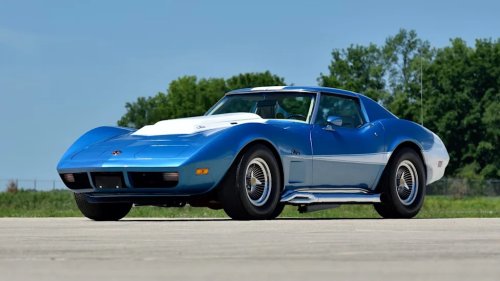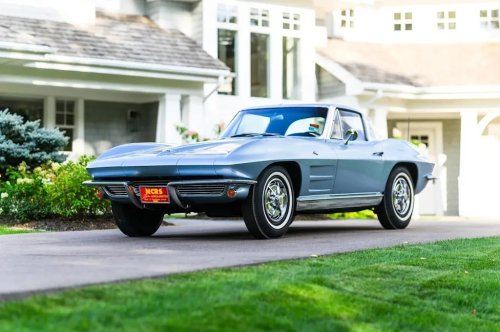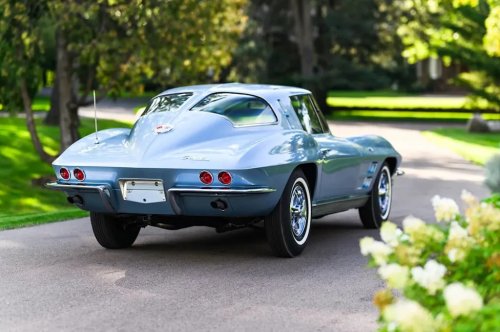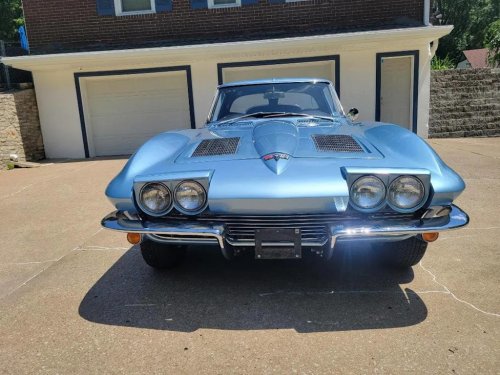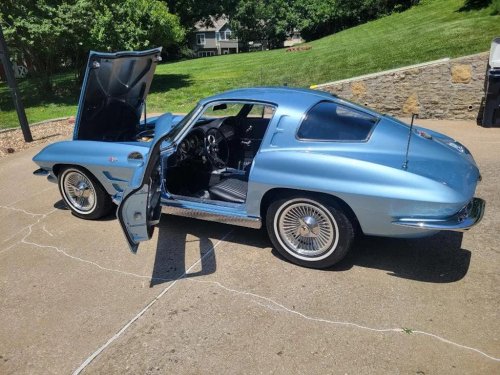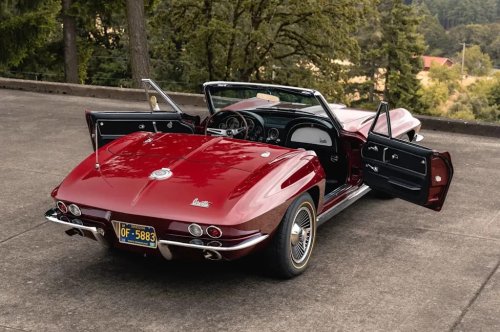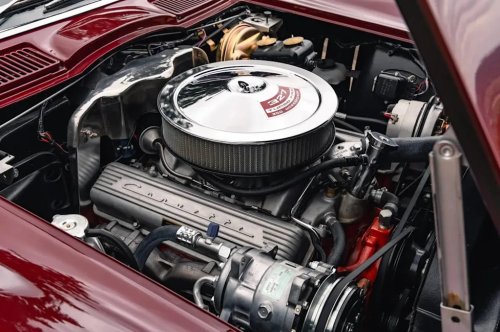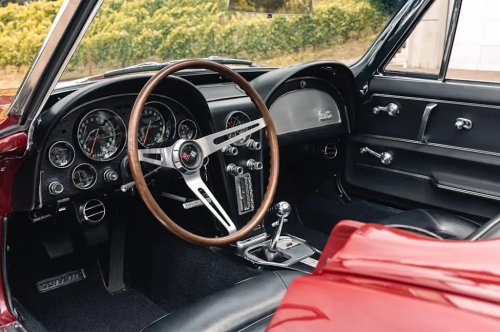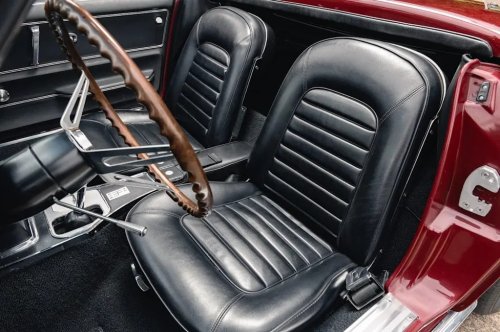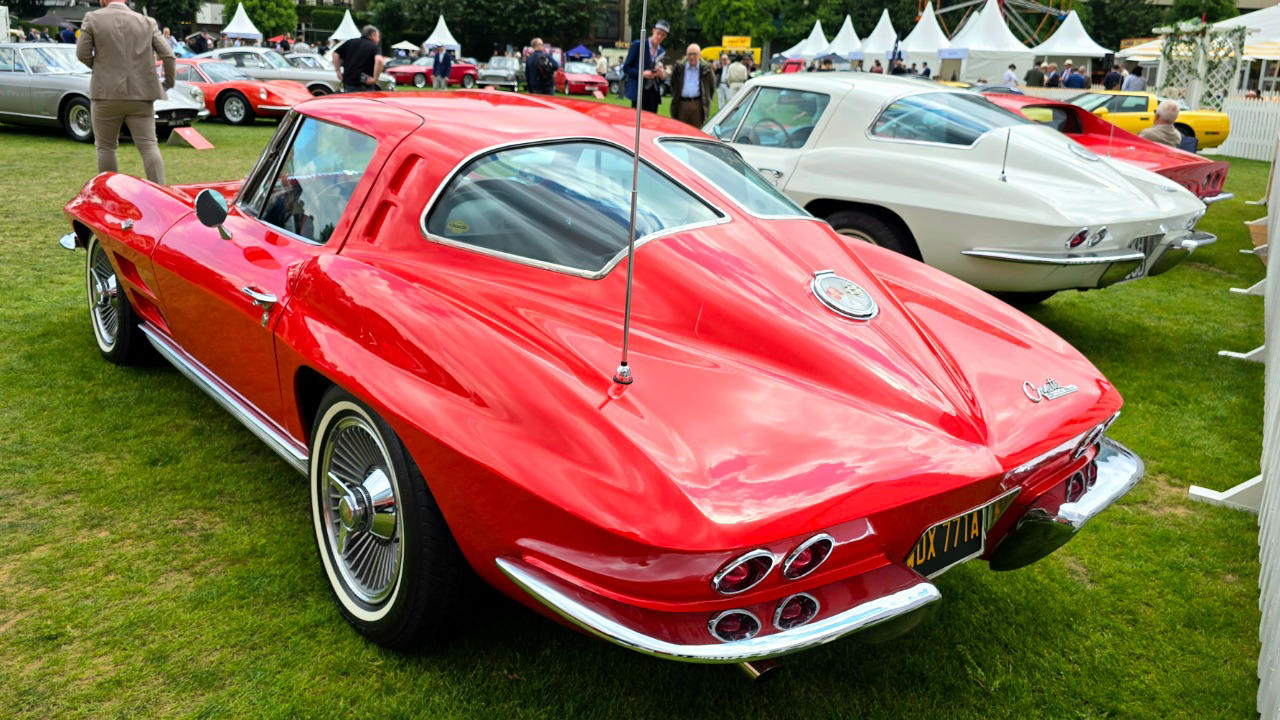



















The 1963 Chevrolet Corvette split window looked iconic but created real visibility issuesThe 1963 Chevrolet Corvette split window coupe has become one of the most recognizable American cars, a one-year-only shape that collectors now chase at almost any price. Yet behind that sculptural rear glass sat a very real problem for anyone trying to drive it in traffic: the dramatic spine that made the car famous also made it surprisingly hard to see out of. The tension between beauty and usability shaped the car from its first sketches to its short life on the assembly line. Designers pushed for a dramatic silhouette, engineers warned about visibility, and owners later had to decide whether to preserve the look or cut it apart for a clearer view of the road behind them. How the split window became a design legend The second-generation Corvette, often called the C2, arrived as the Corvette Sting Ray and moved the car from a curvy 1950s roadster into a sharper, more futuristic era. According to enthusiast histories of the C2 Corvette 1963 through 1967, the coupe body was new, more rigid, and more exotic than the open car, and the split rear glass was at the center of that image. The back of the car carried a raised spine that ran from the roof to the tail and divided the rear window into two pieces. Writers who have traced the styling of the 1963 Sting Ray describe this as part of a broader move toward what one source calls a Marine Life Styling Influence, with the car’s surface treatment evoking a stingray’s body in motion. The split window emphasized that effect by turning the rear of the coupe into a sculpted shell rather than a simple pane of glass. Historical coverage of the split-window Corvette history notes that the feature quickly became the defining cue of the second-generation launch. It visually lowered the roof, made the car look more aggressive, and instantly separated it from other American coupes of the period. The design was dramatic enough that the coupe, not the convertible, became the poster image for the new Sting Ray. Inside General Motors, the split glass was not just a flourish. It was a statement from the styling studio that the Corvette should be a bold, almost concept-car-like object on the road. That attitude would soon collide with the more practical instincts of the engineers who had to make the car safe and usable. A civil war between art and engineering Accounts from Corvette historians describe a sharp divide inside Chevrolet over the split window. On one side stood design chief Bill Mitchell, who championed the spine as a signature element that made the car instantly recognizable. On the other side was Corvette lead engineer Zora Arkus Duntov, who saw the split as a hazard for anyone trying to drive quickly and precisely. Enthusiast discussions of the controversy, including one detailed thread about the 63 Sting Ray, describe Zora Arkus Duntov as openly hostile to the rear divider. He reportedly argued that the obstruction sat directly in the driver’s line of sight through the interior mirror, which made it harder to judge closing speeds and lane positions at a glance. Bill Mitchell, by contrast, loved the way the spine extended the car’s central ridge and refused to sacrifice the look. Other sources echo that the internal debate grew heated enough to be described as a “civil war” inside General Motors. Designers pushed to keep the coupe as close as possible to the show-car sketches. Engineers warned that the split window would invite criticism from owners, and potentially from regulators, once the car reached public roads. In the short term, the stylists won. The 1963 model year coupe went into production with the full split rear glass and the pronounced spine that Mitchell had championed. Duntov did not forget the argument, and the visibility complaints that followed would give him leverage for the next round. Why the split looked so good and worked so poorly From the outside, the divided rear window made the coupe look lower, longer, and more dramatic. From the driver’s seat, the same design created a set of practical problems that owners still describe today. The most obvious issue was the blocked centerline view. The interior mirror in a 1963 coupe looked straight back into the fiberglass spine between the two panes of glass, which split the field of vision at exactly the point where a driver would normally expect to see a car following behind. Owners who have shared their experiences through groups such as the National Corvette Museum, which calls the 1963 Corvette Split one of the most admired designs in the car’s history, often admit that the rear view is compromised even as they celebrate the shape. The problem became more serious during lane changes and tight maneuvers. That central obstruction could hide a compact car or motorcycle sitting directly behind the Corvette. Drivers had to rely more heavily on the side mirrors, which on early 1960s sports cars were small and not always adjusted with precision. One detailed post about an exploded view of the fiberglass panels on the 1963 Corvette notes that the split rear window made the car “unforgettable” but also “made it impossible to see what was behind you,” and recounts that Duntov eventually “got his” when the feature was removed, and Bill Mitchell lost the internal fight. Rain and dirt added another layer of trouble. Each half of the window had its own pattern of streaks and reflections, and the spine disrupted airflow over the glass. At night, headlights from following traffic could create twin flares on either side of the divider, which some drivers found distracting. The visibility problem was not catastrophic in every scenario, but it was persistent enough that complaints reached Chevrolet quickly. Safety concerns and the quick decision to kill the feature As the 1963 cars reached customers, Chevrolet began hearing about both safety worries and day-to-day inconvenience tied to the split glass. A later analysis of a forgotten 1963 Chevy that had lost its most iconic feature explains that the two-piece rear window proved troublesome, specifically because of safety and visibility issues. The same review notes that Chevrolet responded by replacing the divided glass with a single-piece rear window for the following model year. Other enthusiasts point to the way the spine interfered with judging distances at speed. On a fast road, especially in the kind of highway and track use that Corvette marketing encouraged, drivers needed a clean view to time braking and lane changes. The split turned that view into two smaller frames, which made it harder to pick up subtle movements from cars behind. Internal politics also played a role. Once real-world complaints began to align with what Zora Arkus Duntov had argued inside the program, the engineering side gained leverage. The next design update for the Sting Ray coupe removed the split and kept only a hint of the central ridge in the bodywork. By 1964, the Corvette coupe’s rear glass was a single curved panel, and the spine that had caused so much debate was gone. Owners who cut the spine out While Chevrolet moved on, owners of 1963 cars faced a difficult choice. Some loved the look but disliked the rearward view. Others worried about safety or simply preferred the cleaner appearance of the 1964 and later cars. That tension produced one of the more controversial practices in Corvette history: cutting out the split and converting the car to a single-pane rear window. Enthusiast accounts from the period, including material shared through groups focused on the split-window Corvette history, describe shops that specialized in removing the spine and installing a one-piece glass panel that mimicked the updated factory look. Some dealers reportedly offered the conversion to customers who complained loudly enough about visibility. From a modern collector’s standpoint, those modifications are now seen as a loss. The very feature that some drivers once considered a nuisance has become the main reason a 1963 coupe is more valuable than its nearly identical 1964 sibling. Restorers now hunt for original cars that retain their factory split glass, and some converted cars have even been re-split in an effort to recapture authenticity. Still, the fact that owners were willing to cut into a brand-new Corvette to eliminate the spine says a great deal about how significant the visibility problem felt at the time. For drivers in the 1960s, the Corvette was a fast, relatively expensive car that might see daily use. A blocked rear view was more than an annoyance. It was a constant reminder that the car’s styling had been allowed to outrun its practicality. From controversial oddity to blue-chip collectible Over time, the market transformed the split window from a controversial experiment into a badge of honor. A detailed post about Bill Mitchell’s design for the 1963 Corvette notes that the Chevrolet Corvette Split Window Coupe is now regarded as one of the most iconic and collectible American cars ever built. The fact that the split lasted only one model year has made it even more desirable. Collector groups that track values and auction results often single out the 1963 coupe as a high point for the brand. One enthusiast community focused on how a rare 1963 Corvette Split Window remained an object of desire explains that the 1963 Corvette is highly sought after precisely because of its unique split rear window design, which was available for that year only. That scarcity has turned what was once a functional compromise into a financial advantage for owners who kept their cars original. Even museums lean into the split window’s mystique. The National Corvette Museum highlights the 1963 coupe as one of the most admired designs in the car’s history, and the Savoy Automobile Museum has described the 1963 Corvette Sting Ray Split Window as a one-year design that became an American legend. In that description, the car is framed as proof that some cars are fast, some cars are beautiful, and a few manage to be both. Modern social media trivia posts reflect the same fascination. A widely shared entry from an automotive parts retailer points out that the 1963 model is often referred to as the “split-window” Corvette and notes that Chevrolet discontinued the feature after only one year because of the visibility concerns. That post from CARiD trivia captures the paradox neatly: the car is famous for the very feature that caused its demise. Why enthusiasts still argue about it Within Corvette circles, the split window continues to spark debate that mirrors the original fight between Bill Mitchell and Zora Arkus Duntov. Some owners insist that the visibility issue is overstated and that careful mirror adjustment and defensive driving make the car no more difficult to live with than other 1960s sports cars. Others say the spine is a constant frustration and that they would choose a 1964 coupe for regular use. More from Fast Lane Only Unboxing the WWII Jeep in a Crate 15 rare Chevys collectors are quietly buying 10 underrated V8s still worth hunting down Police notice this before you even roll window down