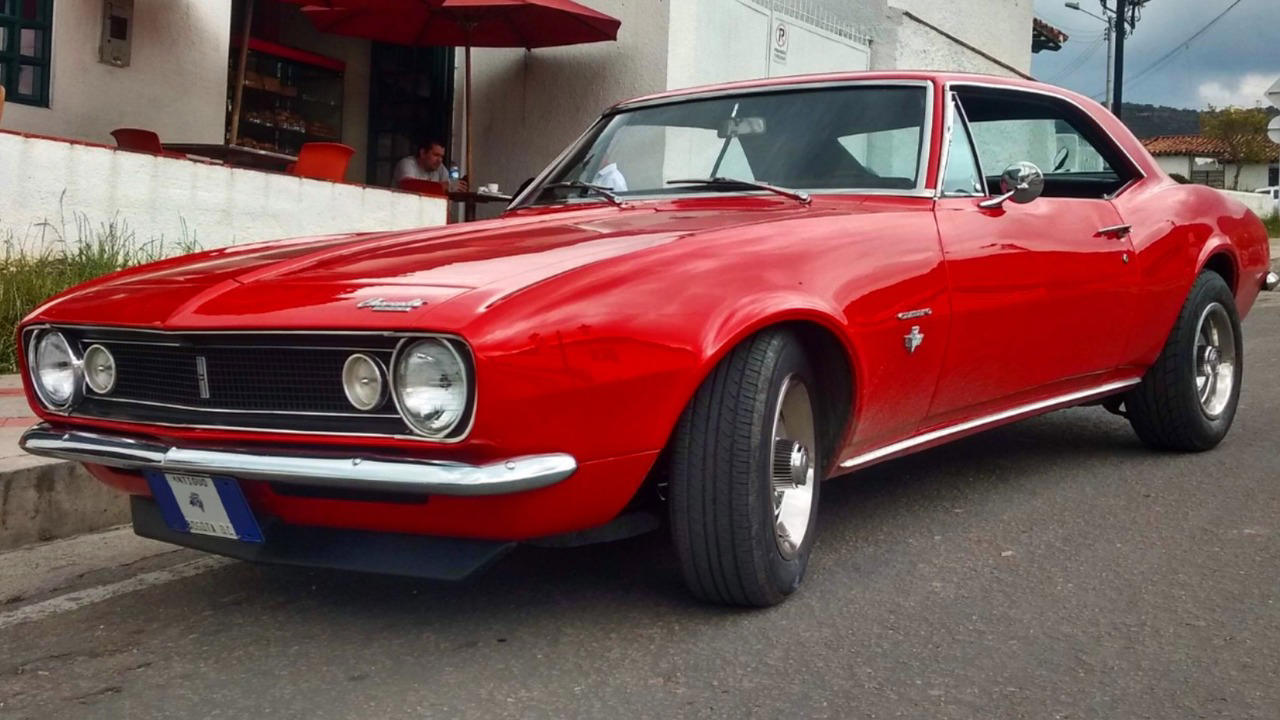
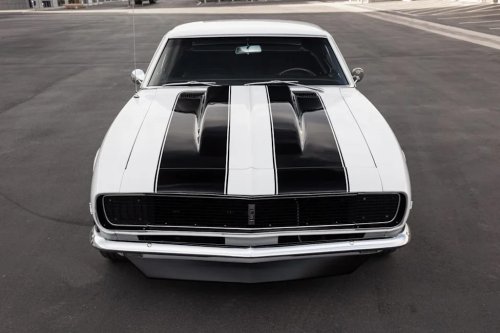
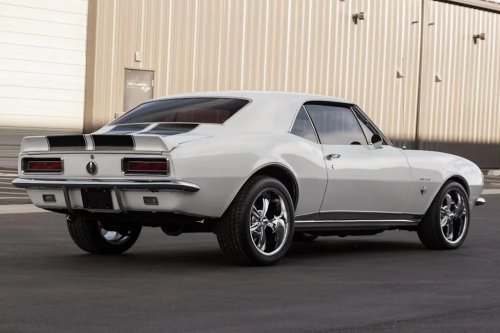
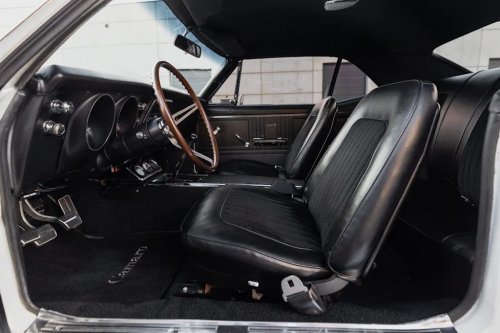
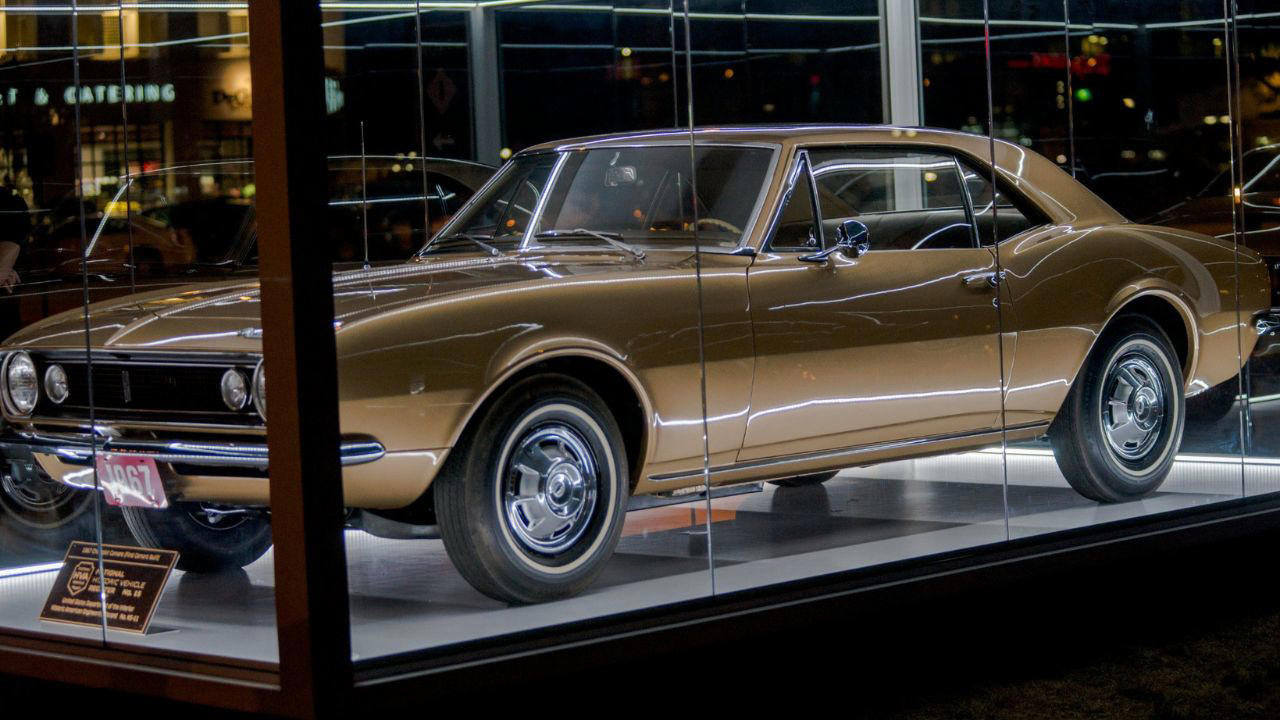
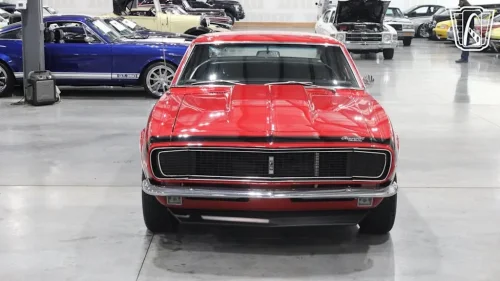
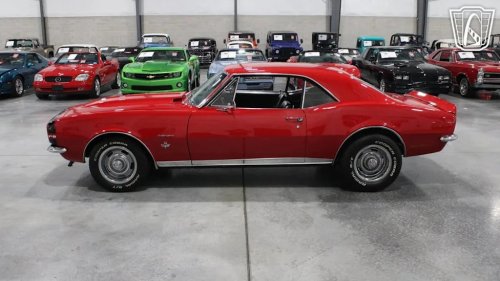
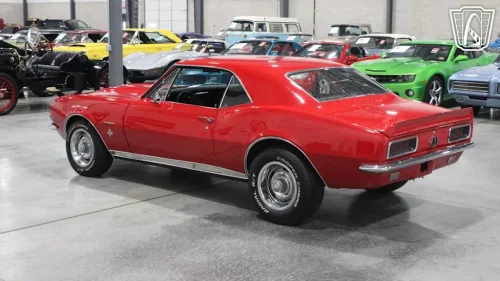
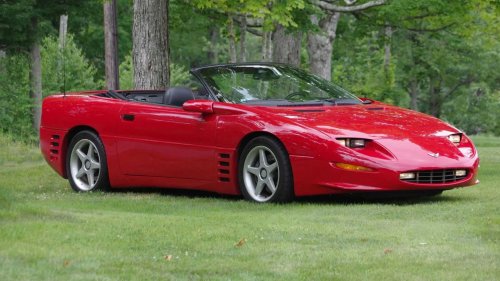
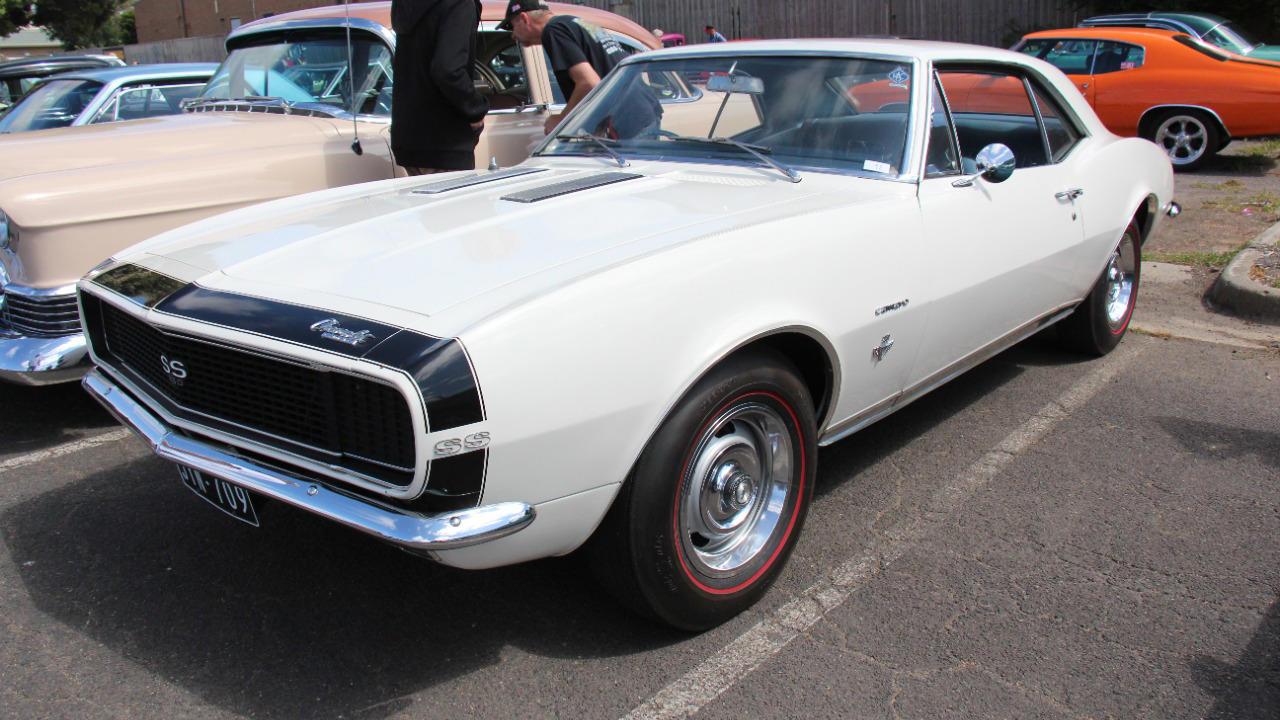
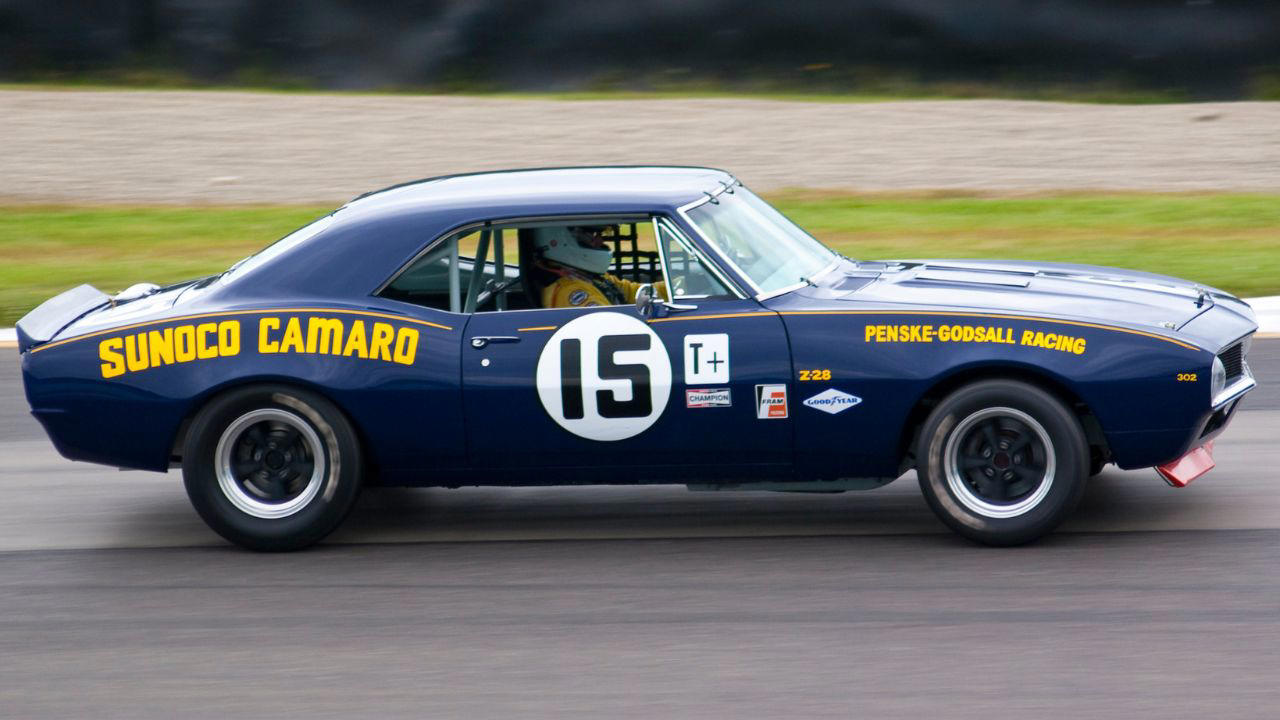
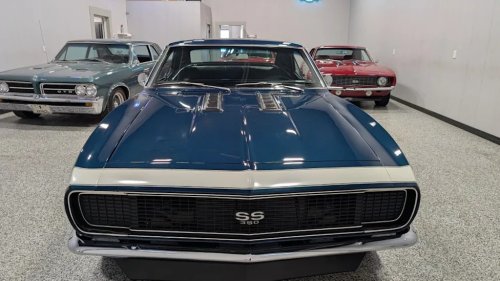
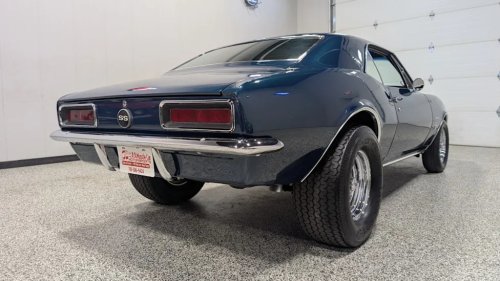
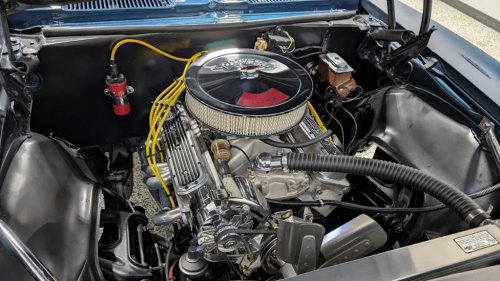
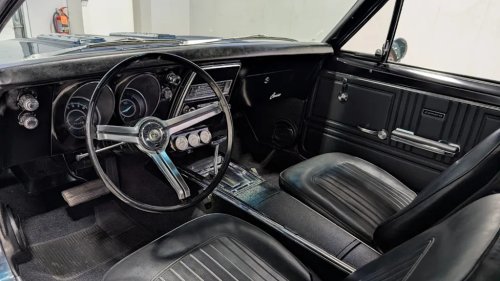
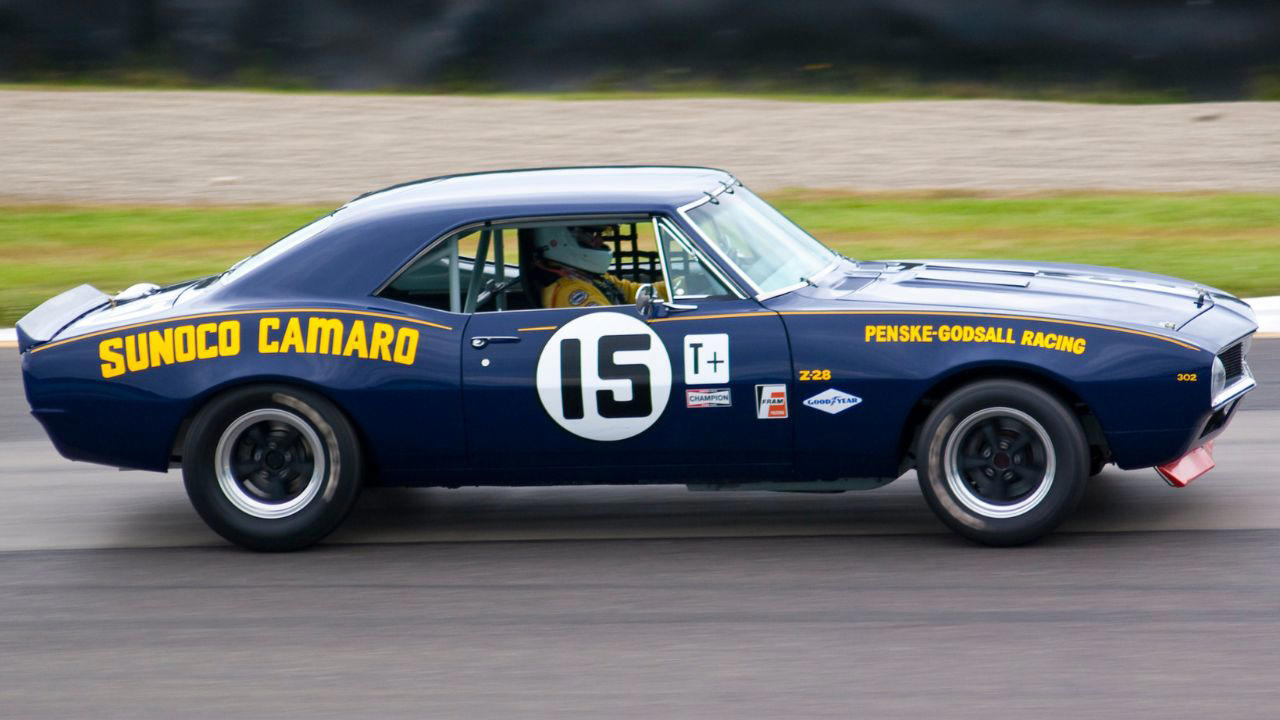
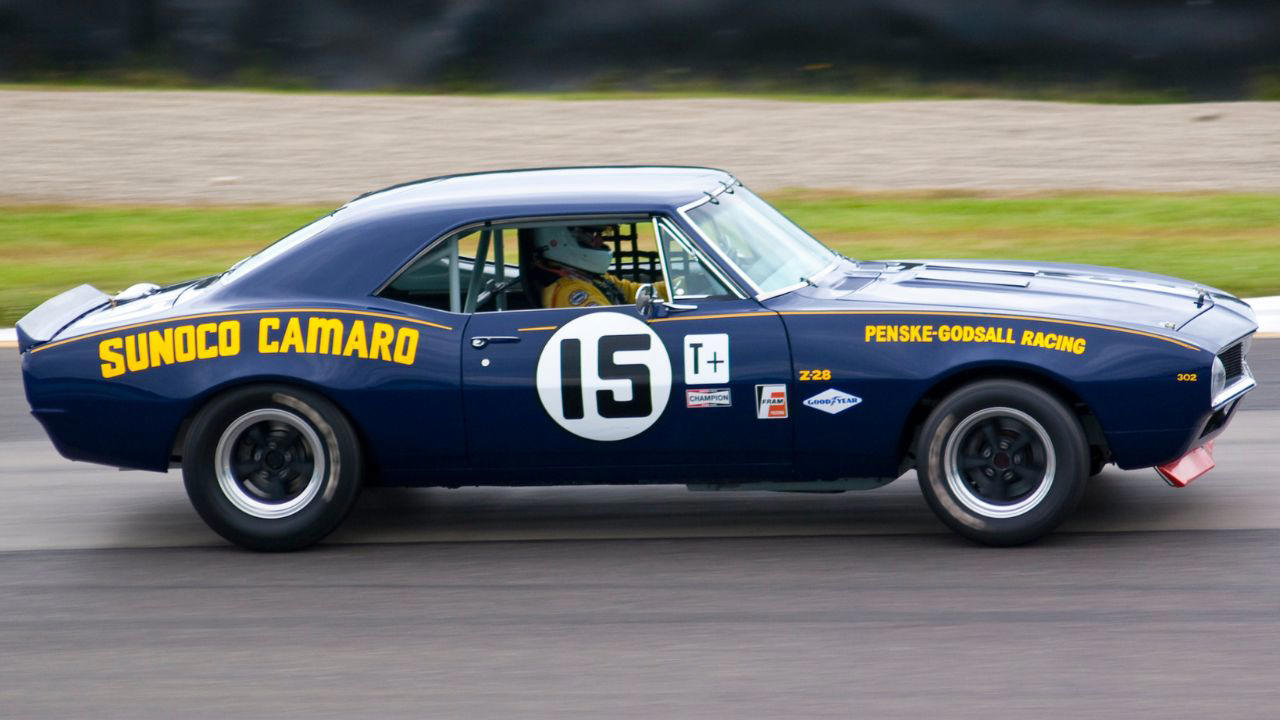
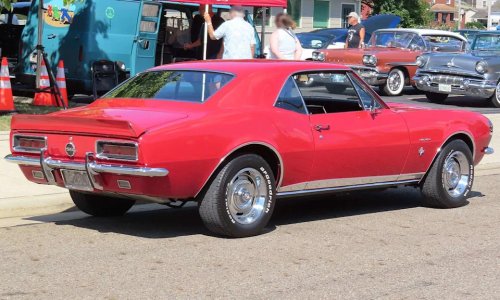
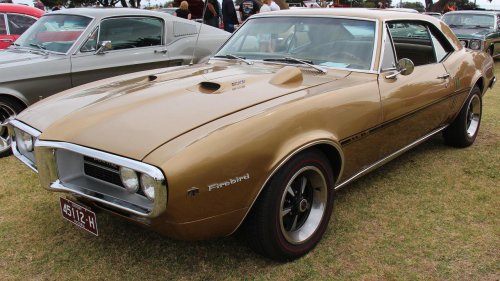
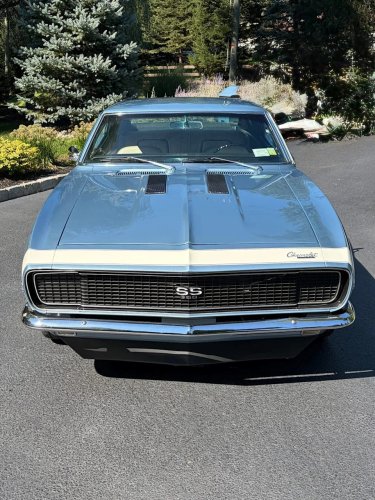
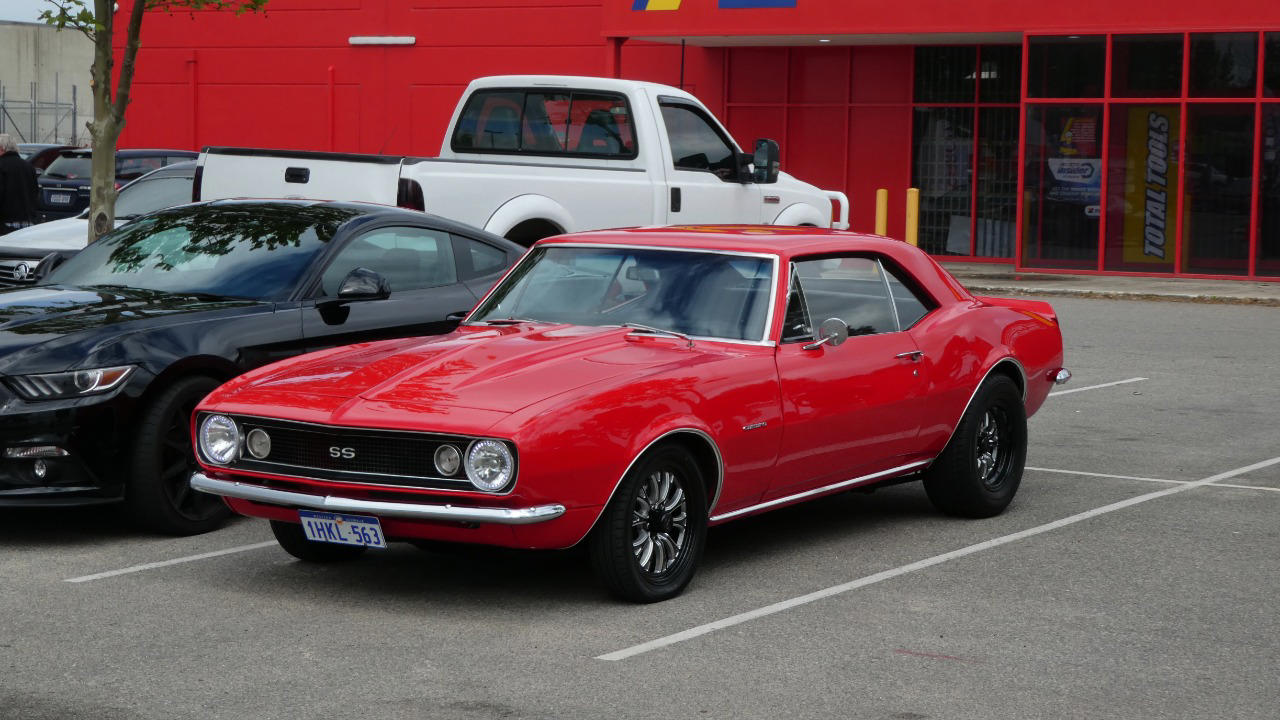
Mechanics warn the 1967 Camaro had early build quality issues buyers noticed fastThe first-generation Camaro arrived as Chevrolet’s fast answer to the pony-car wars, but the earliest 1967 cars carried rough edges that owners spotted almost immediately. Mechanics who live with these cars today say the legend is real, yet so are the build quality compromises that showed up in drivetrains, suspension, and bodywork long before nostalgia could smooth them over. Those flaws have not dented values. A clean 1967 convertible with a 327 can still trade hands for around $80,000, which means buyers are paying real money for cars that often need equally real correction. Understanding where Chevrolet cut corners and how those choices play out six decades later is now part of the due diligence for anyone chasing an early Camaro. Born fast, built in a hurry The 1967 launch put Chevrolet in direct combat with Ford’s Mustang, and the pressure to get cars into showrooms quickly shaped how the Camaro was engineered and assembled. Period testers sampled everything from a modest 250 Six to a muscular SS350, and even in those early drives, they found that the Camaro’s chassis did not always feel as composed as rivals. One detailed comparison noted that the 1967 Firebird rear suspension was a better choice than the Camaro setup, and that verdict has held up in the memories of owners who lived with both cars. That same road test highlighted how the two cars, a pair of 1967 Camaros, offered plenty of choices in engines and trim yet still shared the same basic compromises in structure and suspension. The evaluation, now preserved in images of the original magazine pages, shows how testers pushed the 250 Six and the SS350 hard enough to expose axle hop and body quivers that would later become familiar complaints among mechanics. Rear suspension that fought the driver Ask almost any shop that services early pony cars, and the 1967 Camaro’s rear suspension will come up quickly. Enthusiasts who work on these cars describe how 67 Camaros had a lot of wheel hop because the rear shock mounts sat on the same side of the axle. Under full-throttle launches, the axle tried to twist, the leaf springs wound up, and the tires chattered instead of hooking up. One experienced owner recalled seeing a lot of guys blow u joints as a direct result of that layout. The combination of torque and axle windup sent shock loads through the driveline that the universal joints were never meant to handle. Later model years received revised rear shock mounting points, and modern analysts explain that as Camaros were meant to be driven harder than a normal Chevy Nova, Chevrolet had to strengthen those weak links. That change is more than a historical footnote. For buyers and restorers, the early suspension geometry means extra scrutiny of the rear springs, differential mounts and driveshaft. Shops that specialize in these cars often recommend traction bars or updated shock arrangements to tame wheel hop, especially on cars that now run stickier tires and hotter engines than anything Chevrolet imagined in 1967. Body flex and cracked glass Underneath the styling that helped make the Camaro iconic, the early structure could feel surprisingly fragile. Contemporary testers reported that when drivers really flogged the engine, the body twisted enough to crack the windshield. One account put it bluntly, saying that apparently the engine was too much for the car’s body, and that aggressive use of the throttle would reveal the limits of the shell. Cowl shake and body flex are familiar to anyone who has driven an unrestored convertible of the era, but they showed up on coupes as well. Over time, the flex worked on spot welds and seams, especially around the firewall and A-pillars. Mechanics who inspect survivor cars today often look for ripples in the sheet metal near the base of the windshield, stress cracks in the dash frame and signs that the glass has been replaced more than once. Those structural shortcomings are not unfixable. Reinforcement plates, subframe connectors and careful seam repair can stiffen the shell, but they add cost and complexity to any restoration. For purists who want factory-correct presentation, the challenge is to strengthen weak areas without erasing the character that makes a 1967 Camaro recognizable at a glance. Rust, floors and quarter panels If the structure was marginal when new, time and climate have not been kind. In enthusiast groups that focus on first-generation cars, owners share a consistent warning: if it is a snow belt car, the floors and the rest of the sheet metal will rot. One commenter, Bob Beasley, put it in exactly those terms when asked about the first-gen Camaro floor and quarter issues. Another, Tom Gilliam, replied that the answer depends on when and where the car lived, but both agreed that moisture and road salt attack the same vulnerable areas. The trouble spots are predictable. The rear quarters trap dirt and water behind the wheel arches. Trunk drop-offs and the lower corners of the rear window channel collect moisture that eventually eats its way into the trunk floor. Rocker panels, toe boards, and the rear seat pan often show perforation long before the glossy exterior paint reveals the damage. On social media threads, photos of patchwork floors and lacy inner rockers have become a grim rite of passage for anyone dragging home a project. Professional buyers now assume that any unrestored 1967 Camaro from a rust-prone region will need extensive metal work, even if the outer panels look presentable. That reality feeds directly into pricing, since a car that needs full floor and quarter replacement can swallow restoration budgets before the drivetrain is even touched. Brakes that lagged behind the V8s Performance was the Camaro’s selling point, but the base hardware did not always match the power that owners demanded. Many 1967 cars left the factory with drum brakes on all four corners. Modern buyers who have sampled those systems describe how drum brakes are not up to V8 performance and advise shoppers to look for a car with front discs or plan for an upgrade. The warning is especially pointed for cars with larger engines. A 1967 Chevy Camaro RSS reviewed in a popular video featured a 6.5 liter V8, a combination that delivers the kind of straight-line speed that exposes any weakness in the braking system. Enthusiasts who drive similar builds today often report long pedal travel, fade on repeated stops and a general lack of confidence when traffic closes up quickly. Mechanics who specialize in these cars now treat front disc conversions as a near-essential safety update. The goal is not to erase the period feel, but to give the car stopping power that matches the acceleration owners expect from a classic muscle machine. What barn finds reveal about early build quality For all the nostalgia around untouched survivors, the barn find phenomenon has also exposed how fragile some original components were. One enthusiast who shared a story about a barn find 67 Camaro RS that had been sitting for ten years was immediately told that belts and hoses should be replaced right off the bat. Others chimed in that the suspension needed a thorough inspection and that brakes, if original, were probably past saving. That kind of checklist is not just about age. It reflects how the factory parts were specified in the first place. Rubber bushings, fuel lines, and cooling system components that were barely adequate in 1967 do not age gracefully when parked. When they finally see pressure and heat again, leaks and failures are common. Shops that revive these long-dormant cars now expect to replace virtually every wear item before the first serious drive. That includes brake hydraulics, steering components, and often the entire exhaust system. The work uncovers the original build choices in a way that a polished show car never will, and it reinforces the idea that early Camaros were built to a cost, not to a standard of indestructibility. From mass-market coupe to high-dollar collectible Despite the flaws, demand for first-generation cars has only intensified. Buyers’ guides that track the market point out that convertibles with 327 engines, in good condition, can command around $80,000. Those same guides, which cover the 1967 to 70 model years, also remind shoppers that the Camaro was a volume product and that quality varied from plant to plant and from car to car. Specialists who advise on purchases of a used Chevrolet Camaro from 1967 to 70 often stress that documentation and inspection matter more than paint shine. They urge buyers to verify the original engine codes, check for evidence of collision repair, and look closely at the fit of doors and trunk lids, which can reveal whether the shell has sagged or been poorly repaired. The fact that a 60-year-old pony car can bring modern sports car money only raises the stakes. Auctions and dealers that focus on American muscle now treat the 1967 to 1969 Chevrolet Camaro as a blue-chip collectible. That status has encouraged some owners to cut corners on cosmetic restorations, which in turn has created a market for second and third restorations that finally address the structural and mechanical weaknesses that were ignored the first time around. Restoration mistakes that magnify factory flaws Interior and trim suppliers who work with first-generation Chevrolet Camaro owners see the same pitfalls repeatedly. One restoration guide aimed at these cars warns that whether the project is a mild refresh or a nut-and-bolt rebuild, skipping proper rust repair and structural reinforcement can leave an expensive car with the same problems it had when it rolled off the line. Common mistakes include welding new floor pans over rusty originals, failing to brace the body before cutting out major sections, and ignoring the alignment of the subframe to the rest of the shell. Each shortcut can amplify the factory’s marginal stiffness and lead to doors that never quite shut correctly or glass that continues to crack at the corners. Experienced shops also caution against overbuilding the engine without upgrading the rest of the car. Dropping a modern high-output small block into a chassis that still carries 1967 suspension geometry, drum brakes, and worn steering gear is a recipe for disappointment. The car may feel spectacular in a straight line, yet terrifying when it has to stop or turn. How experts advise buyers to shop For anyone set on a 1967 Camaro, the consensus among mechanics and market analysts is clear. Start with structure. Inspect the floors, quarters, and subframe attachment points, ideally on a lift, and assume that any bubbling or swelling in the paint hides more serious corrosion. Pay particular attention to the snow belt cars that Bob Beasley warned about, and remember Tom Gilliam’s reminder that the extent of damage depends on climate and storage. Next, assess the suspension and driveline. Look for signs of wheel hop damage around the rear axle, including worn spring perches and stressed U-joints. Confirm whether the car still carries the original rear shock layout that caused trouble on many 67 Camaros, and budget for upgrades if spirited driving is part of the plan. More from Fast Lane Only Unboxing the WWII Jeep in a Crate 15 rare Chevys collectors are quietly buying 10 underrated V8s still worth hunting down Police notice this before you even roll window down



















 +6 others