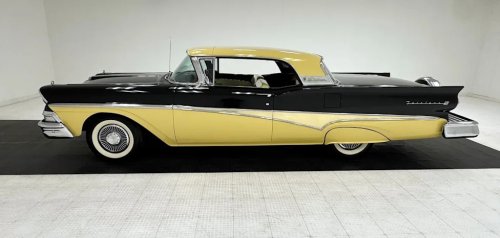
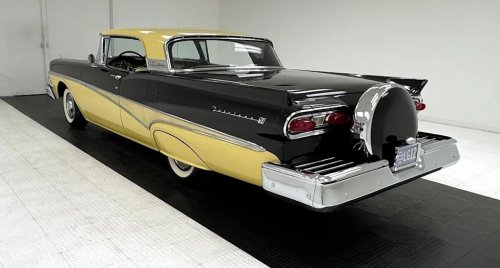
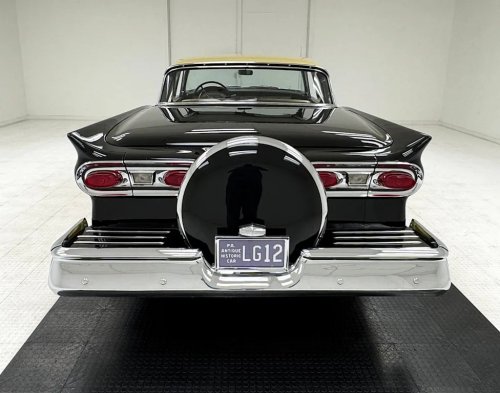
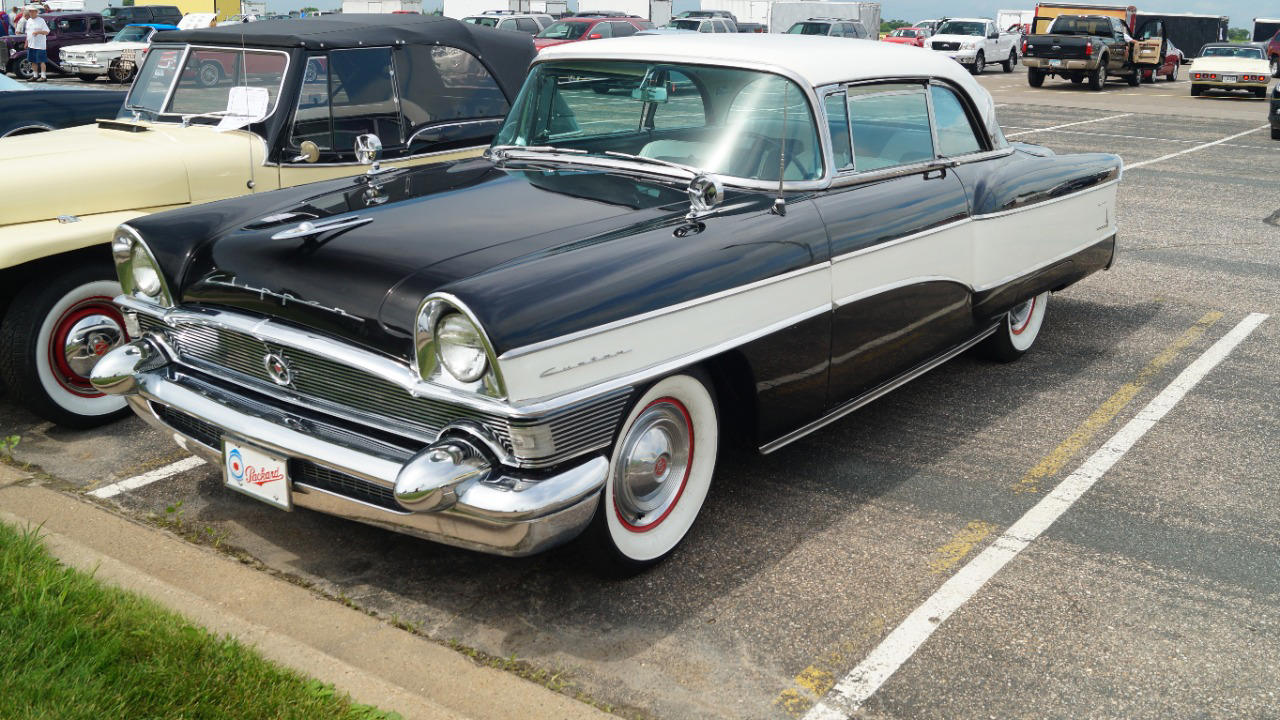
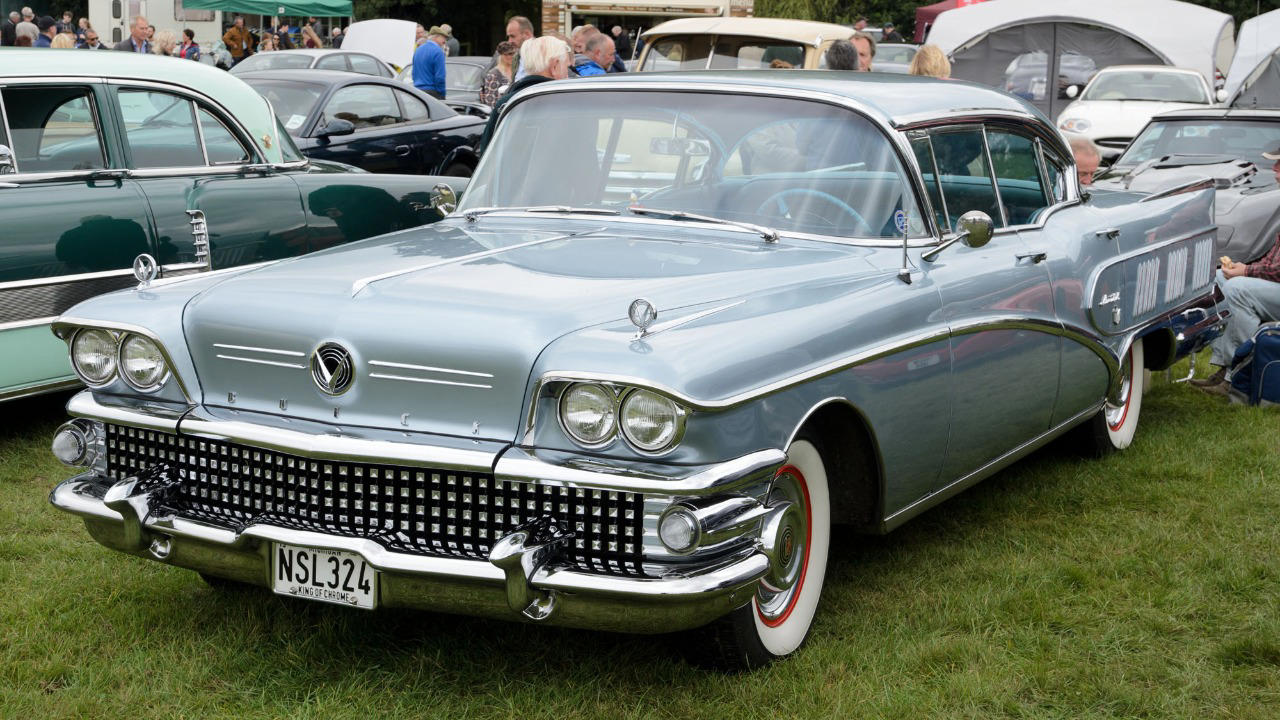
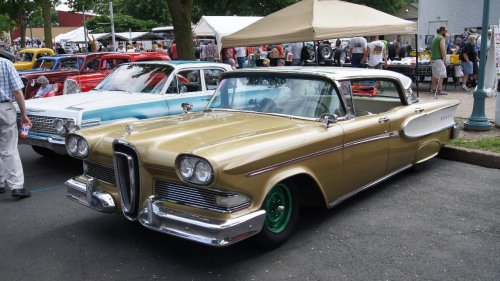
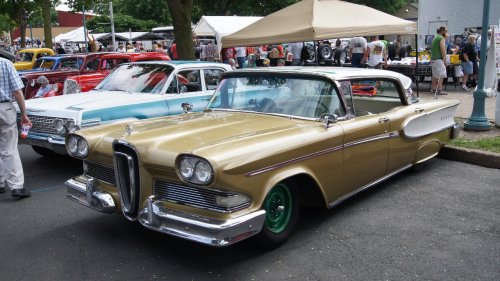
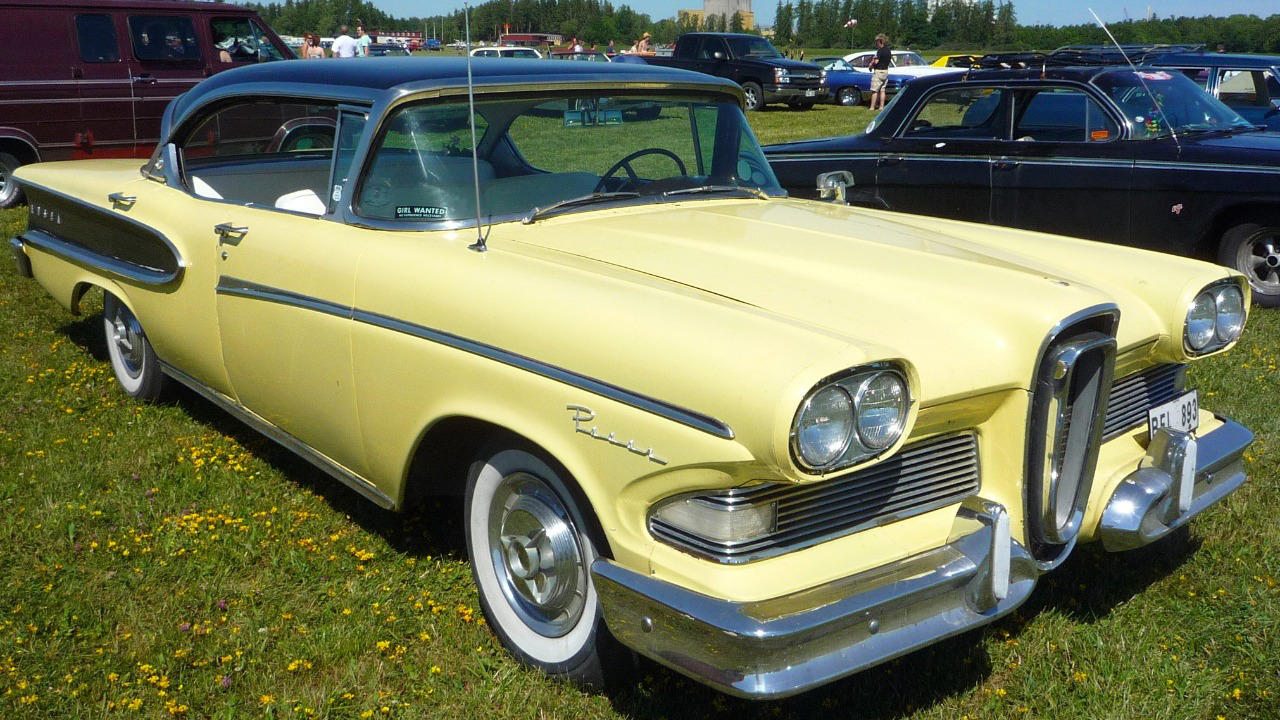
Mechanics warn the 1958 Edsel Pacer’s parts availability can complicate restorationsThe 1958 Edsel Pacer has finally crossed the line from punchline to prized survivor, but the same quirks that once doomed it now complicate restorations. Mechanics and owners say the car’s mix of common Ford hardware and short-run, Edsel-only trim turns even simple jobs into parts hunts that can stall projects for months. Under the skin, the Pacer often accepts familiar Ford components. Around the edges, however, missing ornaments, model-specific controls and one-year-only hardware can turn a cheap barn find into an expensive jigsaw puzzle. The Edsel that is and is not a Ford On paper, the Pacer shares much of its chassis and running gear with contemporary Ford models, which helps explain why one detailed feature on a 1958 Edsel Pacer notes that rebuilding the underlying frame and suspension is “straightforward” and “not terribly expensive” thanks to the “universal availability of Ford parts” for the basic structure and driveline that sit under an Edsel chassis. That compatibility matters for items like control arms, basic brake hardware and many engine internals. Yet the Pacer was never just a rebadged Ford. A period comparison that places the 1958 Edsel Pacer 4-door next to a 1958 Ford Fairlane 500 points out that the Edsel line used its own mix of engines and equipment, and notes that the 345 hp (257 kW) 410 cu in (6.7 L) MEL V8 was reserved for the Corsair and Citation, not the Pacer. That already hints at a fragmented parts universe where some components cross over and others do not within the same family, especially when the 345 and 410 figures are tied to a MEL design that sat above the Pacer in the Corsair and Citation range through that MEL Corsair and specification. This mix of shared and unique hardware is exactly what keeps mechanics cautious. They can source a Ford-style wheel cylinder or universal bushing easily, but a Pacer-specific control knob or steering column part might be unobtainable at any price. Mechanical parts: easier, but not always simple The good news for owners is that many wear items for the 1958 Edsel Pacer still exist in the regular aftermarket. A brake job, for example, can often be handled with reproduction parts that slot into Ford-based systems. One catalog listing shows a replacement brake master cylinder specifically tagged for a 1958 Edsel Pacer, proof that at least some hydraulic components remain available from mainstream suppliers that still stock a dedicated brake master cylinder for the model. Fuel system parts tell a similar story. Aftermarket companies still sell carburetor repair kits that name the Pacer directly, such as a Walker Products kit that covers the 1958 Edsel Bermuda, Citation, Corsair, Pacer, Ranger and Roundup, indicating that some engine ancillaries are shared across the whole range and can be serviced with a single carburetor repair kit. Another Walker kit lists coverage for the 1958 Edsel Citation, Pacer, Ranger, Roundup and Villager, again confirming that rebuildable carburetor hardware remains in circulation through a second carburetor kit that includes the Pacer in its application range. These listings support what many mechanics say in private. If the job involves brake hydraulics, fuel metering or basic engine gaskets, the Pacer behaves like any other late-fifties Ford product. The work is not cheap, but it is predictable, and a patient shop can usually find what it needs through specialty warehouses or online catalogs. When even a tow becomes a surgery Trouble starts when years of neglect turn routine service into emergency surgery. In one retrieval video that follows a 1958 Edsel Pacer and a 1955 Ford Fairlane Victoria out of long-term storage, the rescuers run into a seized brake drum that will not release, and they explain on camera that “they actually cut part of the drum out to get that to be able to get it to roll,” a drastic step that shows how corrosion can force destructive methods just to move the car, as documented when they literally cut part of the drum in the brake drum retrieval. Once a mechanic cuts apart original hardware to free a locked wheel or frozen suspension, the car is committed to replacement parts that may not exist off the shelf. In the case of a drum, a compatible Ford unit might be sourced with careful cross-referencing. If the same operation destroys a Pacer-only backing plate or parking brake lever, the search becomes much harder. Veteran restorers say this is why they beg owners not to drag a long-dead Edsel around a yard with locked wheels. Every improvised move risks sacrificing original components that cannot simply be reordered from a catalog. Trim and ornaments: the real bottleneck Mechanical parts can usually be replaced or adapted. Exterior and interior trim is where the 1958 Edsel Pacer really tests a restorer’s patience. A discussion among enthusiasts earlier this year captured the problem in blunt terms. One experienced owner listed “Hard to find parts” as a top concern and warned that seemingly minor pieces such as the original hood ornament and other decorative items are often missing and very difficult to replace, making “Hard to find parts” a recurring theme in any conversation about a 58 Edsel watch. Another owner who also keeps a 1966 Mustang framed the contrast even more sharply. In that account, the Edsel enthusiast advised potential buyers to “Make sure that the Edsel you are thinking about buying has all of its parts,” then contrasted the situation with the Mustang, where “you can buy” virtually any needed replacement, highlighting how a 1966 Mustang enjoys a vast reproduction ecosystem while the Edsel line, including the Pacer, does not, which is why the same Owner Make Edsel comment reads like a caution label for first-time Edsel shoppers. The message from both voices is consistent. A Pacer that looks complete, even if it is rusty or non-running, is often a better starting point than a cleaner shell missing key ornaments and interior trim. Replating a pitted part is expensive, but it is usually cheaper than chasing a missing one that may only appear once a year on an online auction site. Quirky features that are hard to duplicate The Pacer also carries several design touches that are unique to the Edsel experiment and that complicate restorations when they fail. Video walkarounds of the 1958 Edsel highlight unusual layout choices and controls, describing the 1958 model as “one of the most unique cars in automotive history” and reminding viewers that, while it “was a flop in the sales room and only laste…” a short time, its “strange, cool and quirky” features make it stand out, as one overview of those quirks puts it while focusing on the heat controls and other unusual details of the Strange Cool Quirky design. Those quirks include specialized switchgear, distinctive steering components and model-specific dash layouts that do not match other Ford products. When these parts wear out or crack, a mechanic cannot simply grab a generic replacement from a bin. The shop either has to repair the original piece, often through delicate plastic welding or custom machining, or search for a used component that may be just as fragile. Because the Pacer sold in relatively modest numbers, there is no large-scale reproduction industry focused on its unique controls. That leaves owners dependent on donor cars, small-batch artisans or creative adaptation, each of which adds time and cost to a restoration. Why the parts pipeline never fully formed The scarcity of Pacer-specific parts has roots in the car’s short and troubled history. Retrospectives on the Edsel project describe a program that soaked up enormous investment, with one account pointing out that Ford “once spent a quarter billion dollars on a car so bad it killed the careers of everyone who touched it,” a stark description of how the Edsel name became shorthand for corporate failure in a quarter billion disaster. Other analyses of the 1958 Edsel Citation, the more expensive sibling to the Pacer, argue that people still argue about what really doomed the car, and that “the truth hides in places most folks never bother to look,” a line that captures how complex the failure was, as one breakdown of the “most expensive failure” in the Edsel family suggests while discussing why the Dec Edel But story still fascinates enthusiasts. A separate historical overview notes that the short-lived Ford Edsel ended up competing directly with other Ford products, creating buyer confusion, while “Quality Issues Reliability was a si…” persistent problem, which meant that the Edsel line, including the Pacer, never built the loyal customer base that later supported rich parts catalogs for models like the Mustang, as summarized in a discussion of how the Edsel Quality Issues undercut the brand. Because the Pacer did not stay in production for long and never reached the volume of other Ford nameplates, aftermarket manufacturers had little incentive to tool up full reproduction lines. The result is a patchwork supply chain that covers common wear items but leaves cosmetic and low-volume parts unsupported. Modern data and old cars Digital tools are starting to help, but they do not fully solve the problem. Online commerce platforms increasingly rely on product knowledge graphs that aggregate information from brands, stores and other content providers, building a network of “Product information” that can surface obscure items when a shopper types in a specific year and model, as explained in an overview of how one large shopping system maps Product information across the web. For a 1958 Edsel Pacer owner, that means a search for a master cylinder or carburetor kit is more likely to return the correct part than it would have a decade ago. Listings that specifically tag the Pacer and its siblings show up quickly, and buyers can compare prices and suppliers with a few clicks. What those systems cannot do is conjure new-old-stock hood ornaments or steering wheels that were never reproduced. If no merchant has a given trim piece in inventory, no amount of data aggregation will make it appear. The technology helps mechanics avoid ordering the wrong part, but it cannot expand the underlying supply of rare components. Specialist suppliers and verification Because the Pacer depends on a thin aftermarket, owners often lean on a small group of specialist suppliers. Some of these companies operate dedicated sites for vintage parts and list Edsel applications among broader catalogs. One such operation promotes its auto parts business online, with a corporate site that explains how the brand, identified as Sixity, ties together multiple channels that were originally Discovered Untitled through a cross-link from its retail arm. Buyers who rely on niche vendors also pay attention to trust signals. A business profile for Sixity Inc. on a consumer protection site lists the company as a “new auto parts” provider and offers a standard accreditation seal, which shows how enthusiasts can check a seller’s track record before ordering rare components that might only exist in one warehouse, as indicated by the Discovered Untitled listing. More from Fast Lane Only Unboxing the WWII Jeep in a Crate 15 rare Chevys collectors are quietly buying 10 underrated V8s still worth hunting down Police notice this before you even roll window down



















 +39 others