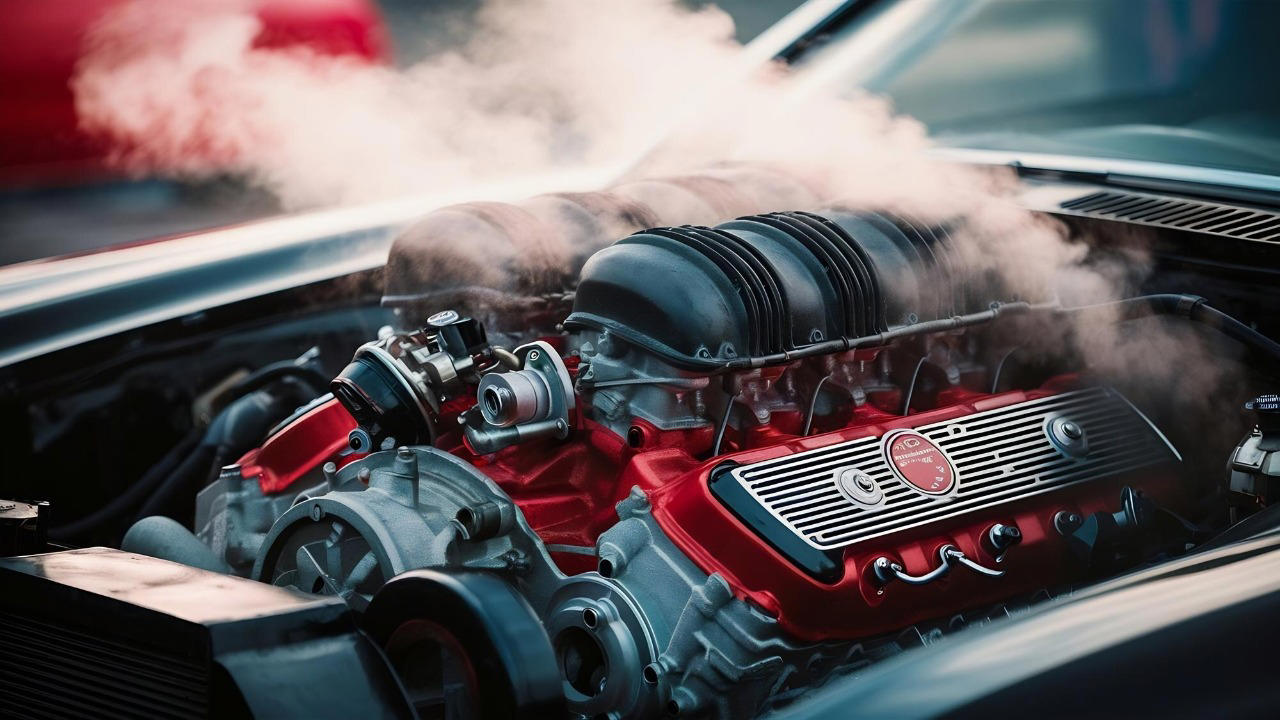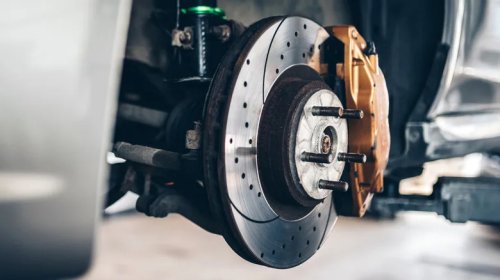



















Mechanics warn drivers that this burning smell inside a car should never be ignoredIf you’ve ever caught a whiff of something “hot” inside your car and thought, “Eh, it’ll probably go away,” you’re not alone. But mechanics say one particular burning smell should flip your internal hazard switch right away. It’s the kind of odor that can start as a minor annoyance and end as a very expensive day—or worse. The big warning sign: a sharp, acrid burning smell that resembles burning plastic, rubber, or electrical insulation. It might show up briefly and vanish, or it might hang around and get stronger, especially when you’re accelerating, braking, or running the air conditioning. Either way, it’s not a smell to “drive through.” The burning smell that gets mechanics’ attention fast Ask a few mechanics what smell makes them most nervous, and you’ll hear a common theme: electrical burning. It’s that biting, chemical-like scent—often compared to hot plastic, a melting phone charger, or an overheated hair dryer. If it’s coming through your vents or you notice it near the dashboard, that’s an especially big clue. The reason it’s taken so seriously is simple: electrical issues can escalate quickly. A wire can short, heat can build, insulation can melt, and nearby materials can ignite. Modern cars have fuses and protections, sure, but “protected” doesn’t mean “invincible.” What could be causing it (and what it might smell like) Not all burning smells are identical, and the scent can help point to the likely culprit. A melting-plastic smell often suggests overheating wiring, a struggling blower motor, a resistor, or a connector that’s loose and arcing. A rubbery burn can point toward a slipping belt, a pulley issue, or rubber contacting something hot. An oily burn is its own category: oil or fluid dripping onto a hot surface like the exhaust manifold. That can smell like hot asphalt or a greasy, smoky scent that gets worse after the engine warms up. It’s not “as instantly scary” as an electrical burn, but it still needs attention because it can lead to smoke, engine damage, or even fire if it’s leaking onto the exhaust. Why it’s worse when the smell shows up inside the cabin If the burning odor is outside the car, you at least have some distance from it. When it’s inside the cabin, it usually means the smell is being pulled in through the ventilation system, seeping through the firewall, or coming from an interior component. That narrows the list to things that can directly affect your ability to see, breathe, and drive safely. For example, an overheating blower motor or a failing resistor pack can produce a burning smell through the vents, sometimes paired with weak airflow or a fan that only works on certain speeds. Electrical faults behind the dash can also trigger warning lights, flickering displays, or weird glitches that show up like a car’s version of “I’m not feeling so good.” Quick checks you can do in a parking lot First things first: if the smell is strong, or you see smoke, treat it as urgent. Safely pull over, turn off the engine, and get everyone out of the car. A small problem can turn into a big one fast when heat and electricity get involved. If it’s faint and you’re in a safe place to investigate, try narrowing it down with a few simple observations. Does it happen only when the A/C or heat is on? Does it show up during hard braking or when you accelerate? Does it smell more like plastic, rubber, or oil? Pop the hood and take a cautious look—no touching hot parts. Check for obvious smoke, melted plastic, or a belt that looks shiny, frayed, or off-track. Also glance at fluid levels if you know how; low oil or a power steering leak can sometimes contribute to burning smells when fluid hits hot components. When to stop driving immediately Mechanics are pretty consistent on this: if the smell is sharp and electrical, stop driving as soon as it’s safe. The same goes for any visible smoke, a burning smell that suddenly gets stronger, or a smell paired with warning lights, loss of power, or strange electrical behavior. Your car shouldn’t smell like it’s auditioning for a toaster’s job. If the odor is mild and seems connected to something like a spilled fluid or a new part bedding in, you might be able to drive a very short distance to a shop. But if you’re guessing, the safest move is to call for help. A tow is annoying; a car fire is life-disrupting. Common real-world culprits mechanics see all the time One frequent offender is a slipping serpentine belt. When belts slip, they can generate heat and a burnt-rubber smell, and you might also hear squealing. A failing pulley or tensioner can cause the belt to drag and overheat even if the belt itself looks “fine” at first glance. Another common issue is brakes. If you smell something burning after driving in stop-and-go traffic or down a long hill, your brakes could be overheating. A stuck caliper can keep a pad dragging on the rotor, creating constant friction and heat—often with a sharp smell and sometimes a wheel that feels unusually hot. Then there are oil and coolant leaks. A valve cover gasket leak can drip oil onto the exhaust and create that hot, smoky smell that seems to appear once the engine warms up. Coolant can smell sweet, but when it hits hot components it can mix with other odors and confuse the situation, so it’s worth getting checked. And yes, electrical problems: a failing alternator, a shorting wire, a damaged ground, or an aftermarket accessory that wasn’t installed cleanly. Phone chargers, dash cams, stereo amps, and remote starters are great—until a pinched wire or overloaded circuit turns them into a heat source. What to tell the shop so they can diagnose it faster When you call or arrive at a repair shop, a few details can save time and money. Tell them when the smell happens (startup, highway speed, braking, A/C on), how long it lasts, and whether it’s getting worse. Mention any recent work—new brakes, a battery replacement, audio installs, or even an oil change—because fresh changes can sometimes reveal or trigger hidden issues. If you noticed smoke, where it seemed to come from matters a lot: vents, engine bay, wheel well, or under the car. Also mention any extra symptoms like squealing, a burning sensation in the eyes (common with electrical smoke), warning lights, or a fan that suddenly changed behavior. The goal isn’t to diagnose it yourself—it’s to give the mechanic a solid trail of breadcrumbs. A quick note on “normal” smells (and why they can still fool you) Sometimes there really is an innocent explanation: a plastic bag stuck to the exhaust, spilled oil burning off after service, or new brakes bedding in. Those smells usually fade quickly and don’t come with smoke, warning lights, or repeated returns. The tricky part is that “usually” isn’t “always,” and the nose isn’t a precision instrument. If the smell comes back, gets stronger, or starts showing up inside the cabin, treat it like a real problem until proven otherwise. Cars are pretty good at giving hints before they break—burning smells are one of the louder hints. Your future self (and your wallet) will appreciate you listening. More from Fast Lane Only Unboxing the WWII Jeep in a Crate 15 rare Chevys collectors are quietly buying 10 underrated V8s still worth hunting down Police notice this before you even roll window down The post Mechanics warn drivers that this burning smell inside a car should never be ignored appeared first on FAST LANE ONLY.