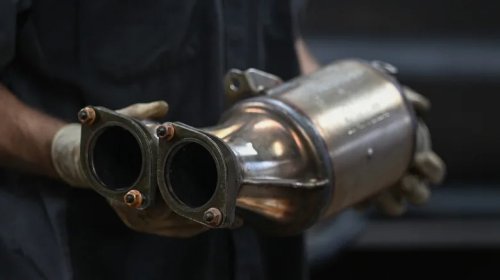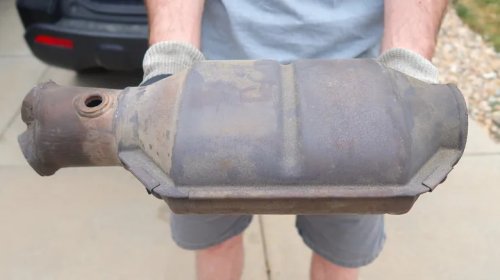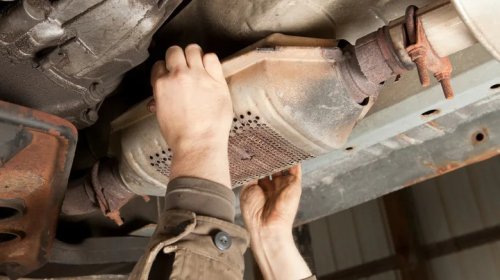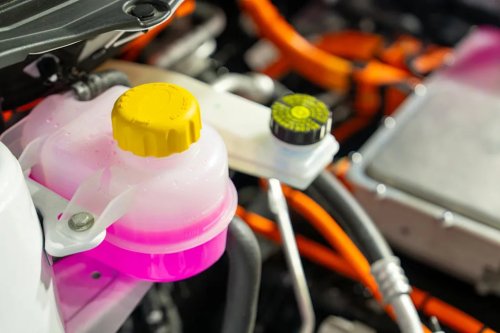



















Why ignoring this smell inside your car can be dangerousInside a closed cabin, a strange smell is more than a nuisance; it can be an early warning that something under the hood, under the floor, or inside the vents has turned dangerous. From fuel leaks to electrical shorts, odors that linger in a vehicle often appear before a warning light ever does. Ignoring that first whiff can turn a fixable problem into a fire risk, a health hazard, or a breakdown at highway speeds. Drivers also tend to adapt quickly to new scents, especially if they build gradually over days or weeks. That habit makes it easy to dismiss a faint gas smell, a musty breeze from the vents, or a hint of burning after parking. Yet each of those signals points to a specific fault that can threaten both safety and long-term repair costs if it is left to worsen. When “that gas smell” signals real danger A gasoline odor inside or around a vehicle is one of the clearest signs that something is wrong, because modern fuel systems are designed to be sealed. Technicians warn that if a driver notices a persistent gas smell in or near the cabin, there may be a leak in a fuel line, a failing injector, or an issue with the evaporative emissions system that allows vapors to escape instead of being routed back to the engine. Guidance from repair shops stresses that even a faint gasoline odor around your car should be treated as a fault, not as a quirk, because those vapors are flammable and can ignite if they reach a hot surface or spark. Health agencies note that breathing gasoline vapor can irritate the respiratory tract and affect the central nervous system, with symptoms ranging from headache and dizziness to nausea and irritation of the eyes, nose, and throat, according to medical management guidelines. Insurance safety guidance notes that gasoline vapors are heavier than air and can collect in low areas, so a leak in a garage or enclosed space increases the risk of fire and inhalation exposure. For that reason, experts recommend shutting the engine off, avoiding open flames or smoking, and arranging a tow to a repair facility rather than attempting to “drive through” a fuel smell in the hope that it will fade on its own. Exhaust, rotten eggs, and the invisible threat to lungs While raw fuel has a sharp, unmistakable scent, exhaust and sulfur smells can be more subtle yet just as hazardous. A cabin that smells like exhaust often indicates that gases are leaking from the exhaust system before they reach the tailpipe, then being drawn into the interior through gaps or the ventilation system. Independent safety guidance explains that car exhaust contains carbon monoxide, nitrogen oxides, and other pollutants that are especially dangerous in enclosed or poorly ventilated spaces. A driver who feels drowsy, dizzy, or nauseated while smelling exhaust inside the cabin is facing a potential poisoning scenario rather than simple discomfort. Other exhaust-related odors can reveal different mechanical failures. A strong rotten egg or sulfur smell often points to a failing catalytic converter that is no longer processing hydrogen sulfide correctly, a problem that several repair guides group under “rotten eggs” or a “sulfur situation” when describing exhaust faults. Guidance on vehicle odors warns that drivers who keep vehicles longer may be more likely to encounter these smells in aging exhaust systems and advises them not to ignore sulfur or exhaust odors inside the cabin. Mechanics also caution that a musty or moldy scent from the vents can signal moisture and microbial growth in the HVAC system or cabin filter housing, which can aggravate asthma and allergies during daily use. Burning, electrical, and “hot” smells that hint at fire Burning odors inside a vehicle often arrive after a highway drive or a steep downhill stretch, and drivers sometimes assume they are normal. Experienced technicians disagree, explaining that a burning rubber smell can mean a slipping serpentine belt, a hose touching a hot component, or even a stuck brake caliper that overheats the pads and rotor. A detailed breakdown of burning smell causes in a vehicle notes that ignoring these signs can allow minor wear to progress into brake failure, damaged pulleys, or fire hazards if a belt or wiring harness ignites. Other “hot” smells can be just as telling. A burning oil odor, especially one that appears after parking, often means oil is leaking onto an exhaust manifold or other hot surface, where it smokes and produces a sharp, acrid scent. Guides on diagnosing interior odors explain that this type of leak can begin as a minor gasket seep yet eventually lower oil levels enough to damage the engine if left unrepaired. A hot plastic or electrical smell, sometimes accompanied by flickering lights or malfunctioning accessories, can indicate overheated wiring, a failing alternator, or a short circuit, problems that can melt insulation and ignite surrounding materials if the circuit is not inspected and repaired promptly. When smells make occupants sick, not just uncomfortable Some cabin odors are less about mechanical failure and more about what they do to the people breathing them. Research into indoor air quality inside vehicles has found that “new car smell” is a mix of volatile organic compounds from plastics, adhesives, and fabrics, and an analysis of cabin air in new vehicles documented elevated levels of several toxic chemicals in the first days after delivery. Over time, moisture, food debris, and skin cells can turn a vehicle interior into what one safety guide calls a “Petri dish,” with bacteria, mold, and allergens building up in seats, carpets, and vents. An insurance-backed explainer on vehicle-related illness notes that mold in the air-conditioning system can trigger headaches, coughing, and sinus irritation, and recommends cleaning and disinfecting the system if musty odors appear when the fan is running. More from Fast Lane Only Unboxing the WWII Jeep in a Crate 15 rare Chevys collectors are quietly buying 10 underrated V8s still worth hunting down Police notice this before you even roll window down