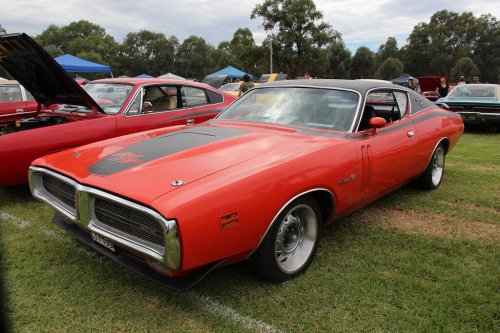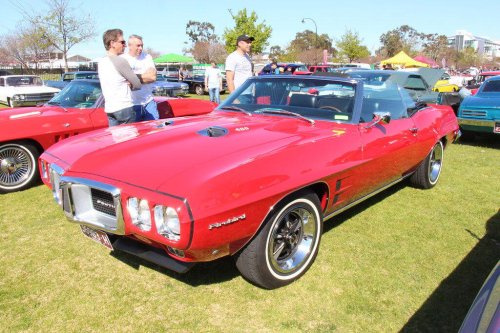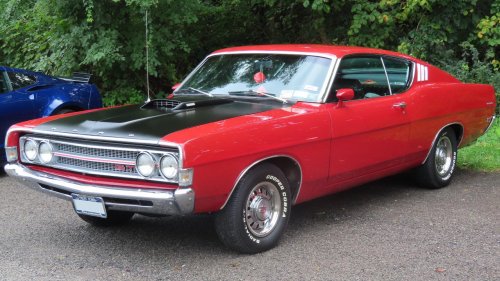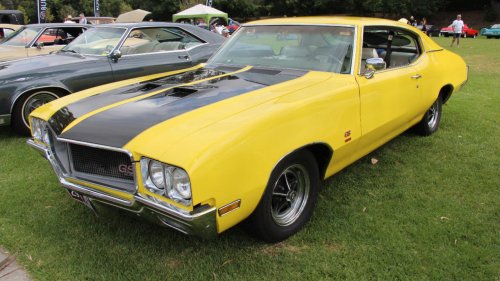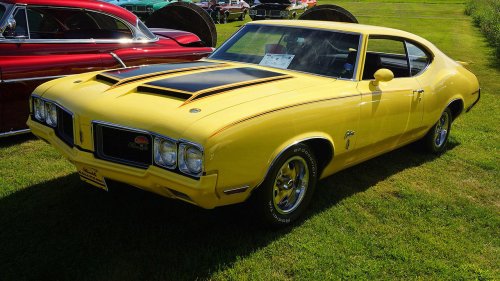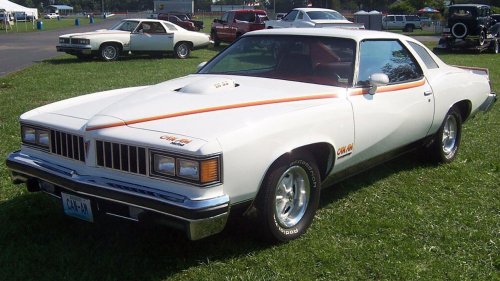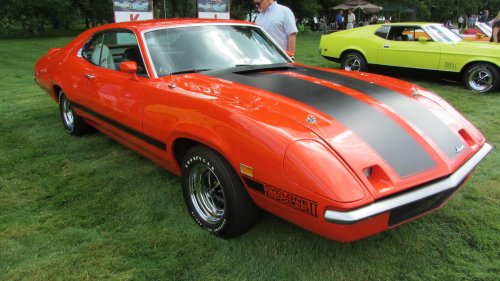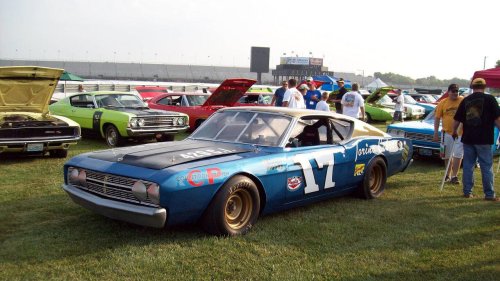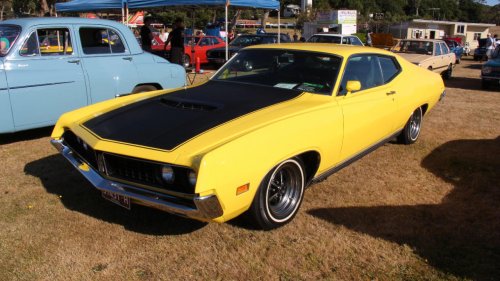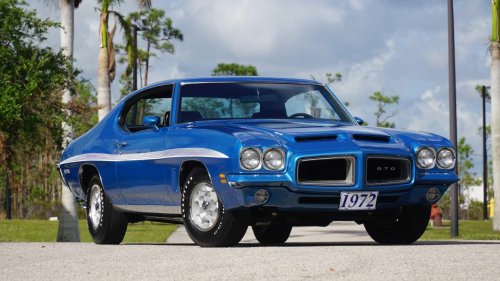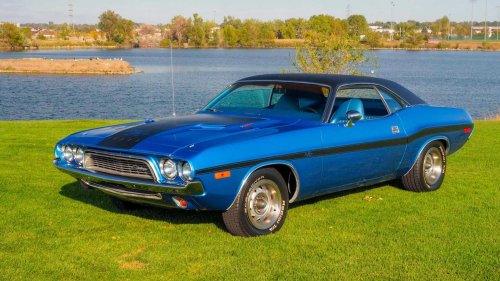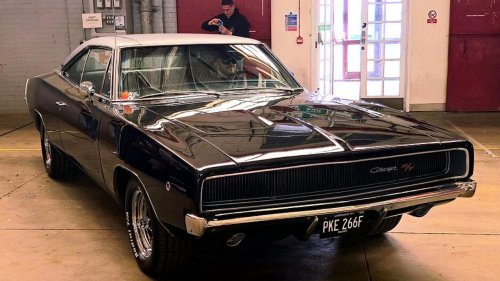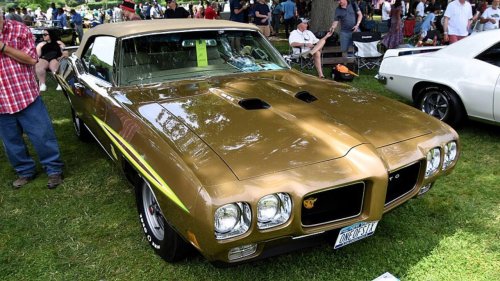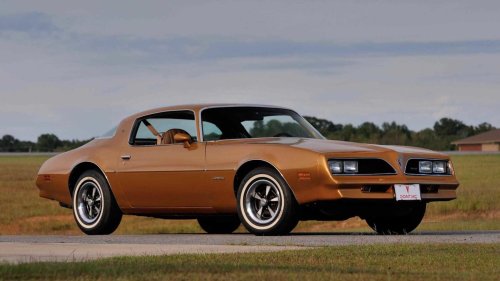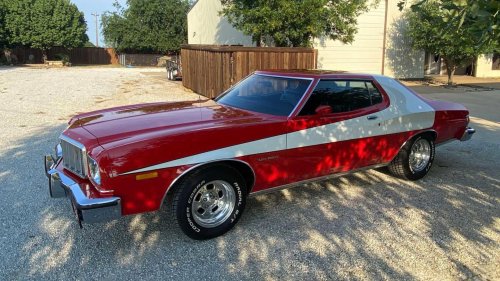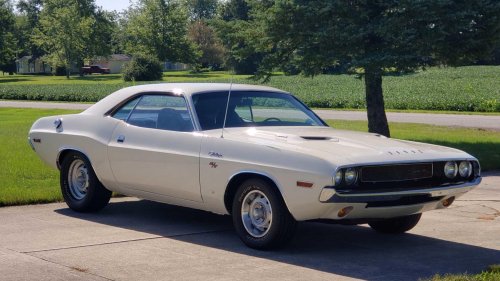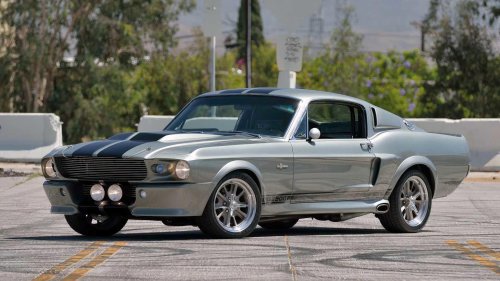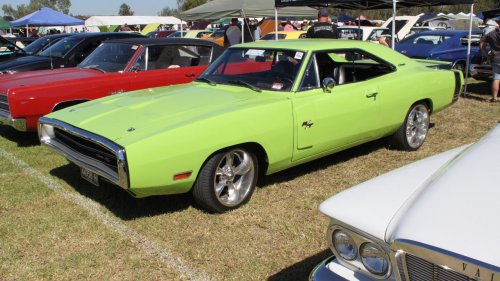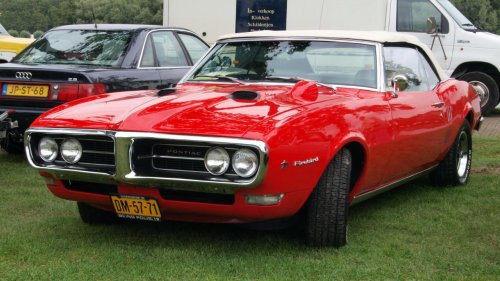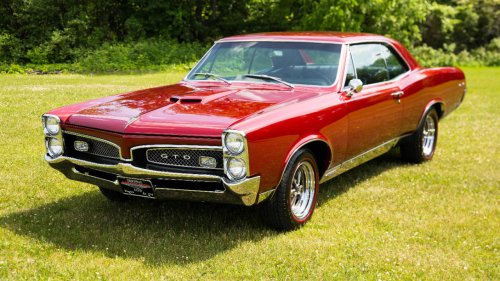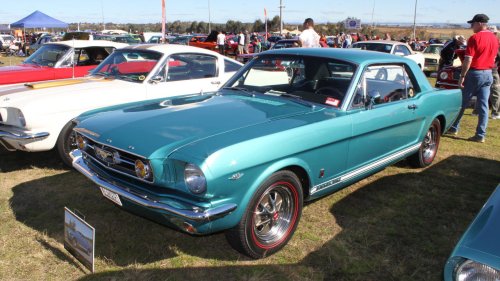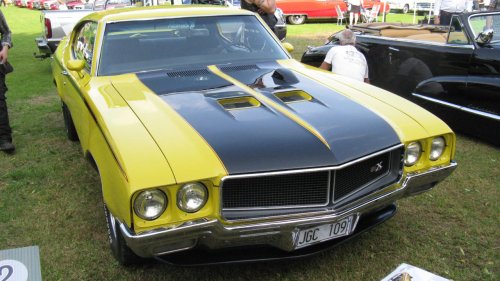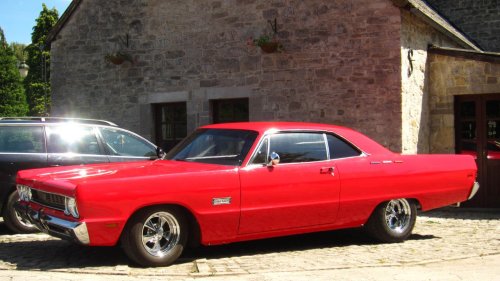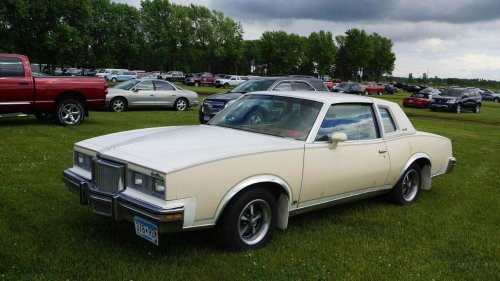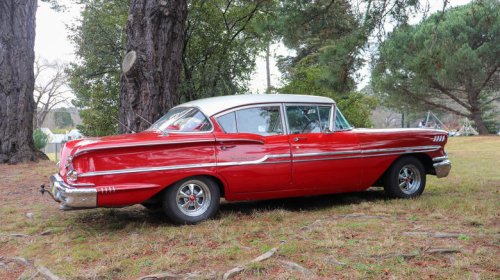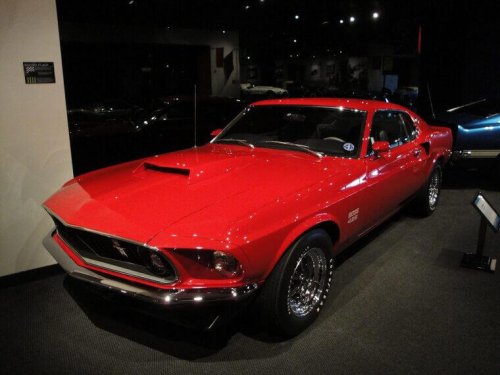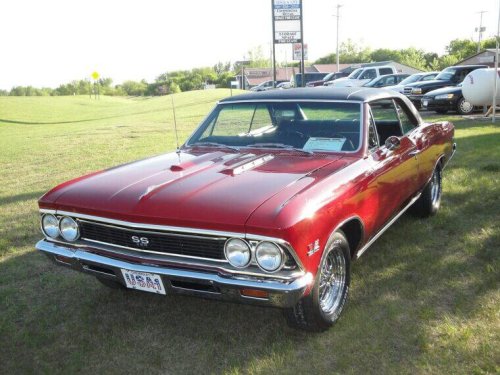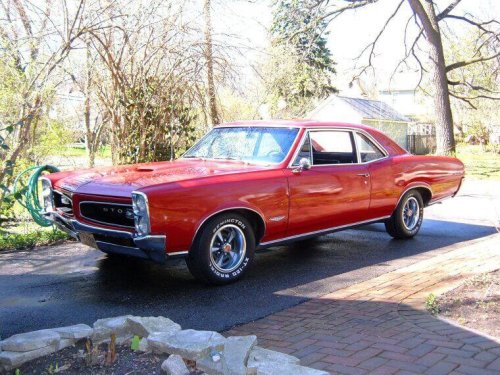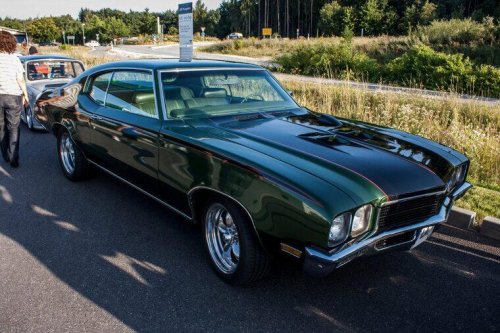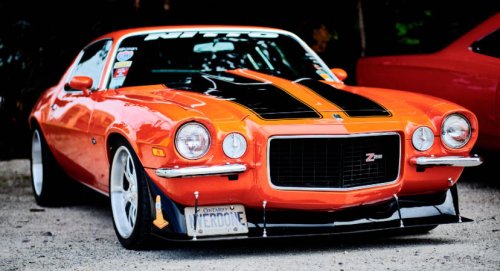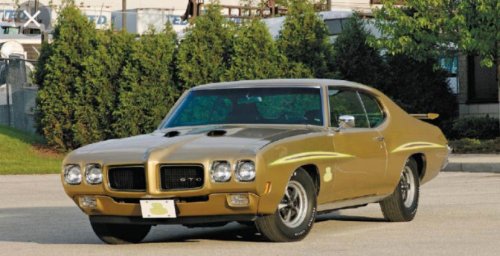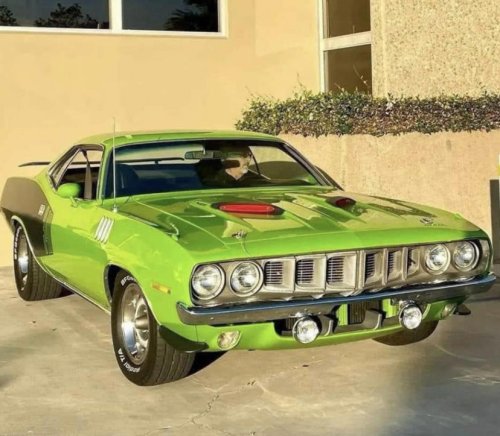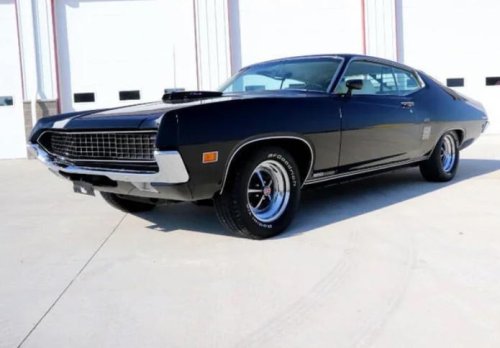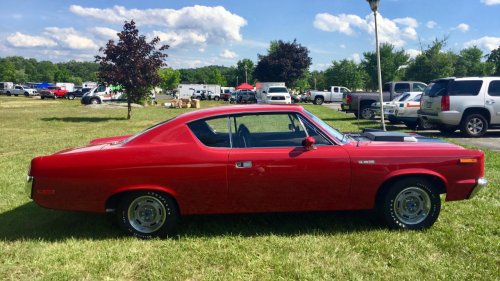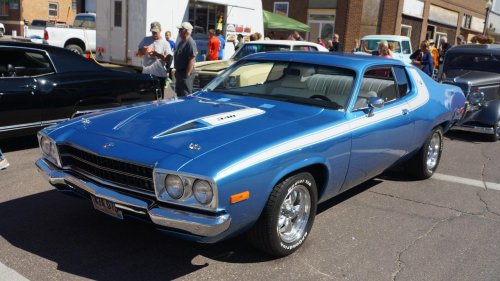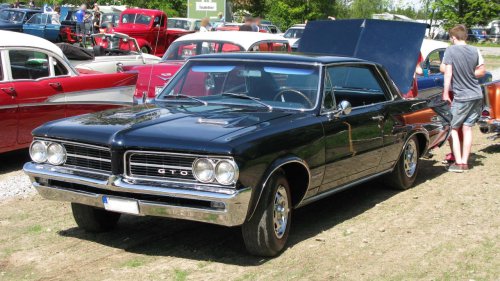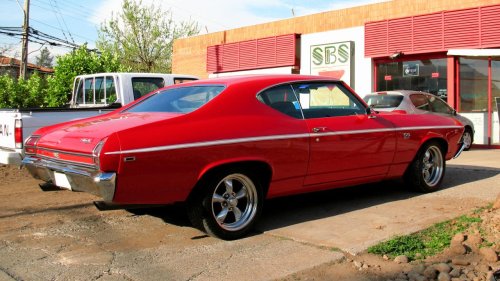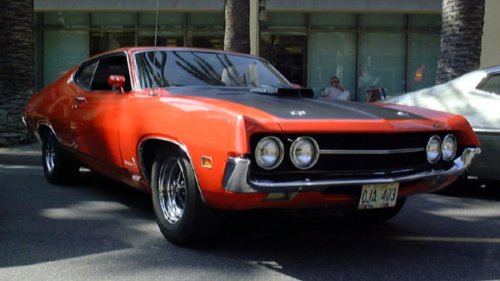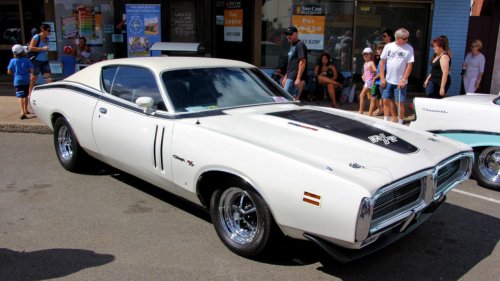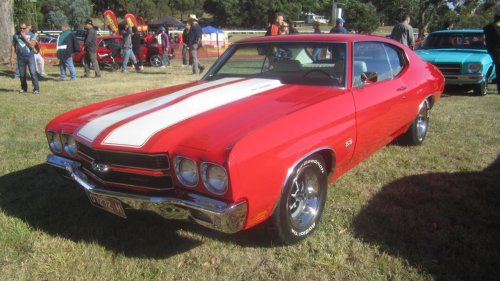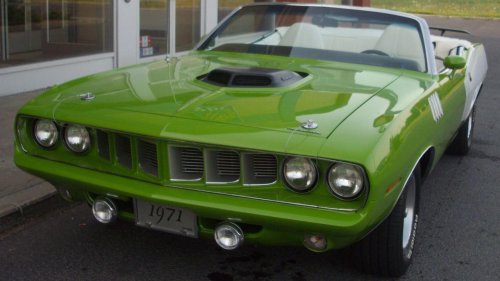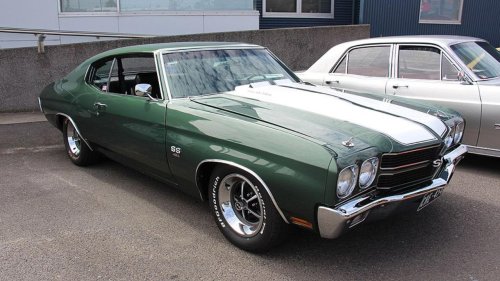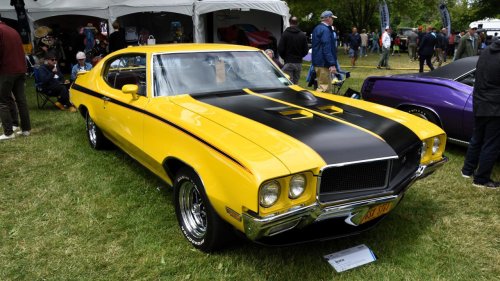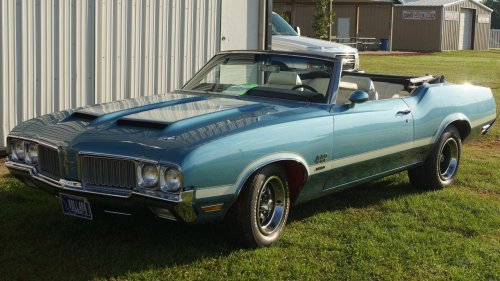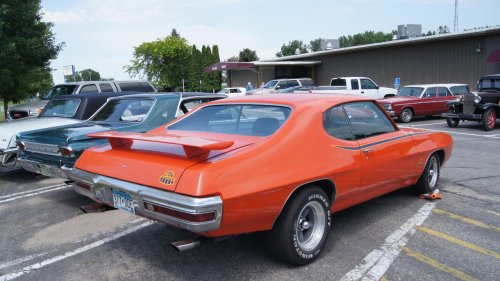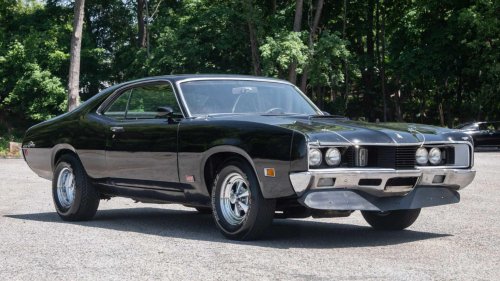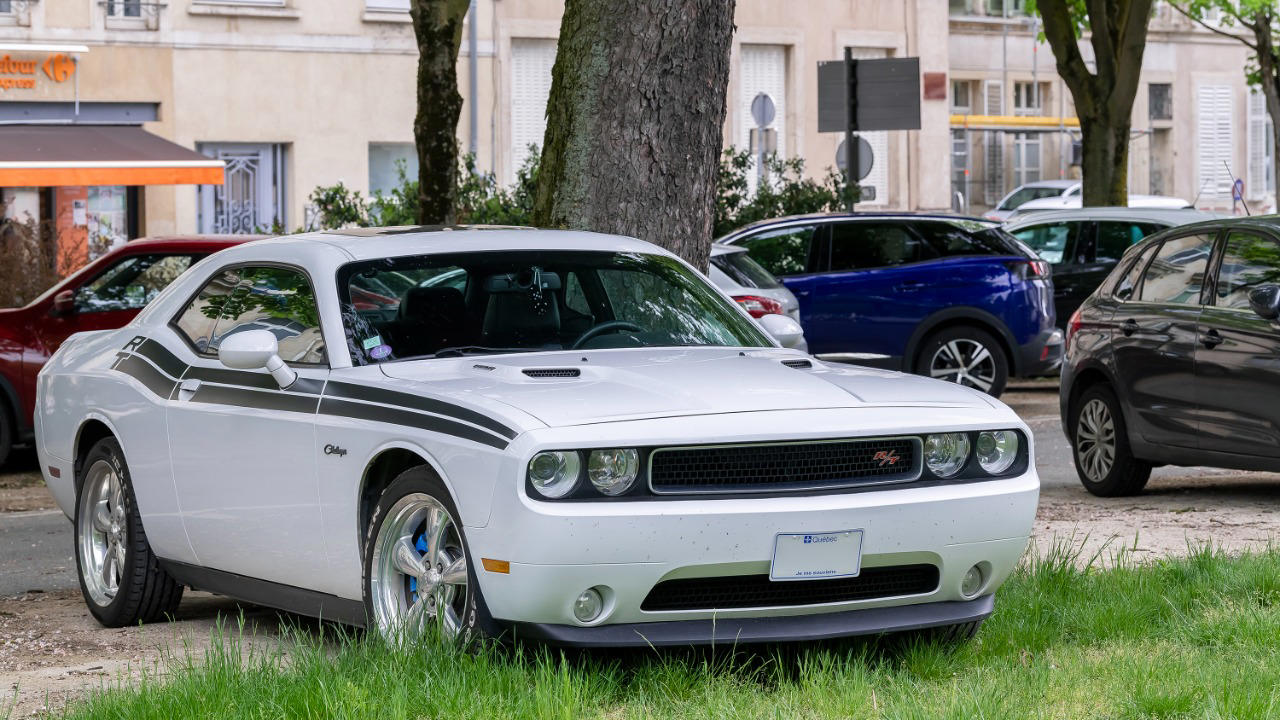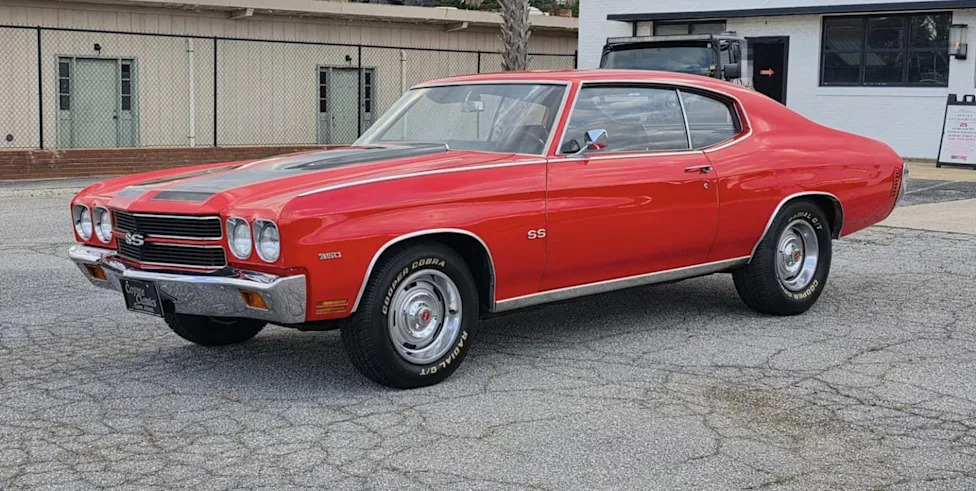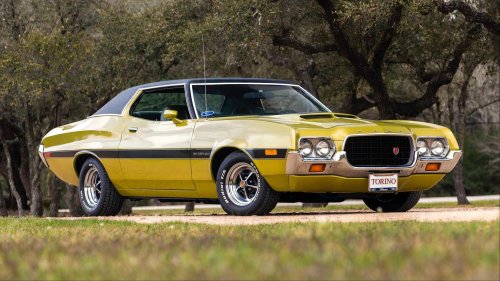
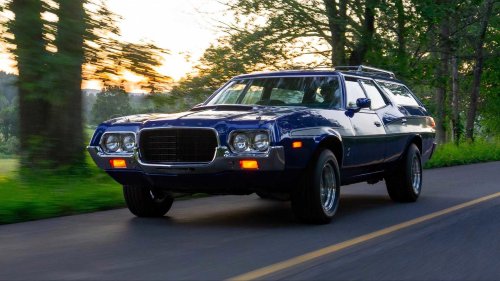
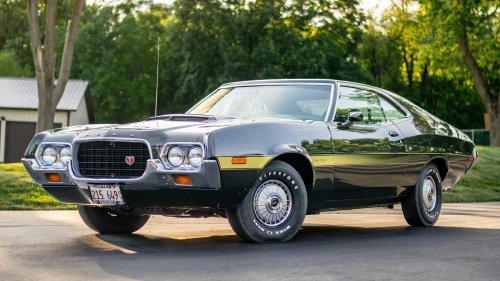
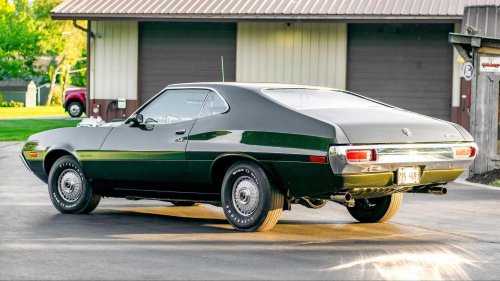
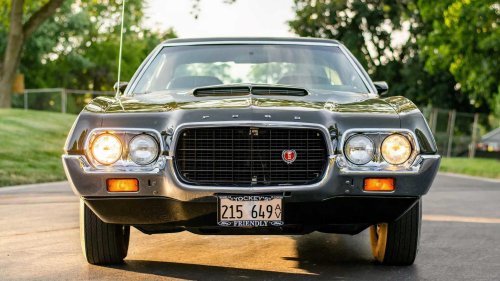
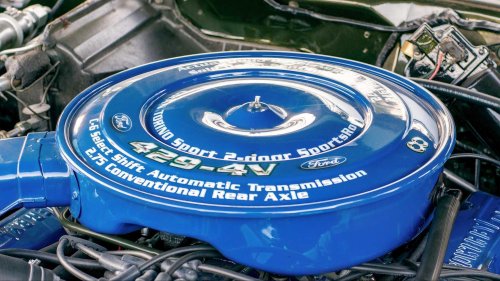
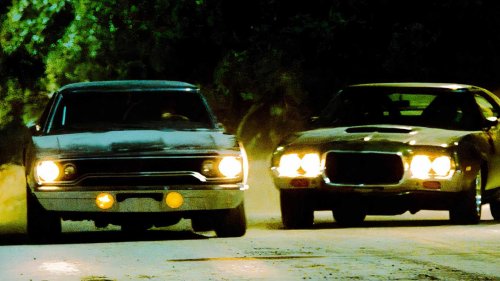



















When it comes to classic muscle cars, big-block V-8s are big-money collectibles on the auction block, but there's a glitch in the matrix that makes some of them super affordable. 1971 was the last great year of the Golden Age before detuning robbed these street beasts of their former ferocity. The thing is, in the post-'71 landscape of the Malaise Era, most of the killer big-blocks were still around, only in less lethal form. The classic nameplates also still existed, so it was possible to get a Chevy Chevelle SS or Dodge Charger with a big-block V-8, which was every bit as cool-looking as the previous models, but nowhere near as fast.The awesome thing about these detuned big-blocks is that they are fun to drive, will always turn heads, and cost a fraction of the price that top-dollar collector cars command. Back in the day, having a 13-second car was everything, but enthusiasts today don't do much street racing and just want to cruise around in something that looks sweet. Also, six-figure to million-dollar muscle cars are not daily drivers and can't be enjoyed, but a budget big-block is coming out of the garage all the time for urban adventure. While there are plenty of big-block bargains to be had, only Ford delivers a ride with hot styling and a massive V-8 for under $20,000. The Ford Torino Matures In The Third-Gen Mecum Interest in muscle cars was waning in 1972, and Ford responded with a major redesign of the Torino that gave it a sleeker, more sophisticated look. Borrowing some of the Coke bottle styling that made the classic Mopars so wicked, Ford kind of smoothed the curves out for a classier appearance. Granted, this car still looked aggressive, but it was more mature than its petulant predecessor. This car could be a sensible family ride at the lower trims, but with the ominous oval eggcrate grille, hood scoops, wheels, and stripes of the performance packages, it was dripping with attitude and looking for a fight.The style reboot was a major success, boosting sales by well over 100,000 units. A total of 326,463 Torinos in all configurations were sold in 1971, while Ford moved a whopping 496,644 units in '72. With the sporty two-doors, it was another victory for the third-gen as 33,254 people bought a 1971 Torino GT, including SCJs and convertibles, but 92,033 buyers opted for '72 Gran Torino Sport. Cars usually sag in the final year of their cycle, but this is a significant increase in sales volume for the Torino. '72 Torino Engines And Trims Bring a Trailer Detroit used to design cars, not as a single model, but rather as a platform available in different configurations. The third-gen Torino was no different, with a pair of two-door coupes, a four-door sedan, and a four-door station wagon to choose from. The two-door, which are our interest here, could be had in either hardtop or SportRoof fastback style. The base was known as simply "Torino" and the mid-level went with "Gran Torino" while the top-dog performance trim was badged "Gran Torino Sport," which, again, is what we came here for. The 1972 Gran Torino Sport base engine was a 302ci V-8, upgradable to a 351, 351 Cobra Jet, 400, or 429 big-block, which, at the risk of sounding like a broken record, is our focus with this one. The ’72 Gran Tornio Sport 429 Is A Big-Block Muscle Car Bargain Bring A TrailerWe've established that the 1972 Gran Torino Sport is sufficiently badass-looking and was available with a 429ci big-block V-8, so let's find out how much one of these bad boys goes for. On average, fair condition project Gran Torinos 429 are valued at just $7,300, and the showpiece Concours condition at $22,800 for a '72. Sitting in the bargain hunter's sweet spot is the excellent condition example at the insanely low price of just $17,100. This is a car that is expertly restored and virtually flawless for less than the cost of a Nissan Versa subcompact weenie-mobile.A Concours condition car has all the original parts, including the silly trunk and frame stickers, while an excellent condition ride probably has upgraded brakes and suspension, which actually makes it a better car to drive. J.D. Power, which bases its values on real-world sales, thinks much less of the '72 Gran Torino Sport with an average retail price of just $15,600 and a high of $20,900. There is no distinction in the J.D. Power prices that account for engine option, so this may not reflect a 429, but it is still a deal any muscle car fan can appreciate. '72 Gran Torino Is A Great Deal If You Can Find One Bring a Trailer With an excellent condition price of under $20,000, there is no better big-block muscle car value than the '72 Gran Torino Sport 429, but finding one might be an issue. The only one we could locate that has ever been listed at a major auction house is that Green SportsRoof beauty pictured above, which actually sold for $41,000 on in 2024, which is considerably more than any of the reported values. Chances are that a car of a lesser collector's value like this doesn't often get put up for auction, so finding one takes a lot more legwork, digging through local classifieds and lower-profile websites. For the record, only around 1,200 '72 Gran Torino Sports were equipped with the 429, so it is rare and perhaps undervalued. 1972 Gran Torino Sport 429 Power And Performance Bring A TrailerA '72 Gran Torino Sport was by no means an ass-kicker despite the presence of a 429ci V-8. As was mentioned earlier, 1972 was the beginning of the detuned engine, and with the Ford 429, the decrease was dramatic. A Boss 429 Mustang cranked out 375 horsepower with 450 pound-feet of torque, while the '72 429 was down to 205 ponies and 332 pound-feet (net). With that kind of drop in power, the Gran Torino Sport crawled from 0-60 in 9.0 seconds and never won a drag race with its 17.0-second quarter-mile.While that's kind of sad, we've said it a million times: if an engine can be detuned, it can be re-tuned, and any properly motivated wrencher can put all the performance back into this big block. With the low price of a '72 Gran Tornio Sport 429, there's plenty left in the budget to run it into the street dominator it always deserved to be. Leaving it stock isn't the worst thing in the world, as a car this sharp makes a fine slow-rolling cruiser as well. 429 No Longer a Cobra Jet Bring a Trailer Even though it has the same cubic inches, the '72 429 is not the same as the Cobra Jet V-8 that made Fords so ferocious in the late-'60s/early '70s. In a weird twist of fate, the 429 wasn't even considered the high-performance engine for the '72 Gran Torino Sport, with that distinction belonging to the 351ci Cobra Jet V-8. Rated at 248 horsepower and 299 pound-feet of torque, the 351 CJ was a bit more powerful and slightly less embarrassing with a 6.9-second 0-60 time and 15.4-second quarter-mile. The Hagerty Concours condition for a '72 Gran Torino Sport 351 CJ is only around $5,000 more than the 429, and there is something magnetic about a big-block that draws muscle car fans in, so the minuscule performance difference shouldn't dissuade bargain hunters. The Car That Made Clint Eastwood’s Day The biggest reason to pick up a 1972 Ford Gran Torino Sport, besides the rock-bottom price, is that it is literally the most famous non-Mustang Ford ever built. The Highland Green 1968 Mustang GT from the Steve McQueen classic Bullitt is the marquee Ford, followed by the 1973 SportsRoof "Eleanor" car from Gone in 60 Seconds, but the 1972 Gran Torino Sport from the intense 2008 Clint Eastwood drama Gran Torino ranks a close third for Blue Oval movie rides. Maybe John Wick's "Boss 429" ranks higher, but it is a Mustang, so the Gran Torino Sports is still the top non-pony car. The car was chosen for the film because it was an obtainable, working-class muscle car that mirrored the main character Walt Kowalski's tough, no-BS persona. A Fast & Furious Bad Guy Universal Pictures For those who want a little edge on their ride, the '72 Gran Torino Sport is also an established bad guy car. In Fast & Furious, Arturo Braga's henchman, Fenix Calderon, uses a '72 Gran Torino Sport to flip Letty Ortiz's Road Runner before seemingly killing her. The Fenix ride has clearly been souped up because it could hang with Dom's 1970 Dodge Charger, Brian's 2009 Subaru Impreza WRX STi GH, and the 1,500-horsepower twin-turbo 1973 F-Bomb Camaro. Considering the car's modest real-world performance, this was an interesting ride to include in the Fast & Furious universe, which generally focuses on street assassins, but chances are it made the cut because it really is a killer-looking set of wheels.Sources: Bring a Trailer, Hagerty, J.D. Power