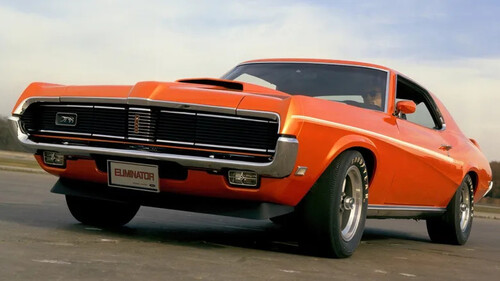
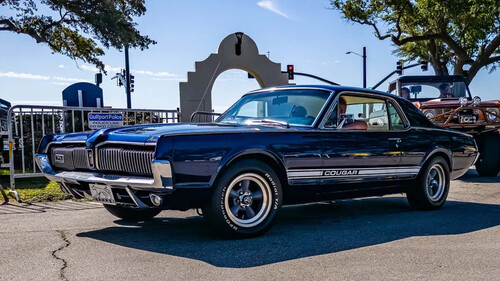
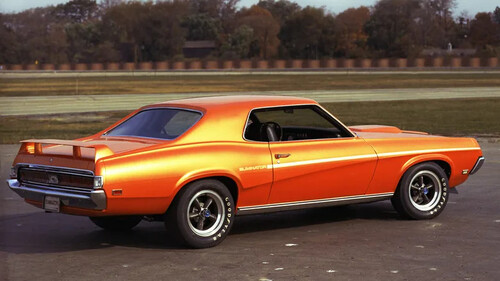
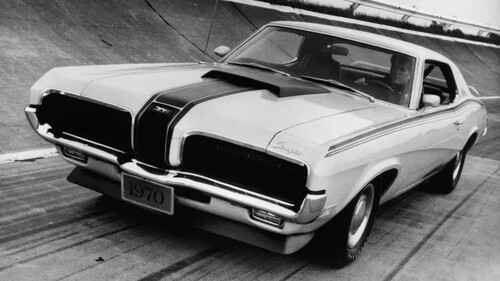
This 1967 Cyclone feels like a story that almost got lostThe 1967 Mercury Cyclone sits in a strange corner of muscle car history, remembered by specialists yet oddly absent from mainstream nostalgia. It carried serious power, real racing pedigree and sharp mid-sixties styling, but it never became a household name in the way some rivals did. The result is a car that feels like a story that nearly slipped through the cracks, even as enthusiasts now circle back to reassess what was built in that single model year. Look closely at the Cyclone and a different picture emerges. Beneath the quiet sales charts is a car that bridged Mercury’s compact Comet roots and its full-size performance ambitions, that connected showroom specials to stock car glory, and that now offers one of the more intriguing value plays in the classic muscle market. From Comet sidekick to stand-alone muscle The Cyclone began as the hot version of the compact Mercury Comet, part of a broader push to give Mercury its own answer to performance-minded buyers who might otherwise drift to a Ford Mustang. Early cars offered a 210-hp Super Cyclone 289 V8, with the 289 cubic inch engine paired to a three-speed manual and dressed up with chrome wheel covers and a three-spoke steering wheel for a sporty feel that went beyond basic transportation. That first Super Cyclone package helped establish the Mercury Cyclone name as more than a trim line and laid the groundwork for the later 1967 models that would drop much of the Comet branding and lean harder into muscle car territory, as chronicled in period Mercury Cyclone History. By 1967, Mercury positioned the Cyclone as a separate performance model rather than simply a Comet variant, even as the mechanical relationship remained close. That shift reflected the brand’s ambition to stand apart from Ford while still using the same corporate hardware. In showrooms, the Cyclone became the car that carried Mercury’s muscle identity, even if it never reached the volumes of its more famous corporate cousins. The 1967 Cyclone’s clean-sheet identity For 1967 the Cyclone was sold exclusively as a two-door hardtop, a clear signal that Mercury saw it as a focused sporty model rather than a broad family lineup. Contemporary coverage highlights that this Cyclone was a V-8 powered pony car alternative, pitched to buyers who wanted power and style without simply following the crowd. The car’s proportions, long hood and short deck placed it visually in the same conversation as the Mustang and other emerging pony cars, but with a slightly more upscale Mercury flavor. That positioning, as a bargain-priced V-8 powered pony car alternative, is central to how enthusiasts now assess the 1967 Cyclone in the collector market and is reflected in detailed buyer guides that frame it as a distinctive choice for shoppers who might otherwise look only at Mustangs or Camaros, as seen in modern Cyclone Is analysis. While the Cyclone shared its basic platform with the Comet, the 1967 model leaned into unique styling cues and a more aggressive stance. It was meant to look like the Mercury that had been to the track, not just a dressed-up commuter. That intent would be reinforced by the GT packages, the racing tie-ins and the engine options that moved the Cyclone firmly into muscle territory. Engines, options and the numbers that matter Under the hood, the 1967 Mercury Comet-Cyclone lineup reflected a period of rapid change. According to period fact sheets, the 265 HP 390 CID V-8 was retired for 1967 as Mercury reshuffled its performance offerings. That same documentation notes that a total of 3,419 Cyclone hardtops and 378 Convertibles were sold with the GT performance package, figures that underline how relatively rare a true Cyclone GT is compared with the broader Comet family. Those production numbers, along with the specific mention of the 265 rating and the 390 CID displacement, come directly from the detailed Cyclone Fact Sheet that catalogs the 1967 Comet-Cyclone range. That same reference explains how, in 1967, the Comet name largely retreated from the performance spotlight, with the Cyclone and Cyclone GT taking the lead as Mercury’s muscle representatives. The fact sheet also discusses how the Comet line evolved, including mentions of special high performance Capri and Cyclone variants, and it confirms that the company built a limited run of high performance 427 Capri and Cyclones, details that appear in the broader Comet Cyclone overview. Although the Cyclone shared some engines with other Ford products, the way Mercury packaged and marketed those options gave the car its own identity. Buyers could move from modest V-8s up to serious big block power, and the GT package layered on visual and handling upgrades that backed up the performance promise. Design details that reward a closer look The Cyclone GT variant of 1966 and 1967 featured several styling cues that help enthusiasts identify the car today. Two thin full-length stripes ran along the upper fender line, giving the profile a sense of motion even at a standstill. Not everyone realized it at the time, but the GT’s hood was made of fiberglass, a lightweight piece that hinted at Mercury’s interest in performance engineering rather than pure ornament. Period descriptions of the 1966 and 1967 Cyclone GT point out that the changes from year to year were largely cosmetic, with updates such as revised taillights that shifted from horizontal to a different layout, as recounted in contemporary Cyclone GT coverage. These details did not just dress up an otherwise ordinary car. They signaled to buyers that the Cyclone GT was meant to be seen and recognized, a car that carried its performance intent in its stripes, hood and trim. The fiberglass hood, in particular, foreshadowed later muscle car practices where weight saving and distinctive styling went hand in hand. Racing heritage and the Mario Andretti connection Mercury did not leave the Cyclone’s performance image to marketing copy. The car went racing, and it won. One of the most visible examples came when Mario Andretti drove a Mercury Cyclone to victory in the Daytona 500, a race that cemented the model’s place in stock car history. That specific Mario Andretti 1967 Daytona 500 winning Mercury Cyclone has since been displayed at the Indianapolis Motor Speedway Museum, where fans of NASCAR can see the car that linked Mercury’s showroom efforts to one of the sport’s biggest stages, as shown in enthusiast coverage of the Mario Andretti car. The Cyclone’s racing visibility extended beyond that single win. Mercury also used a Cyclone GT convertible to pace the Indianapolis 500 in 1966, a move that put the car in front of a massive audience and helped Mercury sell roughly twice as many Cyclone GT convertibles compared with the previous year. That connection between the Cyclone GT, Indianapolis and increased sales is documented in period Comet coverage that ties the pace car role directly to showroom traffic. These racing links matter because they show that the Cyclone was not just a badge exercise. The car carried Mercury’s competition ambitions on its fenders, and those successes gave the 1967 street cars a credibility that many later muscle machines had to work harder to earn. The Cougar problem and a split identity If the 1967 Cyclone had so much going for it, why did it not become a breakout star? One answer sits inside Mercury’s own showrooms. The brand introduced the Cougar as a personal-luxury coupe aimed at buyers who might otherwise have chosen a fully optioned Cyclone. Contemporary analysis suggests that the new Cougar did siphon off buyers who might have selected a well-optioned Cyclone for 1967, especially as the Cougar offered a more plush interior and a different image while still delivering V-8 performance. That internal competition is discussed in detail in modern Cougar, Cyclone for market analysis. The Cougar itself sold strongly. Reports on Cougar production list Total 1967 Cougars produced at 123,672 units, with XR-7 units at 27,221 and additional breakdowns for Models with front bench seat and other configurations. Those Cougar Production Numbers and Rarity figures, all tied to the 123,672 and 27,221 totals, show how quickly the new model found an audience, as summarized in a detailed Cougar Production Numbers breakdown. In that context, the Cyclone’s more modest volumes make sense. Mercury was suddenly asking buyers to choose between two sporty coupes, one pitched as a muscle car and the other as a more refined personal coupe. Many buyers went with the Cougar, leaving the Cyclone to a narrower slice of enthusiasts who prioritized performance over plushness. Sales disappointment and later reassessment Market retrospectives often describe The Mercury Cyclone as a sales failure, at least relative to the expectations Mercury had when it launched the line. Analysts point out that the car struggled for consistent identity as the company dropped the Comet prefix and repositioned the Cyclone several times, yet they also argue that the car deserved better recognition than it received. One such assessment looks back at the 1964 Comet Cyclone and later Mercury Cyclone Mecum auction appearances, and urges readers to Stay engaged with the model’s story, framing it as an underappreciated chapter in muscle history, as captured in a reflective The Mercury Cyclone market piece. That same perspective is echoed in more recent spotlights that describe The Mercury Cyclone as a classic muscle car that often gets overshadowed by its more popular counterparts, like the Ford Mustang, despite offering strong performance and unique features. Those spotlights argue that the Cyclone’s blend of racing heritage, distinctive styling and relative rarity give it a character that stands apart from the better known Ford Mustang and similar icons, as highlighted in a modern classic spotlight. In other words, the same factors that limited the Cyclone’s appeal when new, such as its niche positioning and internal competition, now contribute to its appeal as a distinctive, less obvious choice for collectors. Engineering roots and parts reality Underneath the styling, the 1967 Mercury Comet-Cyclone shared much of its chassis and suspension hardware with other Mercury Comet models and with Ford products. That commonality has long-term benefits for owners. Modern parts catalogs that trace their data back to the Mercury Comet Cyclone Fact Sheet and Over Drive Magazine show how spring and suspension applications for the Mercury-Comet-Cyclone GT, the broader Mercury-Comet-Cyclone and even the Mercury-Comet-Caliente can be cross referenced, making it easier to source components. Several technical databases discovered through the Mercury Comet Cyclone Fact Sheet and Over Drive Magazine citation trail, including listings for Pontiac applications and specific Mercury-Comet-Cyclone GT setups, underline how the Cyclone’s mechanical pieces fit into a larger ecosystem of shared components, as seen in the Mercury-Comet-Cyclone GT and related spring catalogs. For current enthusiasts, that shared engineering means the 1967 Cyclone is not as difficult to maintain as its low production numbers might suggest. Many wear parts are available through suppliers that cater to the broader Mercury Comet and Ford families, and the car’s conventional layout makes it accessible to home mechanics. More from Fast Lane Only Unboxing the WWII Jeep in a Crate 15 rare Chevys collectors are quietly buying 10 underrated V8s still worth hunting down Police notice this before you even roll window down