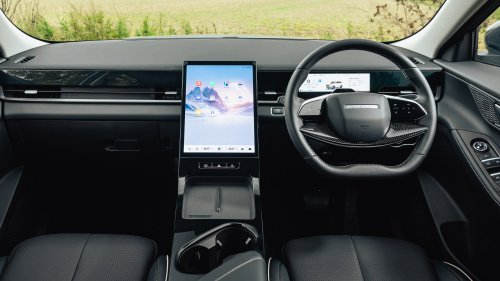
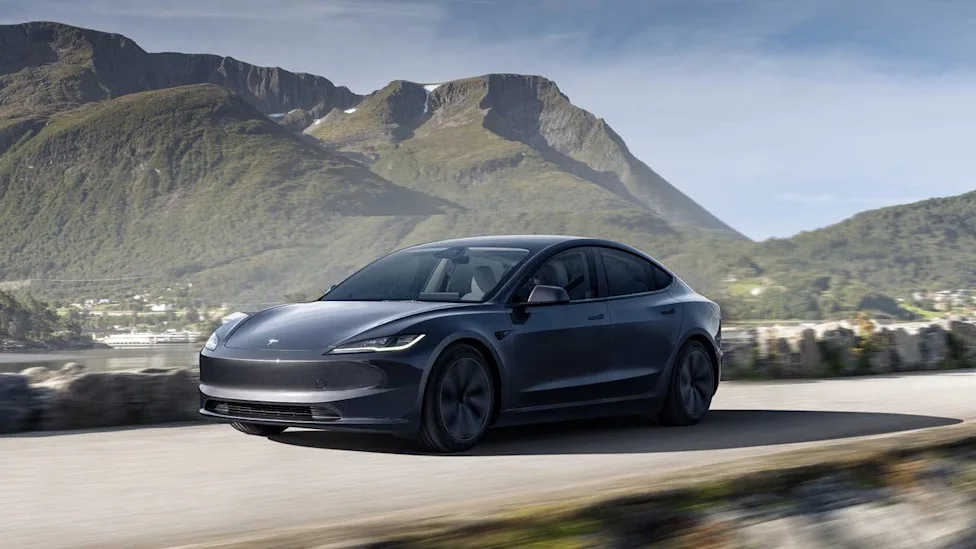
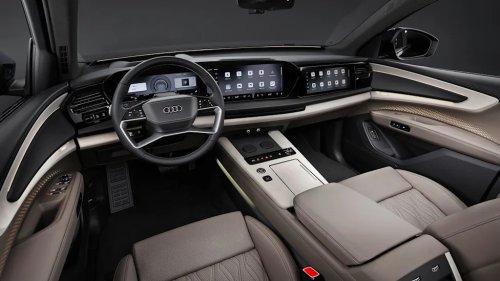
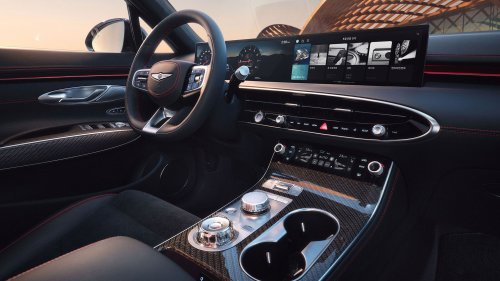
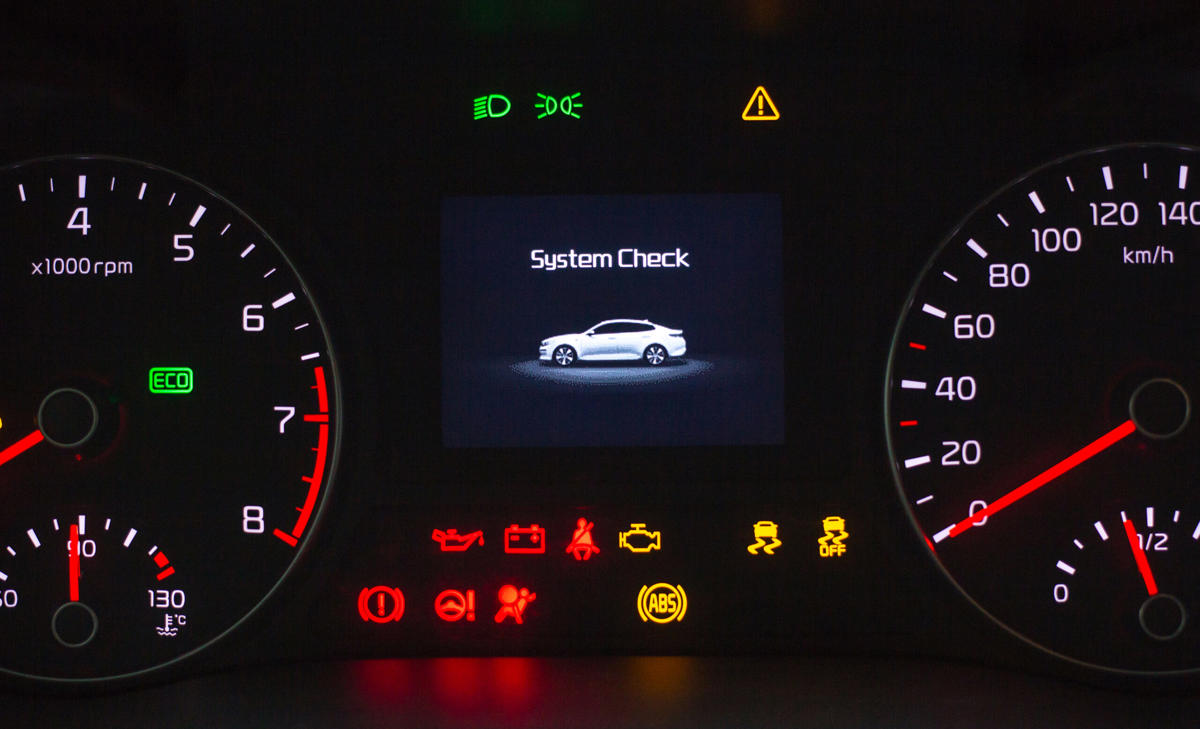
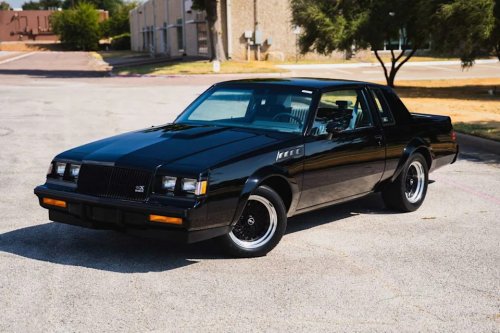
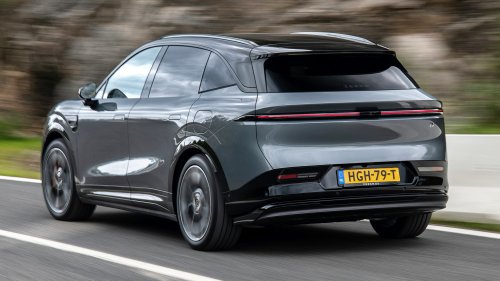
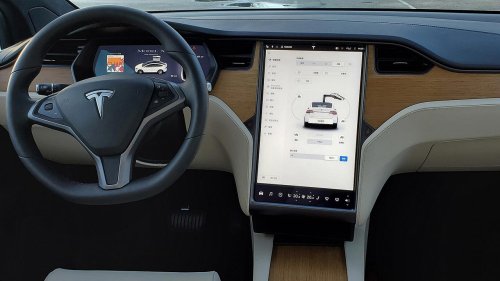
In an era when digital displays dominate vehicle dashboards, factory gauge clusters of the past offered a unique blend of style and storytelling. These analog masterpieces not only provided essential driving information but also conveyed the character and spirit of the car. They were more than just instruments; they were the soul of the driving experience, making every journey memorable. The Art of Analog Gauges Image Credit: Joe Ross from Lansing, Michigan, via Wikimedia Commons, CC BY-SA 2.0 The visual appeal of classic gauge clusters is undeniable. Take, for example, the intricate designs of the 1967 Jaguar E-Type. Its interior featured gauges with chrome bezels and elegant typography, contributing significantly to the vehicle’s overall aesthetic. Such craftsmanship set these gauges apart as both functional components and works of art, reflecting the automotive design ethos of their time. While these gauges were visually captivating, they were also engineered for utility. Their design allowed drivers to quickly and accurately read vital information, ensuring a safe and enjoyable driving experience. The tactile feedback provided by the needle movements and the satisfying click of rotating dials offered a sensory interaction that many modern digital displays lack. These analog instruments established a connection between driver and machine that transcended mere utility, fostering a deeper emotional bond. Storytelling through Instrumentation Image Credit: Tony Harrison, via Wikimedia Commons, CC BY-SA 2.0 Gauge clusters played a pivotal role in conveying a vehicle’s performance capabilities. Take the iconic Porsche 911 from the 1970s, for instance. Its tachometer sat prominently in the center, emphasizing the car’s sporting aspirations. Such layouts communicated essential performance metrics, like speed and RPM, at a glance, giving drivers an intuitive understanding of their car’s condition and capabilities. Beyond performance metrics, these gauges facilitated an intimate interaction between driver and vehicle. The physical act of watching a needle rise as the engine roared created a sense of connection that digital displays struggle to replicate. Each era of gauge design also told its own story, reflecting the cultural and technological trends of the time. From the streamlined elegance of the 1950s to the vibrant boldness of the 1980s, each cluster was a snapshot of its era. The Shift to Digital Displays Image Credit: Grassbag, via Wikimedia Commons, CC BY-SA 4.0 The transition from analog to digital displays was driven by several factors, including cost, precision, and technological advancements. Digital displays, like those seen in modern Tesla models, offer customizable interfaces and precision that analog gauges cannot match. However, this shift has also led to a loss of character and tactile feedback that many drivers still yearn for. Despite the advantages of digital displays, there’s an emerging movement among car enthusiasts advocating for a return to analog gauges. This desire for authenticity and tactile feedback has spurred interest in restoring classic cars and even incorporating analog elements into modern designs. Enthusiasts argue that while digital displays offer information, they often lack the soul that makes driving an experience rather than just a task. Preserving the Legacy of Classic Gauge Clusters Image Credit: Christopher Ziemnowicz (CZmarlin), via Wikimedia Commons, CC BY-SA 4.0 Efforts to preserve and restore classic gauge clusters are gaining momentum among collectors and enthusiasts. As seen in communities like the Classic Car Restoration Facebook Group, enthusiasts are dedicated to maintaining the originality of these instruments. Restoration projects not only preserve the aesthetic and functional aspects of vintage vehicles but also celebrate the rich history of automotive design. Moreover, the influence of classic gauge design is evident in contemporary vehicles that blend vintage charm with modern technology. Automakers are increasingly recognizing the cultural and educational significance of these instruments. By preserving and celebrating these classic designs, we offer future generations an opportunity to understand the evolution of vehicle instrumentation and appreciate the artistry that fueled the golden age of automotive design. Like Fast Lane Only’s content? Be sure to follow us. Here’s more from us: Unboxing the WWII Jeep in a Crate The Fastest Farm Truck Ever Built *Created with AI assistance and editor review.






















 +48 others