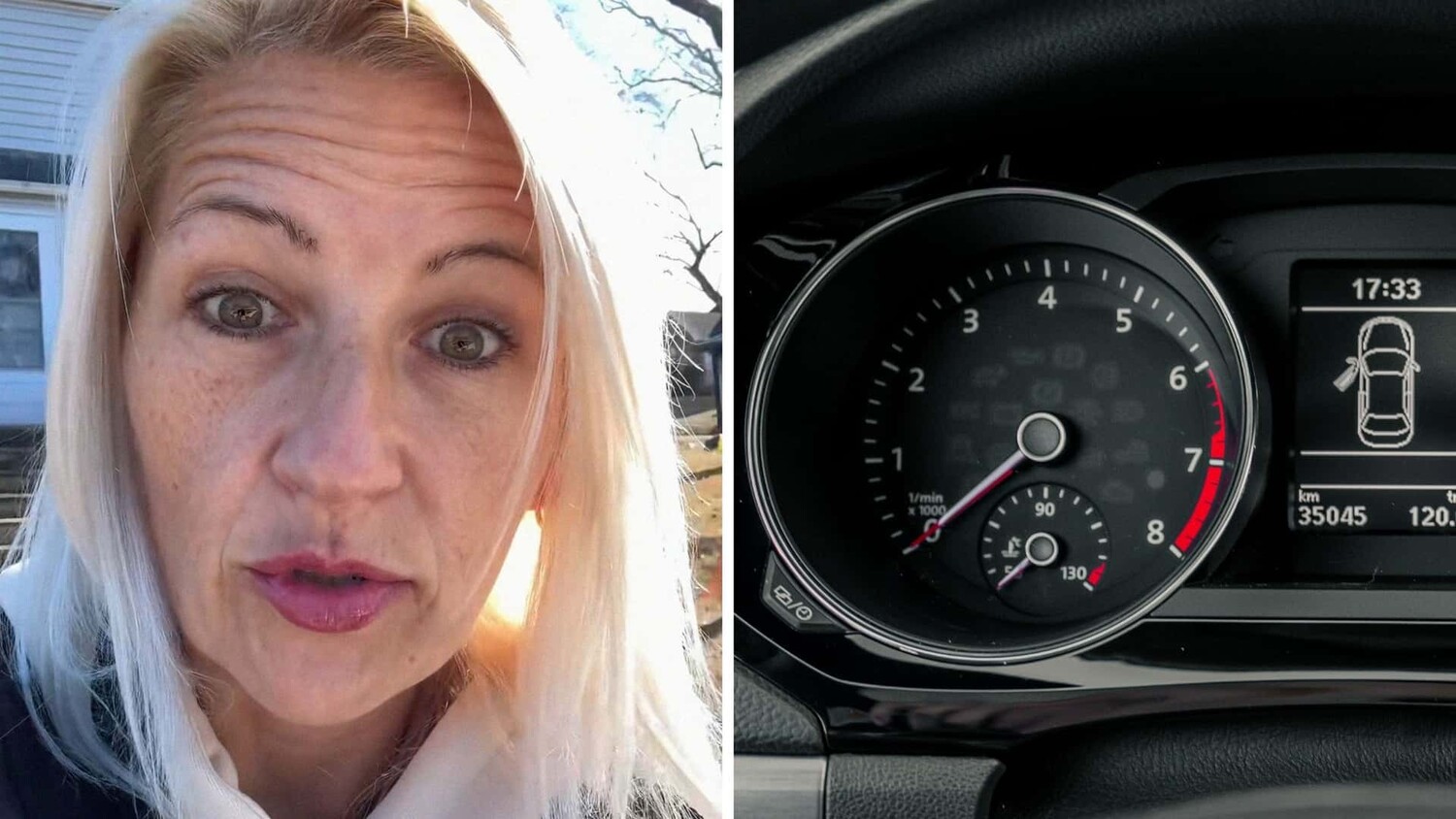
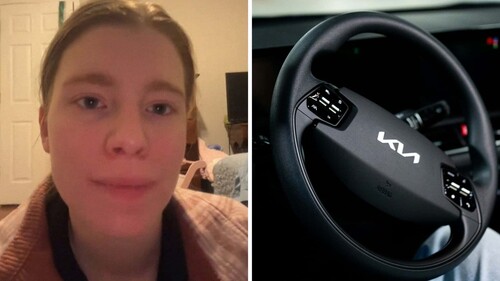
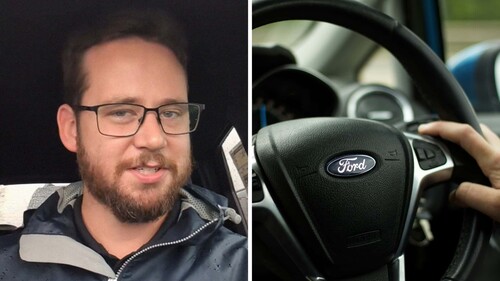
A woman says she just learned a rule of thumb that many longtime drivers swear by: don’t put your car in gear until the engine speed drops below 1,000 RPM. After she said she never even looked at that gauge before, the comment section exploded. In a recent viral video viewed more than 845,000 times, TikTokker The Retro Mom (@theretromom) seems genuinely excited about the discovery that her car’s instrument panel could offer more insights about being a safe driver, beyond just showing her the speed and fuel level. "Your car needs to warm up," the text overlay reads, as a shot of the tachometer shows the needle floating just over 1,000. The moment a modern gas-powered car starts, its engine typically idles higher than normal. That behavior isn’t random, and it isn’t a sign that anything is wrong. Automakers deliberately program engines to run at a higher idle speed during a cold start to stabilize combustion, reduce emissions, and bring critical systems up to operating conditions more quickly. According to the Society of Automotive Engineers (SAE), modern engines rely on electronic control units (ECUs) to manage fuel delivery, ignition timing, and idle speed during startup, particularly when the engine is cold. That initial high idle helps the engine run smoothly. At the same time, sensors collect data, and the catalytic converter begins warming up, a process that plays a major role in reducing tailpipe emissions. As the ECU determines that the engine is stable, idle speed gradually drops to its normal resting range, which for most vehicles falls somewhere between 600 and 800 RPM. That visible change is what many drivers notice, and what the TikTok video highlights. What the RPM Drop Actually Signals While the RPM drop is real and intentional, it doesn’t mean what the video’s on-screen text suggests. When the needle settles, it doesn’t indicate that the engine is "warmed up" in the traditional sense, nor does it mark a moment when oil suddenly begins circulating through the engine. Engine oil begins flowing almost immediately after startup. According to AAA and multiple forum discussions, oil pressure typically builds within seconds, even in cold conditions, thanks to modern oil formulations and tighter engine tolerances. What is true is that cold oil is thicker than warm oil, which means it doesn’t lubricate components quite as efficiently until temperatures rise. That’s why engineers and automakers consistently recommend gentle driving during the first few minutes after startup rather than aggressive acceleration or high engine speeds. In other words, the RPM drop signals that the engine no longer needs a fast idle—not that it has reached full operating temperature. One of the more specific claims in the video is that drivers should wait until the tachometer needle drops below "1" before putting the car in gear. That advice sounds precise, but it’s also misleading. Idle speeds vary widely depending on engine design, emissions strategies, ambient temperature, and vehicle programming. Some modern engines idle below 1,000 RPM almost immediately, even when cold, while others may hover above that mark longer without indicating any mechanical issue. Automotive engineers point out that there is nothing mechanically significant about the 1,000 rpm threshold itself. Treating that number as a universal rule can create unnecessary anxiety, especially for drivers whose vehicles are designed to behave differently. Do Modern Cars Still Need to "Warm Up"? This is where decades of automotive folklore collide with modern engineering. Older vehicles equipped with carburetors and manual chokes often required extended warm-up periods to prevent stalling and poor drivability. That legacy advice still lingers, even though fuel-injected engines have largely made it obsolete. Most automakers today advise against extended idling as a warm-up strategy. Toyota, Honda, and Ford all note in owner guidance that the best way to warm a modern engine is to drive it gently, allowing all components, including the engine block, to reach operating temperature together. Idling for several minutes wastes fuel, increases emissions, and does little to warm transmissions, wheel bearings, or suspension components. What matters more than waiting is how the vehicle is driven once it’s moving. Where the TikTok video does offer something useful is in reminding drivers to be mindful of what their car is doing immediately after startup. Letting the engine settle for a brief moment between 20 and 60 seconds isn’t harmful, especially in very cold weather. It can give oil pressure time to stabilize and allows drivers to get situated before driving. What experts consistently caution against is revving the engine hard or demanding full power right away. Part of the reason the video resonated so widely is that it gives drivers something concrete to watch. The tachometer needle moves immediately, unlike the temperature gauge, which can sit unchanged for several minutes. That visual feedback makes the advice feel intuitive, even authoritative. But as with many viral car tips, the reality sits somewhere between "always do this" and "this is nonsense." Watching the RPM gauge can be a helpful reminder to take it easy at first. Treating it as a warning light that determines whether your engine is safe to drive goes too far. Motor1 reached out to the creator via direct message and comment on the clip. We’ll update this if she responds. We want your opinion! What would you like to see on Motor1.com? Take our 3 minute survey. - The Motor1.com Team