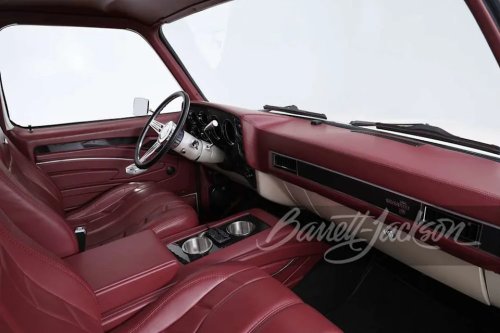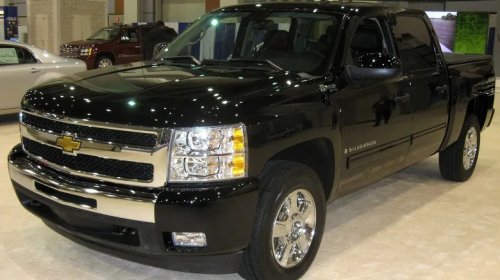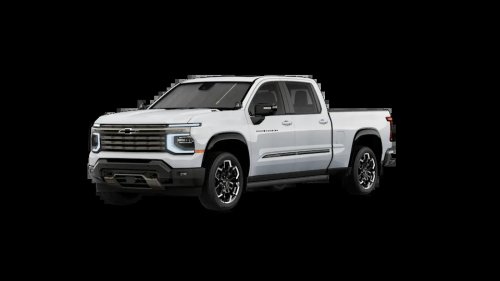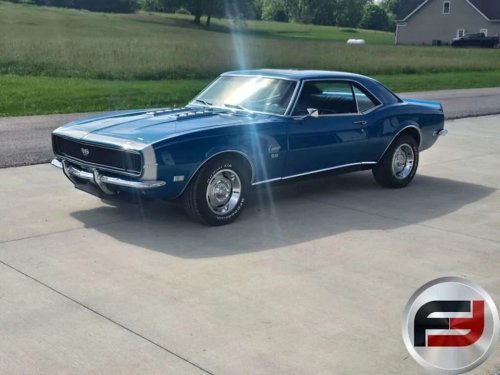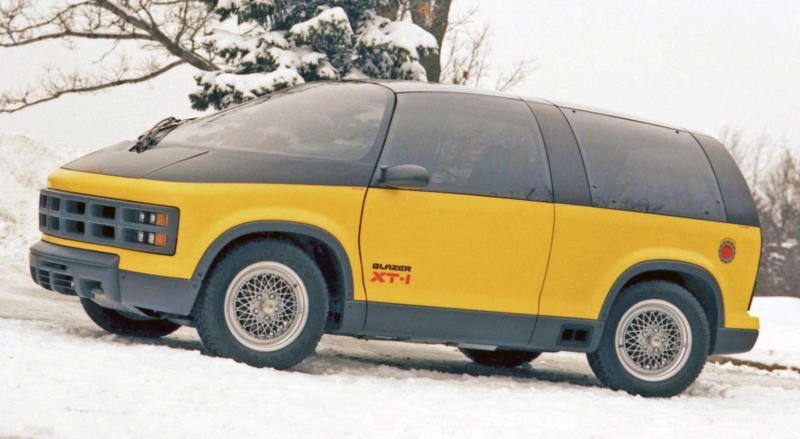
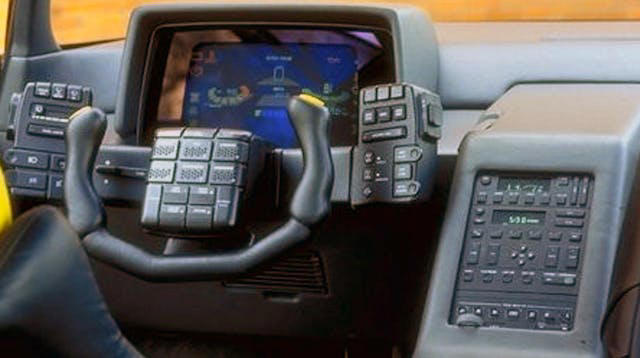
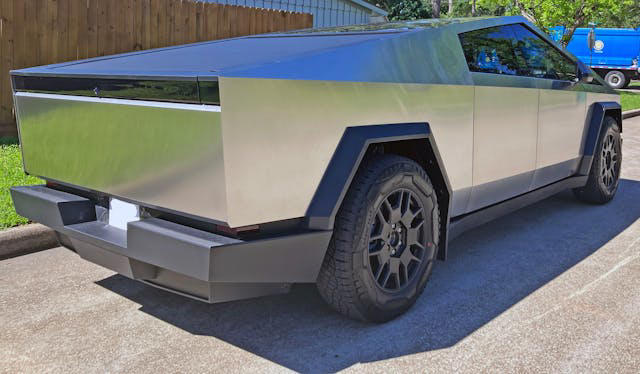



















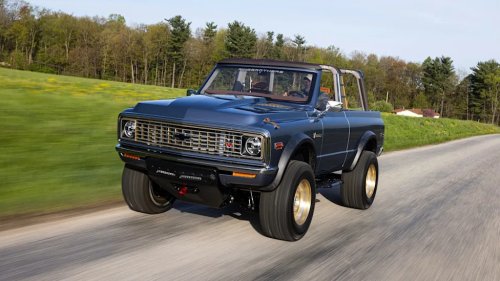

Chevrolet’s Blazer XT-1 Quadrasteered with Bravado Remember when concept vehicles had an appealing mix of unique design and technology, promising a life with more practicality, comfort, safety, and performance? There was a time when crossover utility designs were still a pie-in-the-sky dream, a mix of two-box hatchback and rugged utility vehicle. That time coincided with a rapid decrease in the price of computer hardware and a similarly speedy increase in the supply of said componentry, along with the people who could program them. Even better, these folks weren’t adding electronic distractions; instead, they focused on improving the driving and ownership experience for decades to come. This conviction is what automakers forged in the 1980s and 1990s, so if you are weary of another blob-shaped utility with more touchscreens than door handles, join me for a trip back to 1987. That’s when Chevrolet introduced their Blazer XT-1 utility, a forgotten concept that influenced GM’s production trucks of the 1990s. First, let’s take a pause to offer applause for the controls that manage the Blazer XT-1’s newfangled computers. Behold, a bevy of physical buttons precisely organized within a leather-lined cabin. There are so many that I want to forget the existence of Apple’s iPad so I may push them in delight, like when a childhood Sajeev got his hands on a big ‘ol roll of bubble wrap. (Sorry, Mom.) Opinions aside, this concept came hard-loaded with futuristic features that are now commonplace: an aluminum engine, independent suspension, active suspension, and computer-controlled all-wheel drive. The latter was likely the test bed for Oldsmobile’s tragically overlooked Bravada SUV with SmartTrak, not to mention its 3-D digital gauges, which provided ample inspiration for the Oldsmobile’s dashboard cluster. While information is too sparse to make a direct connection, perhaps the less computer-laden AWD powertrain present in GMC’s iconic Syclone truck also owes a debt of gratitude to this concept vehicle. More importantly, the Blazer XT-1 had four-wheel steering. The connection may be hard to make, but it’s hard to believe it didn’t influence the creation of GM’s Quadrasteer system for the GMT-800 series trucks in GMC Sierra and Chevrolet Silverado guise. Quadrasteer met with rave reviews, but General Motors’ initial pricing was tragically extravagant. They quickly addressed this error, but Quadrasteer still didn’t live to see the revised GMT-900 body style. That’s unfortunate, as full-size trucks grew in popularity in population-dense areas that could benefit from tighter turning in parking lots and driveways. Issues with new vehicle pricing are only one part of Quadrasteer’s equation, and a quick search of eBay suggests replacement Quadrasteer parts will be both expensive and hard to find in modern times. But hindsight is generally a bummer when it comes to innovative technology, so let’s put our rose-colored glasses on and see what Motorweek said about the Blazer XT-1. Aside from the fact that this concept looks like a GMT-400 work truck grille with 2014 Silverado headlights grafted onto a hard-boiled egg, the Blazer XT-1’s attributes still feel impressive. The computer-controlled powertrain and suspension sound like a fantastic way to battle harsh weather, and one can only wonder if that aluminum Chevy 4.3 V-6 ever made it into a prototype of the turbocharged GMC Syclone. If so, the extra weight reduction would have made it even more of a showstopper. Motorweek got a feeling that the XT-1’s four-wheel steering, fully independent/tunable suspension, and torque-managing powertrain were all “pretty feasible.” They were right, but they forgot about its radical computer interface and yoke-like steering apparatus. Because the whole enchilada came together in a…well… There’s an irony in Blazer XT-1’s existence, and not just because its technology set a course for would-be Bravadas and Quadrasteer GMT rigs. Much like the irony of how the GM EV-1 influenced Tesla, this radical concept SUV possessed the goodies that made the Cybertruck an impressive performing machine underneath its controversial styling. While we may never personally experience Chevrolet’s XT-1, the plethora of Tesla Cybertrucks available suggests we are experiencing the future it foreshadowed. I have driven a Cybertruck, and let me make one thing clear: its adjustable suspension and four-wheel steering prove the pioneering effort behind this GM concept car was worth every penny. The only unfortunate fact is that the Cybertruck stole all of Chevrolet’s glory, because it would have been a far better steward of this technology.