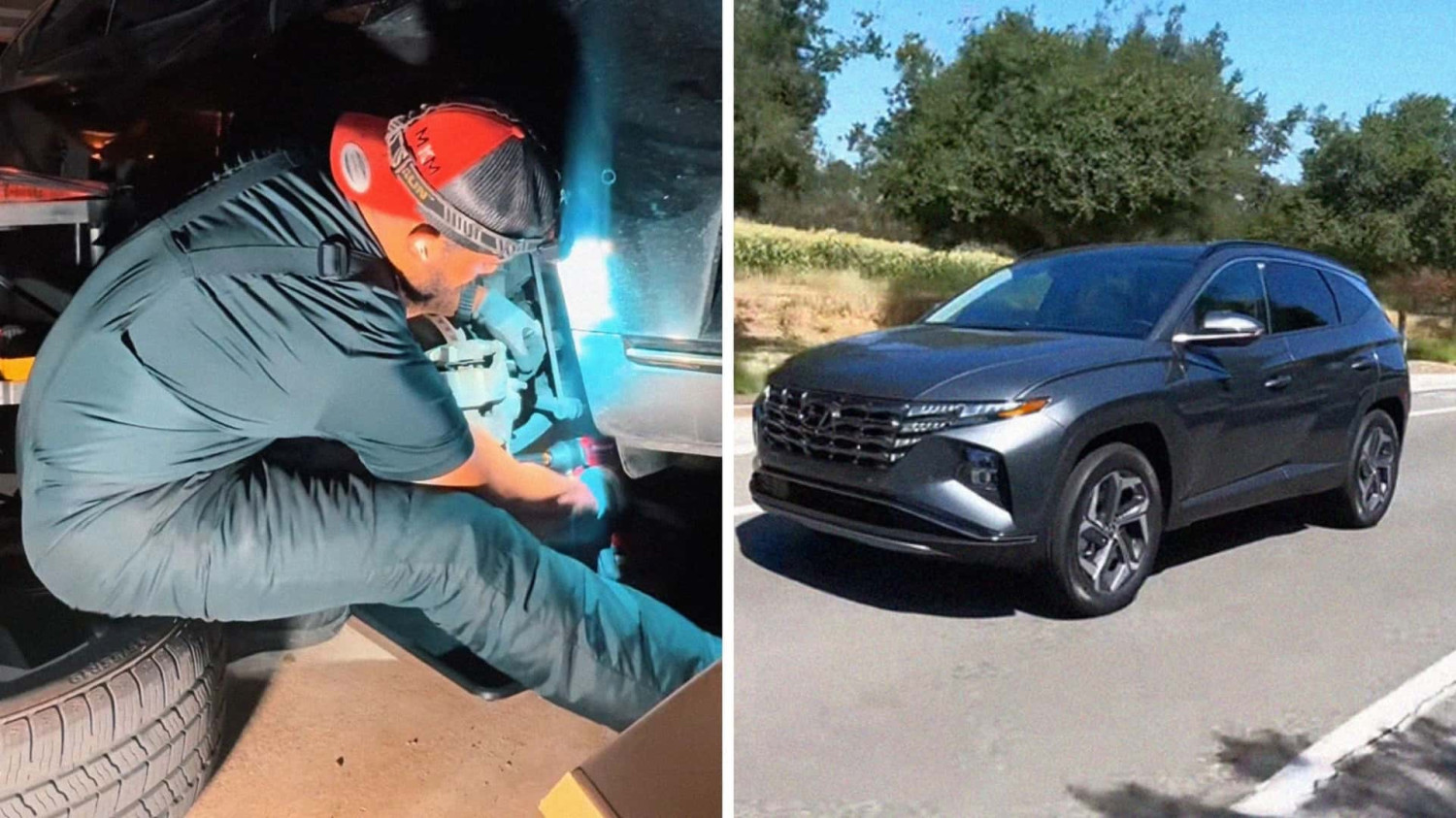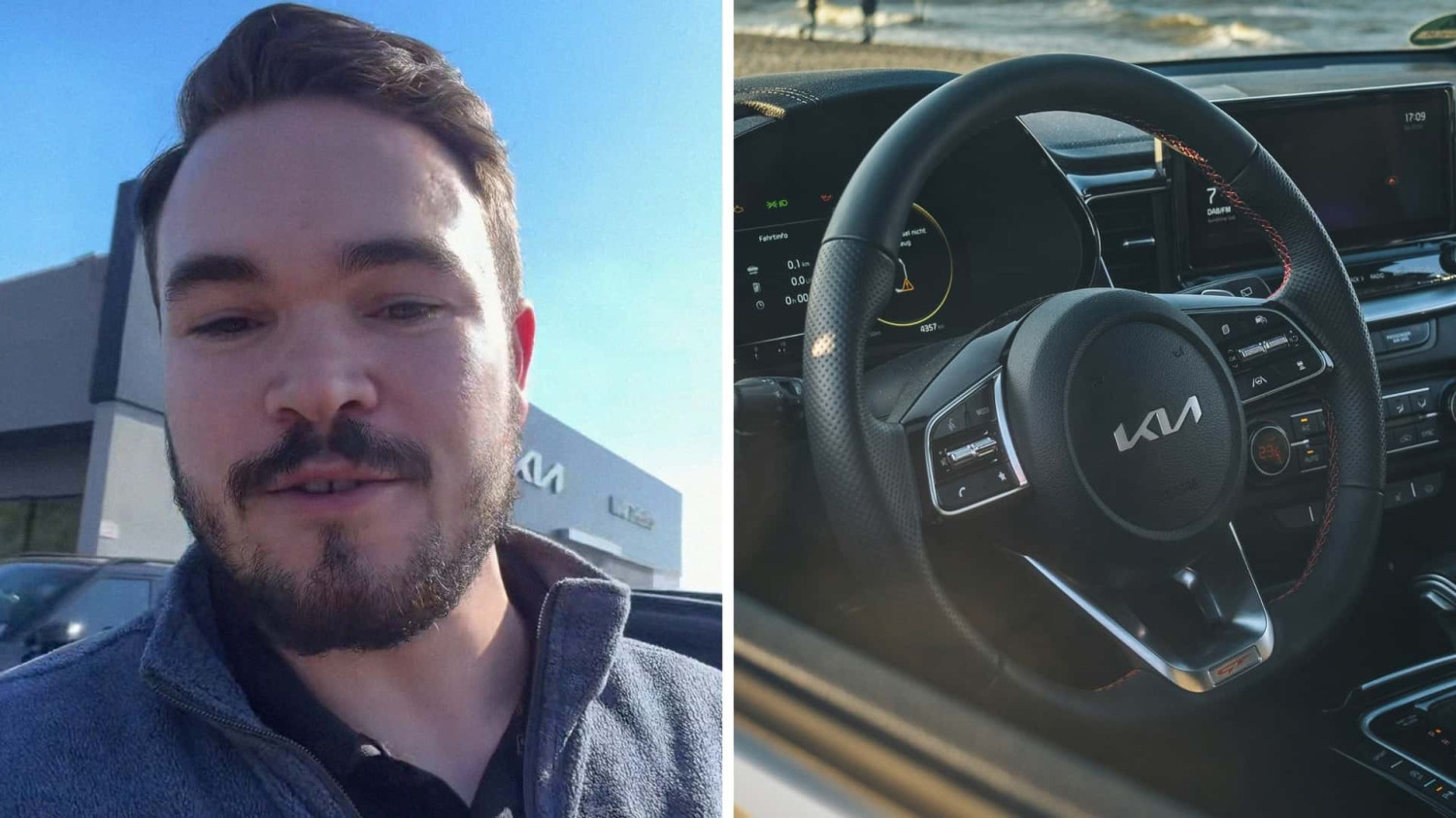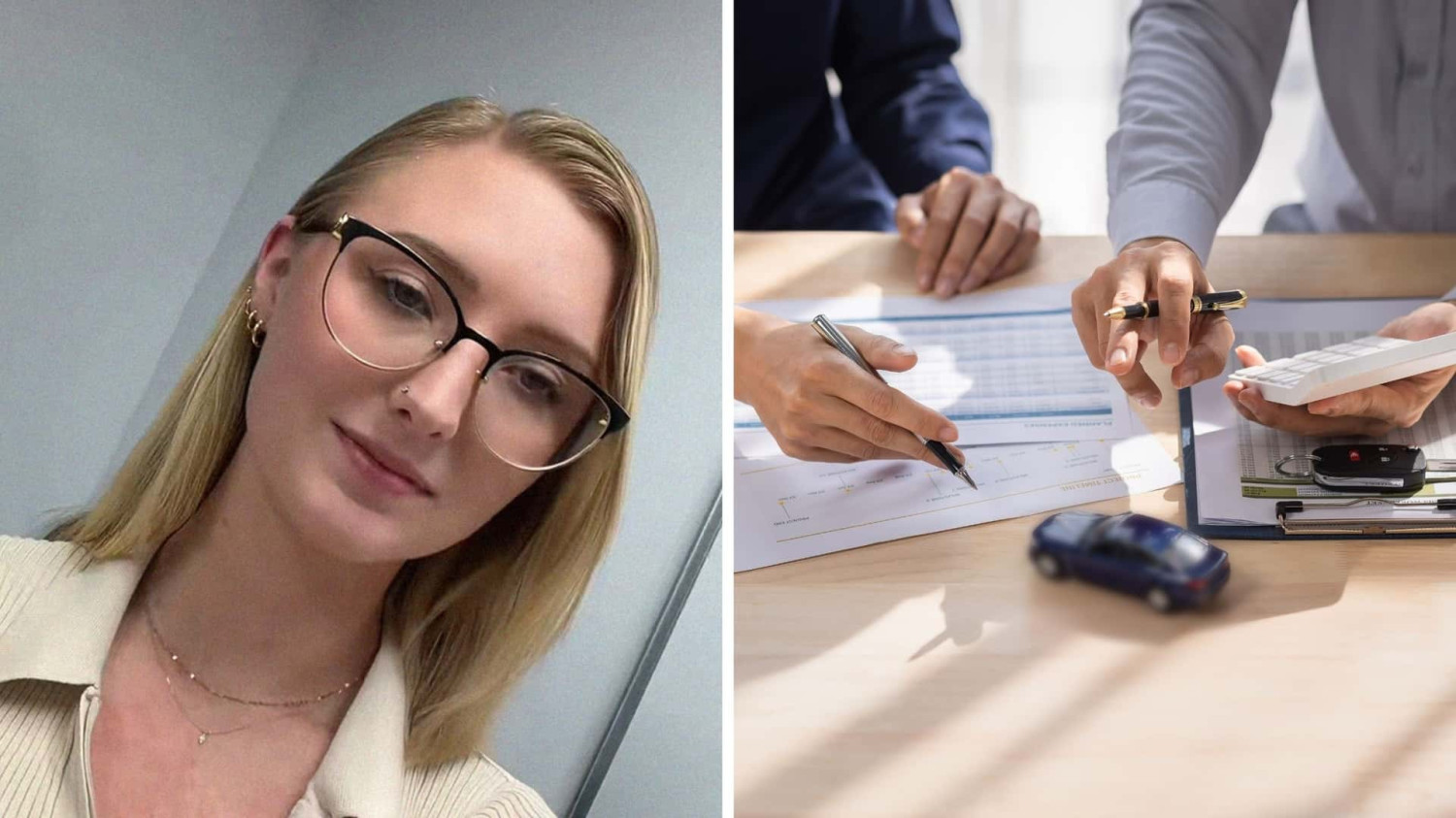




















Deciding whether to lease or buy a vehicle can be difficult. A Mazda car sales expert disagrees. She says the choice is easy: Lease that whip. The reason, Taylor Shortell (@thetayshortell) explains in her TikTok on the subject, boils down to residual value. Taylor begins her video by drawing a diagram on a whiteboard to visualize what an average financing purchase term looks like. Then she points to a section of her drawing that’s meant to delineate the "residual value" of a new car lease. She indicates that the residual value determines the value of a car lease. "You’re gonna use the first three years of it so you don’t need to pay for all of it," she says. She goes on to state that these first three years are "the best years of a car’s life." According to her, this means folks are inherently getting a better deal when they lease a vehicle. That’s because, again, buyers aren’t on the hook for the full cost. Instead, they’re just expected to pay for the residual value. She claims that once the term of a lease expires, the payments folks are on the hook for are "effectively zero." Then buyers can decide whether to buy out the rest, get a new lease, or go on their merry way. Shortell says that, generally speaking, barring damage or exceeding the mileage restriction, folks can return their leased vehicle without any extra costs. Lease Market Fluctuations Shortell claims that people who lease cars can use market shifts to their advantage. This is due to the set residual value appended to a car, which is included in your lease term. So if a car’s used value purchase price goes up in value, as they did during 2022, you’d be able to purchase your car at that pre-hike rate. Of course, this depends on the leasing agreement, but Shortell says consumers could then buy the car at a price below the current market value—or leverage it for positive equity to trade in the lease for a better deal. Conversely, if a car’s value drops precipitously, you can simply give the car back after your lease term is up. What Charges Can You Anticipate When Returning a Leased Vehicle? Shortell acknowledges that it isn’t always smooth sailing when you turn in a vehicle at the end of your lease. She points to "missing a car door" as an example of what would prompt additional billing from a dealership. Typically, "normal wear and tear" is expected on a leased car, and customers aren’t expected to foot the bill for that. However, there’s no shortage of anecdotes from those who’ve leased cars who say that this distinction varies from business to business. Lease terms may describe what’s seen as acceptable wear and tear, such as the size of any scratches, dings, or dents. Lease End suggests fixing any blemishes or damage before turning it back in. This way, consumers may avoid additional charges. It’s also vital to consider mileage limits with a lease. Capital One writes that per-mile billing varies. And if one knows they’ll drive more than the lease term, Noreast Capital says it might be smart to purchase extra miles beforehand. That’s because the cost is often 40-50% less than the per-mile penalty rate upon return. Shortell says that if a driver pre-purchases miles, they’ll pay 10 cents per additional mile. So, Should You Buy Or Lease a Car? Commenters Sound Off Some folks who replied to Shortell’s video agreed with her logic. One replied, "Leasing makes sense for a lot more people than people realize. Lots of negative? Roll it in a lease, pay 3 years and walk away with a clean slate. Don’t drive much? Lease it. Have equity later, for way less per month. Never out of warranty. Most come with service packages, so the cost of ownership is minimal." Another said that leasing is best for folks who are dead set on getting a brand new model year vehicle. "When getting a new car, leasing is the most cost effective way to do it, especially if you want a new car every few years. Plus it’s a good way to wipe out negative equity if you have some," they wrote. Many financial analysts would argue that buying or leasing a new car is almost always a bad idea, however. They recommend buying a vehicle that’s three to five years old because this time period is when vehicles depreciate the most. But the vehicle is still new enough that you get modern features and may still be covered by the manufacturer’s original warranty. Plus, by then, any pervasive issues with the model year are more likely to have come to light and possibly been addressed. Motor1 has reached out to Shortell via TikTok direct message for further comment. We’ll update this if she responds. We want your opinion! What would you like to see on Motor1.com? Take our 3 minute survey. - The Motor1.com Team