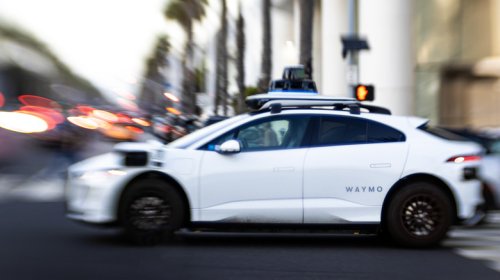
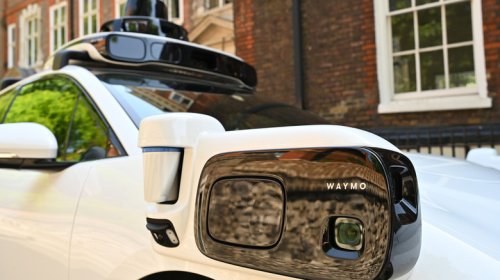
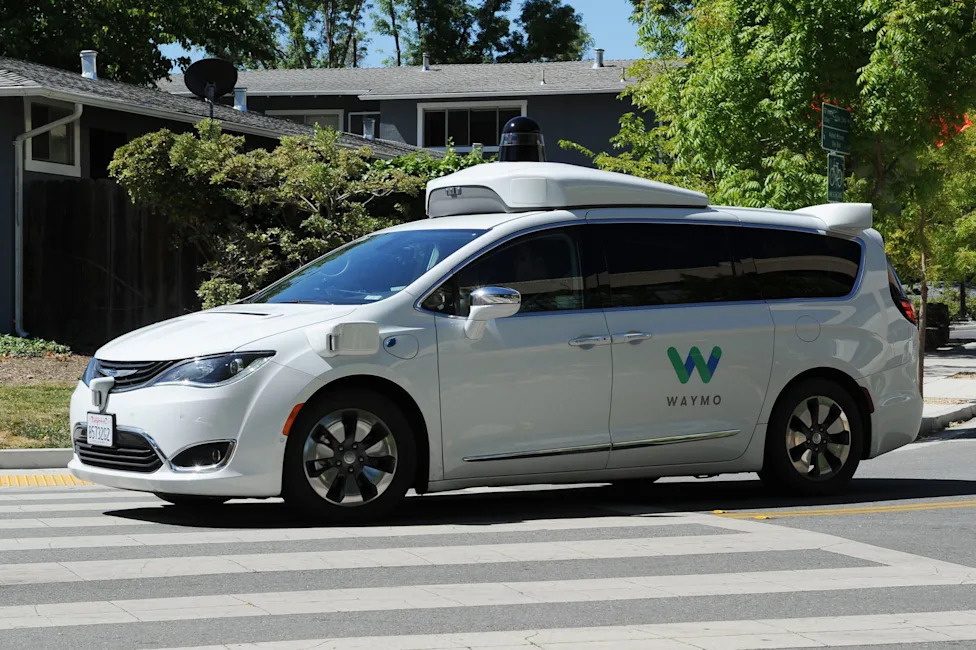
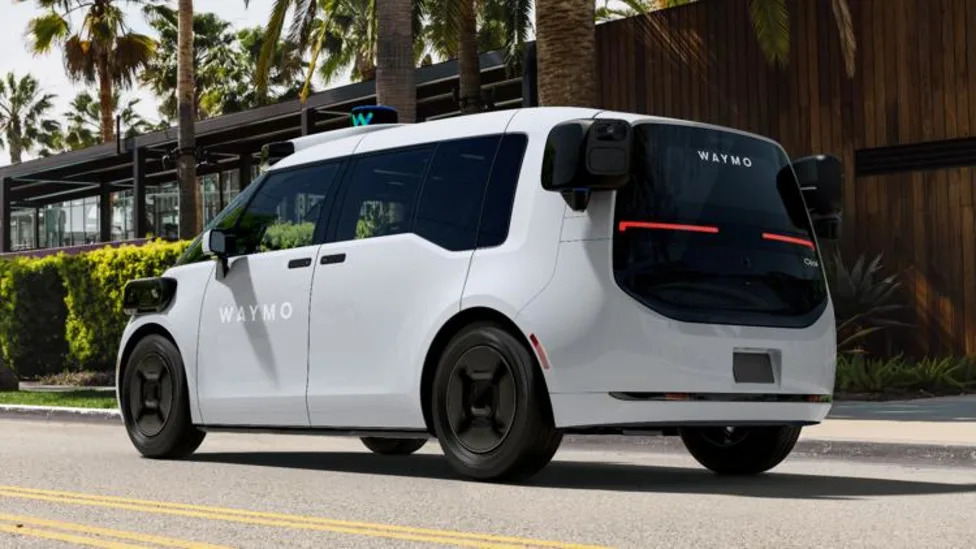
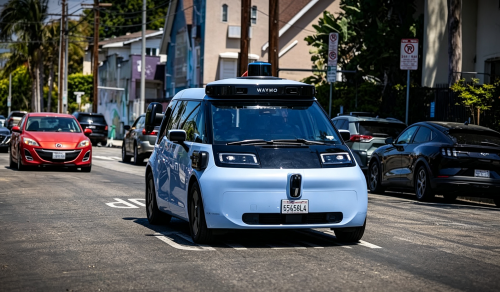
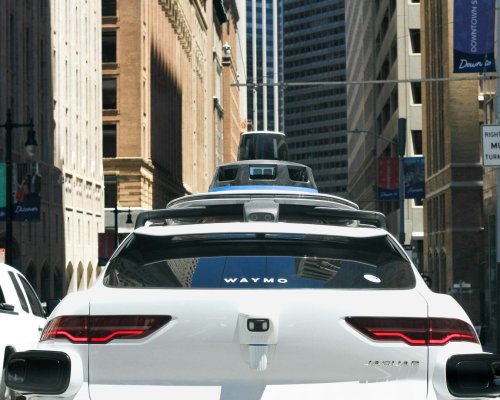
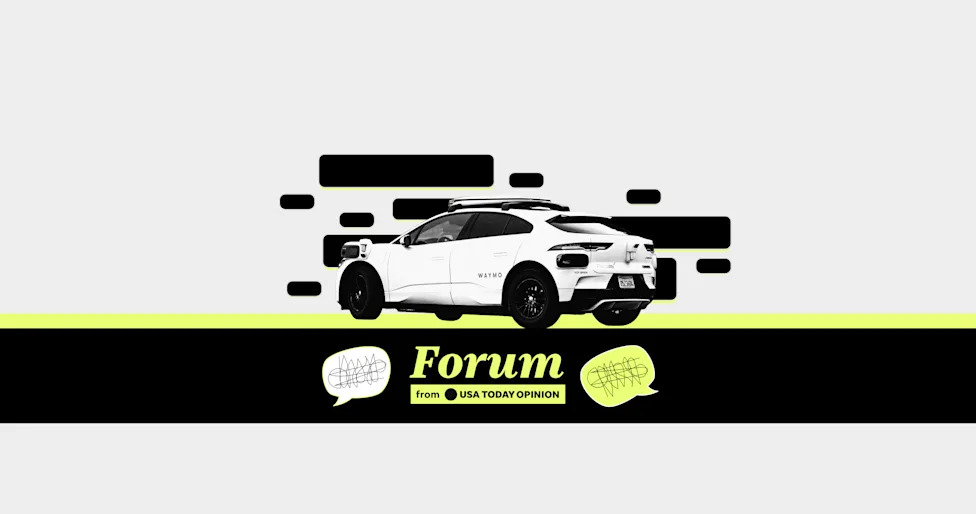
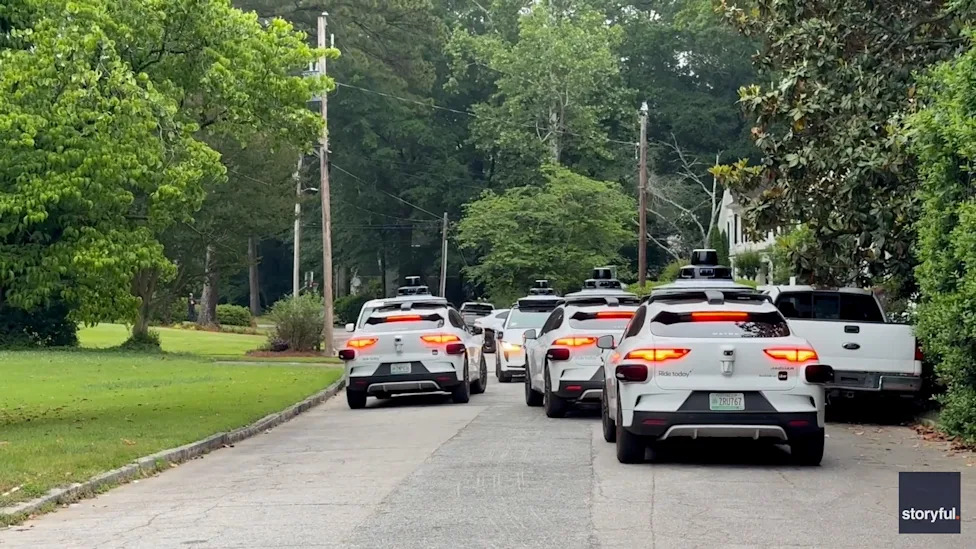
Is an AI-powered rideshare service safer than a human-driven one? USA TODAY readers share their opinions on Waymo in our latest Forum.As long as you don't need to catch a flight, your vehicle is at zero risk of being attacked, you're in an area with no construction zones, and you don't live in a cul-de-sac or a flood-prone area, robotaxis are easily the way to travel. Otherwise, your mileage apparently may vary.Driverless cars like Waymo, the popular autonomous rideshare company with thousands of vehicles across the country, are here to stay, but not without some fits and starts. Just in the past month, the company announced the recall of thousands of its vehicles due to a software issue that could cause them to drive into floods. Then, on May 26, it said it was temporarily pausing its vehicles from operating on U.S. freeways to address safety concerns.So we asked you, our readers, what you make of this fledgling technology in our streets. For many of you, the driverless future can't come fast enough. For others, it feels far too soon.AdvertisementAdvertisementBelow you'll find some of your answers. Want to weigh in? Lend your voice to the latest conversation by visiting usatoday.com/forum, leaving us a voicemail at (202) 655-3923 or by dropping a note at forum@usatoday.com.I hope one day all drivers will be robotsI don’t think I would feel uncomfortable being driven by a robot.Humans take unnecessary risks because everyone thinks they are a “great” driver and smarter than everyone else. Humans get competitive and emotional behind the wheel, which leads to confrontations and stupid maneuvers. Humans misinterpret maps, resulting in wrong turns and delays. A robot avoids all these factors.I hope someday that all vehicles are autonomous. It will be funny to see how police departments struggle ‒ because they spend all their time ticketing people and selectively enforcing laws that strip citizens of their money and freedom. If robots always obey the law, the police will have nothing to do.AdvertisementAdvertisementI prefer to write and think for myself when it comes to work and personal time, and I hate AI customer service and chatbots. They just spit out predictable answers because artificial intelligence really doesn’t understand humans. It can’t interpret body language and inflection. It doesn’t understand frustration. Simple AI like Siri can’t even properly translate a sentence predictably. I don’t want AI to take my order or try to solve my problems.But I do wish every vehicle were required to be AI-controlled. We'd all get places faster and safer.— Dan Hawkins, IndianaShare your opinion: I can't afford to travel now. Are you taking a summer trip? Tell us. | Opinion ForumMy Waymo worked fine ‒ until it didn'tI will never take a ride from Waymo again. I was at a light, and a homeless person started smashing the windows with a flashlight, and the Waymo just stopped and would not move. No matter what I did, it just stayed there. I thought I was going to be attacked. Luckily the cops came, but an Uber driver would have gotten me to the location.AdvertisementAdvertisementWaymo cars are just less safe. If you have a medical emergency or something in a Waymo, you're screwed. If a Waymo gets stuck, you're screwed.I think AI is going to cause a lot of people to be broke. It isn't helping us – it's destroying jobs.— Aaron Povio, CaliforniaYour Turn: I have ADHD. It's not a deficit for me, it's a lever. | Opinion ForumAutonomous vehicles aren't just the future. They can't come fast enough.My first ride in a Waymo self-driving vehicle was in Phoenix, and I'll admit I was pretty anxious at the start. Climbing into a car with no driver felt strange and a little unsettling – I wasn't sure what to expect. But within minutes, those nerves melted away and I found myself actually enjoying the experience.AdvertisementAdvertisementThere were no awkward attempts at small talk, no unsolicited opinions, and none of the uncomfortable sexual comments that can sometimes make a rideshare feel tense. I was completely in control of my own environment – I picked my music, sat back and just enjoyed the ride on my own terms. These cars are especially great for people with ADHD, autism or sensory issues.The car itself was clean and fresh ‒ no lingering odors or bottles of alcohol. The ride was smooth, the experience was stress-free, and it gave me a new appreciation for what autonomous vehicles could mean for everyday transportation.Waymo has had its share of accidents and incidents. But on balance, I believe self-driving cars are safer than human-driven ones, and my personal experiences with rideshare services have only reinforced that view. I've had Uber and Lyft drivers abruptly decide mid-trip that they no longer wanted to continue, leaving me stranded in unfamiliar areas with no warning, as they did not want to drive from New Jersey to Pennsylvania.Then there's the environment itself. Many rideshare cars are poorly maintained and unclean, and what some platforms market as a premium or "extra comfort" experience rarely lives up to the label.AdvertisementAdvertisementDo you want to take part in our next Forum? Join the conversation by emailing forum@usatoday.com.You can also follow us on X, formerly Twitter, @usatodayopinion and sign up for our Opinion newsletter to stay updated on future Forum posts.Beyond the physical condition of the car, some drivers can be boundary-crossing – whether through unwanted conversation, inappropriate comments or just generally making the ride uncomfortable. Waymo eliminates all of that. Removing the unpredictable human element isn't just a convenience – it's genuinely a safety improvement.We are still in the relatively early stages of this technology, and it is already performing remarkably well in real urban environments. Will it survive in rural America? We have to see. But these systems continue to learn and improve. It feels weird to start using it, but that's the way with technology.— Mitali Purohit, PennsylvaniaThe tech just isn't there yet for self-driving carsWhy would I take a chance on unproven technology that could have significant safety ramifications? Don't believe the corporate talking points the executives use to ram it through with the justification of "saving lives." Their data is proprietary and unproven, and it's all a corporate takeover of civil liberties.Parades of empty Waymo vehicles repeatedly circled an Atlanta neighborhood over several days, perplexing and annoying residents.Yes, human drivers make mistakes, but humans know the patterns of other humans and can react more quickly than vehicle sensors that seem to just make the vehicles stop abruptly the second they are confused, which is itself a dangerous situation.AdvertisementAdvertisementThis is a deeply troubling technology, and while it's fun to think of a far-off future where trips are effortless, we are far from that, and if it is pushed through unchecked, undoubtedly it will lead to loss of life and loss of autonomy.What I fear is the rampant use of AI systems to make decisions that affect humans on a deep level (e.g., in claims, diagnoses, etc.) and the potential for AI systems to do harm, as they have already shown.— JT Bosch, MassachusettsYou can read diverse opinions from our USA TODAY columnists and other writers on the Opinion front page, on X, formerly Twitter, @usatodayopinion and in our Opinion newsletter.AdvertisementAdvertisementThis article originally appeared on USA TODAY: Waymo driverless cars are the future, like it or not | Opinion



















 +66 others