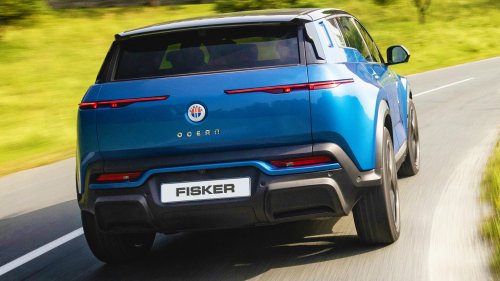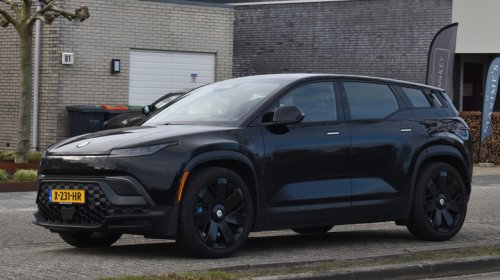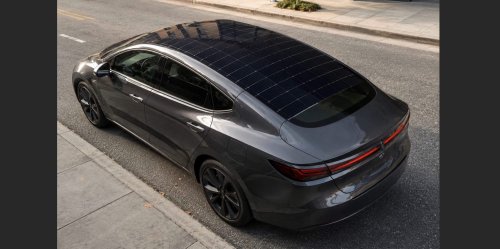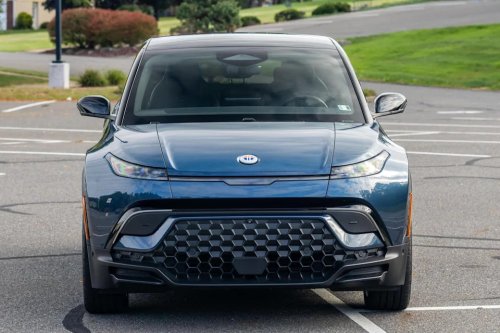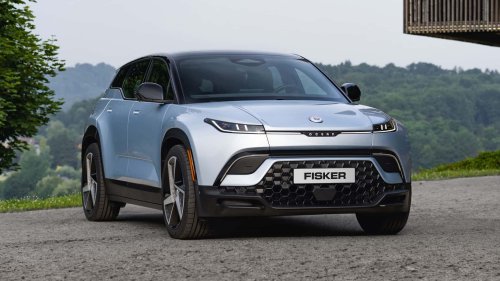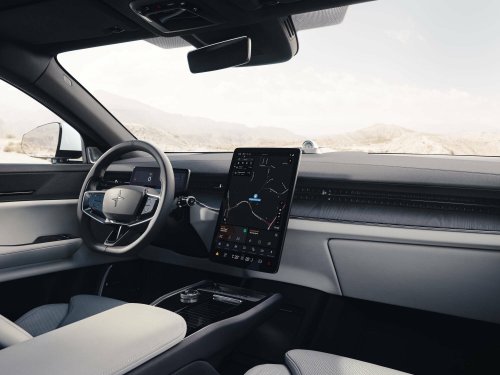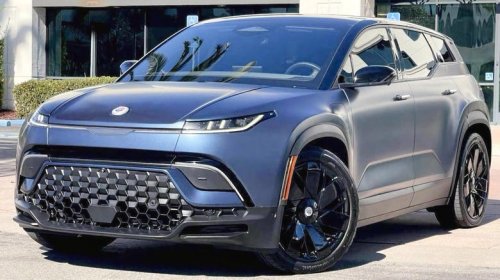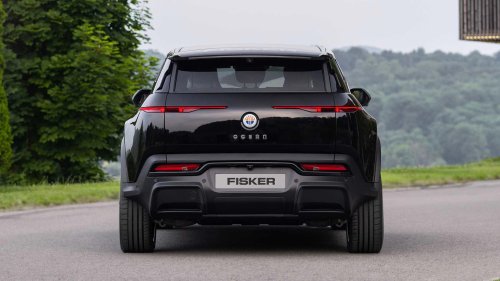
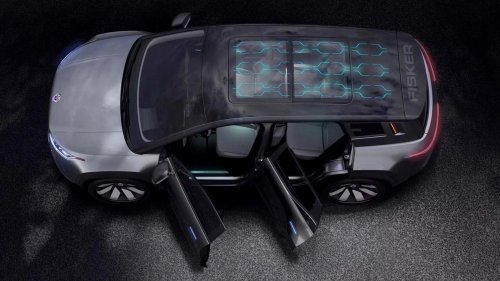
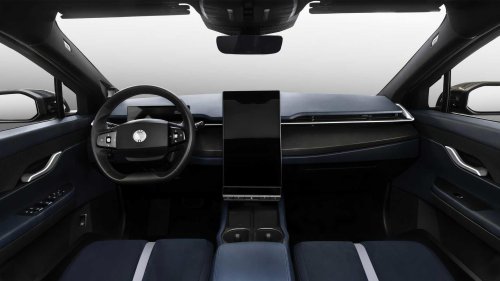
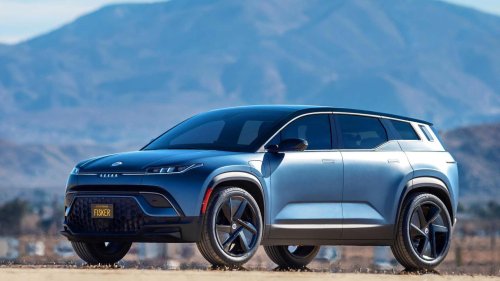
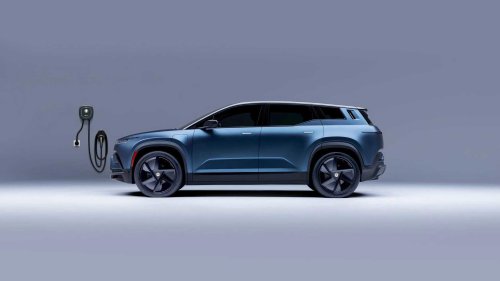



















The story of the Fisker Ocean does not make for enjoyable reading. The narrative centers mostly around dramatic depreciation but also unveils a woeful tale of corporate collapse, leading to an eventual fire sale. And even though Fisker launched its Ocean Extreme in 2023 with lots of confidence, serious performance, premium features, and class-leading EPA range figures, things quickly went south.Fisker was forced to file for bankruptcy in June 2024, having already slashed the price of the original Ocean Extreme from $68,999 to $37,499. In the fire sale that followed, Fisker let go of its remaining SUVs for only around $14,000 apiece. However, while all was looking lost for the Ocean Extreme, its existing buyers were not willing to go down without a fight. And their subsequent owner group was able to create a pathway to make the car feel somewhat less hopeless than it did in mid-24. The Fisker Ocean Is Now Cheap, And Its Decline Started Before Bankruptcy FiskerIt's difficult to know what was going on within Fisker as a company, but it started out on the right foot in July 2023 by announcing both the Ocean Extreme and the Ocean One SUVs at $68,999. What's hard to understand is why Fisker should issue a pricing cut only a few months later, bringing the Ocean Extreme down to $61,499, before slashing it again six months after that. In March 2024, Fisker announced that its Ocean Extreme would now sell for $37,499, or not far off half of the price it announced less than a year earlier.When bankruptcy arrived in June, Fisker had to do something with its remaining Ocean Extremes and agreed to sell its 3,300 inventory vehicles to American Lease for an average of about $14,000 each. In the space of not much more than a year, the Ocean Extreme had gone from $69,000 in value to $14,000 in value. And it was effectively in pricing free-fall long before formal bankruptcy pushed it over the edge.Reports suggest that Fisker was trying its level-best to rectify the situation, initiating a six-week production pause alongside efforts to raise more funding. But it had tried to reposition its remaining 2023 inventory as bargain buys before the court-supervised liquidation, and this shows that Fisker was treating the Ocean as a distressed product even while the company was still technically alive. On Paper, The Ocean Extreme Was A Serious EV Fisker When the Ocean Extreme debuted in 2023, it looked impressive. It could produce 564 hp in boost mode, had a 113-kWh hyper range battery, featured dual motor all-wheel drive, and could get to 60 mph in 3.7 seconds. It had an EPA-rated 360 miles of range, which Fisker claimed was the longest range of any new electric SUV selling for less than $200,000 at the time.On board, Fisker celebrated its rotating 17.1-inch screen and leaned heavily on the solar sky roof and California modes to position the Ocean as a stylish and sustainably minded premium EV. And it did present the sort of original hardware range and straight-line performance that should have justified its cost.As it turns out, people became wary of buying the Ocean with long-term issues in mind. They were particularly worried that a fault in a software-heavy EV like this could prove not only annoying but potentially catastrophic. If the fault was serious, it could effectively immobilize the vehicle without immediate help. And as the manufacturer itself was dead, an owner might be left with no obvious recovery path. What Can Actually Immobilize The Ocean Fisker The Fisker Ocean does carry a genuine immobilization risk, unfortunately, which is one of the main reasons why its value is so low today. The NHTSA has recall documents to show that some 2023 Oceans had to go back because software characteristics in the motor and vehicle control units might cause the vehicle to enter a safe state protection mode. Practically speaking, that means that a software-related glitch could leave the vehicle with reduced torque and motive power and unable to continue normally. And that explains why owners are so worried about the “bricking” risk.Fisker also recalled more than 7,545 Ocean SUVs in the US, because of a problem that could lead to a loss of power. This issue centered around a cabin electric water pump communication failure that would put the battery management system into limp mode again. Certainly, that doesn't mean that the vehicle was technically dead, but it would have meant a lot of hassle for an owner who would then have had to seek out specialist intervention.Once an OEM has filed for Chapter 11 and disbanded any dealer-style support structure, its vehicle owners would have nowhere to functionally turn. And a modern SUV like this is certainly not like a 1990s sports coupe, where you can bring in an independent mechanic to work their magic. If such an owner wanted to put their Ocean back to a normal state, they’d almost certainly have to rely on specialized procedures, software access, and diagnostics. The Owners' Alliance Is The Reason The Ocean Still Has A Future Fisker Worried Fisker Ocean owners realized that they had to get together and work quickly to salvage their ownership proposition. This led to the formation of the Fisker Owners Association, which then worked to secure access to service resources, parts, maintenance information, and alternative tooling support. It discussed new service locations that could now access Fisker's FAST diagnostic tool, which started to make those Oceans more viable once again.Thankfully, the bankruptcy process itself preserved some support continuity too, and the plan only got a rubber stamp once Fisker had talked about future vehicle tech support. Fisker developed a five-year support arrangement funded by American Lease, and that should have given fleet users and retail owners a better chance of keeping their Oceans functional. How The Ocean Story Is Unfolding Fisker If you were to buy a Fisker Ocean today, you’d need to treat support as part of the vehicle itself. You’d need to be well aware of the recall status, the software state, the key situation, service access, and the diagnostic pathway, and realize that this car is way more than just its battery, motors, and body. While you may be able to tolerate a certain amount of uncertainty when buying a normal used EV, a bargain-basement Fisker Ocean could lose all of its attraction if you overlooked those servicing factors.Shrewd buyers should look at any vehicle's recall and software history before considering a purchase and probably walk away if there are any grey areas. Otherwise, they may just be acquiring a problem on wheels. And they’d also need to establish a support path before purchasing while setting up good access to a service location or technician who's familiar with the Ocean.If everything looks good with a used Fisker Ocean and the support story works out, then this could be a weirdly compelling machine for its new owner. After all, it was a real premium EV with some serious numbers before things quickly fell apart, and it became one of the most financially and operationally compromised vehicles on the market.But it's still important to end this story on a note of caution. While the Fisker Owners Association may represent a bright spot in this tale and its efforts may give some life to the Ocean, there still seem to be matters to resolve. The American Lease-centered owner-facing support system seems unstable, and some owners may not have access to that safety net after all. And that probably means that this strange story has some way to run yet.