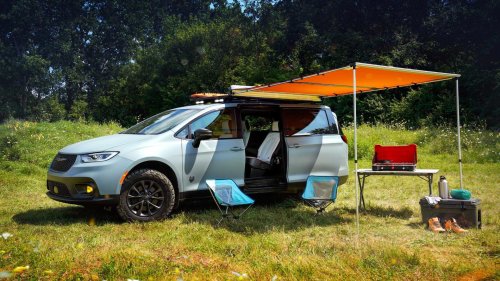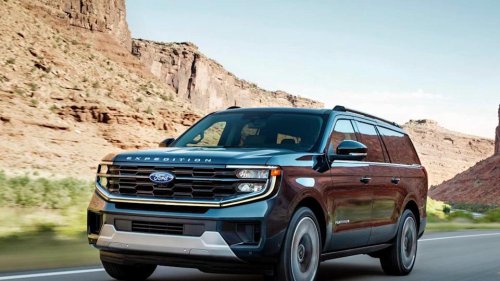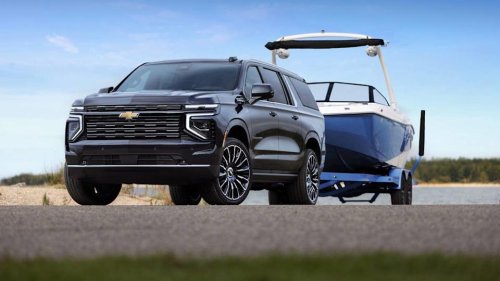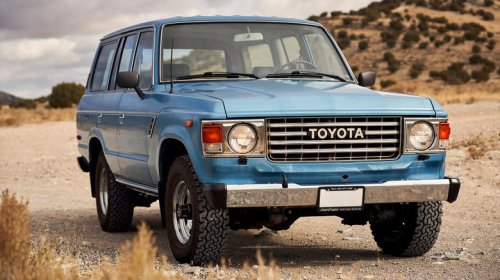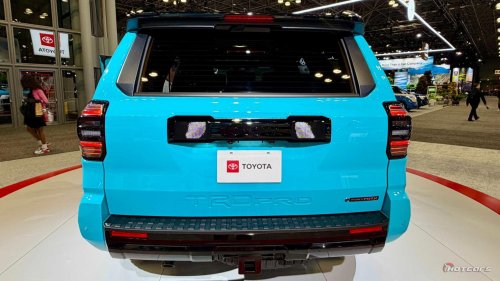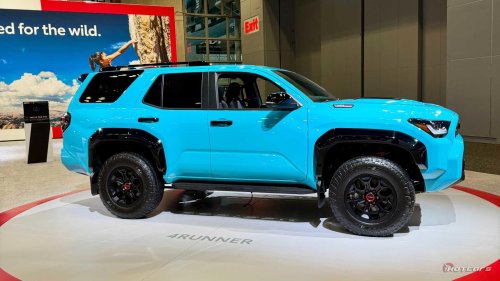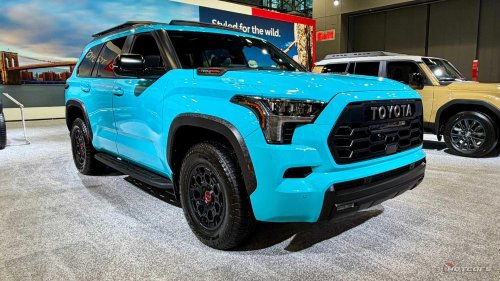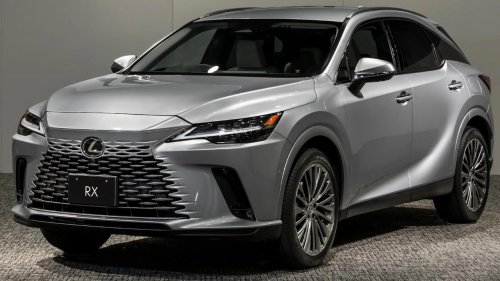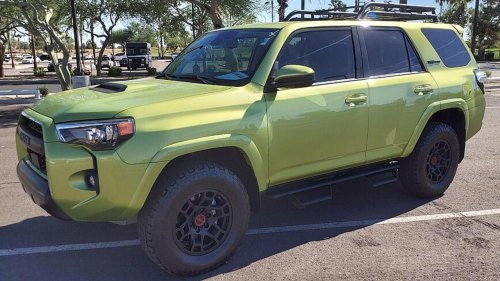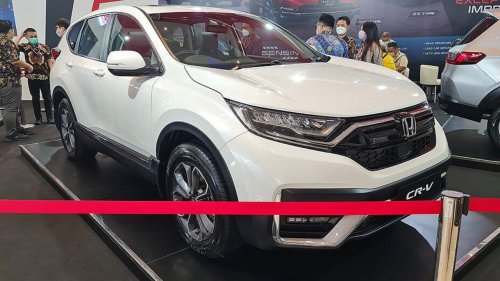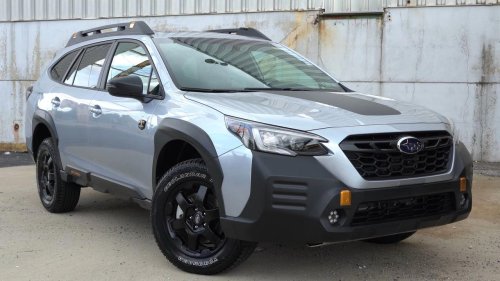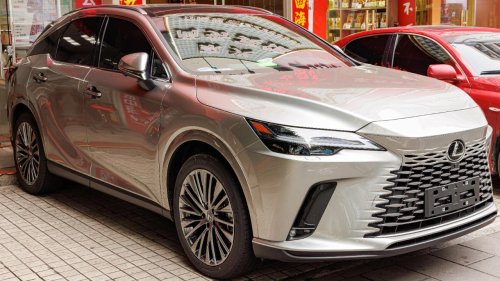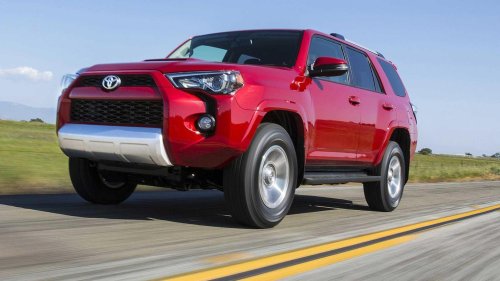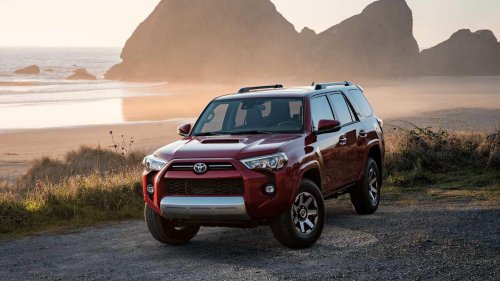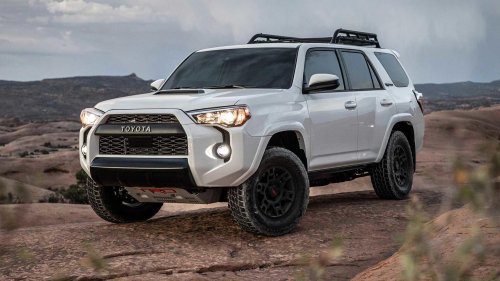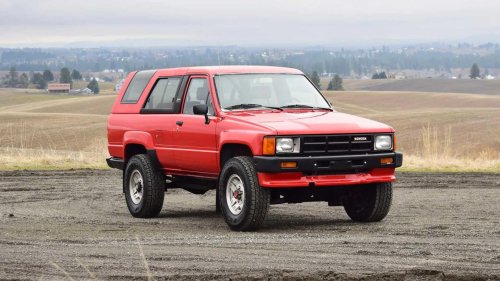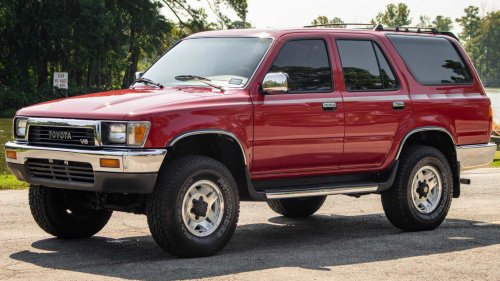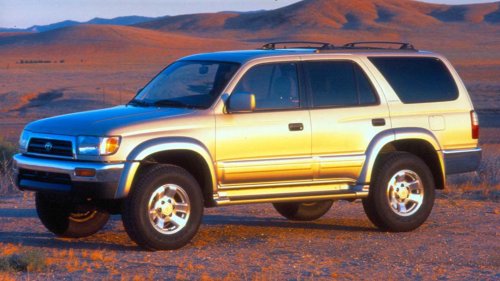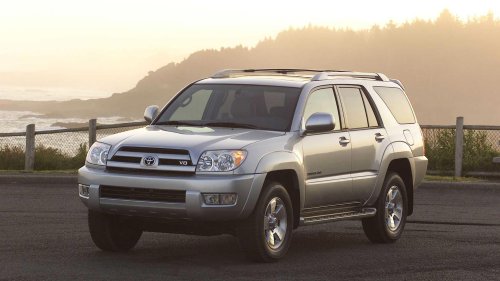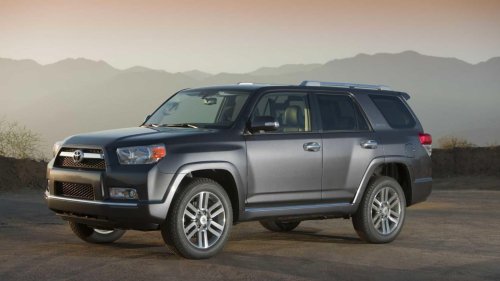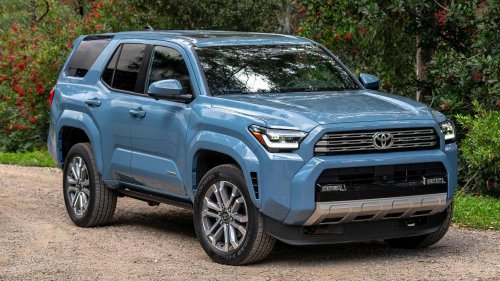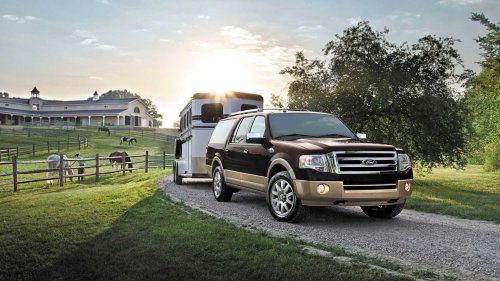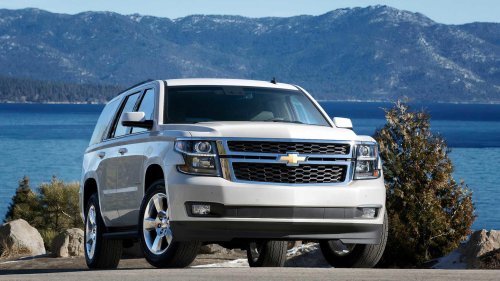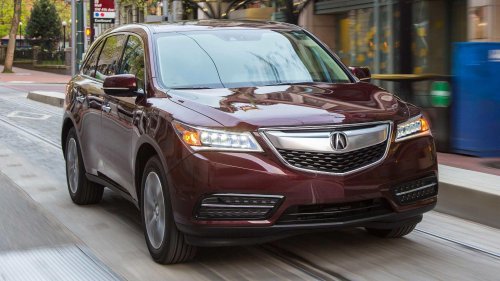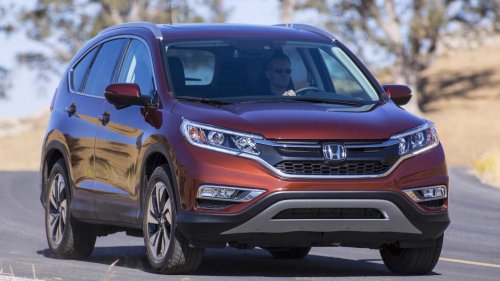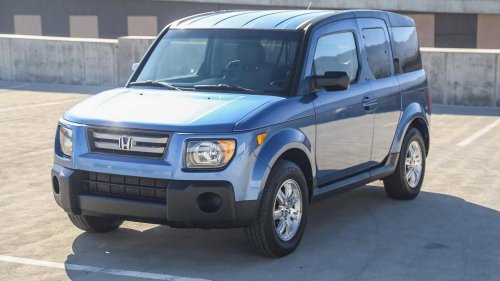
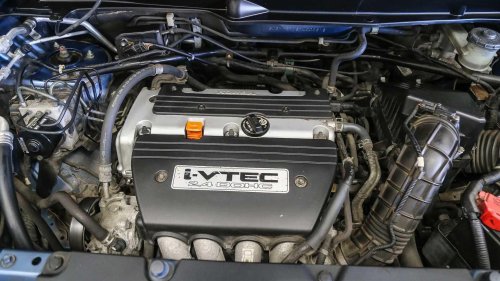
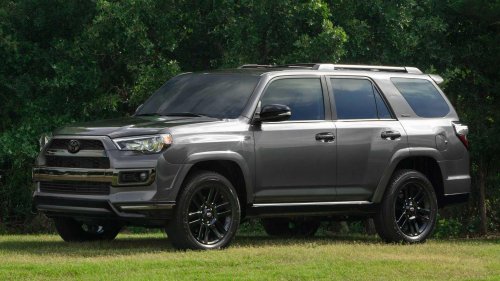
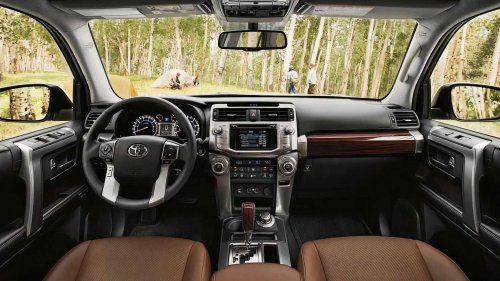
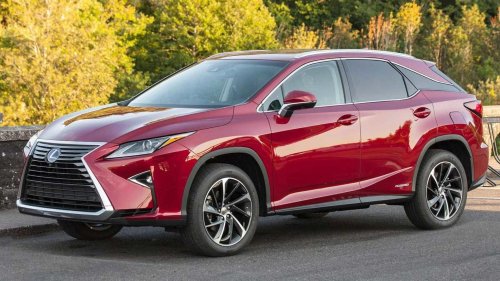
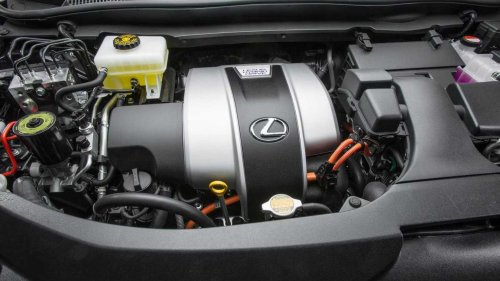
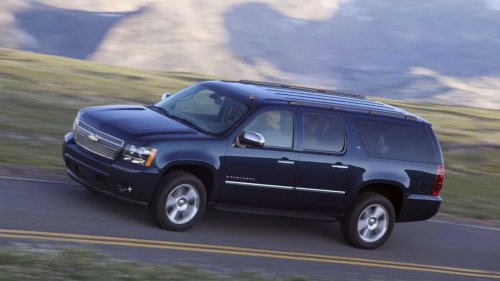
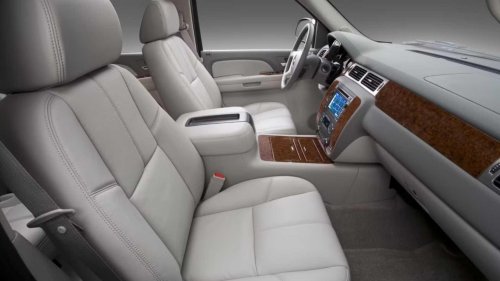
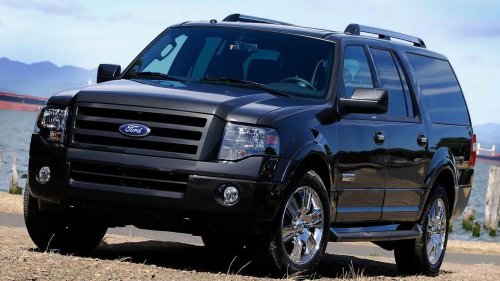
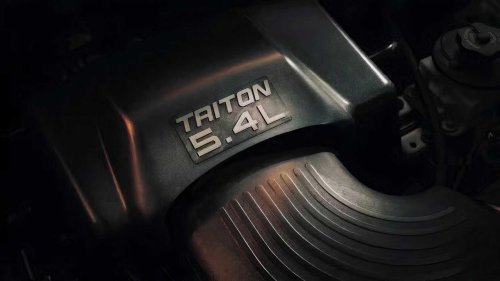



















Considering just how many SUVs there are on the market nowadays, it's hard not to think of them as appliances. Just like a smartphone, most owners view SUVs, and cars in general, as disposable. When the next best thing shows up, they move on without much thought. Newer means better, right? Well, not always.There is a specific category of vehicle that creates long-term loyalty so strong that owners actively resist upgrading—or they just never sell them. They are more than just reliable vehicles; they are the last of their kind. Most of these vehicles still circulate our roads today because they have no rational replacement. Here are five SUVs that most owners keep for two decades or longer, and the reasons they never let them go. Honda Element (2003-2011) Top Selling Point: One-of-a-Kind Utilitarian Vehicle The Honda Element is a compact SUV that most mainstream consumers have long forgotten, though a tight-knit group of owners remains fiercely loyal. The reason these owners have kept theirs around is that the Element has no successor and no modern equivalent. If you want a current model year replacement for your Element, there isn't one. Despite there being more "outdoorsy" compact crossovers than ever before, no current model offers the same features as the decades-old Element: a completely flat and rubberized washable floor, rear-hinged clamshell doors, and seats that can be stowed or removed with minimal effort. The Element was so ahead of the curve that its value was truly never understood at its peak. Since its discontinuation in 2011, buyers searching for a direct replacement have still found nothing that matches the Element's utility.Bring A TrailerThe versatility of the Honda Element is undeniable, but what enabled it to develop such a strong loyalty from owners was its simple mechanical underpinnings. Every Element is powered by the same engine: Honda's iconic K24 inline-four, which is one of the most reliable engines Honda has ever produced. The K-Series has served as the basis for Honda's stellar reliability standards for decades, with several verified million-mile examples. Indeed, the entire construction of the K-Series is designed for easygoing long-term ownership.Bring A TrailerCompared to Honda's modern turbocharged engines, the K24 is more straightforward and cost-effective. This has allowed several Element models to achieve 300,000 miles or more without an engine rebuild. Life is a little easier without a turbocharger, direct injection, and active fuel management. Once you consider how reasonable the ownership costs are for this compact Honda SUV, keeping it around rather than selling it feels like a logical solution every time. Toyota 4Runner (2010-2024) Top Selling Point: Overengineered For Everyday Life The fifth generation of the Toyota 4Runner will go down in history as one of the most durable SUVs ever built. With a 15-year production run, the fifth-gen 4Runner defined an entire era of body-on-frame Toyota SUVs. Indeed, the fifth-gen 4Runner is one of the last midsize SUVs that offers a body-on-frame construction, a live rear axle with coil springs on 4WD models, and a rock-solid naturally aspirated V-6. Fifth-gen 4Runner owners unanimously agree that the simplicity of its tried-and-true V-6, the 1GR-FE, cannot be replicated by the current generation. With turbocharging and hybrid systems now being the norm, the cost and complexity of the newer 4Runner models have significantly increased.ToyotaThe 4.0-liter 1GR-FE has been the heart of the 4Runner since 2003 and has been constantly refined for more than two decades. Even from the first iteration, the 1GR-FE was completely overengineered for the North American market. This Toyota V-6 features a forged steel crankshaft and was originally designed for the off-road-focused Land Cruiser Prado outside the U.S. It was always intended to serve as a workhorse engine with long-term durability at the forefront. That's why 1GR-FE-equipped vehicles routinely exceed 400,000 miles with appropriate maintenance schedules.ToyotaJust as strong as the engine is the A750F five-speed automatic transmission, which can easily handle twice the torque output of the 1GR-FE and is under-stressed by design. Compared to modern Toyota powertrains, the fifth-gen 4Runner is as simple as it gets, with long-term ownership costs in favor of the older designs. Lexus RX 450h (2016-2022) Top Selling Point: Last Of The Hybrid 2GR V-6 The fourth-generation Lexus RX 450h is a legend in the luxury SUV segment. Its hybrid naturally aspirated 3.5-liter 2GR-FXS V-6 powertrain is something most luxury automakers, including Lexus, have moved away from in favor of downsized turbocharged alternatives. Yet, what is often overlooked is how smooth and refined the power delivery of this V-6 platform truly is. In addition, the V-6 is not plagued by the same complex issues affecting direct-injected turbocharged engines.LexusThe 2020 Lexus RX 450h received a Consumer Reports reliability score of 87 out of 100 and a 91 out of 100 quality and reliability score from J.D. Power. Those scores would be exceptional for any vehicle, and there is a reason why the older generations of the Lexus RX are still among the most desirable luxury SUVs on the used market.LexusAs far as hybrid powertrains, nobody builds them quite like Lexus. Hybrid system failures are extremely rare in RX 450h models, and the original battery packs are known to last over 200,000 miles without a significant loss of capacity or capability. The hybrid system's regenerative braking also reduces wear on the brake components, another factor lowering the overall cost of ownership. In owner satisfaction surveys, the RX 450h and Lexus as a brand have consistently performed at the top of their segments. Whether it is build quality, comfort, or reliability, few luxury SUVs provide the same level of pain-free experience as the Lexus RX 450h. Since the current Lexus RX has moved on to a hybrid turbo-four, owners who are looking to keep their RX long-term know there is no reason to cast aside the rock-solid fourth-gen architecture. Chevrolet Suburban GMT900 (2007-2014) Top Selling Point: Last Of The Pre-AFM V-8 ChevroletFew engines on the market have as much aftermarket support and parts interchangeability as the small-block Chevy-based L96 and LY6. Their construction philosophy is solely focused on durability rather than any other aspect of performance. Without cylinder deactivation or a complex hybrid system, these old-school engines mark the end of an era. Just as notable is the strength of the transmission options for the 2500 models, which include the four-speed 4L80E and the six-speed 6L90E.ChevroletThis powertrain configuration was built for towing and hauling heavy loads, and the GMT900 is still considered one of the last affordable and simple tow rigs you can buy. The GMT900 is designed around pure simplicity, and there is no modern full-size American SUV that matches it once you consider the costs of long-term ownership. Ford Expedition (2007-2017) Top Selling Point: Last Of The Ford N/A V-8 The third-generation Ford Expedition, similar to the GMT900, also had a story with several distinct chapters. When introduced in 2007, it featured the 5.4-liter Triton V-8, and this engine suffered from some early-build issues until it was redesigned in 2009. Then, at the end of its production span in 2015, the third-gen Expedition began offering the 3.5-liter twin-turbo EcoBoost V-6, and the naturally aspirated V-8 was phased out entirely.FordThe Expedition models from 2010 to 2014 proved to be the most reliable period of the 5.4-liter Triton's entire production run. This 5.4-liter engine had been utilized since the second-gen Expedition, but it suffered from many different reliability issues at the time. By 2010, most of its quirks had been ironed out. The six-speed 6R80 transmission it was paired with has also proven to be one of Ford's strongest units. If you are going to buy any older Expedition that is out of warranty, it should be a 2010 to 2014 model—avoid the other model years. This five-year period historically produced the lowest complaint volume of any Expedition model since its introduction. FordOnce the 5.4-liter Triton was replaced by the 3.5-liter twin-turbo EcoBoost V-6 in 2015, both performance and efficiency did increase. Yet, these benefits came at the expense of significantly increased long-term ownership costs. The era of mechanical simplicity ended with the introduction of the EcoBoost V-6, and for many Expedition owners, the trade-off simply wasn't worth it. Early EcoBoost Expeditions suffered from several reliability concerns, and it would take almost a decade for these issues to be fully rectified.For sustained towing and heavy-duty workloads, a naturally aspirated V-8 does the job better. That's why owners who bought 2010 to 2014 Expedition models often keep them for the long haul. Nowadays, the common issues with the 5.4-liter powertrain are widely understood, and parts availability is still as strong as it was when they were new. So while the newer Expeditions may be better in many ways, most sweet spot third-gen Expedition owners are in no rush to upgrade.Sources: Ford, Chevrolet, Toyota, Honda, Lexus, NHTSA, J.D. Power.