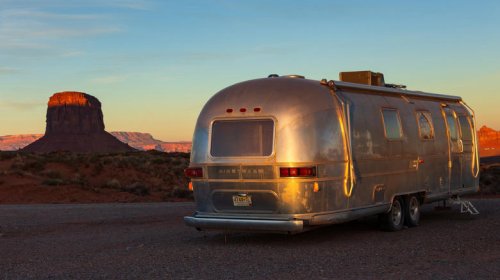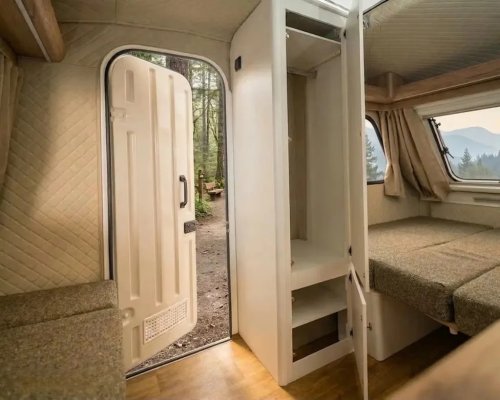







































The Ultimate Travel Trailer ChecklistBuying a travel trailer is about more than just sticking to your budget. Every decision—from the floor plan to the type of insulation—can impact your comfort and safety on the road. To help you make a smart choice, here are 20 things to consider so you can hit the road without regrets.1. Frame And Chassis ConstructionStart by inspecting the trailer's foundation, including its frame and chassis. Steel frames offer strength but can rust; aluminum, on the other hand, resists corrosion but may flex under load. Box tube construction generally outperforms C-channel frames in durability. Additionally, look underneath for welded joints and powder-coated finishes.2. Gross Vehicle Weight Rating (GVWR)Always check the GVWR to understand the trailer’s total safe weight when fully loaded. This includes cargo, water, propane, and personal items. Towing a trailer beyond its GVWR risks damage and legal trouble. A trailer with a 7,000 lbs GVWR should carry just that.3. Floor Plan And LayoutDon’t judge a trailer by square footage alone. Look for efficient placement of kitchen, bathroom, and sleeping areas to avoid crowding. Slide-outs can create space, but they also add weight and mechanical complexity. A well-designed 22-foot trailer might feel roomier than a poorly arranged 30-footer.4. Insulation And Climate ControlProper insulation ensures year-round comfort and lowers energy use. Select a trailer rated for four-season use, with R-values specified for the walls and floors. Dual-pane windows and enclosed underbellies add serious cold-weather capability. Arctic packages with heated tanks make winter camping a viable option.5. Bathroom Functionality & Water Tank EfficiencyThe bathroom setup affects convenience on the road. Choose between wet or dry baths based on space and comfort. Additionally, prioritize models with 30+ gallon grey tanks and 40-gallon black tanks, and consider composting toilets for off-grid trips to reduce water usage and minimize frequent dumping requirements.6. Fresh Water Tank Size & Pressure PerformanceFreshwater capacity determines off-grid flexibility. Trailers with under 30-gallon tanks limit independence, while 50+ gallon tanks support extended boondocking. However, size alone isn’t enough: ensure consistent water pressure across faucets. A high-quality pump system makes showers, dishwashing, and cooking much more enjoyable during travels.7. Towing Compatibility With Your VehicleYour current vehicle should be able to tow the trailer you want safely. Match the trailer’s dry weight and GVWR with your tow vehicle’s maximum tow rating and payload capacity. A Ford F-150, for instance, may tow between 5,000 and 13,000 pounds, depending on its engine.8. Roof Type And MaterialA trailer’s roof needs to resist the weather and require minimal maintenance. Rubber (EPDM or TPO), fiberglass, and aluminum are common materials. Fiberglass offers durability but adds weight, while EPDM is lighter but prone to punctures. Moreover, inspect seals around vents and skylights.9. Number And Type Of AxlesSingle-axle trailers are lighter and more maneuverable, but dual axles improve stability and weight distribution. Tandem axles also offer continued support if one tire fails. For trailers exceeding 20 feet in length, dual axles with electric brakes on both are strongly recommended.10. Kitchen Appliances And LayoutCooking on the road requires more than a compact stove. Adequate counter space and a refrigerator of at least 6–8 cubic feet is ideal. Convection microwaves can replace ovens in smaller models. Some trailers even offer outdoor kitchens with propane hookups and mini-fridges.11. Storage Capacity And OrganizationGood storage makes small spaces livable. Look for under-bed compartments, exterior pass-through bays, overhead cabinets, and kitchen pantries. Trailers with drop-frame construction often offer significantly more basement storage. A model like the Grand Design Imagine 2800BH includes over 40 cubic feet of external storage.12. Slide-Out Mechanisms And ReliabilitySlide-outs create valuable space but add mechanical and maintenance complexity. The electric or hydraulic systems that control them each have pros and cons; hydraulic systems tend to be stronger, while electric ones are easier to service. Always inspect seals, gears, and motors.13. Solar PrepModern travel trailers are often pre-wired for solar, but some lack the complete setup. A quality trailer should have a converter-charger, multiple 120V outlets, and a service panel with at least a 30-amp capacity. If you plan to install solar panels, search for Zamp or Go Power ports.14. Battery Type And PlacementCheck whether the trailer comes with a deep-cycle lead-acid or lithium battery. Lithium batteries are durable and charge faster, but are more expensive. Placement matters too: batteries mounted inside heated compartments fare better in winter. Many models allow upgrades but require space for proper ventilation.15. Quality Of Materials And Interior FinishesNot all cabinetry and furniture are created equal. Opt for real wood doors and durable flooring options, such as woven PVC or linoleum. Lower-end trailers may use staples and particle boards, while higher-end models use screwed cabinetry and aluminum framing.16. Warranty Coverage And Manufacturer ReputationWarranties vary from one to three years for basic coverage, with some limited structural warranties extending up to five years. Research user forums to gauge manufacturer responsiveness. Grand Design, for instance, is often praised for after-sales support, while others outsource service.17. Tire Quality And Load RatingStock trailer tires are often budget-grade and prone to blowouts. Tires with a load rating that’s equivalent to the trailer’s GVWR and a speed rating of at least 75 mph (L or M) are ideal. Goodyear Endurance tires are a preferred upgrade due to their reliability.18. Suspension System And Ride StabilitySuspension directly affects ride comfort and the longevity of components. Leaf spring systems are common, but add-ons like MORryde CRE3000 reduce shock and improve handling. These upgraded equalizers can cut frame stress and cabinet loosening, and are helpful on long trips or rough backroads.19. Safety Features And DetectorsEssential safety features include carbon monoxide detectors, propane leak sensors, smoke alarms, and GFCI outlets. Many trailers now have Tire Pressure Monitoring Systems (TPMS) and electronic sway control. The Forest River Rockwood series, for example, integrates TPMS and wireless backup systems as standard in many models.20. Resale Value And DepreciationTrailers depreciate quickly, but some brands hold value better than others. Airstream models, thanks to their aluminum shells and iconic design, retain over 60% of their value after five years. Conversely, entry-level stick-and-tin models may lose over half their value within the first three years of ownership.