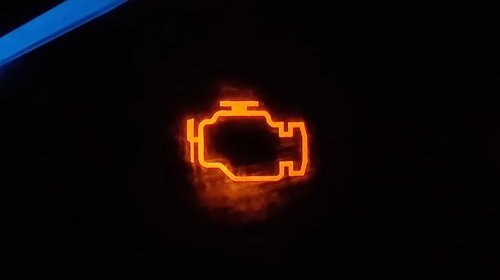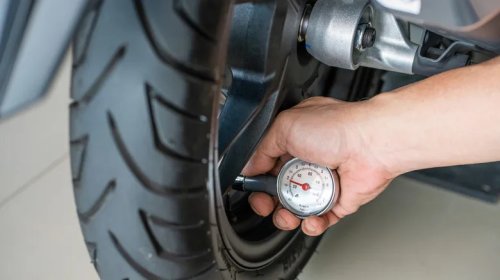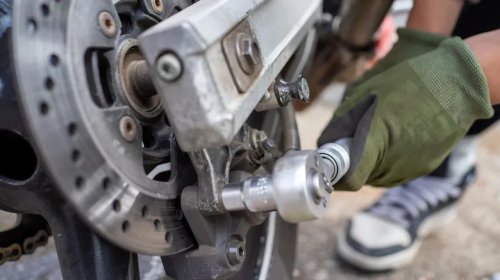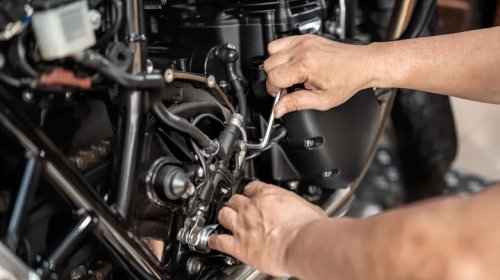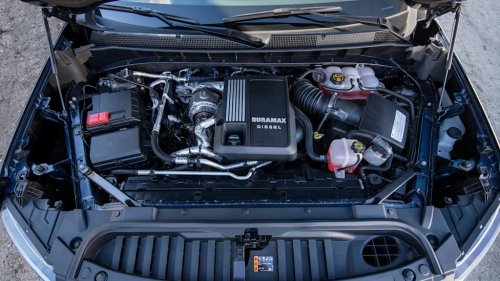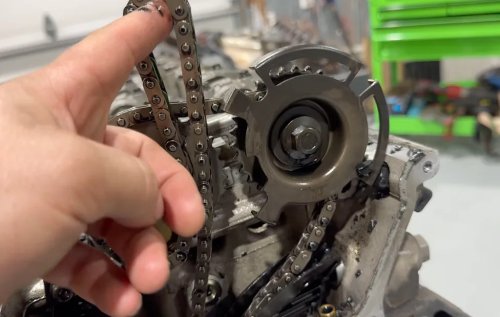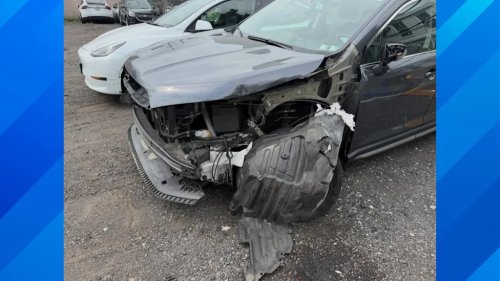





































Your Vehicle's Hidden SecretsYour dashboard might display basic information, but there's a wealth of automotive wisdom hiding beneath the hood and beyond. Every vehicle tells a story through subtle signs, sounds, and behaviors that most drivers completely overlook. These overlooked details can mean the difference between a minor maintenance task and a major repair bill. Let’s explore some essential automotive wisdom that will change how you interact with your vehicle forever.1. How To Check Your Car's Engine Oil ProperlyPark on level ground and let the engine cool completely. Pull the dipstick, wipe it clean, reinsert it fully, then check again. Amber-colored oil flows smoothly, while dark or gritty oil needs immediate replacement. Monthly checks prevent catastrophic engine damage that costs thousands to repair.2. What Your Car's Dashboard Warning Lights IndicateThose flashy dashboard lights aren’t just there for decoration—pay attention! The check engine light could mean a loose gas cap or a major issue. If the oil pressure light comes on, stop immediately to avoid severe engine damage.3. How To Change Your Car's Flat Tire SafelyFlat tires strike at the worst moments, but proper technique keeps you safe. Set the parking brake and place wheel wedges before lifting. Also, loosen lug nuts before jacking. Hand-tighten the spare first, then fully tighten using a star pattern for even pressure distribution.4. How To Check And Top Up Your Car's FluidsYour car relies on more than just gas to keep running smoothly. Regularly check coolant, brake fluid, washer fluid, and transmission fluid to avoid potential issues. Never open a hot radiator cap—unless you’re into the idea of a hospital visit!5. How To Jump Start Your Car's Dead BatteryDead batteries have impeccable timing, always striking during important appointments. To jump-start, first connect the red cables to the positive terminals on both batteries. Then, attach the black cable to a clean engine ground—never the negative terminal on the dead battery.6. What Your Car's Basic Maintenance Schedule IncludesRegular maintenance keeps your vehicle functional and prevents warranty voids. Oil changes, fluid checks, brake inspections, and tire rotations form the foundation. Additionally, timing belts need replacement between 96,000 and 160,000 kilometers.7. How To Read Your Car Tire's Age And Size CodesMarkings like "P215/60R16" reveal width, aspect ratio, and rim diameter. DOT (Department of Transportation) codes show manufacture dates—"2318" means the 23rd week of 2018. Change tires older than six years, regardless of tread depth, for safety.8. Where To Find Your Car's VIN And What It ShowsYour VIN serves as automotive DNA, uniquely identifying your vehicle. Look at the windshield base or driver's door jamb for this 17-character code. Insurance and parts suppliers need it constantly. Decode it online to check recalls and verify theft status easily.9. How To Check And Maintain Your Car's Tire PressureTo maintain optimal tire pressure, regularly check your tires with a gauge. Ideally, do this when they are cold. Inflate or deflate to the recommended PSI found on your vehicle's placard or in the owner's manual.10. How To Maintain Your Car's Brakes SafelyListen for squealing or grinding sounds—your brakes are crying for help. Also, spongy pedals suggest air in brake lines or contaminated fluid. You should also replace brake fluid every two years or as specified in the manuals.11. What Your Car's Air Filters Do And When To Replace ThemAir filters protect engines and passengers from airborne contaminants simultaneously. Engine filters maintain power while cabin filters block allergens and dust. Replacement often requires basic tools, making it perfect for DIY maintenance.12. Why Your Car's Wheel Alignment And Balancing MatterMisaligned wheels turn highway cruising into steering wheel wrestling matches. They cause uneven tire wear and compromised handling characteristics. Also, unbalanced wheels create vibrations that intensify dramatically at higher speeds.13. How To Replace Your Car's Wiper BladesStreaky windshields signal blade replacement time—typically every six to twelve months. Lift wiper arms carefully and slide out old assemblies. Verify correct lengths in owner's manuals or parts databases before purchasing.14. What To Do When Your Car's Engine OverheatsIn the event that the engine overheats, pull over safely, shut off immediately, and open the hood for heat dissipation. Never remove radiator caps while hot, as pressurized coolant causes severe burns. Check coolant levels once cooled and seek professional help for persistent issues.15. How To Keep Your Battery Terminals Clean And SecureCorroded terminals create starting headaches and electrical gremlins that baffle mechanics. To clean them, apply baking soda solutions using an old toothbrush. Always disconnect negative terminals first during maintenance to prevent short circuits.16. The Fuel Type Your Car RequiresYour car’s engine knows what fuel type it shouldn’t consume! Stick to the recommended octane rating. Diesel engines demand diesel, and using gasoline can wreck the system. Most cars work just well on regular unleaded, but premium only helps if your engine’s built for it.17. How To Diagnose When Your Car Won't StartSometimes you may get a sinking feeling that your car won’t start, and you could be right. Listen carefully—clicking sounds usually mean a dead battery, so try a jump. If it cranks fast and then stops, you might have a fuel or ignition issue.18. How To Keep Your Car's Headlights Clear And BrightNo one wants to drive with cloudy headlights that dim your view. Luckily, there’s a quick fix—use a commercial cleaning kit or toothpaste. If the bulbs are burned out, replace them immediately to avoid safety risks and fines.19. How To Store Your Car Properly For Long-Term ParkingIf you’re planning to park your car for an extended period, fill up the tank, add a fuel stabilizer, and disconnect the battery to prevent draining. Jack stands and breathable covers protect against long-term wear.20. What To Include In Your Car's Emergency KitYou never know when an emergency will strike, so always be prepared. Stock your emergency kit with jumper cables, a flashlight, first aid supplies, and basic tools. Also, keep tire sealant and a portable inflator for those long, unexpected delays.