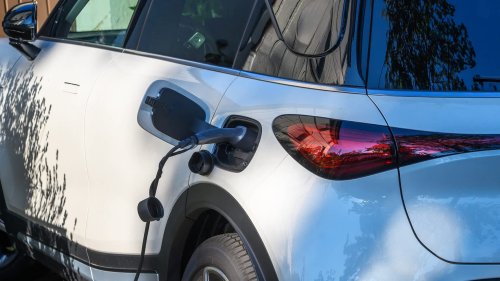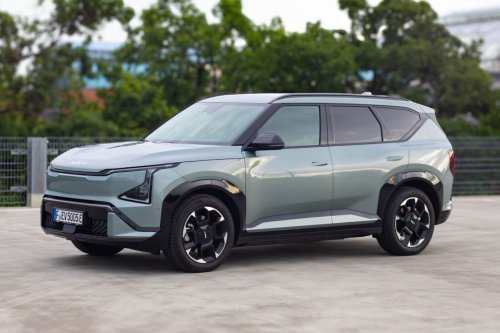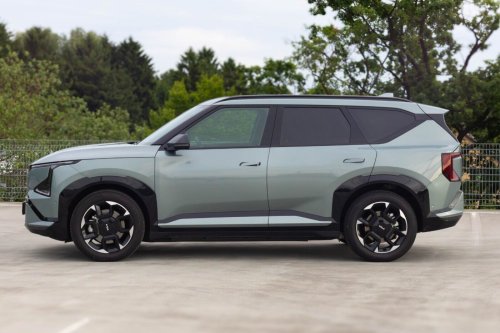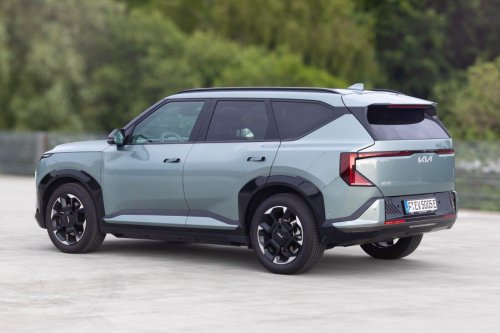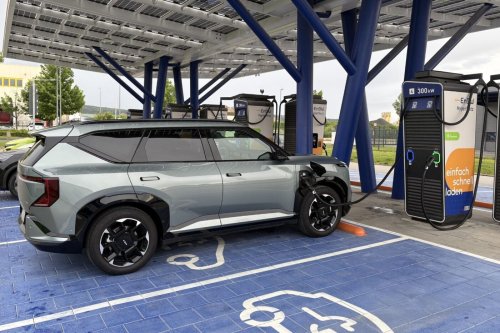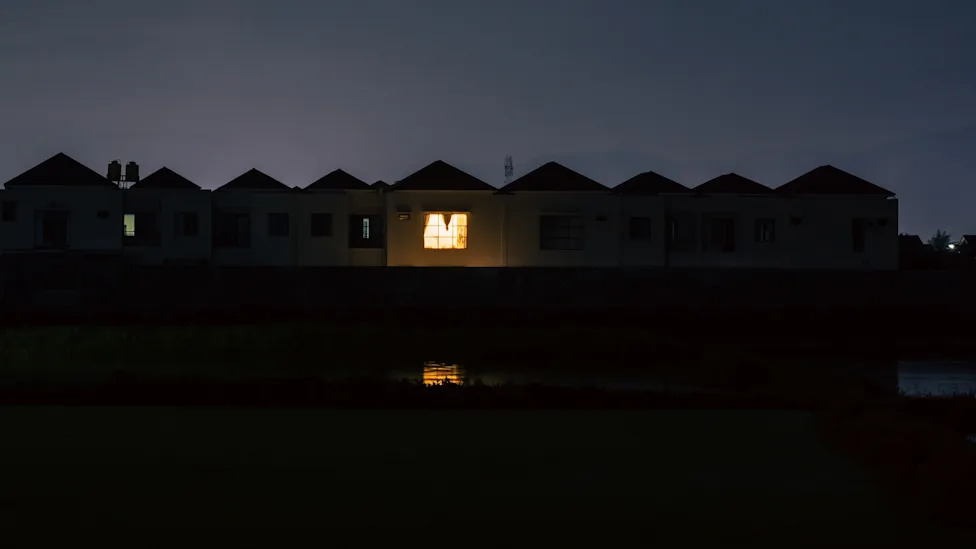



















Photo Credit: iStockWhen a storm knocked out power across one neighborhood, a homeowner said their house stayed functional thanks to an unexpected backup source: an electric car parked outside.In a Reddit post that picked up 400 upvotes and nearly 150 comments, the driver said their Hyundai Ioniq 6 kept the essentials running through the blackout using vehicle-to-load, or V2L, capability.Posting to r/electricvehicles, the owner described the situation.AdvertisementAdvertisement"Storms rolled in and took out my entire neighborhood's power. Everyone's houses are dark," they wrote. "Mine is running off my Ioniq 6's V2L, so we're good."The post sparked a wave of comments from other EV drivers who said they had used their vehicles as backup power during emergencies and recurring local outages. Several shared that they were able to keep refrigerators cold, phones charged, lights on, and the internet running.At the same time, commenters pointed out that this is not the same as powering every appliance in a home. One EV6 owner noted that loads such as HVAC systems, ovens, water heaters, and well pumps can quickly exceed what many V2L setups provide. Still, for short-term outages, many said covering the basics is enough.The post highlights a consumer benefit that often gets overlooked in EV conversations: some electric vehicles can double as battery backup systems. For households that already own a compatible EV, that can mean emergency power without buying a separate gas generator or scrambling for fuel during an outage.AdvertisementAdvertisementThere are practical savings here, too. Instead of purchasing a dedicated backup system, some drivers are using a feature already built into their vehicle to keep key devices running. Another commenter said a whole-home generator "didn't make sense for the cost," especially when a car battery could already handle smaller emergency loads.The thread also pushed back on disaster-related misinformation about EVs. As one commenter put it, having "a huge battery" available at home can be far more flexible than many people assume.If backup power is a priority, one takeaway is to look beyond driving range or sticker price when shopping for an EV. Features like bidirectional charging options can add real value, especially in areas prone to storms or grid disruptions.It also helps to set realistic expectations. Many current systems are best for essentials, not full-house operation. Think fridge, modem, lights, fans, TVs, and device charging — not necessarily central air, electric stoves, or water heaters all at once.AdvertisementAdvertisementSome commenters described lower-cost workarounds, including pairing an EV with portable battery stations, extension cords, or selective home rewiring for critical appliances such as a furnace. Others mentioned future-facing setups involving home energy systems designed for broader V2X use.The lesson from the thread was simple: A useful emergency backup energy source may already be sitting in the driveway.Although an EV can be a powerful energy source in case of emergencies, homeowners who upgrade their homes with solar panels and batteries will be even more secure, while also saving big on energy costs. EnergySage can help you go solar with its free tools and save you up to $10,000 in the process by helping you curate competitive bids from local installers. AdvertisementAdvertisementIf you're not ready to spend up front, Palmetto's $0-down LightReach solar leasing program can lower your utility rate by up to 20%.Get TCD's free newsletters for easy tips, smart advice, and a chance to earn $5,000 toward home upgrades. To see more stories like this one, change your Google preferences here.