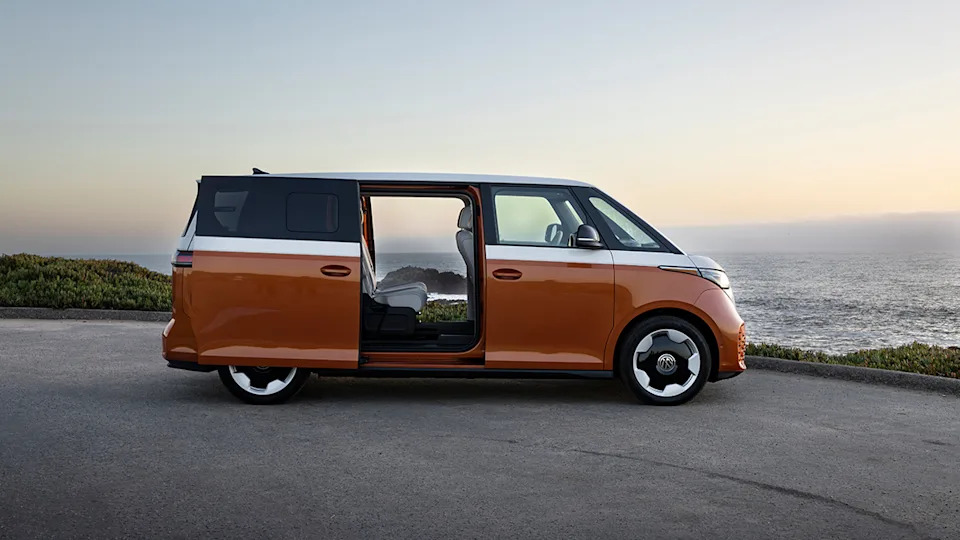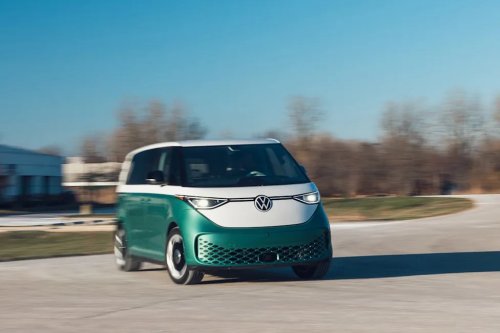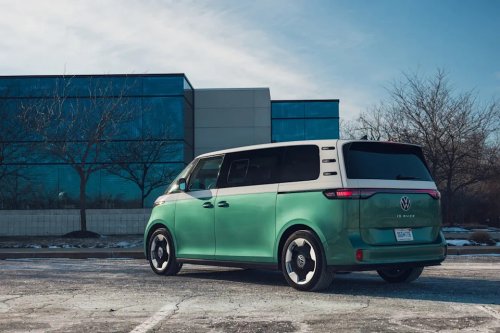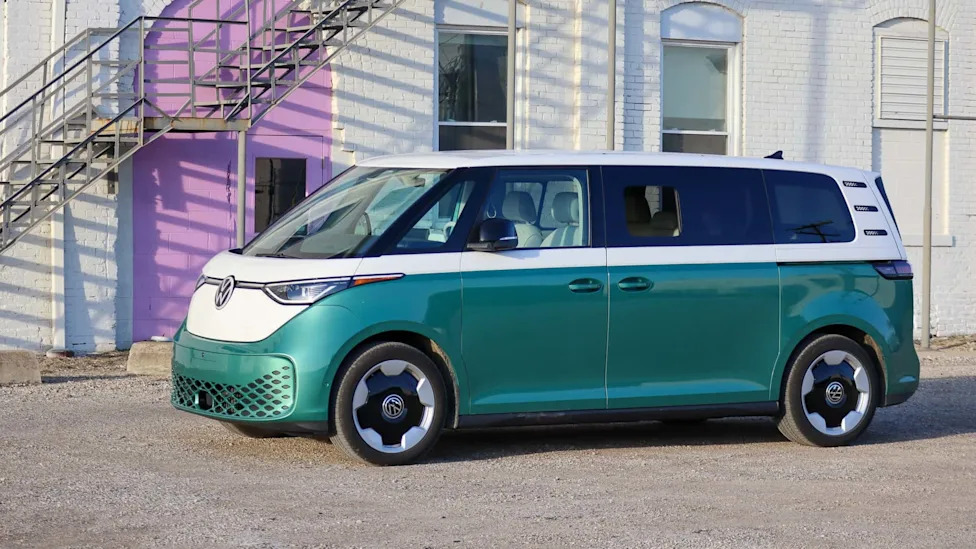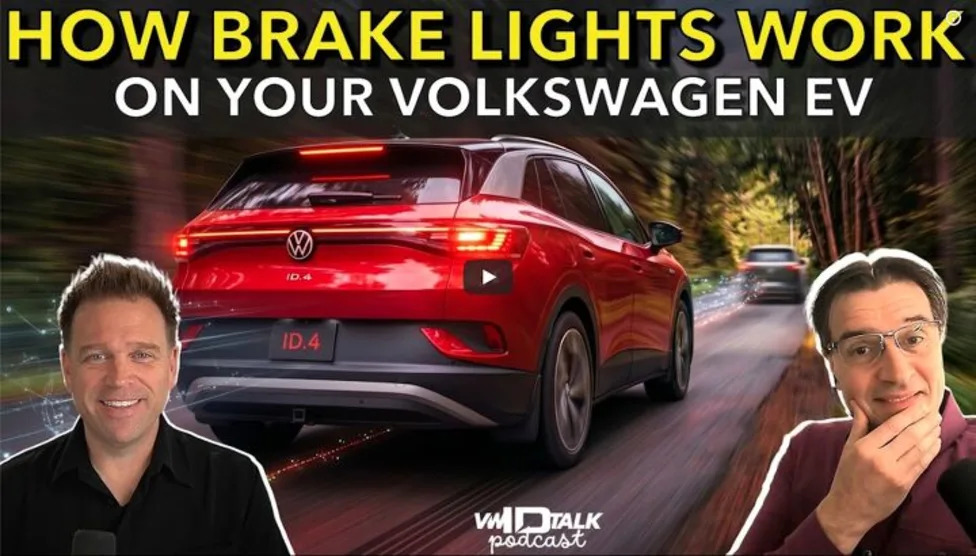



















how brake lights work on your volkswagen evHave you ever wondered exactly when your EV's brake lights illuminate during one-pedal driving? Unlike traditional gas cars with a simple mechanical pedal switch, modern EVs use software to calculate your rate of deceleration - making the brake lights a bit of a mystery from the driver's seat.In this episode of the VWIDTalk podcast, we're joined by Jeremy, the owner of a beautifully customized, lowered ID. Buzz. To find out exactly what's happening behind us on the road, we rigged up a custom dashboard light to clone the rear brake signals and hit the streets. We test the exact brake light logic across three different driving profiles to see how the car's computer handles coasting, rapid deceleration, and autonomous stops: D Mode (Drive) B Mode (Braking / Bremsen) Travel Assist Mode AdvertisementAdvertisementWatch to see the data in real-time and find out if you've been accidentally brake-checking people on the highway!Check out the VWIDTalk Podcast on YouTube and wherever you get your podcasts ( Apple Podcasts, Spotify, Overdrive and more).A transcript, summarized by AI and edited by a staffer, is below.The TTAC Creators Series tells stories and amplifies creators from all corners of the car world, including culture, dealerships, collections, modified builds and more.[Image: YouTube Screenshot]Become a TTAC insider. Get the latest news, features, TTAC takes, and everything else that gets to the truth about cars first by subscribing to our newsletter.AdvertisementAdvertisementThis podcast episode from the "VW ID Talk" channel focuses on a surprisingly complicated topic in electric vehicles: when the brake lights activate during regenerative braking and one-pedal driving in the Volkswagen ID series, especially the ID Buzz. The hosts are joined by Jeremy, an EV enthusiast known for his highly customized Volkswagen ID. Buzz. The discussion begins with Jeremy explaining how confusing brake light behavior can be for drivers coming from internal combustion engine (ICE) vehicles, where brake lights are mechanically linked to the brake pedal. In EVs, however, brake lights are controlled by the car's computer based on deceleration levels rather than simply pedal input.The conversation compares the ID vehicle's two main driving modes:D Mode (Drive): behaves similarly to a traditional gasoline car. Releasing the accelerator causes gentle coasting, and the brake lights do not illuminate unless the driver physically presses the brake pedal. B Mode ("Brake" or possibly the German "Bremsen"): increases regenerative braking. When the driver lifts off the accelerator, the car decelerates more aggressively and the brake lights automatically turn on if the deceleration exceeds a certain threshold. Once the car transitions into a gentle coast, the brake lights switch off again. AdvertisementAdvertisementJeremy demonstrates this behavior using a custom dashboard setup that visually mirrors when the rear brake lights activate. The hosts note that many EV drivers may unknowingly flash their brake lights repeatedly in traffic simply by modulating the accelerator pedal in B mode. The discussion then shifts to Travel Assist, Volkswagen's semi-autonomous adaptive cruise control system. In this mode, the car independently controls braking and acceleration during stop-and-go traffic. The brake lights automatically activate whenever the system slows or stops the vehicle, even though the driver never touches the brake pedal. The hosts emphasize that pressing the brake pedal manually immediately disables the assistance system. Throughout the episode, the hosts frame the discussion as both educational and entertaining for new EV owners who may not understand how regenerative braking changes driving behavior and vehicle signaling. The episode ends by teasing a future segment about Jeremy's uniquely modified ID Buzz featuring a custom front trunk ("frunk").