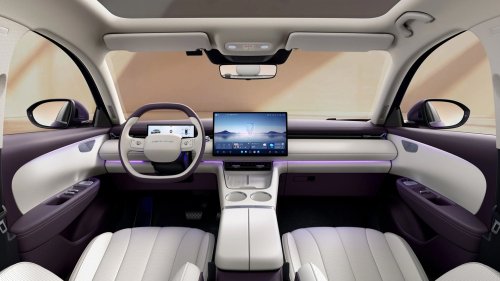
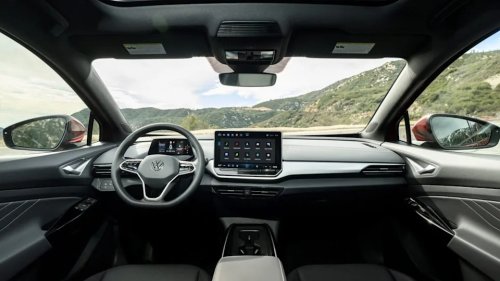
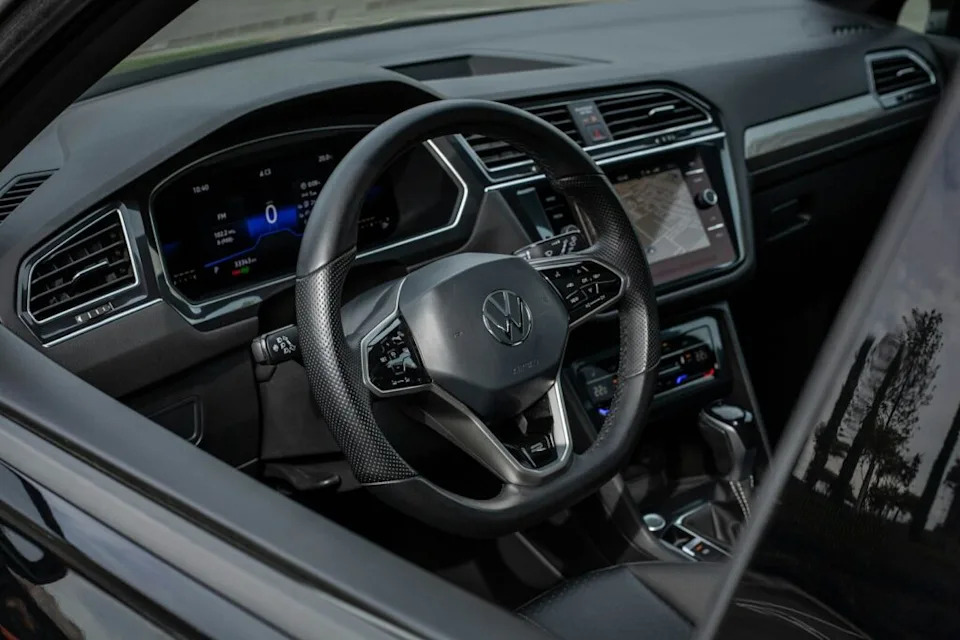
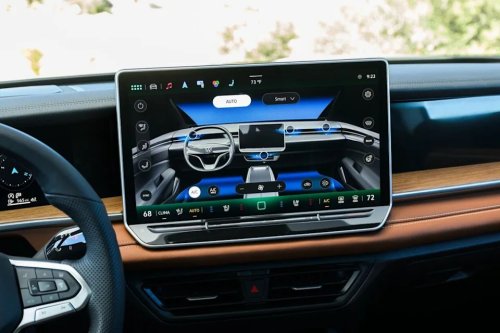
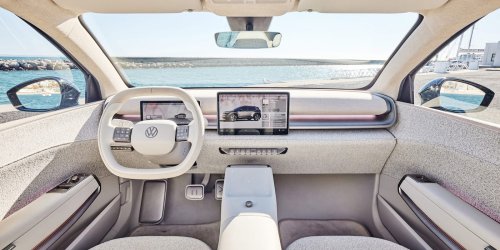
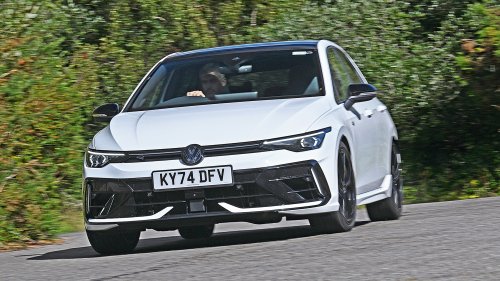
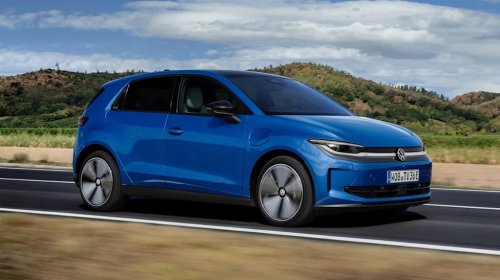
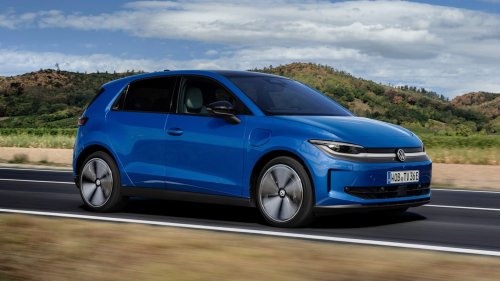
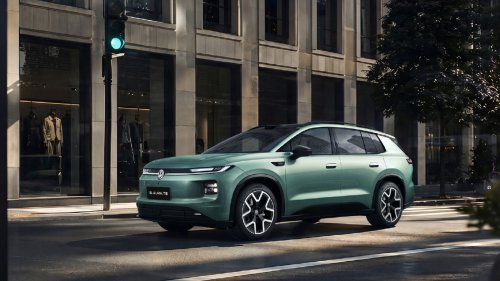
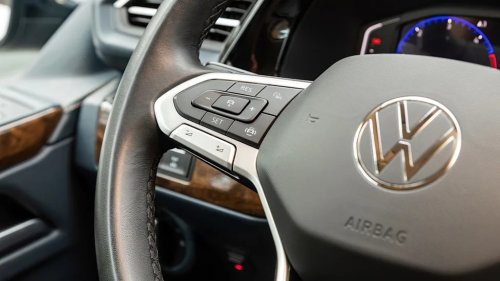
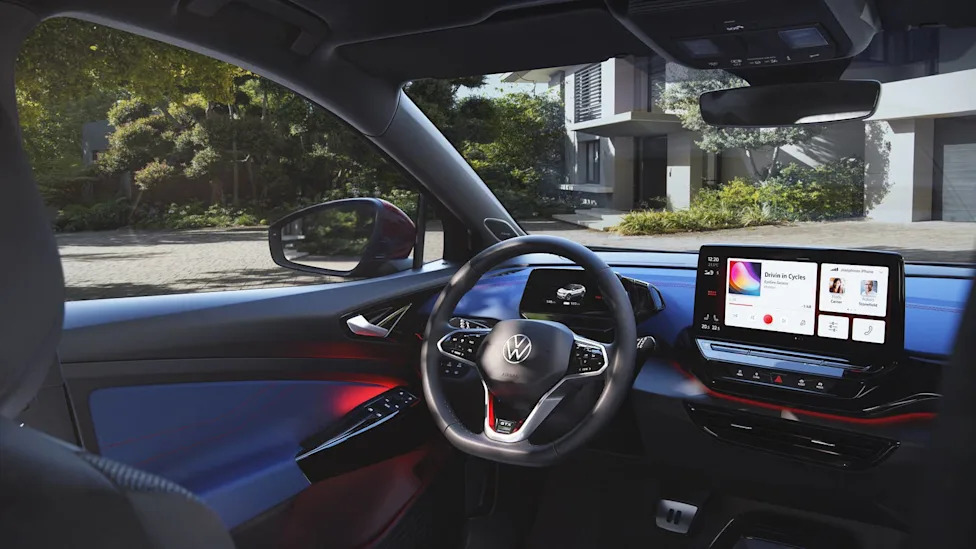
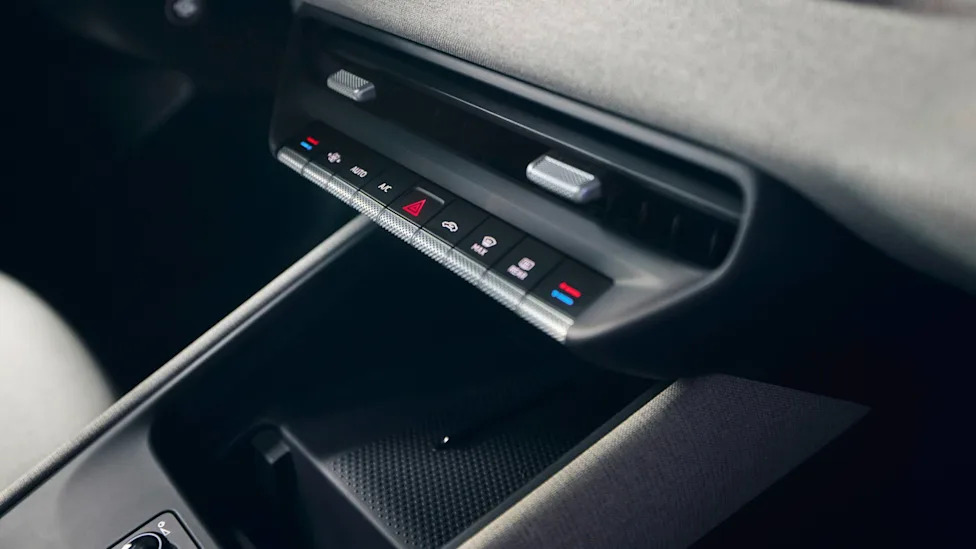
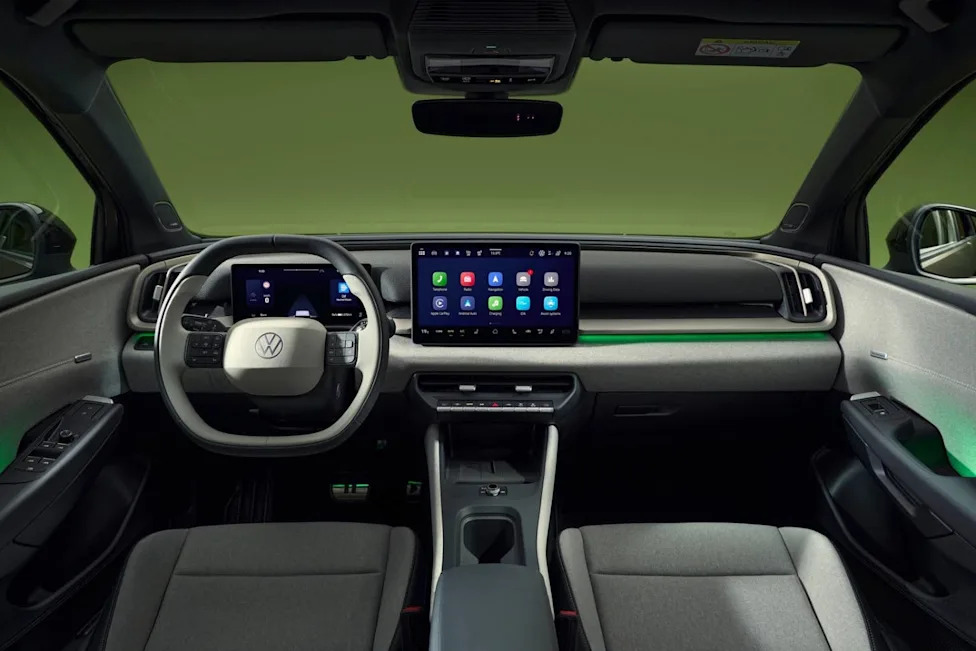
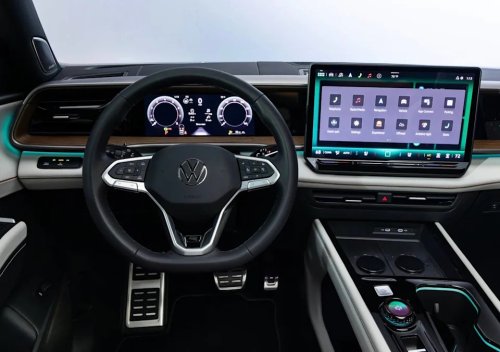
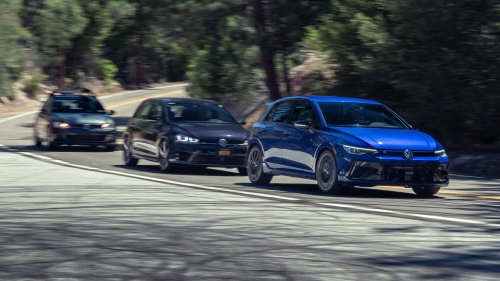
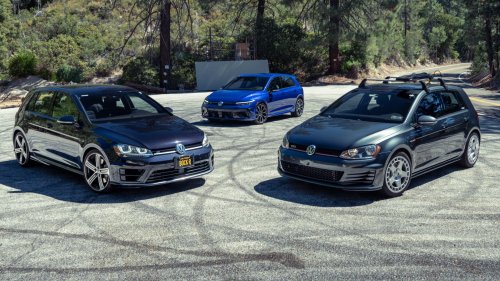
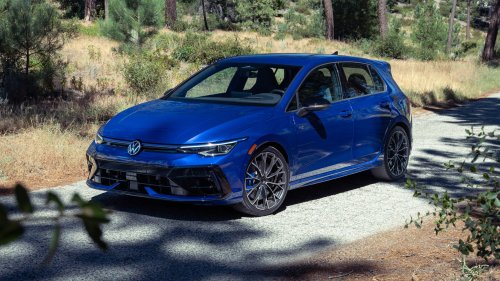
Autoblog and Yahoo may earn commission from links in this article.The Message is ClearTouchscreens and panels are good for a lot of things, but digging through menus and submenus while operating a vehicle at speed isn't ideal. At the same time, capacitive touchpads have also caused the occasional accidental engagement, which has caused some issues.Now, it isn't just motoring journalists complaining about the screens and capacitive touch panels in cars these days. Customers have already voiced their opinion on it, and the message is clear: Bring back physical controls.A Hard Lesson for VWUnfortunately for Volkswagen at the time, it had gone all in with touchscreens, pads, and sliders. It was applied to the first wave of ID electric vehicles, and the reception towards it was far from positive. A common question at the time was "why would anyone do this?" Speaking to Automobilewoche, VW's head of quality, Andreas Krepp, witnessed the thought process behind the move.AdvertisementAdvertisementTranslated from German, he said, "With electric vehicles – including here at our company – there was this idea: Something new is beginning [electric vehicles], so the controls must also change significantly and be particularly modern. For example, we said, 'Let's install sliders instead of traditional rotary knobs. That's the future.' Then we learned that customers who buy an electric vehicle are primarily looking for a different type of powertrain. They don't automatically want to buy a spaceship."It was a harsh, expensive, and painful way to learn from that mistake. If anything, it might have turned potential buyers away from VW's products, among other things. Krepp also mentioned that many decisions regarding the user interface were 'tried out,' and the lack of reliable data meant said decisions were practically made in the dark.From Mistakes Come SolutionsRather than justifying and defending the 'touchscreens and pads for everything' approach, Volkswagen did the rare thing that companies do and admitted it was a mistake. VW Passenger Cars CEO Thomas Schäfer called the move 'damaging,' with the company doing its best to reintroduce more tactile controls.Slowly but surely, VW began the course correction, with some facelifts adding more buttons and dials inside. But the fix culminated with the reintroduction of the ID.3 as the ID.3 Neo, bringing back commonly used and adjusted functions in physical form. It was further honed in VW's latest EVs, the affordable and increasingly popular ID. Polo and the more recently launched ID. Cross.AdvertisementAdvertisementExpect VW to continue its path in rectifying its costly mistake, and one can hope that other brands within the VW Group will follow suit. We're keeping our fingers crossed for the MK.9 Golf having an intuitive interior layout similar to the MK.7 and older models. By the looks of things, it might just be the case.VolkswagenThis story was originally published by Autoblog on Aug 20, 2026, where it first appeared in the News section. Add Autoblog as a Preferred Source by clicking here.

















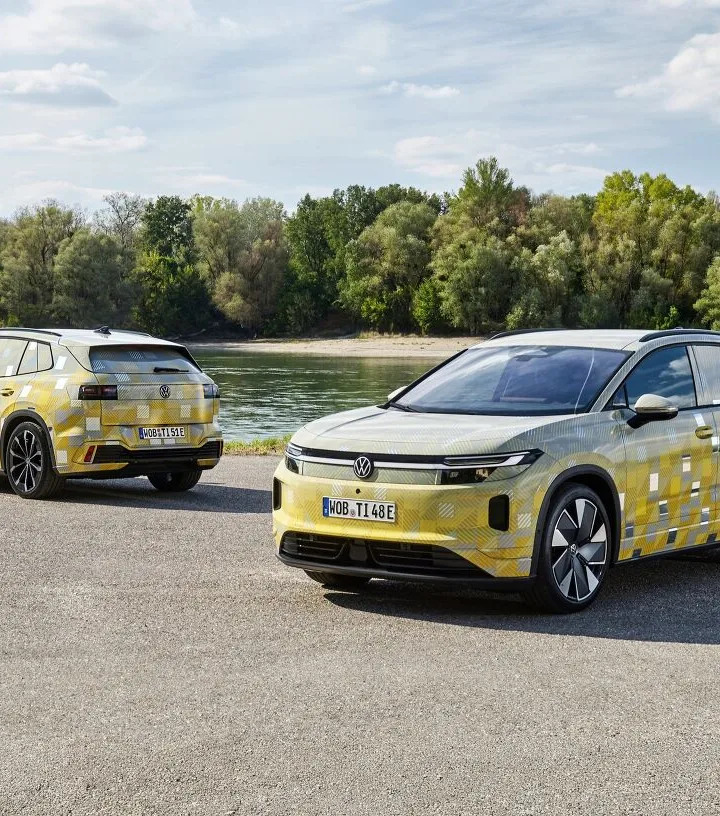
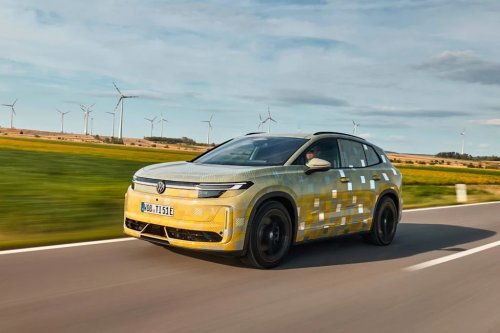
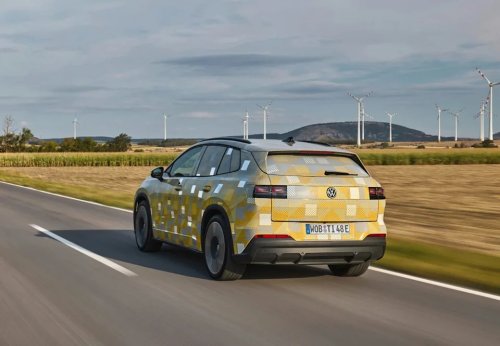
![Volkswagen, Volkswagen ID.4, Volkswagen ID.5, Volkswagen's best-seller is going electric in 2027 to replace the ID.4 and ID.5 [Images]](https://cdn.topcarnews.net/thumb/id/aHR0cHM6Ly9pMC53cC5jb20vZWxlY3Ry-ZWsuY28vd3AtY29udGVudC91cGxvYWRz-L3NpdGVzLzMvMjAyNi8wOS9Wb2xrc3dh-Z2VuLUlELVRpZ3Vhbi1JRC00LmpwZWc_-dz0xNTAwJmFtcDtxdWFsaXR5PTgyJmFt-cDtzdHJpcD1hbGwmYW1wO3NzbD0x/aed2aa2870791850c8e69c5fc3a0ed85.jpeg?t=20261005&post_id=66267)
![Volkswagen, Volkswagen ID.4, Volkswagen ID.5, Volkswagen's best-seller is going electric in 2027 to replace the ID.4 and ID.5 [Images]](https://cdn.topcarnews.net/thumb/id/aHR0cHM6Ly9lbGVjdHJlay5jby93cC1j-b250ZW50L3VwbG9hZHMvc2l0ZXMvMy8y-MDI2LzA5L1ZvbGtzd2FnZW4tSUQtVGln-dWFuLUlELTQtZnJvbnQtcXVhcnRlci5q-cGc_c3RyaXA9aW5mbyZhbXA7dz0xMDI0/97fb00cd3919b8d0dc36440715039e6e.jpg?t=20261005&post_id=66267)
![Volkswagen, Volkswagen ID.4, Volkswagen ID.5, Volkswagen's best-seller is going electric in 2027 to replace the ID.4 and ID.5 [Images]](https://cdn.topcarnews.net/thumb/id/aHR0cHM6Ly9lbGVjdHJlay5jby93cC1j-b250ZW50L3VwbG9hZHMvc2l0ZXMvMy8y-MDI2LzA5L1ZvbGtzd2FnZW4tSUQtVGln-dWFuLUlELTQtc2lkZS5qcGc_c3RyaXA9-aW5mbyZhbXA7dz0xMDI0/ed240b20e8275f3af4b904f46ebb5fb3.jpg?t=20261005&post_id=66267)
![Volkswagen, Volkswagen ID.4, Volkswagen ID.5, Volkswagen's best-seller is going electric in 2027 to replace the ID.4 and ID.5 [Images]](https://cdn.topcarnews.net/thumb/id/aHR0cHM6Ly9lbGVjdHJlay5jby93cC1j-b250ZW50L3VwbG9hZHMvc2l0ZXMvMy8y-MDI2LzA5L1ZvbGtzd2FnZW4tSUQtVGln-dWFuLUlELTQtcmVhci1xdWFydGVyLmpw-Zz9zdHJpcD1pbmZvJmFtcDt3PTEwMjQ/436c7979cf5b947053f7f0bf39ff94bc.jpg?t=20261005&post_id=66267)
![Volkswagen, Volkswagen ID.4, Volkswagen ID.5, Volkswagen's best-seller is going electric in 2027 to replace the ID.4 and ID.5 [Images]](https://cdn.topcarnews.net/thumb/id/aHR0cHM6Ly9lbGVjdHJlay5jby93cC1j-b250ZW50L3VwbG9hZHMvc2l0ZXMvMy8y-MDI2LzA5L1ZvbGtzd2FnZW4tSUQtVGln-dWFuLUlELTQtZnJvbnQuanBnP3N0cmlw-PWluZm8mYW1wO3c9MTAyNA/ec2e4ca027ccbfb42942abe523f3acf7.jpg?t=20261005&post_id=66267)
![Volkswagen, Volkswagen ID.4, Volkswagen ID.5, Volkswagen's best-seller is going electric in 2027 to replace the ID.4 and ID.5 [Images]](https://cdn.topcarnews.net/thumb/id/aHR0cHM6Ly9lbGVjdHJlay5jby93cC1j-b250ZW50L3VwbG9hZHMvc2l0ZXMvMy8y-MDI2LzA5L1ZvbGtzd2FnZW4tSUQtVGln-dWFuLUlELTQtcmVhci5qcGc_c3RyaXA9-aW5mbyZhbXA7dz0xMDI0/668525889dc433b0fd0e166fd5bd8366.jpg?t=20261005&post_id=66267)