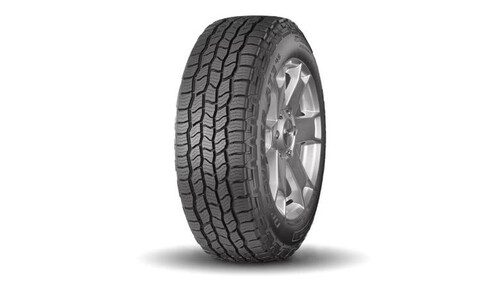
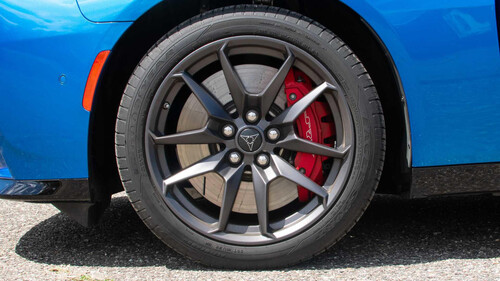
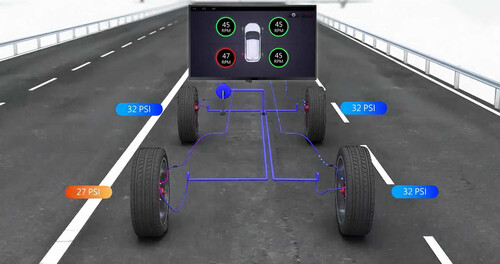
Owner says his tire pressure warning keeps appearing even when the tires are fullIt’s one of those modern-car annoyances that feels personal: a tire pressure warning that pops on even when you’ve already checked every tire and they’re all “fine.” That’s exactly what one owner says has been happening to him, and if you’ve ever stared at that little horseshoe-and-exclamation icon like it’s gaslighting you, you’re not alone. He told friends he’d topped up all four tires to the recommended pressure, double-checked with a gauge, and still the dashboard warning kept coming back. “It’s like the car doesn’t believe me,” he joked. Funny, sure, but also stressful—because tire warnings are the kind you don’t want to ignore. A Warning Light That Won’t Take “They’re Full” for an Answer Tire Pressure Monitoring Systems (TPMS) are meant to be simple: if a tire drops below a threshold, the car tells you. In real life, though, the system is juggling temperature swings, sensor batteries, and sometimes a spare tire you forgot even exists. The owner’s complaint is a classic scenario: tires read properly when he checks them, yet the light returns after a drive or overnight. That pattern often points to something that’s not obvious during a quick driveway check—like a slow leak, a finicky sensor, or pressure changing with the weather. Temperature: The Sneaky Culprit Nobody Sees Coming If the warning seems to show up more on cold mornings, temperature is a top suspect. Tire pressure naturally drops as the air gets colder—often around 1 PSI for every 10°F change—so a tire that was “perfect” yesterday afternoon can look borderline by sunrise. This is where people get tripped up: you can fill tires to spec when they’re warm, then wake up to a warning because the car reads them cold. The fix might be as simple as inflating to the door-jamb recommendation when the tires are cold, not right after a drive. Yes, your car has opinions about timing. “Full” Doesn’t Always Mean “Correct” Another common twist is that the tires are inflated, but not to the right number for that vehicle. Some owners fill to the PSI printed on the tire sidewall, which is the tire’s maximum rating, not the carmaker’s recommended pressure. The owner said he used a gauge and “filled them up,” but it’s worth clarifying: did he match the sticker on the driver’s door jamb? Many vehicles want something like 32–36 PSI, and the TPMS warning threshold can be sensitive if you’re hovering near the low end. Being a couple PSI under spec can be enough to trigger the light even though the tires don’t look low. The Slow Leak That Only Shows Up Over Time Sometimes the tires truly are full—right now. But if one tire is losing air slowly, you’ll keep getting the same warning on repeat, especially after a few days of commuting or a big temperature change. Slow leaks can come from a tiny nail, a leaky valve stem, corrosion around the bead where the tire meets the rim, or even a hairline crack in an older wheel. A quick way to spot it is to record pressures for all four tires (and the spare, if your vehicle monitors it) for a few mornings in a row before driving. If one consistently drops faster than the others, you’ve found your troublemaker. TPMS Sensors: Small Batteries, Big Attitudes TPMS sensors usually live inside the wheel and run on little batteries that aren’t meant to be replaced individually. When the battery gets weak—often after 5–10 years—the sensor may send intermittent readings or drop out entirely, which can look like a pressure problem even when inflation is fine. Drivers often describe it as “random”: the warning comes and goes, maybe triggered by speed, bumps, or longer drives. A tire shop or mechanic can scan the sensors and see if one isn’t reporting consistently. If a sensor is failing, replacing it is typically straightforward during a tire service, but it’s still an annoying surprise expense for something you can’t even see. Reset Procedures and Relearn Cycles Can Matter More Than You’d Think Some vehicles require a TPMS reset or a “relearn” process after you adjust pressures, rotate tires, or replace a sensor. Others do it automatically after a certain amount of driving, and a few do it only if you follow a specific sequence in the infotainment menu. If the owner inflated the tires and expected the light to vanish instantly, the car might simply be waiting to confirm the new readings. A reset doesn’t fix a real issue, but it can clear a stubborn warning that’s hanging around after everything is corrected. The catch is that the steps vary a lot by make and model, so a quick look in the owner’s manual can save a lot of second-guessing. Don’t Forget the Spare (Yes, Really) Here’s a weird one that catches people off guard: some vehicles monitor the spare tire too. If the spare is low—and many are, because nobody checks them until it’s too late—the TPMS light can come on even if the four road tires are perfect. It’s the automotive equivalent of cleaning the kitchen and then realizing the trash can is what smells. Not every car does this, but if your vehicle has a full-size spare with a sensor, it’s worth checking. Even some compact spares have recommended pressures that are much higher than normal tires. Aftermarket Wheels, Tire Sealants, and Other Curveballs If the owner recently changed wheels, installed different tire sizes, or used a tire sealant, that can complicate things. Aftermarket wheels may need compatible sensors, and some sealants can clog or damage a sensor, leading to flaky readings. Even something as simple as a different tire profile can influence how quickly pressure changes with temperature and load. None of this guarantees a warning light, but it can make a system that was already fussy become downright dramatic. What Mechanics Usually Check First When a car comes in with a TPMS warning that “shouldn’t” be there, most shops start with the basics: verifying cold tire pressures with a known-good gauge and comparing them to the door-jamb sticker. Then they scan the TPMS system to see if a sensor isn’t reporting, is reporting an odd pressure, or is showing a weak battery. From there, they’ll look for leaks—often using soapy water around the valve stem and bead, or dunk-testing the tire if it’s off the car. If the problem is intermittent, they may also check for sensor IDs that don’t match the car’s stored positions, especially after rotations or recent tire work. When It’s Safe to Drive, and When It’s Not A TPMS light doesn’t always mean an emergency, but it’s not something to shrug off for weeks. If the tires look visibly low, the steering feels strange, or you see the warning flashing (on many cars that suggests a sensor/system fault), it’s worth pulling over and checking immediately. If everything feels normal and pressures check out cold, you can usually drive to a shop without panic. Still, the whole point of TPMS is to catch problems before they become obvious, so treating it like background noise is how small leaks turn into roadside headaches. For the owner dealing with the persistent warning, the most likely explanations aren’t mysterious software gremlins—they’re everyday stuff: temperature swings, a slow leak, or a sensor that’s nearing retirement. The good news is that once you narrow down which tire (or sensor) is misbehaving, the fix is typically quick. The bad news is your dashboard might still smugly light up until you prove it wrong in exactly the way it wants. More from Fast Lane Only Unboxing the WWII Jeep in a Crate 15 rare Chevys collectors are quietly buying 10 underrated V8s still worth hunting down Police notice this before you even roll window down The post Owner says his tire pressure warning keeps appearing even when the tires are full appeared first on FAST LANE ONLY.