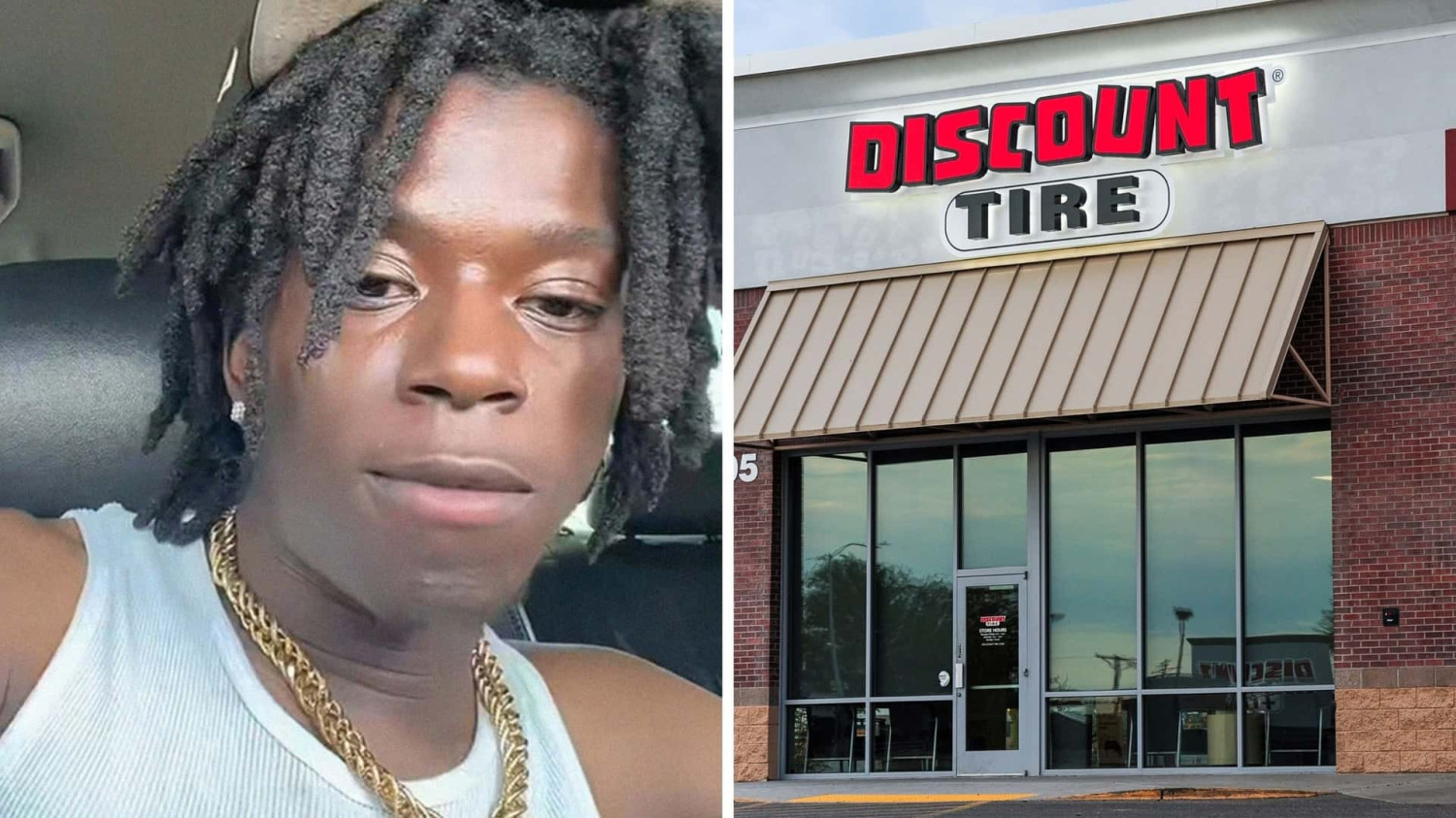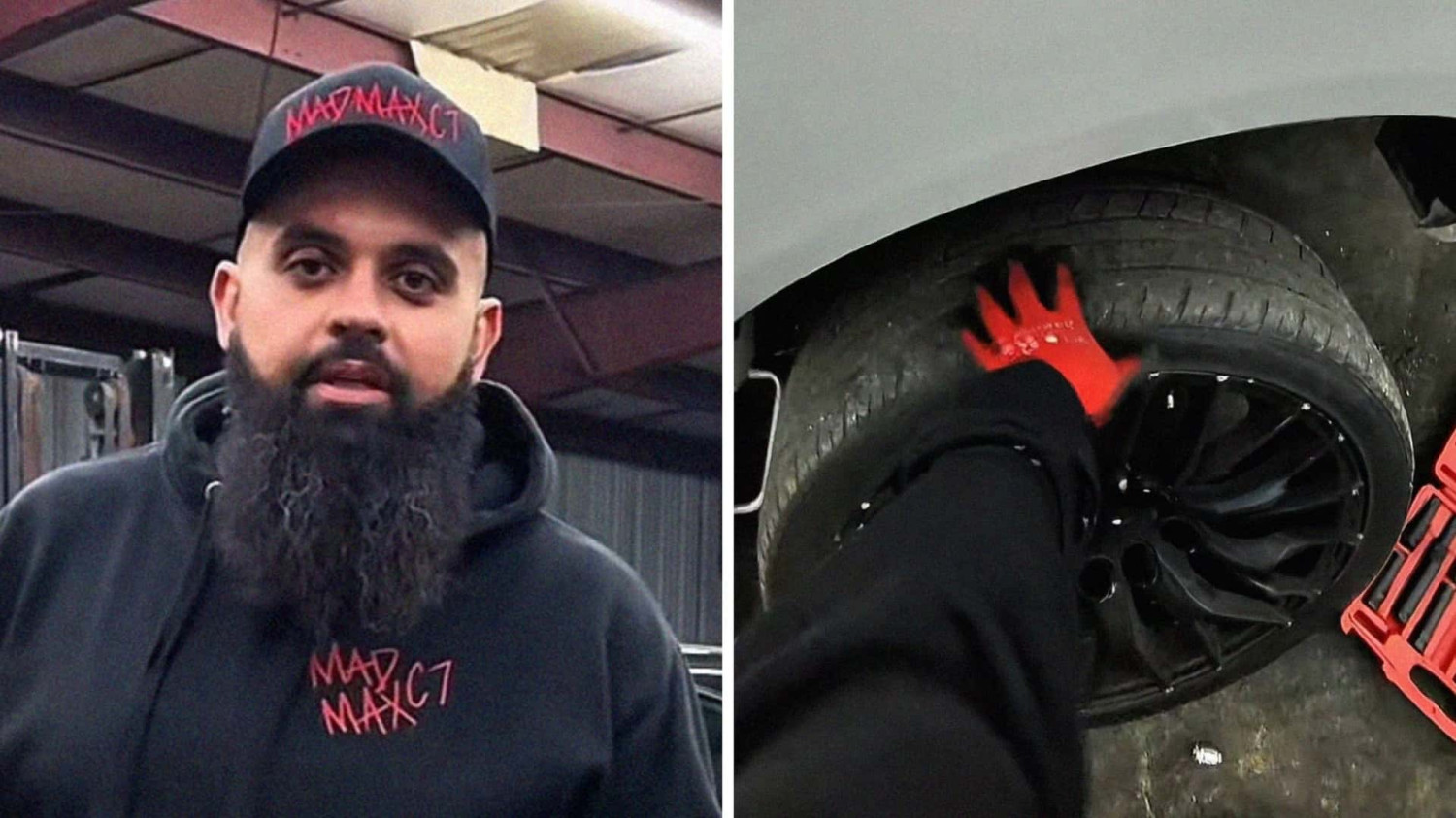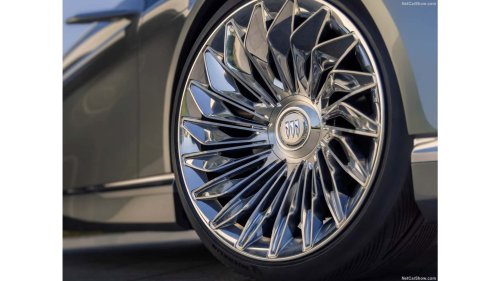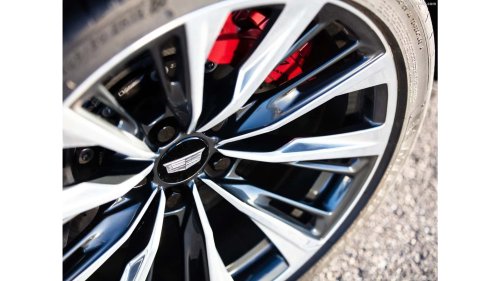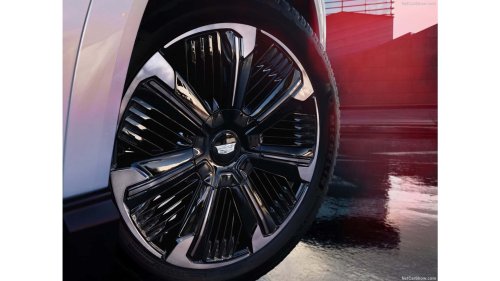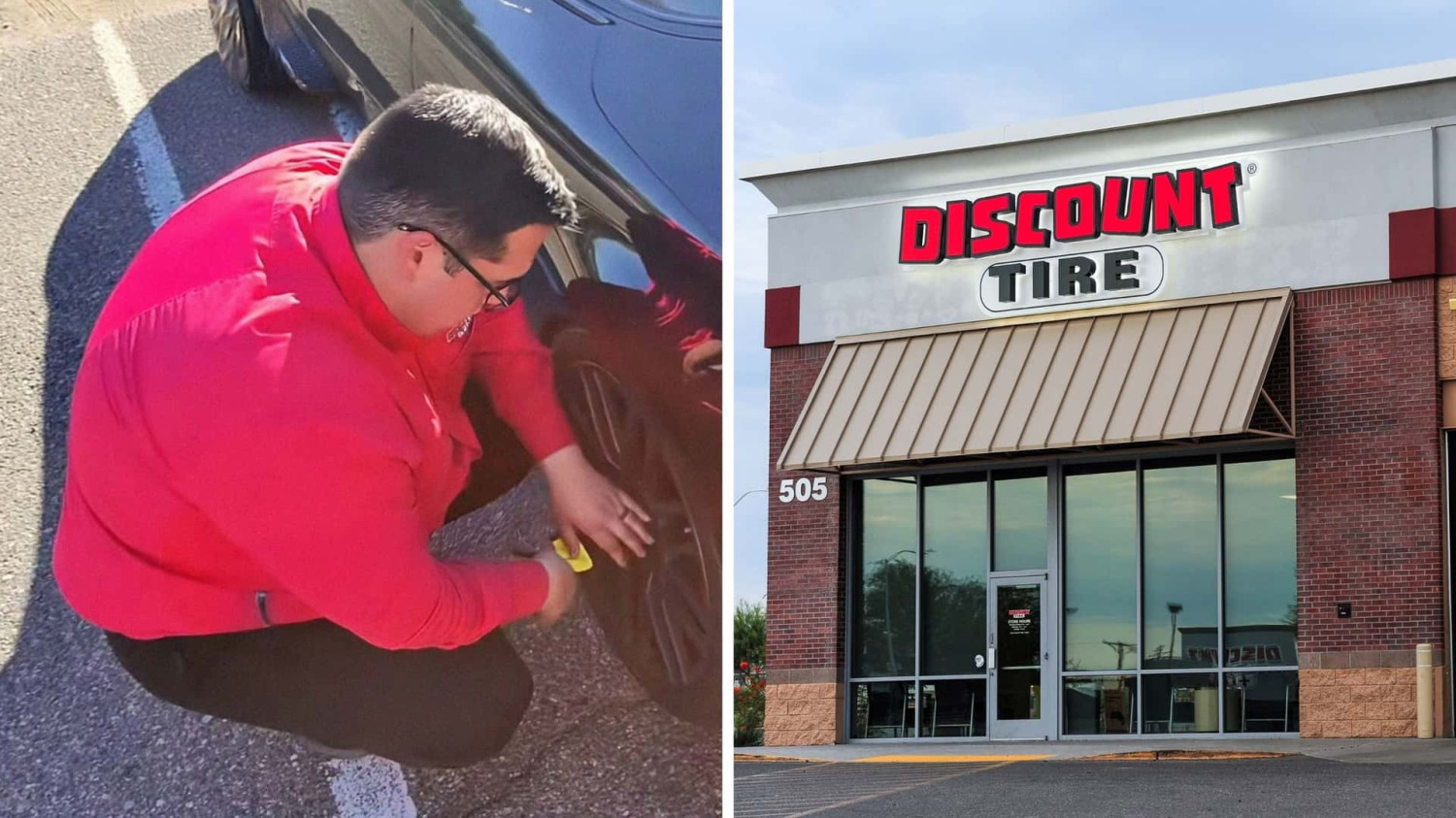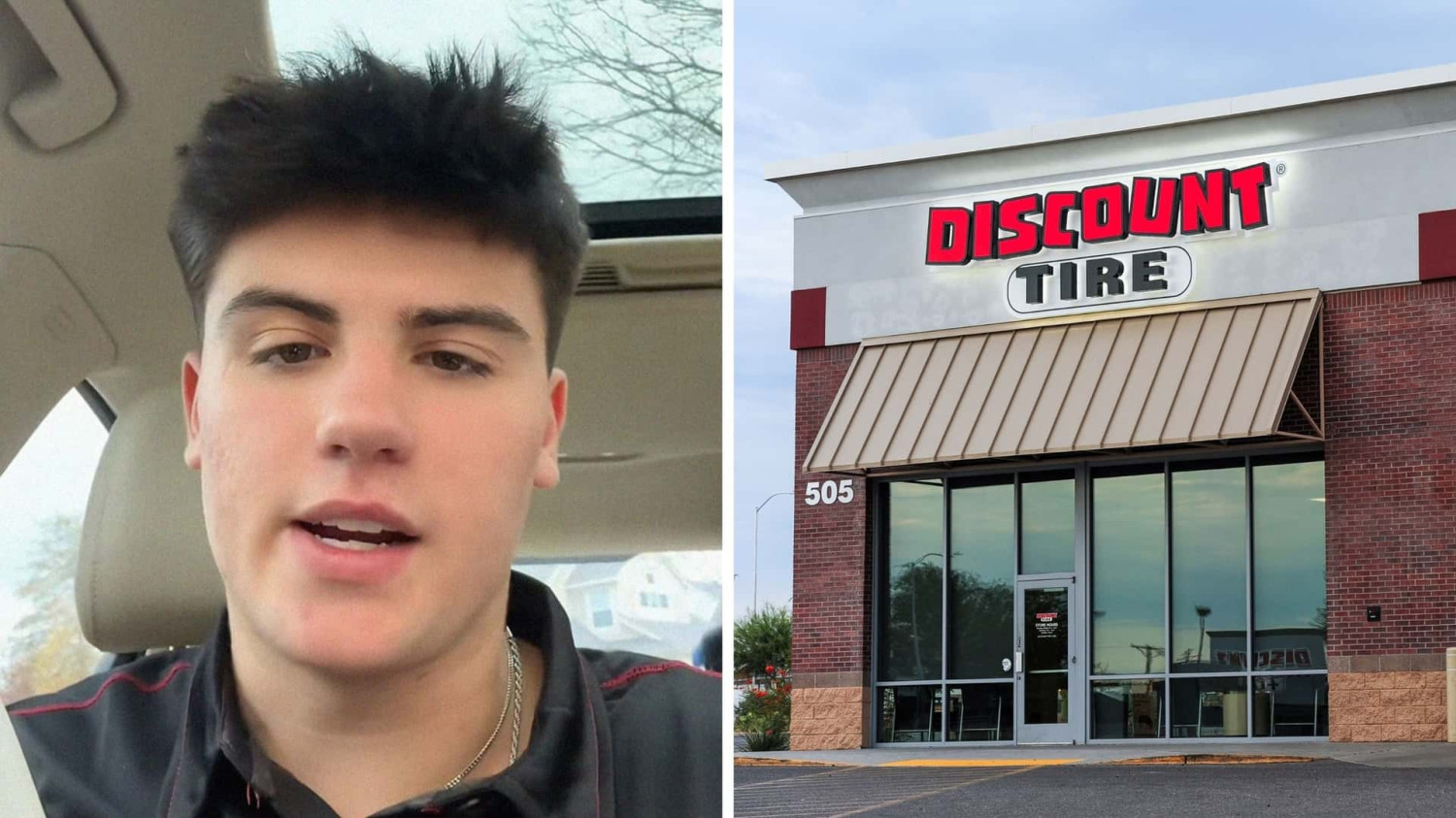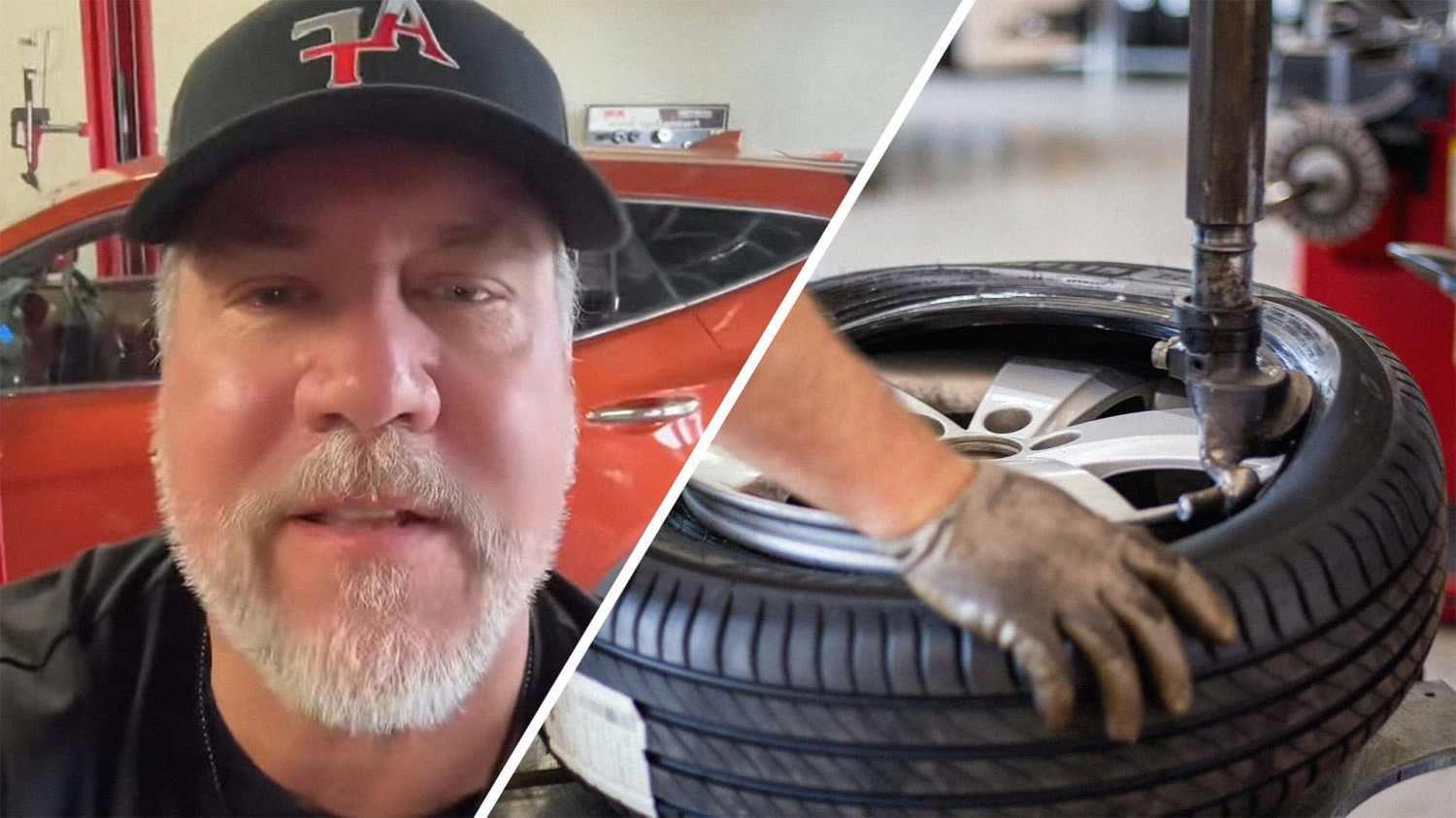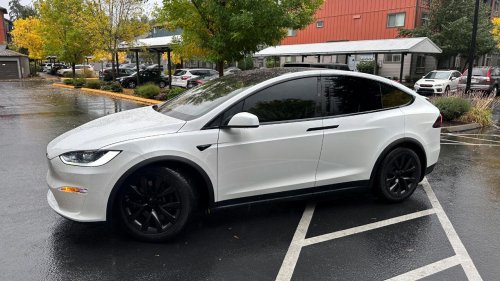



















Driver says his tire shop insisted the wheels were bent until another mechanic checked themA driver’s routine tire visit turned into a small but surprisingly common automotive mystery: are the wheels actually bent, or is something else going on? According to the driver, the tire shop he visited was adamant that multiple wheels were bent and needed attention. The only problem was what happened next—another mechanic took a look and didn’t see the same issue. The story has been circulating in the kind of way these things usually do: a frustrated customer, a confident shop, and a second opinion that throws everything into question. It’s relatable because most people have been there in some form, whether it’s a car repair, a dentist visit, or the classic “your laptop is toast” diagnosis that mysteriously disappears at the next shop. A quick stop that turned into a big claim The driver says he brought his vehicle in for what he expected would be a straightforward tire-related appointment—think balancing, rotation, or checking a vibration. Instead, he was told that the wheels were bent. Not “maybe slightly off,” but bent enough that it was presented as the likely cause of the problem and something that would need to be addressed. Wheel-bend claims can land with a thud because they sound expensive and a little scary. If you’re hearing it for the first time, it can feel like your car just went from “annoying shake at 65 mph” to “potentially unsafe” in one sentence. The driver says the shop’s insistence didn’t match his experience with the car, which is what pushed him toward a second opinion. Then came the second opinion According to the driver, another mechanic checked the wheels and didn’t find the same bending the tire shop described. That doesn’t automatically mean the first shop was lying, but it does raise an obvious question: how can two professionals look at the same wheels and come to different conclusions? This is where car diagnostics can get weirdly subjective. Some issues are clear as day—like a nail in a tire—while others depend on equipment, measurement methods, and even how the vehicle is mounted on a machine. The driver’s experience highlights why “I’d like someone else to take a look” is often a smart move, not a rude one. What “bent wheels” actually means in the real world A bent wheel (rim) can happen from potholes, curbs, rough roads, or even a hard impact you barely remember. Sometimes it’s visibly damaged, and sometimes the bend is subtle enough that you wouldn’t notice until you feel a vibration. In many cases, the car drives fine around town and only shows symptoms at highway speeds. But “bent” can also become shorthand for “something is not spinning perfectly true,” which could include other factors. Tire balance, tire defects, mounting issues, or corrosion where the wheel meets the hub can all mimic the feeling of a bent wheel. It’s not exactly comforting, but it’s common. Why two shops might disagree One reason comes down to how the wheel was evaluated. A shop might use a wheel balancer and watch for side-to-side wobble, while another mechanic might measure runout with a dial indicator for a more precise read. Both are valid approaches, but they can lead to different interpretations—especially when the “bend” is small. Another factor is whether the tire is on the wheel when it’s checked. A tire can have its own issues—like a shifted belt or out-of-round shape—that look like wheel wobble when spinning on a machine. If one shop calls it a bent wheel and another identifies a tire problem, they might both be reacting to the same vibration, just labeling it differently. There’s also the human element. Some shops are cautious and call anything outside perfect specs “bent,” especially if they’ve had customers complain about vibrations after a balance. Other shops might treat minor runout as normal wear and focus on whether it’s actually causing symptoms you can feel. Neither approach is automatically right, but the difference matters to your wallet. Equipment and setup can quietly change the results Wheel balancing machines aren’t magic; they need calibration and correct mounting. If the wheel isn’t centered properly on the balancer—using the right cone, flange plate, or adapter—you can get readings that make a perfectly fine wheel look suspicious. It’s the automotive version of stepping on a bathroom scale that’s sitting half on a bathmat. Even on the car, things like rust or debris on the hub face can keep a wheel from sitting perfectly flush. That can create a wobble that looks like a bent wheel, but disappears after the hub is cleaned and the wheel is reinstalled properly. When someone says “another mechanic checked and it was fine,” this sort of setup issue is one possible explanation. What drivers can do when they hear “your wheels are bent” If a shop tells you your wheels are bent, it’s reasonable to ask how they confirmed it and what the measurement was. You don’t have to interrogate anyone—just a simple, “Can you show me the runout?” or “Can I see it on the machine?” can clarify a lot. Most reputable shops won’t mind walking you through what they’re seeing. You can also ask whether they ruled out tire-related causes first. A balance issue, a defective tire, or even uneven tire wear can create the same symptoms. If they jump straight to “bent wheels” without discussing tires, balancing, or rotation results, that’s a good moment to slow the conversation down. And yes, getting a second opinion is fair game, especially when the fix is expensive. Ideally, the second shop should check wheel runout with a dial indicator or a known-good method and tell you whether it’s within spec. If the numbers are close, you can then make a decision based on your symptoms and budget rather than just a dramatic-sounding diagnosis. When bent wheels are genuinely the culprit Sometimes the first shop really is right, and the second mechanic just didn’t catch it—or considered it minor. If you’ve got a steering wheel shake that persists after balancing and tire swaps, or a vibration that changes with speed in a consistent way, wheel runout becomes a prime suspect. A wheel can be “sort of bent” and still drive fine, but not feel great. Repair options vary. Some wheels can be straightened by specialty shops, while others should be replaced, particularly if there are cracks or structural damage. The safest route is always to follow the manufacturer’s guidance and the recommendations of a trusted professional who can show you clear measurements. A small story that hits a familiar nerve At its heart, the driver’s complaint isn’t just about wheels—it’s about trust and clarity. Car problems are frustrating enough without feeling like you’re being pushed into a pricey fix you don’t fully understand. The silver lining is that the situation has an easy lesson: you’re allowed to ask questions, and you’re allowed to verify. If nothing else, the story is a reminder that “bent wheels” isn’t a diagnosis you have to accept blindly. Sometimes it’s true, sometimes it’s a tire, sometimes it’s the way a wheel was mounted on a machine, and sometimes it’s just a shop being overly confident. Either way, a calm second look can turn a stressful appointment into a much clearer decision. More from Fast Lane Only Unboxing the WWII Jeep in a Crate 15 rare Chevys collectors are quietly buying 10 underrated V8s still worth hunting down Police notice this before you even roll window down The post Driver says his tire shop insisted the wheels were bent until another mechanic checked them appeared first on FAST LANE ONLY.