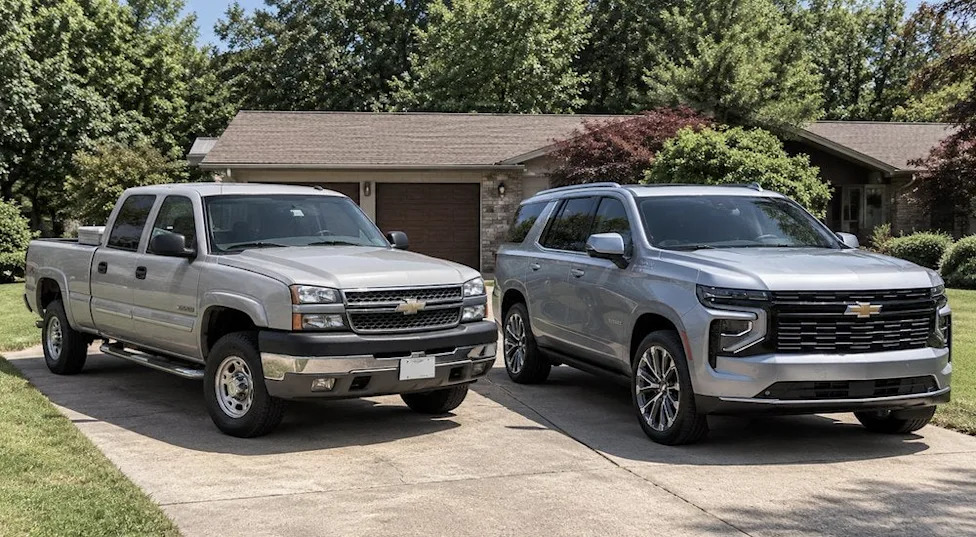
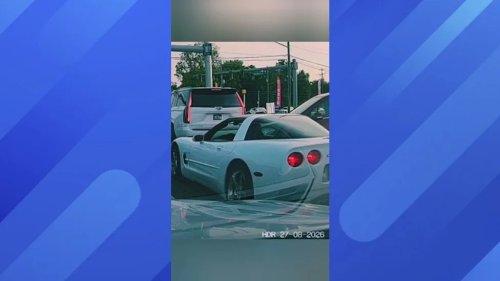
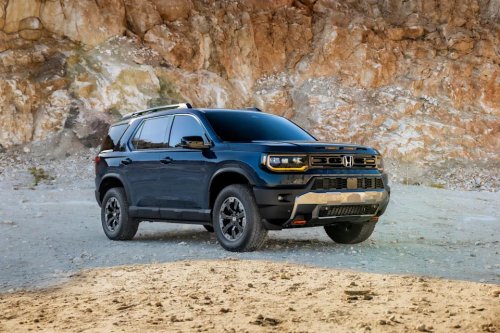
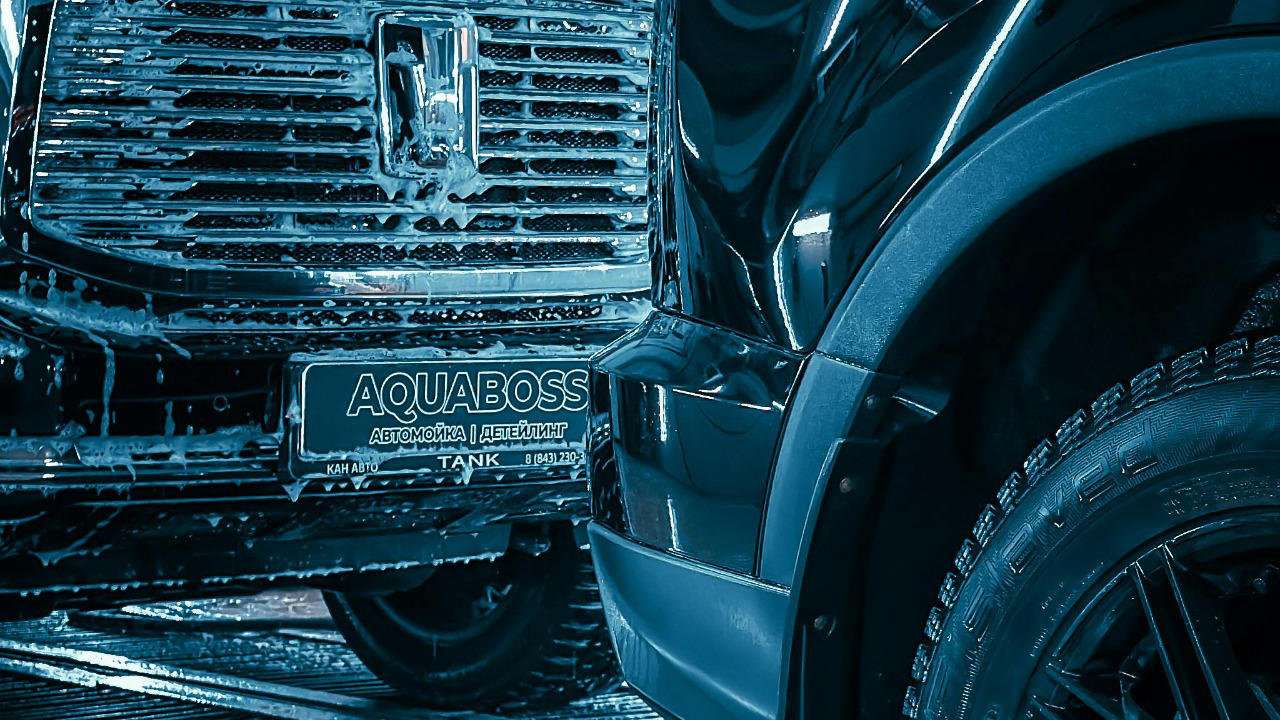
A routine car wash turned into an awkward, bumper-to-bumper mess after a driver says the conveyor belt kept pushing his SUV forward until it tapped the vehicle in front of him. The driver, who asked not to be named because he’s still trying to sort out repairs, described it as that slow-motion moment you can’t quite stop—except with soap and spinning brushes involved. According to him, the bigger surprise came after the contact: he says the car wash manager blamed the whole thing on “the sensors.” Not the kind of sensors that prevent problems, mind you, but the kind that apparently didn’t. What the driver says happened The driver said he pulled up to the entrance like usual, put the SUV in neutral as instructed, and let the conveyor guide his wheels. Everything felt normal for the first few seconds—water, foam, the usual soundtrack of whirring equipment and distant squeaks. Then, he says, he noticed the gap closing too fast between his SUV and the vehicle ahead. He recalls lightly pressing the brake out of instinct, then releasing it because most car washes warn you not to brake once the belt has you. The belt kept moving, and he says his SUV gently bumped the car in front before anyone hit an emergency stop. The manager’s response: “It’s the sensors” After the vehicles were guided out, the driver says he spoke with the manager on duty, expecting the business to take responsibility or at least walk him through what went wrong. Instead, he claims the manager pointed to the system’s sensor setup and suggested the incident was caused by a sensor issue—without offering much clarity on whether that meant a failure to detect spacing, a misread vehicle position, or something else. The driver described the explanation as frustratingly vague, like being told your phone “just glitched” after it deletes all your photos. “Okay,” he said, paraphrasing the conversation, “but whose glitch is it?” How conveyor car washes are supposed to prevent this Conveyor-style car washes typically rely on a mix of mechanical timing and electronic detection to keep cars spaced safely. In many setups, an attendant queues vehicles and sets the pace so each car enters at the right interval, sometimes guided by traffic lights or hand signals. Sensors can help confirm vehicle placement, detect if a car has stopped unexpectedly, or trigger pauses if something looks off. But the system isn’t magic: it still depends on correct loading, functional equipment, and people paying attention when a line of expensive metal boxes is rolling through on a moving track. Why “don’t brake” can feel like the worst advice at the worst moment If you’ve ever been inside a conveyor wash, you know the instructions can sound simple until your brain decides you’re in a suspense movie. Drivers are often told to put the car in neutral, hands off the wheel, and absolutely don’t brake. The idea is that braking can cause the belt to push the tire, leading to tire slip, misalignment, or even a more serious jam. But when you see the car ahead getting closer, every instinct screams to stop. That’s part of why attendants and safety systems matter so much—because a customer’s natural reaction might not match what the equipment needs to operate safely. Who’s responsible when two cars touch? Responsibility in car wash incidents can get surprisingly murky, and it often comes down to what exactly caused the contact. If an attendant loaded vehicles too close together, or if the conveyor didn’t stop when it should’ve, that points toward operational or equipment issues. If a driver braked hard, shifted gears, or steered against the track, a car wash might argue driver error. Many washes also post disclaimers—sometimes on signs you barely have time to read, sometimes on the receipt, sometimes in the terms you “agree” to by entering. Disclaimers don’t automatically erase liability, but they can shape what a business will say in the moment and what an insurer might ask about later. What the “sensor” explanation could actually mean When someone says “the sensors,” they might be talking about several different things. Some systems use photoeyes or proximity sensors to detect a vehicle’s presence at certain points. Others use pressure sensors, wheel guides, or timing logic that assumes cars are loaded at a fixed interval. If a sensor fails to detect that a vehicle has stopped or that spacing is too tight, the conveyor might continue moving as if everything’s fine. The tricky part is that a sensor issue can be a real mechanical problem—and also a convenient umbrella explanation when no one wants to get into details at the counter. What the driver did next The driver says he took photos of both vehicles right after exiting, including close-ups of the bumpers and wider shots showing the bay area. He also says he asked for an incident report and the manager’s name, and he noted the time of day in case security footage existed. He exchanged information with the driver ahead, who he described as annoyed but calm. “It wasn’t a huge smash,” he said, “but it also wasn’t nothing.” What you can do if this happens to you If you’re ever in a similar situation, a few practical steps can make the aftermath less chaotic. Take clear photos immediately, including the car wash entrance signage if it shows instructions, warnings, or policies. Ask whether the facility has video and request they preserve it, since some systems overwrite footage quickly. It also helps to write down your own timeline while it’s fresh: what you were instructed to do, whether an attendant guided you in, and whether you braked or shifted at any point. If damage is more than a tiny scuff, you may want to notify your insurer and let them handle the back-and-forth, especially if the business disputes fault. Why these incidents are so common—and so weird Car washes move vehicles through a fixed system, and fixed systems don’t love surprises. A lifted truck, a low-slung bumper, a driver who panics and taps the brake, a wet tire that slips—small variables can cascade fast. And because the vehicles are lined up close together by design, any hiccup can turn into an accidental game of automotive “telephone.” The driver in this case says he’s mostly baffled by how quickly it escalated and how quickly the explanation shifted to electronics. “I’m not mad that machines fail,” he said. “I’m mad that it felt like I was being told it was nobody’s problem.” The bigger question: are car washes getting too automated? Plenty of modern washes lean hard on automation—more sensors, fewer attendants, quicker throughput. That can make washes faster and cheaper, but it can also mean fewer eyes on the line when something starts to go wrong. A human can notice a tight gap in real time; a sensor can miss it if it’s dirty, misaligned, or simply not designed to judge “too close” the way a person would. For drivers, the takeaway isn’t “never use a conveyor wash.” It’s more like: pay attention, follow instructions, and don’t be shy about asking how spacing is managed—especially if you’re driving a larger SUV or you notice cars being loaded in rapid-fire succession. As for this incident, the driver says he’s waiting to see whether the business will share footage or cover repairs. In the meantime, he’s got a new rule of thumb: “If someone tells you ‘the sensors did it,’ ask which sensor, what it detected, and why it didn’t stop the belt.” More from Fast Lane Only Unboxing the WWII Jeep in a Crate 15 rare Chevys collectors are quietly buying 10 underrated V8s still worth hunting down Police notice this before you even roll window down The post Driver says the car wash conveyor pushed his SUV into the vehicle ahead and the manager blamed sensors appeared first on FAST LANE ONLY.



















 +45 others