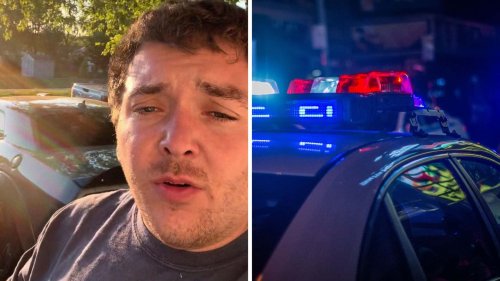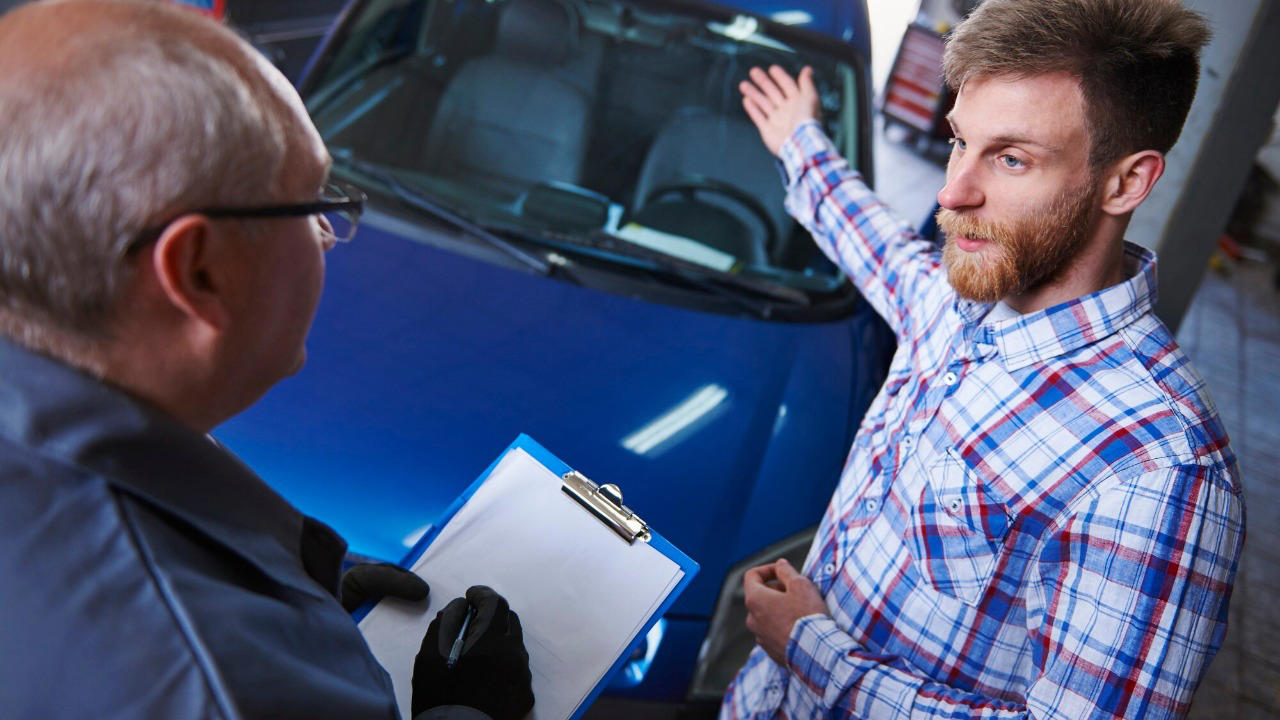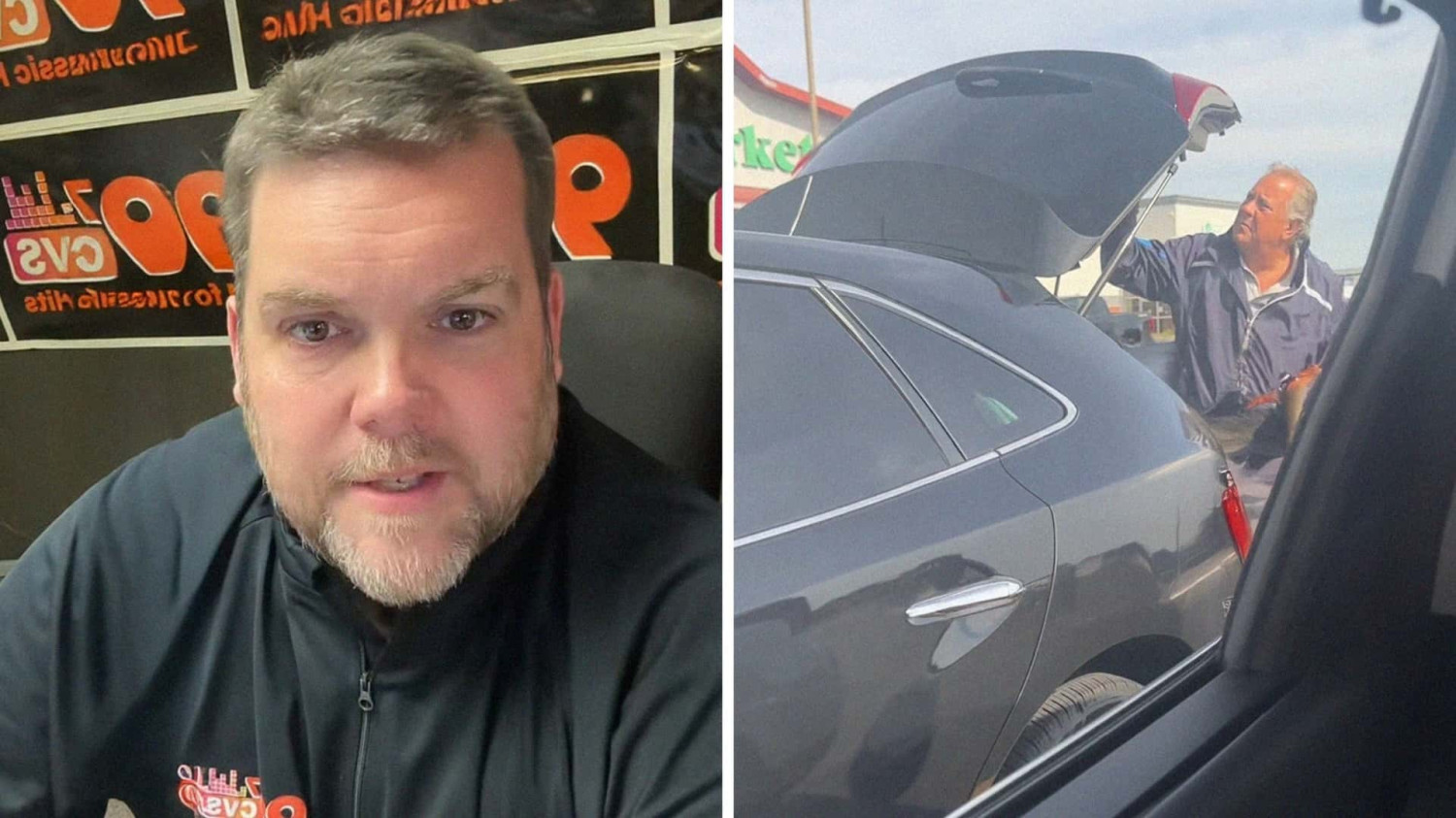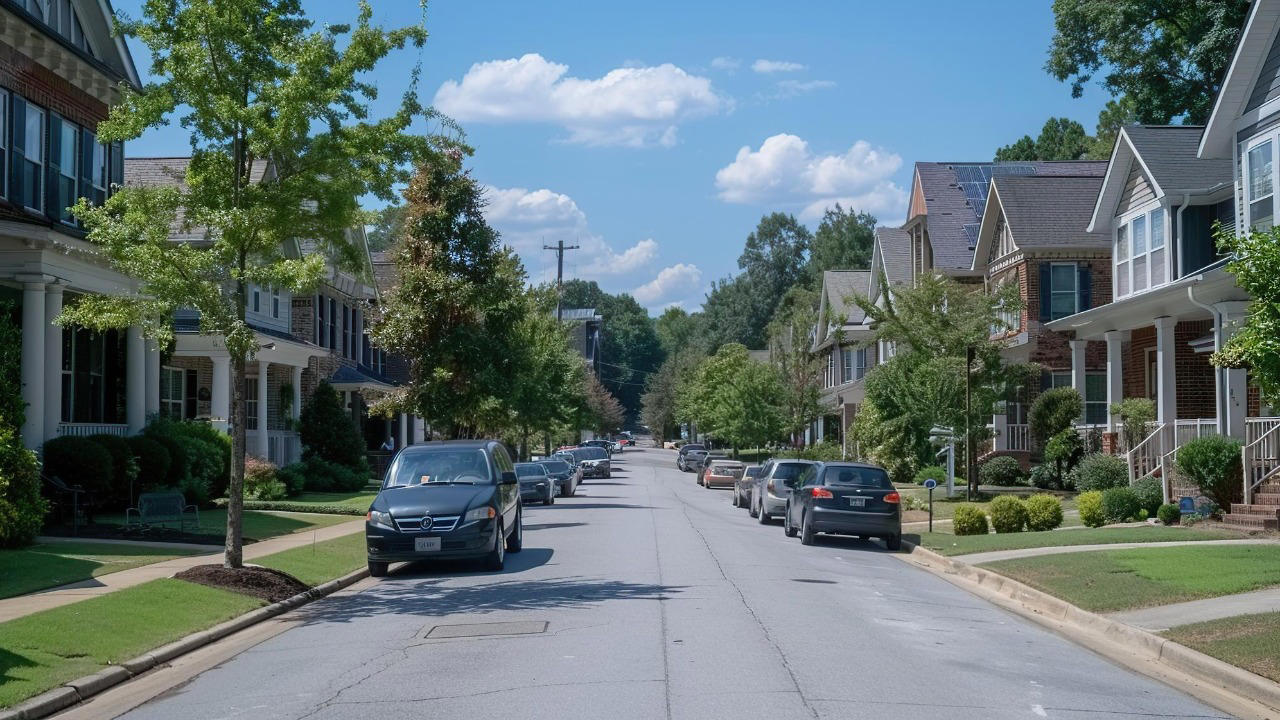






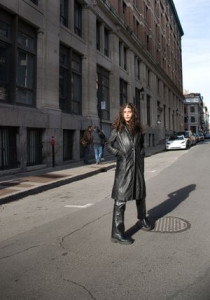








Driver says his neighbor keeps leaving notes about how he parks even though the street has no markingsA driver says he’s been getting a steady stream of anonymous notes on his windshield, all complaining about the way he parks on his own street. The twist, he says, is that the road doesn’t have any painted lines or marked bays to park in. “I’m not blocking driveways, I’m not in front of hydrants, and there’s literally no markings,” he told friends, still baffled by the situation. In a neighborhood where curb space can feel like a competitive sport, the dispute has turned into a low-stakes mystery with surprisingly high emotional stakes. The driver suspects it’s a nearby neighbor, but says he hasn’t caught anyone in the act. Now he’s trying to figure out whether he’s unknowingly breaking a rule—or just breaking someone’s personal code of curbside etiquette. A street with no lines, and a neighbor with strong opinions According to the driver, the notes range from passive-aggressive (“Please learn how to park”) to oddly specific (“You’re taking up too much space again”). He says they usually show up after he’s parked overnight or during the workday, and they’re always placed neatly under the wiper like a mini performance. “If you’re going to critique, at least sign your name,” he joked, though he admits it’s getting old. What makes it extra confusing is the street itself: no white lines, no painted stalls, no signage pointing to strict alignment. In many residential areas, that means drivers are expected to park parallel to the curb and leave reasonable space for others—more vibes than geometry. Still, “reasonable” can be a slippery word when one person’s “fine” is another person’s “you’ve committed a parking crime.” Why this kind of conflict pops up so often If you’ve lived on a busy street, you’ve probably seen this movie before. Parking can become emotional because it feels personal: it’s about convenience, routine, and sometimes a quiet sense of territory. Even when the curb is technically public, some people get attached to the stretch of asphalt in front of their home like it came with the mortgage. There’s also the simple math of scarce space. When cars line up along a curb without markings, small gaps add up fast, and one “generous” space between vehicles can look like wasted real estate to someone circling the block. That’s often when notes appear—because leaving paper on a windshield is easier than having an awkward face-to-face conversation. What the driver says he’s doing—and not doing The driver insists he’s parking legally and thoughtfully. He says he checks for driveway clearance, avoids blocking trash bins on pickup day, and keeps distance from intersections. If he ends up a little farther from the curb than perfect, he chalks it up to the street being narrow and uneven, and to trying not to clip the gutter on a tight turn-in. He also says the notes don’t point to a consistent problem. One day it’s “too close” to another car, the next it’s “too far,” and once it was simply “STOP.” That inconsistency is part of why he suspects this is less about law and more about one neighbor’s idea of how everyone should behave. The murky middle: legal rules vs. neighborhood etiquette Even without painted markings, most places still have baseline rules: park in the direction of traffic, don’t block hydrants or driveways, and keep a certain distance from corners, crosswalks, and stop signs. Some cities also set limits on how long a car can sit in one spot, or require a minimum clearance for emergency access. So yes, it’s possible to park “wrong” on an unmarked street—but it usually involves safety or access, not whether your tires are perfectly aligned with imaginary stripes. Then there’s etiquette, which isn’t enforceable but definitely gets enforced socially. Neighbors may expect you to pull forward to “tighten up” the line, avoid saving spots, or not park in front of someone’s house every single day if there are other options. None of that is a law, but it can feel like one when someone starts issuing parking report cards in paper form. When notes cross the line into harassment A note or two is annoying. A pattern of notes can start to feel targeted, especially when the tone is aggressive or accusatory. The driver says he’s begun taking photos of each note, mostly because he doesn’t like the feeling of a one-sided confrontation that keeps repeating. That documentation can matter if things escalate—say, if the notes turn threatening, if someone damages the vehicle, or if a dispute turns into repeated unwanted contact. Most of the time it doesn’t go that far, but people who feel watched in their own neighborhood tend to lose their sense of ease quickly. And nobody wants their daily commute to include “check windshield for drama.” Small steps that can lower the temperature Friends of the driver have suggested a simple approach: park as cleanly as possible for a couple of weeks and see if the notes stop. That might mean consciously leaving a tighter gap, hugging the curb a bit more, and making sure the car is straight enough that it doesn’t look like it slid into place. It’s not about giving in so much as running a quick experiment: if your parking is immaculate and the notes continue, the issue probably isn’t the parking. Others have recommended a calm, direct conversation—if the neighbor can be identified without turning it into a stakeout. A low-key “Hey, I’ve been getting notes about parking. Is something I’m doing causing a problem?” can work better than trading anonymous messages. The key is tone: curious, not accusatory, because nobody responds well to “Are you the one leaving these weird notes?” What communities say helps when curb tensions flare up In many neighborhoods, the best peacekeeper is clarity. If the street is consistently short on space, some residents ask the city about curb markings, signage, or permitted parking zones—not to “win,” but to remove ambiguity. Painted lines can seem trivial until you realize they stop half the arguments before they start. In the meantime, the driver says he’s considering leaving his own note—something polite, like, “If there’s a specific issue (driveway access, safety, etc.), please let me know so I can fix it.” It’s a friendly olive branch, but it also quietly asks the anonymous critic to be specific. Because “park better” is more of a mood than a usable instruction. A very modern neighborhood mystery For now, the notes keep coming, and the driver keeps wondering what invisible rulebook he’s being graded against. He says he’d prefer a normal neighborly chat over windshield stationery, and he’s hoping the situation fizzles out once everyone’s had a little time to cool off. “I’d love for the big reveal to be that I’m somehow parking on a sacred spot,” he said, “but I’m pretty sure it’s just… a curb.” If nothing else, the episode is a reminder that the smallest parts of daily life—where you leave your car, how much space you take up, whether you line up “correctly” on an unmarked street—can carry surprising weight. And if you ever feel tempted to leave a note on someone’s windshield, it might be worth asking yourself a simple question first: am I trying to solve a problem, or just auditioning for the role of Neighborhood Parking Manager? More from Fast Lane Only Unboxing the WWII Jeep in a Crate 15 rare Chevys collectors are quietly buying 10 underrated V8s still worth hunting down Police notice this before you even roll window down The post Driver says his neighbor keeps leaving notes about how he parks even though the street has no markings appeared first on FAST LANE ONLY.