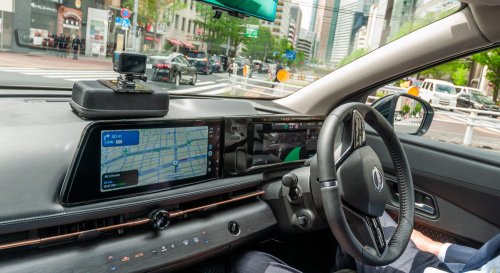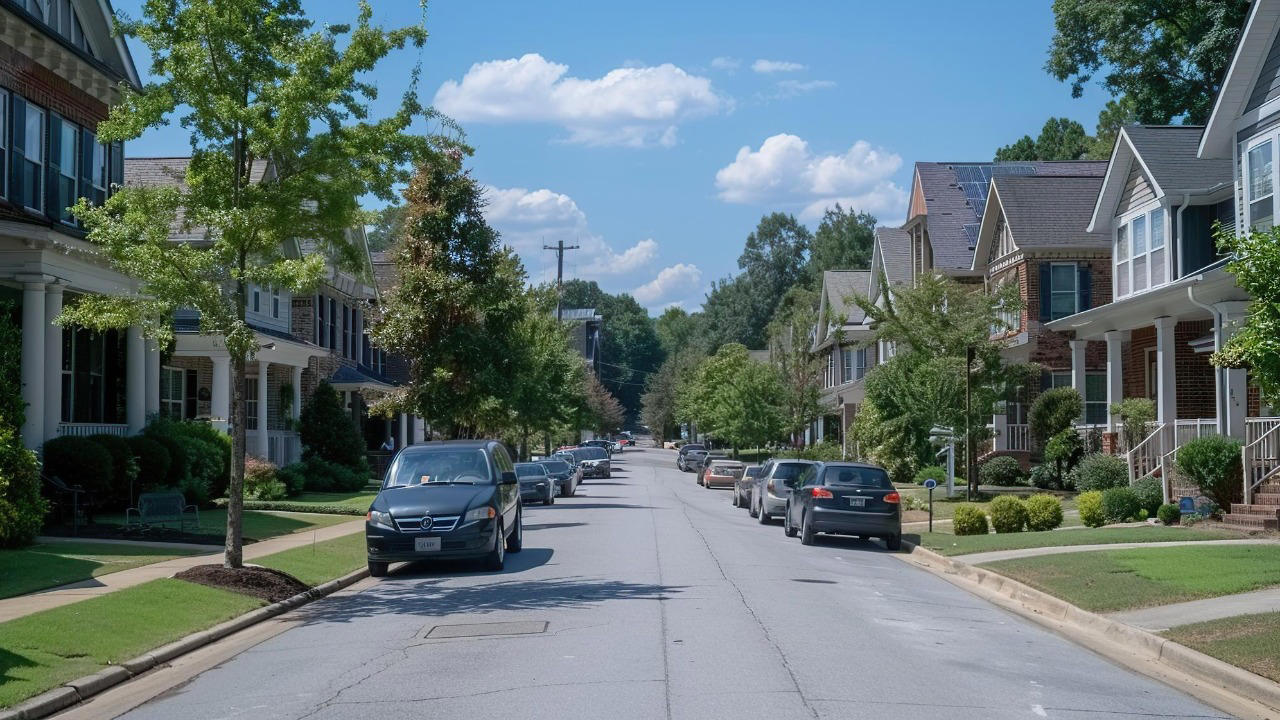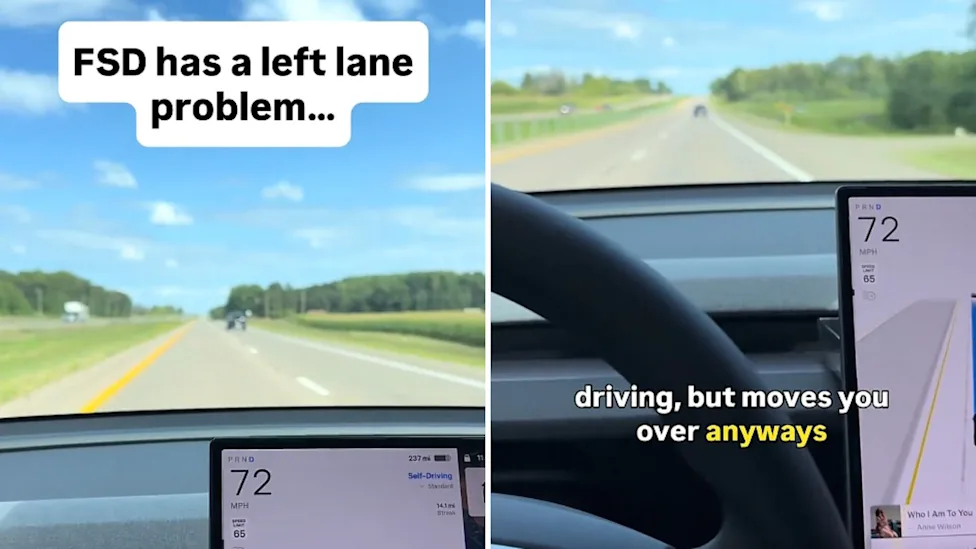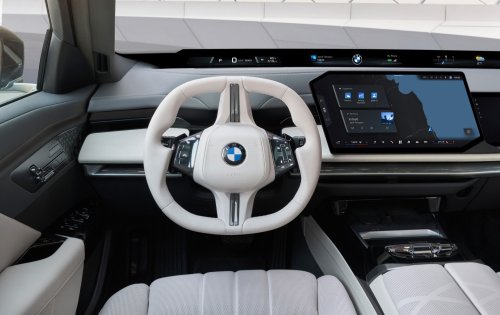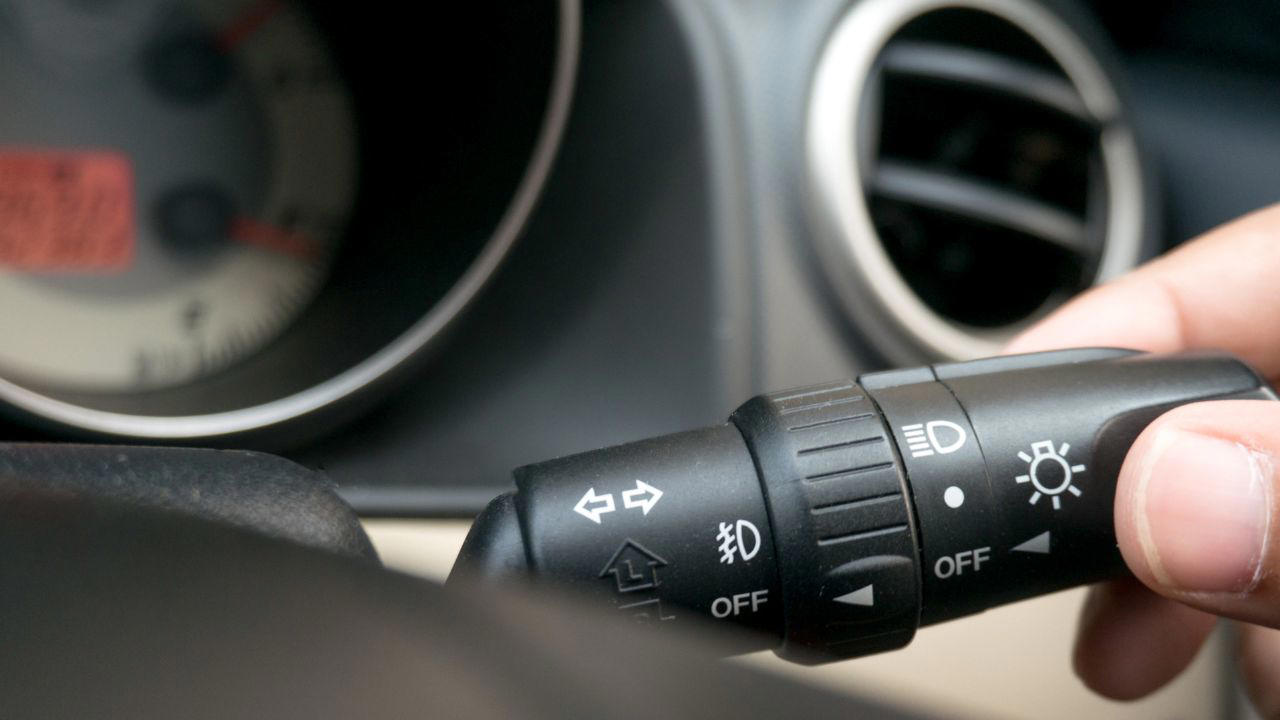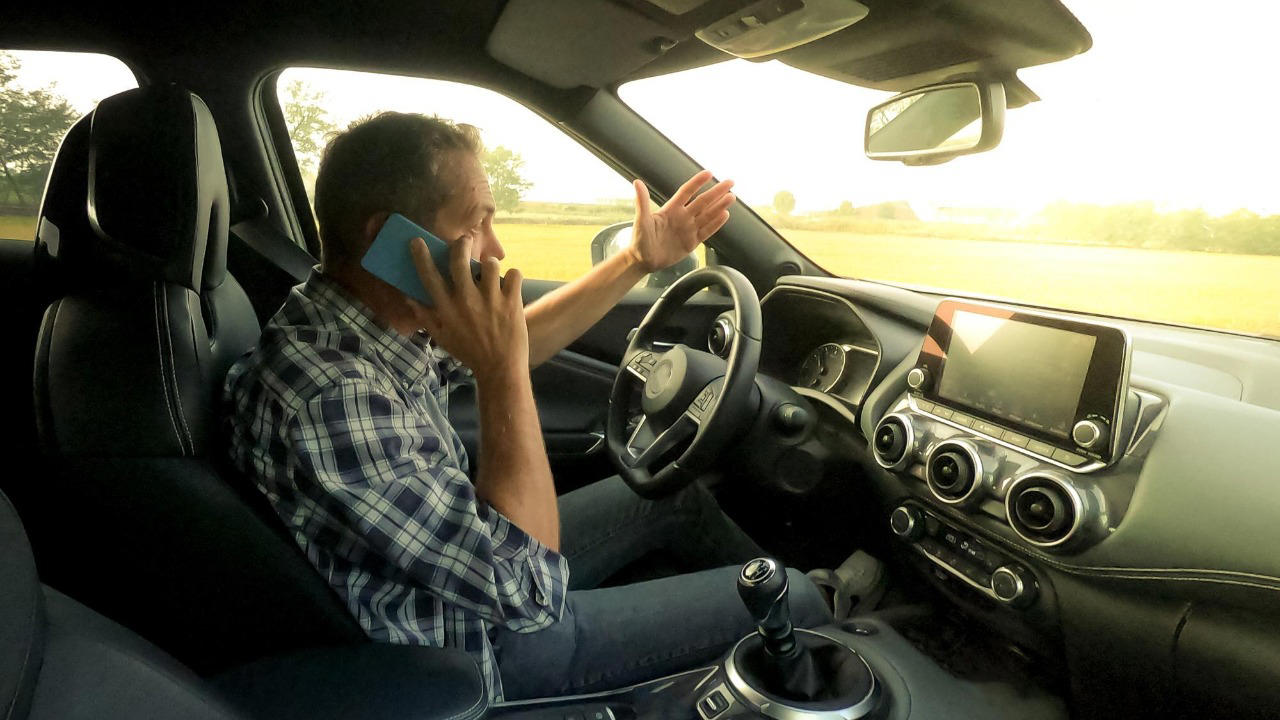



















Driver says his car’s lane assist keeps pulling the steering wheel on empty roadsA driver who thought lane assist would be his quiet co-pilot says it’s started acting more like a backseat driver with opinions. On wide-open, low-traffic roads, he claims his steering wheel keeps “tugging” as if the car is trying to drift toward a line that isn’t there. He’s not describing a dramatic swerve—more like a persistent nudge that makes you wonder whether the car sees something you don’t. The complaint, shared in a post that quickly drew similar stories, touches on a familiar modern-car mystery: when driver-assist features behave oddly, it can feel spooky even when the vehicle is technically “working as designed.” And because it’s happening on empty roads—where you’d expect the system to have an easier time—it’s leaving people scratching their heads. What the driver says is happening According to the driver, the steering wheel intermittently pulls left or right despite a clear lane and no nearby cars. It’s most noticeable at steady speeds, especially on long stretches where you’re barely making corrections yourself. The sensation is subtle but constant enough to be annoying, like someone repeatedly tapping your shoulder during a movie. He also notes it can happen even when the road looks well-marked, which is what makes it feel so counterintuitive. If lane assist is meant to reduce minor wandering, why is it creating extra steering input when everything’s calm? How lane assist actually “sees” the road Most lane-keeping systems rely on forward-facing cameras to detect lane lines, road edges, and sometimes the path of the roadway ahead. Some vehicles fuse in radar, map data, or steering-angle sensors, but the camera is usually the star of the show. If the camera thinks it detects a lane boundary, it can apply gentle steering torque to keep the car centered. The catch is that the system isn’t “seeing” like a human. It’s interpreting contrast and patterns: painted lines, cracks, tar snakes, shadows, seams, and even old markings can look like a lane boundary to an algorithm having a bad day. Why it can happen more on empty roads On a busy highway, your own steering inputs tend to be frequent—small adjustments for traffic, spacing, and merging—so you may not notice the assist system’s tiny corrections. On an empty road, you’re relaxed, holding steady, and the car’s micro-tugs stand out. It’s like hearing your refrigerator hum only after the TV turns off. There’s another wrinkle: many systems “hunt” for the lane center when markings are inconsistent. If one lane line is clear and the other is faded, the car might bias toward what it can see, then correct back when it re-acquires the missing edge, creating a gentle push-pull sensation. Common triggers drivers don’t expect Drivers in the discussion pointed to familiar culprits: patched asphalt lines that mimic lane paint, shadows from trees, and reflective pavement markers that confuse detection at certain angles. Construction zones are a classic too—old stripes that weren’t fully removed can look like competing instructions. Even bright sun low on the horizon can wash out markings, causing the system to guess. Weather and road grime matter as well. A slightly dirty windshield in front of the camera, condensation, or a thin film of salt can degrade contrast just enough to make lane detection flaky. You might not notice the smudge with your eyes, but the camera absolutely will. When it’s normal behavior—and when it’s not A light steering torque near lane edges can be normal, especially if the system is configured to intervene early. Some cars let you choose “early” versus “late” corrections, or adjust how strongly the wheel pushes back. If it’s only happening near the lane line or on curvy roads, it may simply be the feature doing its job a little enthusiastically. But stronger, unexpected pulls on straight roads, frequent corrections in the middle of the lane, or a feeling that the wheel is “fighting” you can signal a calibration issue, sensor problem, or even a separate mechanical alignment concern. Lane assist shouldn’t feel like arm wrestling. If you’re constantly overriding it to drive normally, something’s off. A quick checklist drivers are trying People who’ve dealt with similar behavior say the easiest first step is to confirm the feature’s settings. Many cars have multiple, similarly named options—lane departure warning (beeps/vibrations) versus lane keeping assist (steering input)—and it’s possible to have both on without realizing it. Turning the steering intervention down a notch, if available, can instantly change the feel. Next is the low-tech stuff: clean the windshield area where the camera sits (often behind the rearview mirror), make sure there aren’t stickers or dashcam mounts blocking the view, and check tire pressures. Uneven tire pressure can cause subtle drift that lane assist then tries to correct, which can feel like the car is initiating the problem. Calibration, alignment, and updates: the unglamorous trio If the tugging started suddenly, drivers often point to recent events: a windshield replacement, a minor bump with a curb, suspension work, or even new tires. Many vehicles require camera recalibration after windshield work, and a miscalibrated camera can interpret the lane position incorrectly. It’s not always obvious, because everything can look fine until the system starts nudging you toward an imaginary centerline. Wheel alignment is another big one. If the car naturally drifts slightly, lane assist may continuously countersteer, producing that “pulling” sensation. Software updates can also change how assertive lane keeping feels, and some owners say the system got noticeably more or less “handsy” after an update. What automakers generally advise Automakers typically describe lane assist as a support feature, not a substitute for steering. They also note that performance can degrade with poor markings, glare, weather, or certain road surfaces. In other words, the fine print often matches what drivers are experiencing—though it’s still frustrating when the system struggles on a road that looks perfectly normal to you. Most manuals also mention that you should keep a firm hand on the wheel and be ready to override at any moment. If the system’s interventions are uncomfortable, manufacturers usually recommend disabling lane keeping on those routes and having the vehicle inspected if the behavior is persistent. What to do if it keeps happening Drivers dealing with repeated steering tugs say documenting the conditions helps: road type, speed, weather, whether it happens in a specific lane, and whether the dashboard shows the lane lines as “detected.” That last detail matters because it reveals what the car thinks it sees. If the display shows the lane lines flickering or one side dropping out, you’ve got a clue. If simple cleaning and setting tweaks don’t help, the next stop is a service center that can check for stored fault codes, camera calibration status, and alignment. If your car is under warranty, it’s worth pushing for a test drive with a technician so they can feel the behavior firsthand. Lane assist should feel like a gentle guide, not a prankster grabbing the wheel when nobody else is around. More from Fast Lane Only Unboxing the WWII Jeep in a Crate 15 rare Chevys collectors are quietly buying 10 underrated V8s still worth hunting down Police notice this before you even roll window down The post Driver says his car’s lane assist keeps pulling the steering wheel on empty roads appeared first on FAST LANE ONLY.