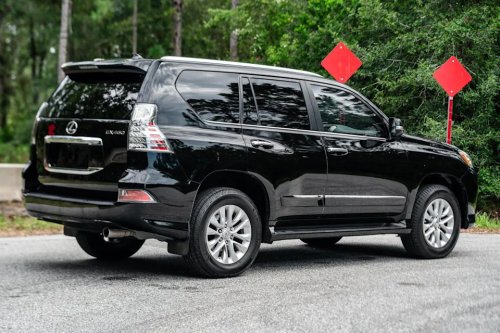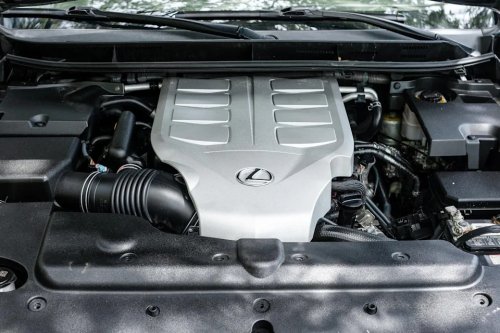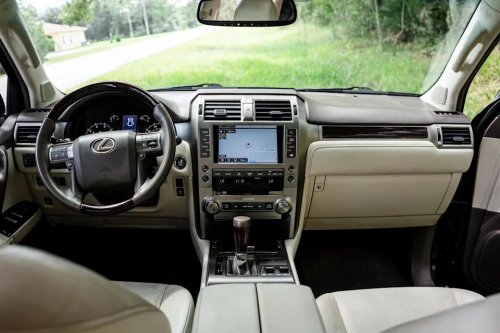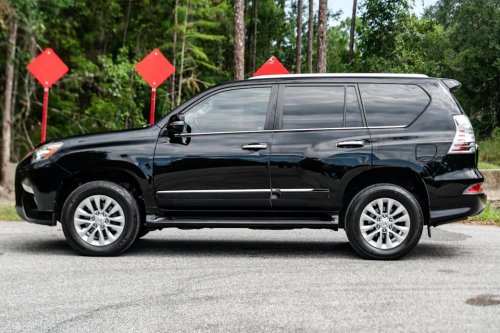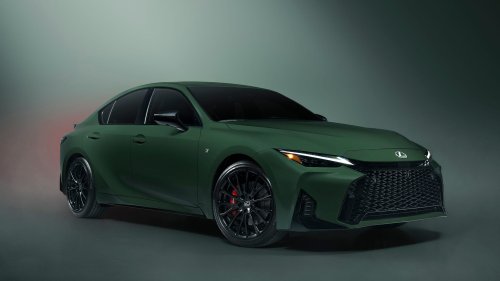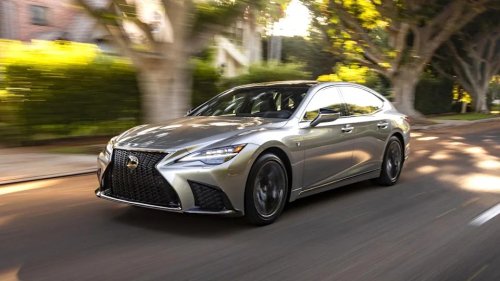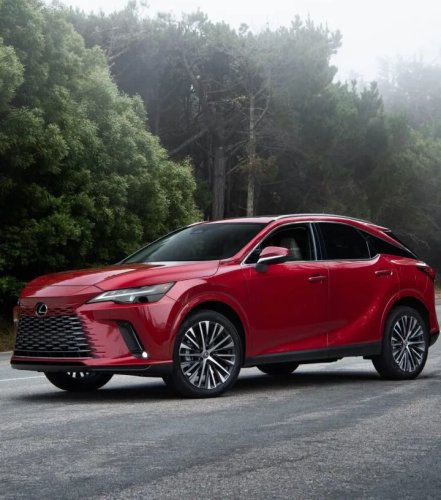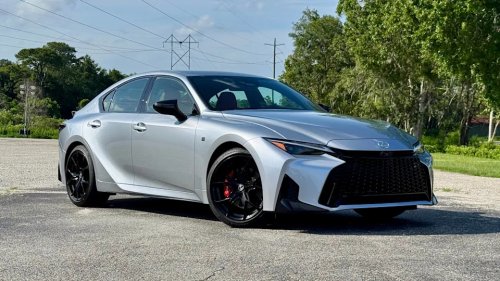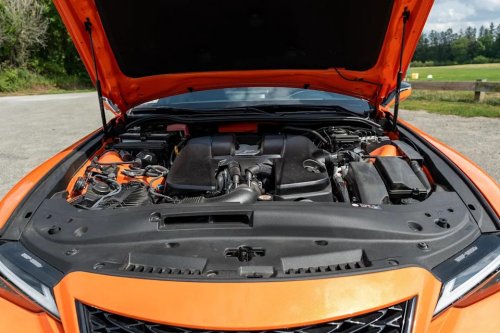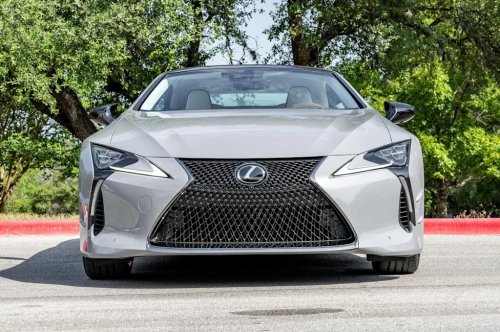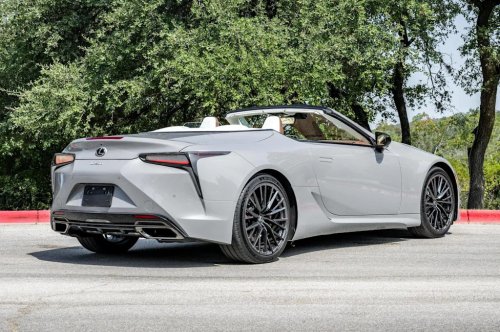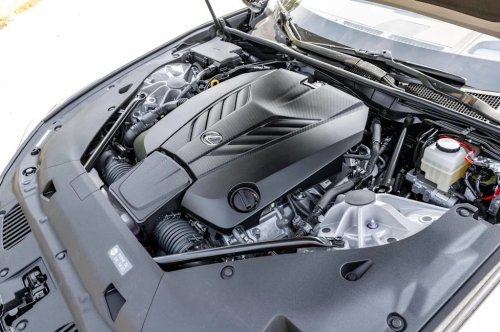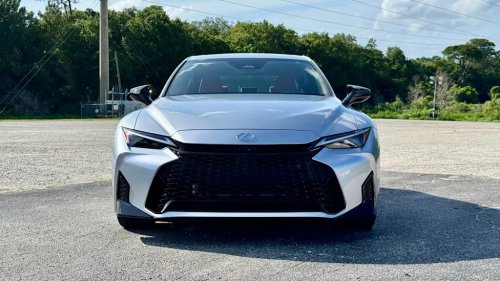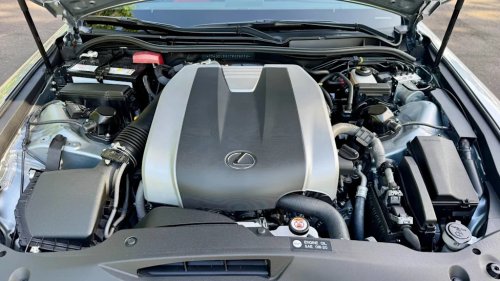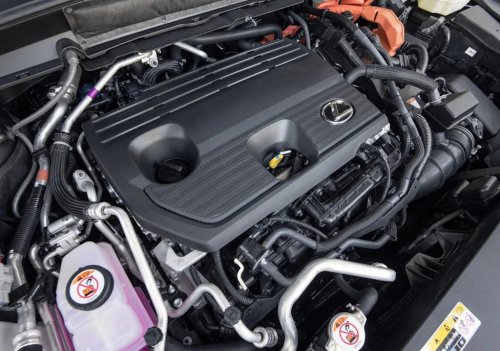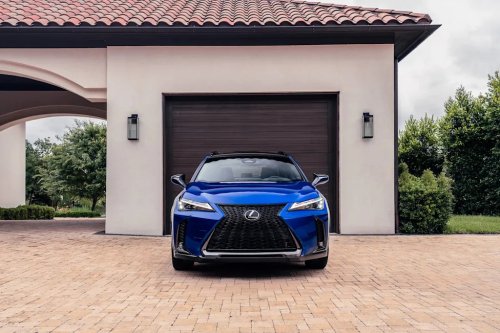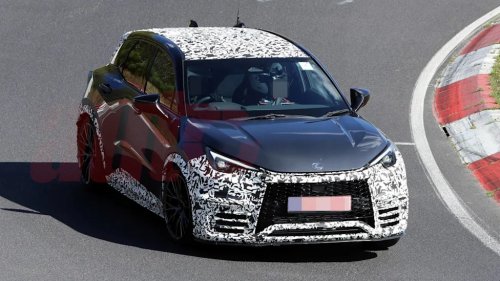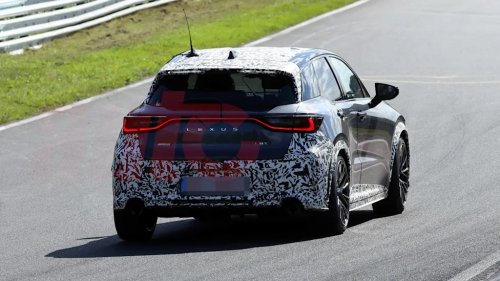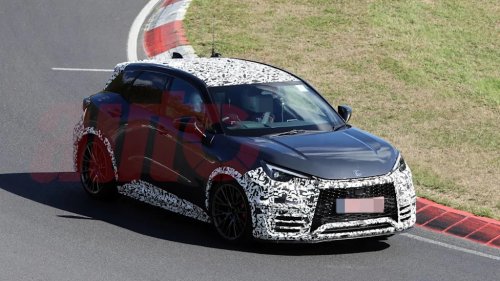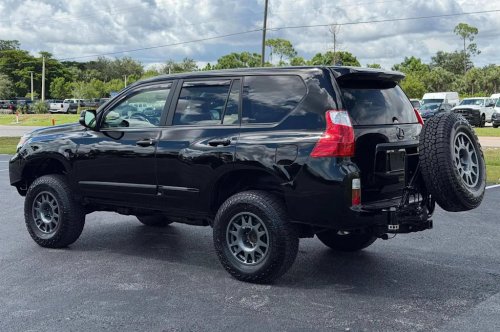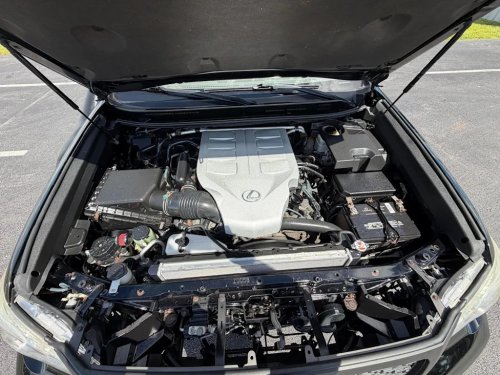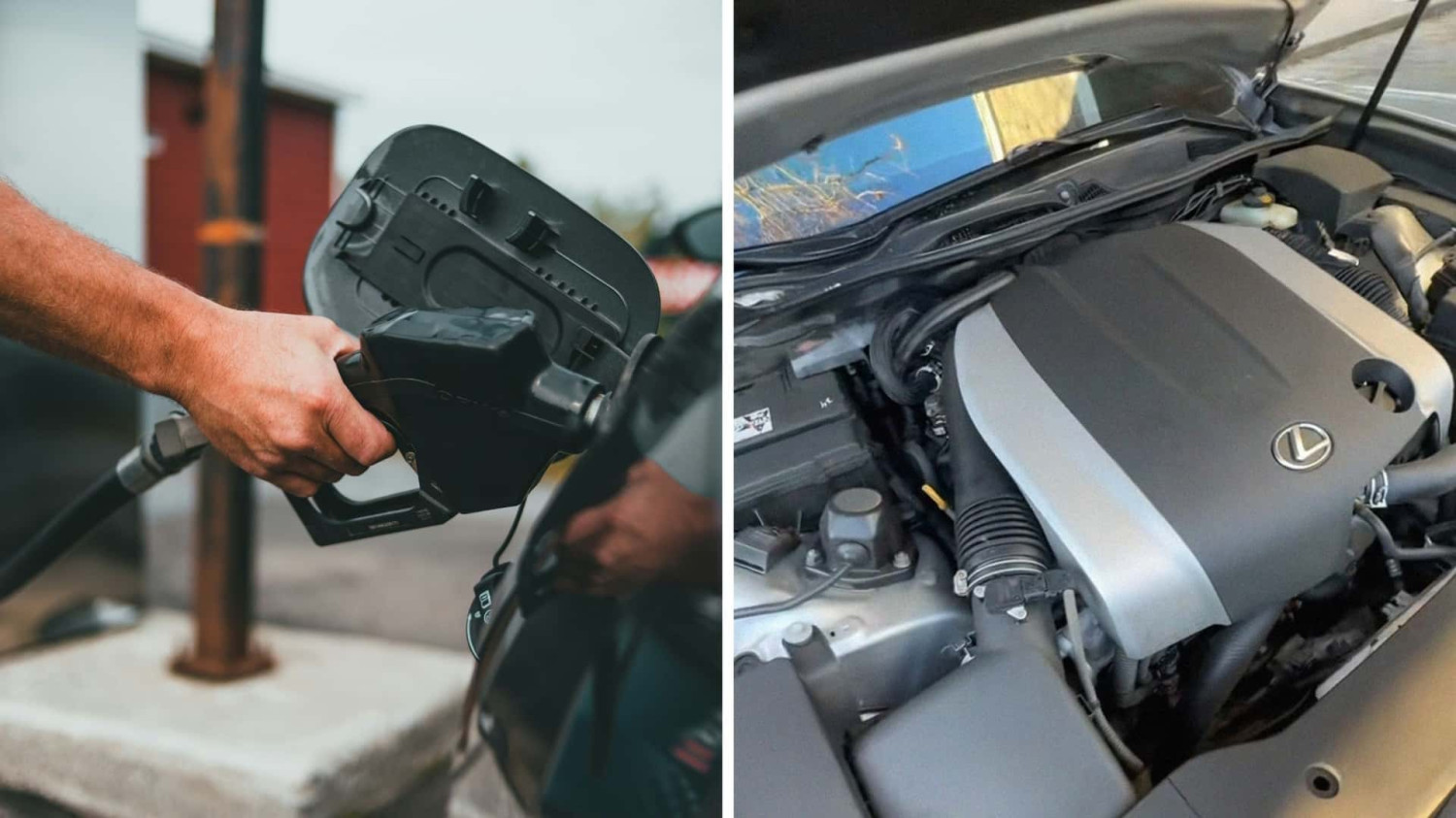



















A man believes a bad tank of gas may have damaged his Lexus because it started making a funny sound after he filled up. A TikTok posted by @lawdzay reveals the strange sound coming from the engine after a fill-up at a Safeway. As of this writing, it has over 26,000 views. In the post, the TikToker has the hood popped and films the engine trying to get started up; however, it’s struggling big time. The car engine begins making a rattling, ticking sound. The sound turns into a slight rev, then quickly turns into a lower, slower rattling. One doesn’t need to be a car expert to know that this strange, eerie sound isn’t ideal. “Just got gas at Safeway and now my car sounds funny,” the on-screen caption reads. Confused on what to do next, the creator asks the viewers for advice. “Any suggestions,” he writes in the caption. What Happens If I Get A Bad Tank Of Gas? Having inferior gas or long-sitting fuel can be detrimental to your vehicle's overall performance and health. “Low-quality gas can stem from a non-reputable seller distributing a concoction of blended gasoline or putting the wrong octane into your vehicle,” per AAA. One thing to note is that gas has a shelf life. Regular gasoline will degrade after three to six months of inactivity, while diesel can go up to a year. So if you suspect any fuel issues, it’s best to address them promptly. According to AAA, here are eight symptoms of bad gas in your car. Car Isn’t Starting Up: Failure to start the engine can be caused by contaminants and debris in the fuel. This includes water, other liquids, and debris. The Ignition Stutters or Hesitates: Hearing misfires and noises can occur with bad fuel. The change in chemical composition can cause the gasoline to combust improperly, leading to hesitation and stuttering. Issues Accelerating: Noticing any delay when accelerating can mean bad gas is in the car. This can be a serious issue when it becomes difficult to keep up with the flow of traffic. Check Engine Light On: Never ignore when the check engine light comes on. For the case of bad fuel, this could possibly mean that the buildup of debris or negative combustion impacted the engine's health. Bumpy Drive: Unexpected stalling when driving can be caused by bad fuel. This will make the ride unsmooth because the bad fuel isn’t combusting properly. This is caused by the chemical change, and the engine will misfire and not receive enough power. Shifting Delay: Any issues shifting into gears can mean your vehicle's engine isn’t operating properly, and the transmission is impacted as well. This is also true if the vehicle's gears are slipping. Filling up Gas More Frequently: More fuel-ups mean less fuel efficiently. Contaminated gas can reduce mpg. The Gas Cap Is Loose: Water and debris can easily access the gas tank when the seal is loose. This will contaminate the gas. Inspecting the gas cap should be part of routine maintenance checks. How Can You Fix Bad Gas in Your Car? Dealing with bad gas in your tank can be challenging and have a severe impact on your engine's performance and longevity, Autoshop Repair Los Angeles reports. To address this issue yourself, the most impactful method is diluting the old gas with fresh gasoline. Generally speaking, the rule of thumb is to add three parts of new gas to one part of old gas. “For every gallon of old gas in your tank, you should add three gallons of fresh gas,” per Autoshop Repair Los Angeles. If your car has a full tank of bad gas, a siphon is needed to clear out space for the new, fresh gas. If your tank already has room, the gas can simply be added directly. Once the fresh gas has been added, it needs to be mixed well. This can be done by gently rocking the car back and forth. This will rejuvenate the car's fuel system, as this mixing will lead to a proper blend. Additionally, it’s a smart move to add fuel additives and cleaners during this clear-out. This will enhance the fuel quality and get rid of any build-up from the bad gas. Now, if you have no desire to rock your car back and forth or do the math to get the fuel ratio right, any local mechanic or dealership can assist with this issue. Drivers should always double-check that the correct fuel grade is being added, replace the gas cap and seal if loose, and try a new gas station to buy fuel from, AAA reports. If the fuel is still having issues, a mechanic can test the fuel line and flush the fuel system. Was It Bad Gas or Just Bad Timing? The majority of the viewers didn’t believe this engine knocking sound was caused by the gas. “That’s not from fuel,” one wrote. “Gas doesn’t do that to an engine. Not changing your oil or running with low oil, are two things that can cause this,” a second added. “That wasn’t from the gas. Your engine has a rod knocking,” another commenter shared. “It didn’t happen till after tho! You think it’s just bad timing?” the creator replied. “Yeah unfortunately bad timing,” the commenter responded. Motor1 has contacted @lawdzay via Instagram and TikTok direct message and will update the story if they reply. We want your opinion! What would you like to see on Motor1.com? Take our 3 minute survey. - The Motor1.com Team