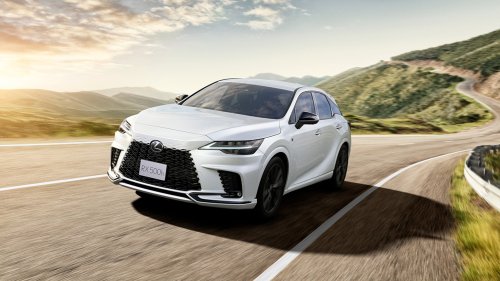
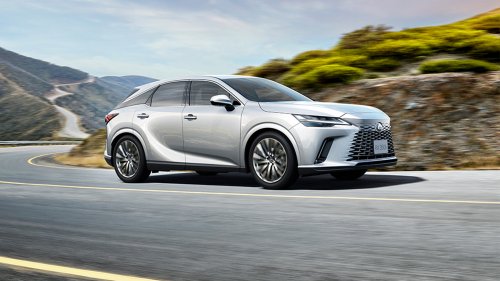
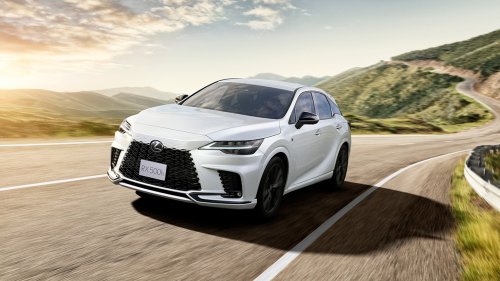
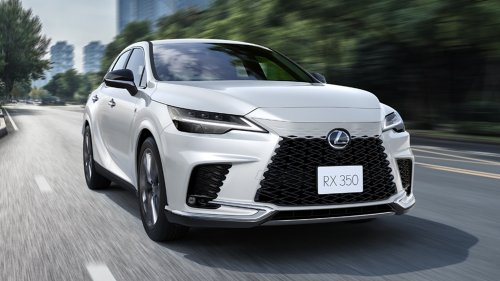
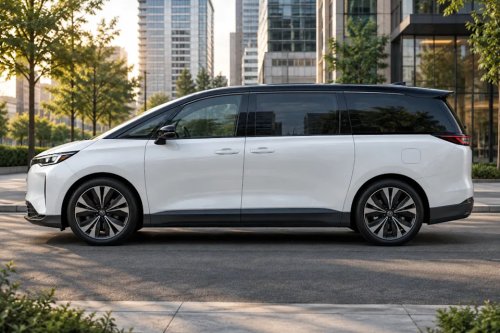
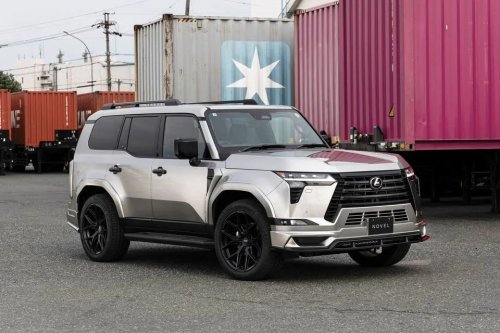
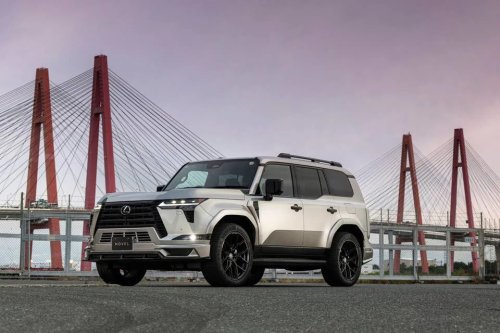
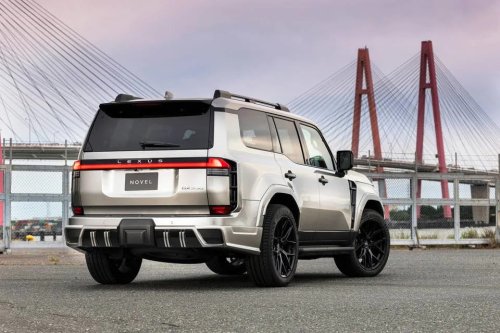
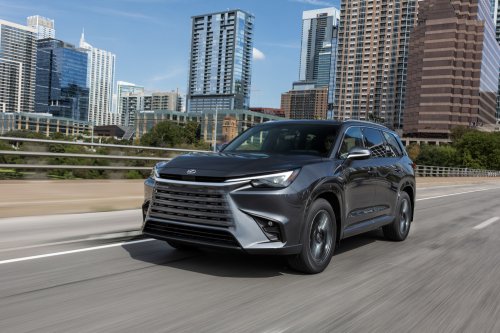
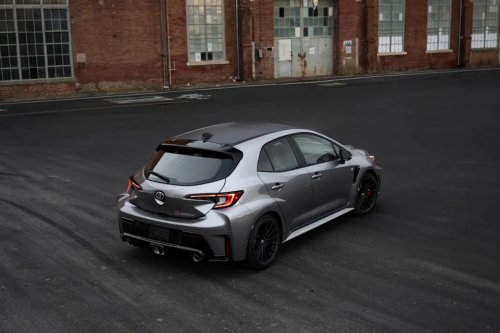
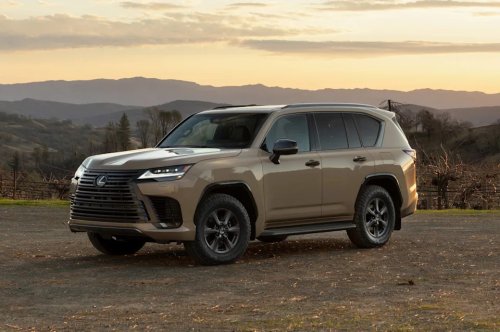
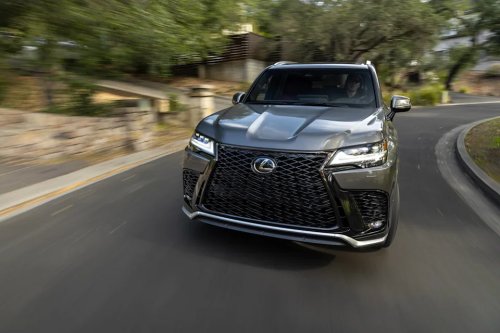
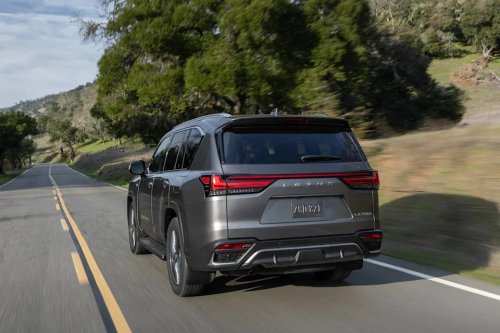
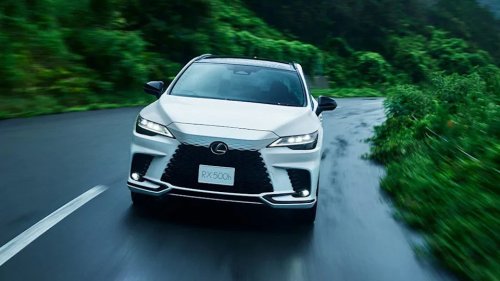
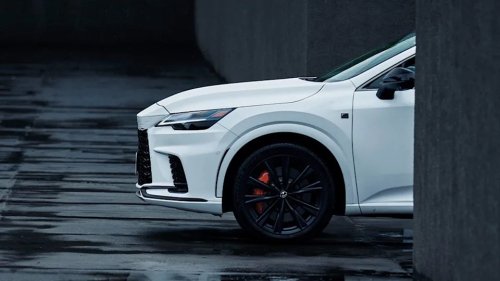
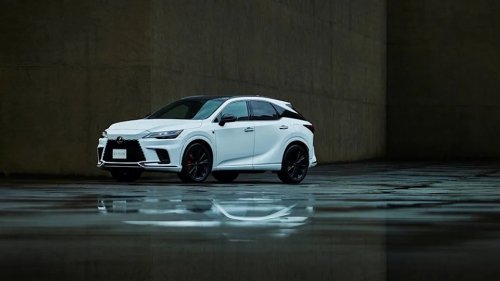
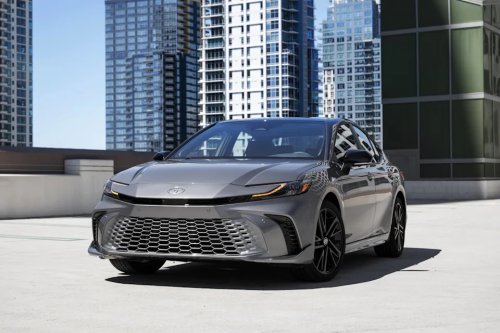
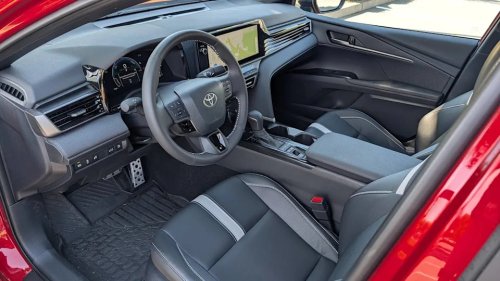
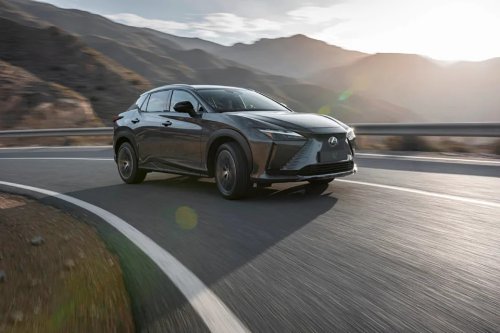
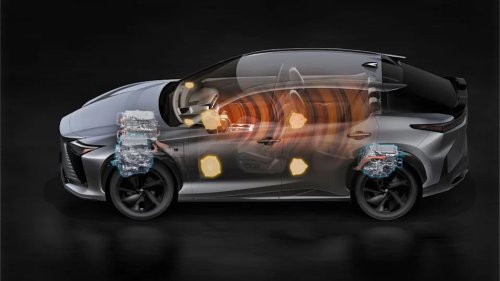
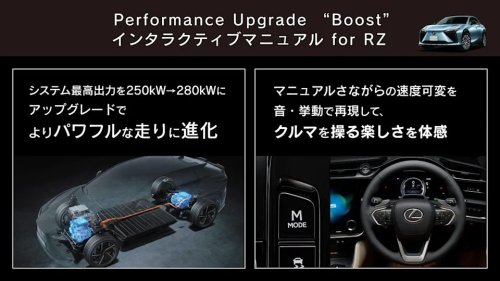
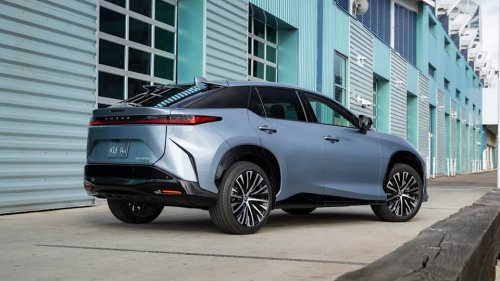
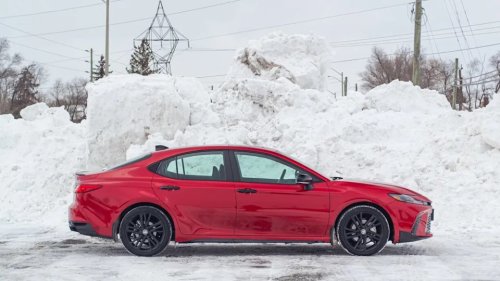
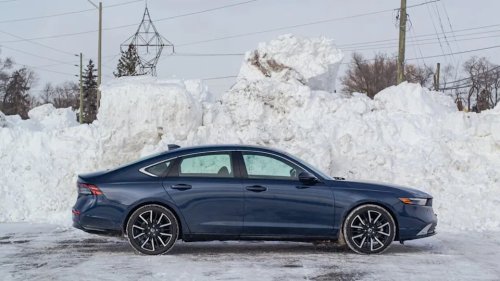
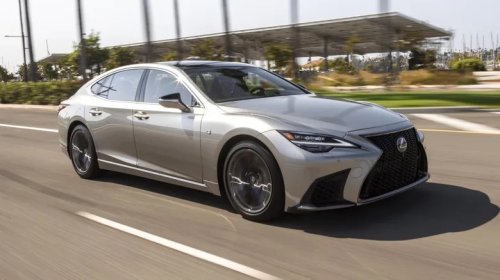
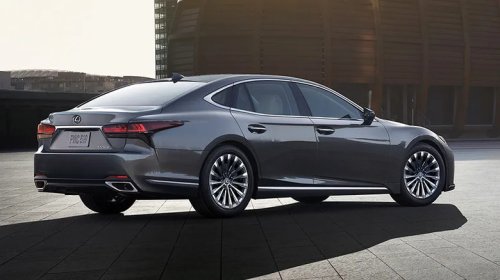
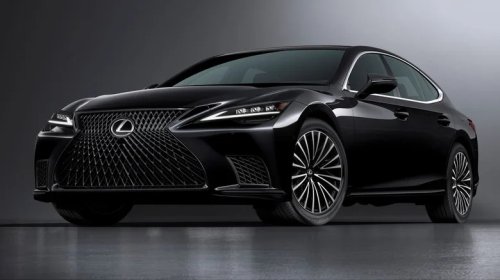
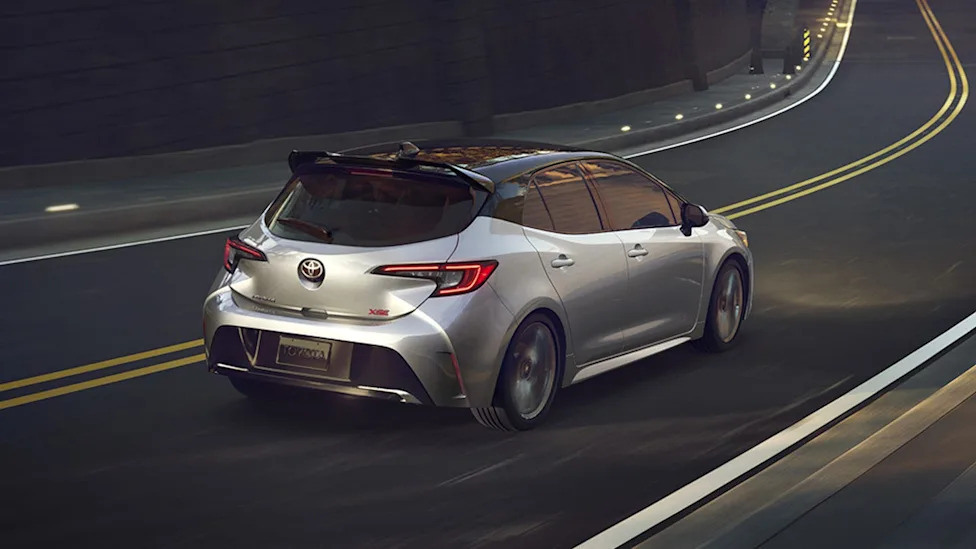
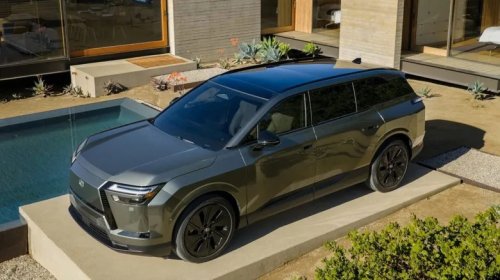
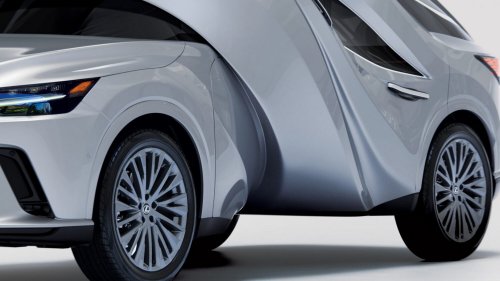
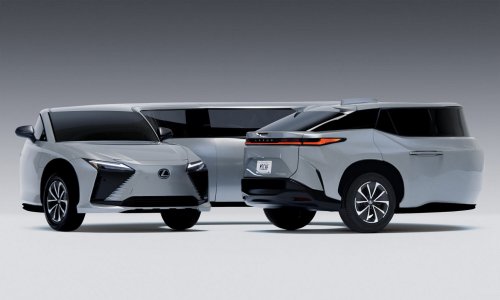
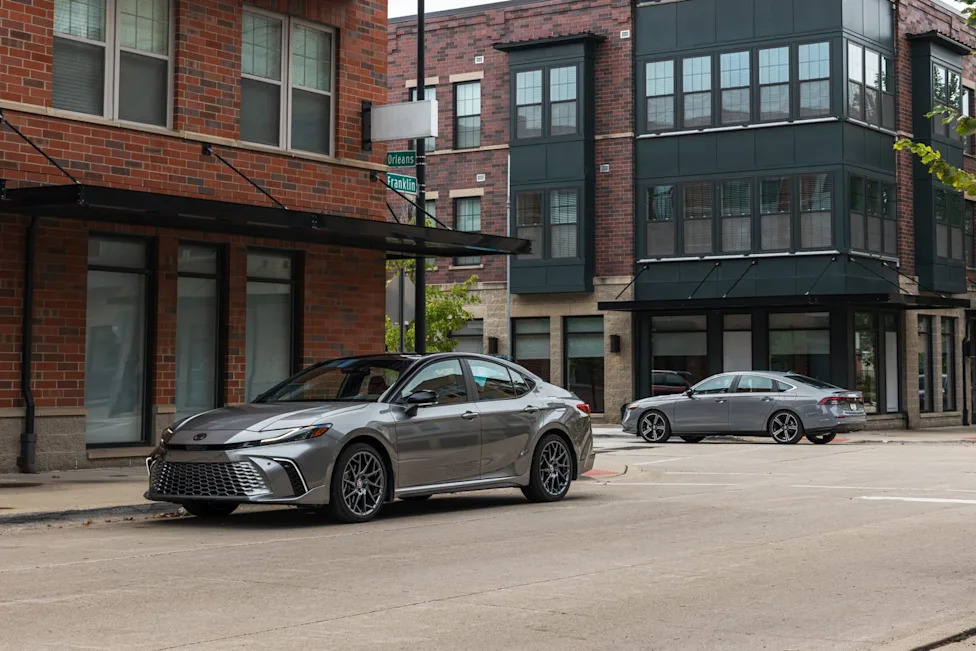
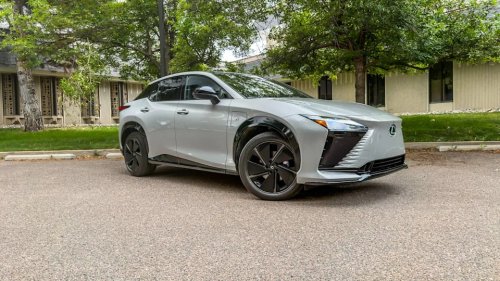
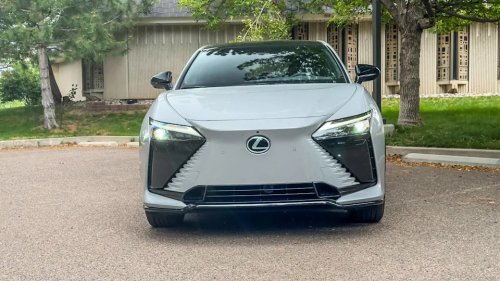
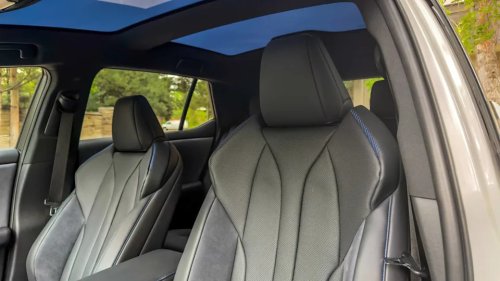
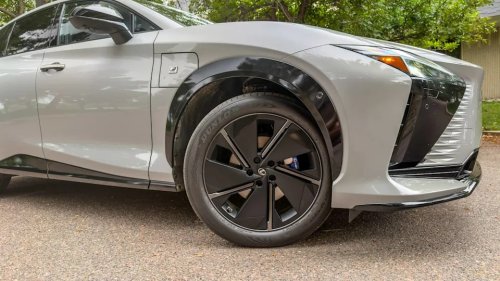
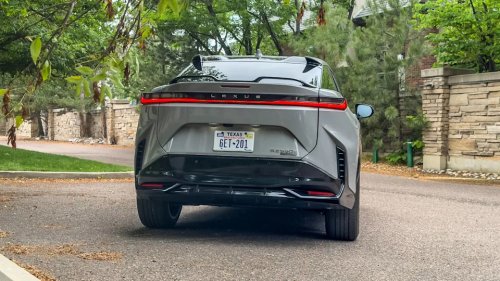
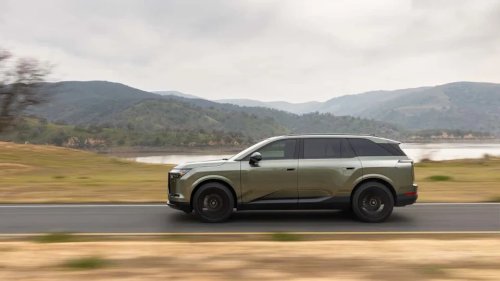
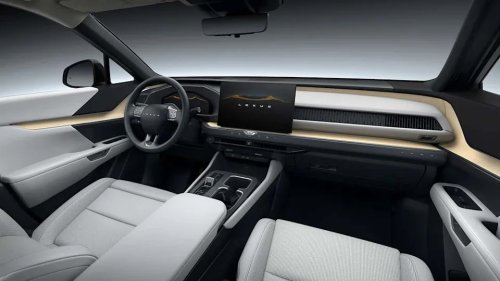
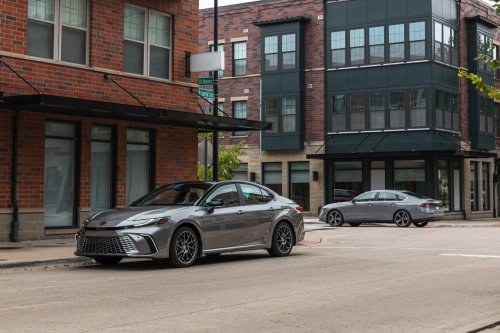
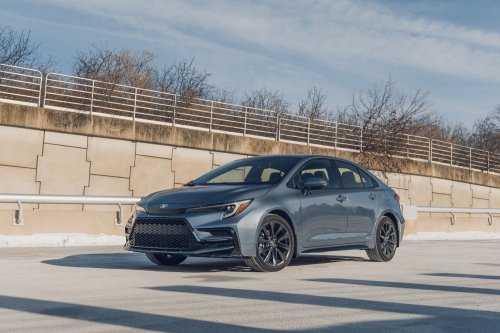
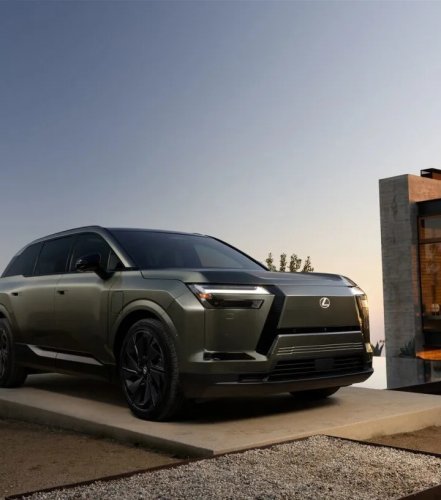
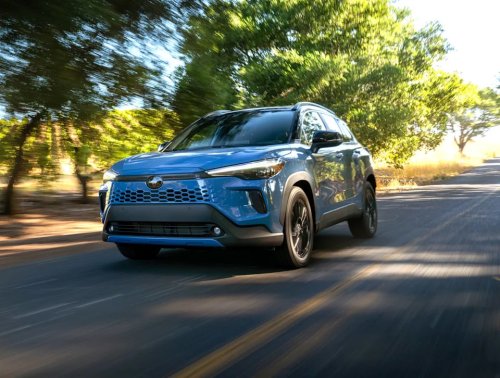
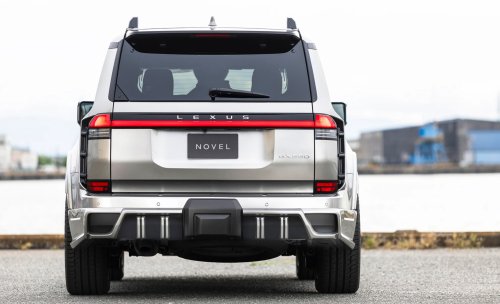
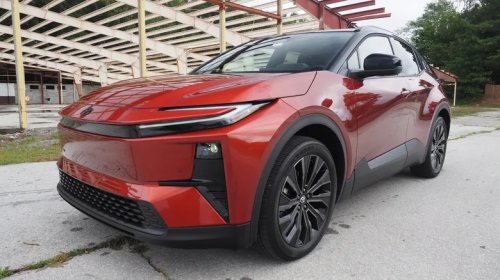
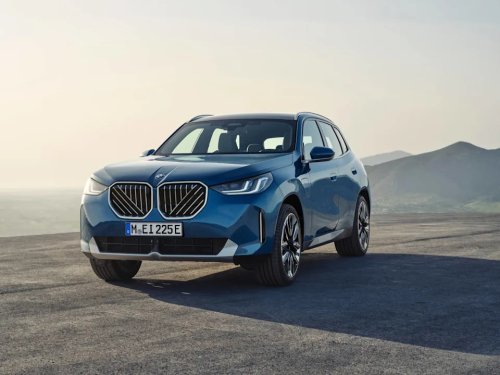
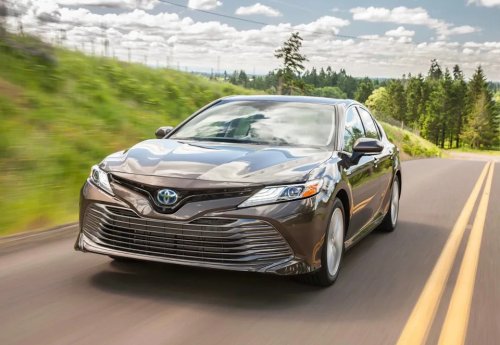
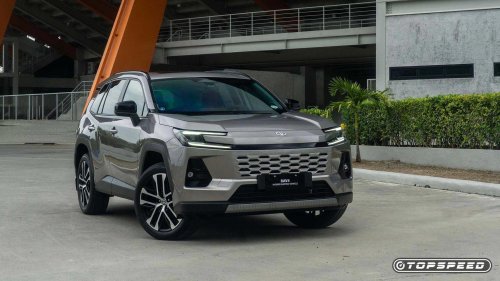
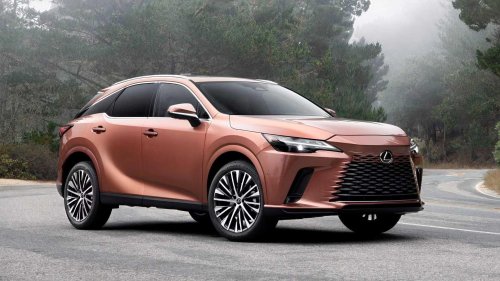
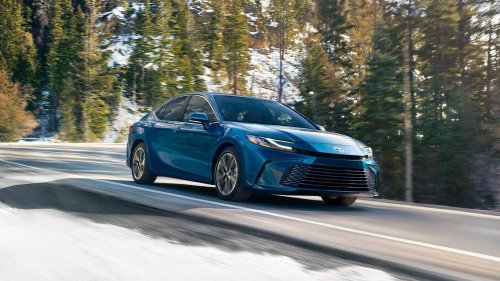
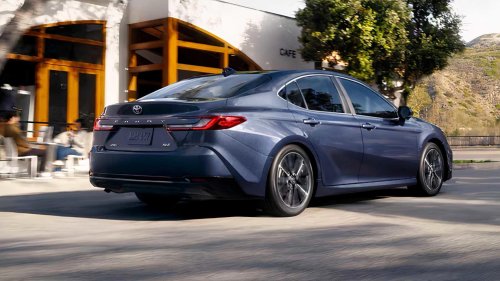
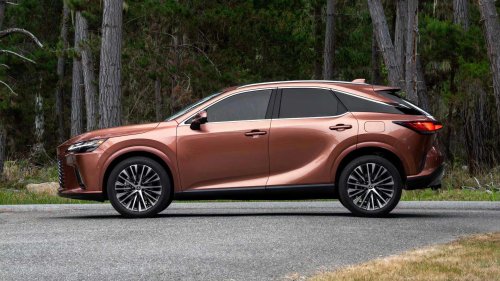
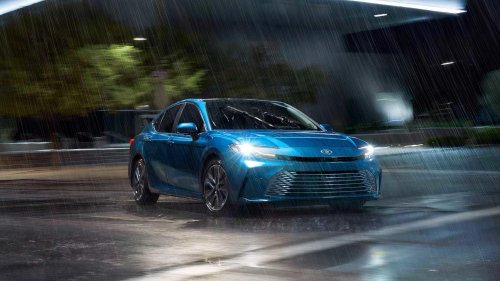
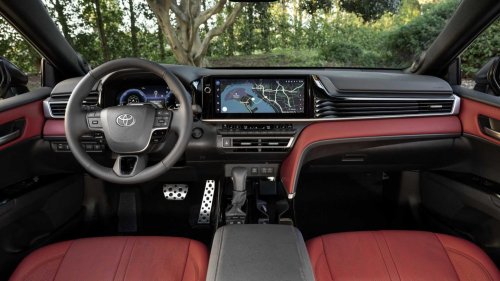
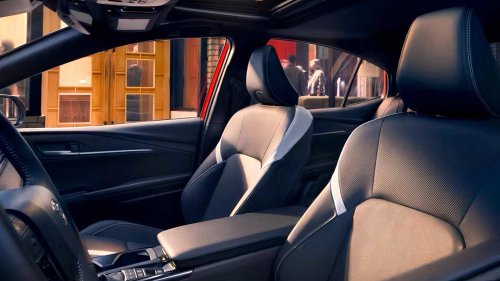
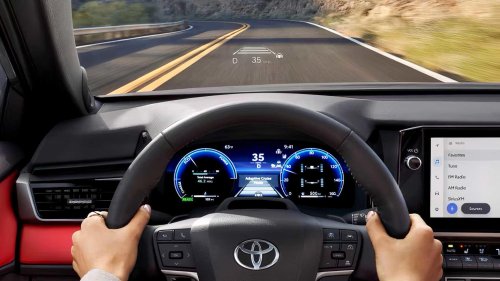
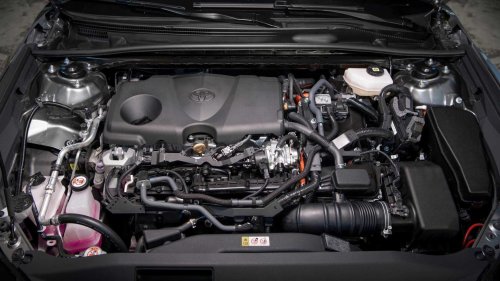
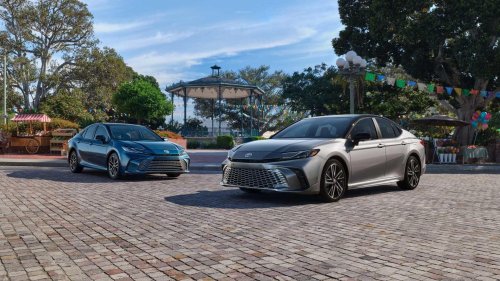
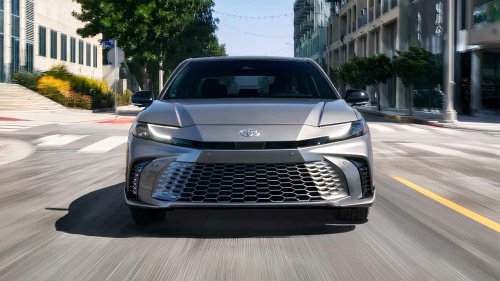
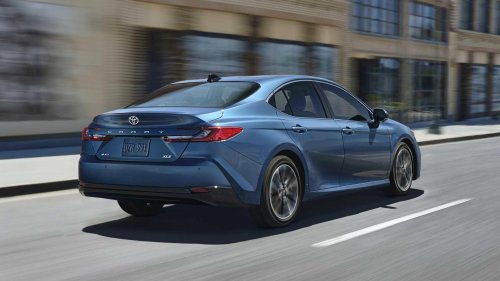
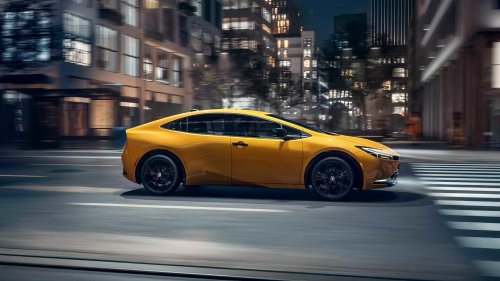
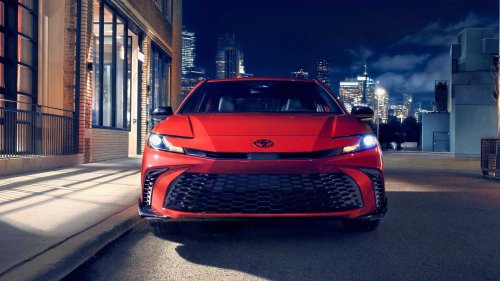
Since Lexus was founded in 1989, it has taken what we love about Toyota and injected real luxury into vehicles that can legitimately be used every day. The lineup of the newly redesigned hybrid ES gets a bigger build, a smoother suspension setup, and comes equipped with a very fine cabin with all the tech you could really need. Then you have Lexus luxury SUVs; models like the GX 550 look good in traffic and make for a plush off-roader.In short, a lot of their models are style and substance in one package. However, Toyota is still pulling ahead in hybrid sales, and it raises the question if Lexus will ever outsell Toyota. It has certainly not happened yet, and there is a Toyota hybrid model, based on the latest year-to-date figures, that has outsold every Lexus hybrid model combined. How Toyota And Lexus Stack Up In Overall Sales ToyotaToyota sales figures show that models badged with Toyota still far outsell Lexus-badged models. We can't say we are surprised; Lexus models are generally more expensive at build than Toyota models, and there are more Toyota models available overall.According to the data, Toyota sold 685,050 models in 2025 YTD and 682,659 models in 2026 YTD. That makes for a slight 0.3 percent decrease in sales year-over-year. Lexus sold 118,217 models in 2025 YTD and 109,139 models in 2026 YTD, making for a 7.7 percent drop in sales. This figure includes cars, SUVs, pickup trucks, and electrified vehicles (including hybrids). The Most-Sold Toyota And Lexus Models In 2025 Isaac Atienza | TopSpeed You probably won't be surprised to hear that the Toyota RAV4 was the best-selling Toyota model in 2025, with a reported 479,288 units sold. It may not be the Toyota SUV with the fastest-growing sales, but sales are still holding strong. This compact SUV has achieved things no other comparable model has, and even the 2025 model is as useful and well-priced as its predecessors.Starting prices in 2025 were just shy of $32,000; you can carry 69.8 cubic feet of stuff around with you; there is a choice of three powertrains that range from a gas engine to a plug-in hybrid powertrain; it is city-friendly thanks to its small footprint, and it is renownedly reliable. Lexus The best-selling Lexus model in 2025 was the 2025 Lexus RX Hybrid SUV, with a reported 43,259 units sold. This may well be far behind RAV4 numbers, but considering that the starting price in 2025 was roughly $51,000, it is commendable. Again, we can see why so many were bought; you get a hybrid powertrain that can achieve 36 combined mpg, the interior is luxe, you get decent cargo space, a 12.3-inch touchscreen is standard fare, and they hold their value very well. The Toyota Camry Hybrid Beats Every Hybrid Model Lexus Offers Toyota Since the RAV4 only went fully hybrid for the 2026 MY, it is the Toyota Camry, which dropped its gas engine option for the 2025 model year, that makes it the Toyota hybrid that outsells all Lexus hybrid models combined in 2025, based on the latest year-to-date sales According to 2025 sales figures, Toyota sold 1,051,397 electrified vehicles, while Lexus sold 131,851; the Camry Hybrid accounted for a significant share of those sales. 2025 And 2026 Sales Figures For The Camry Hybrid Toyota According to Toyota's 2025 sales figures, a total of 316,155 Camry Hybrid models were sold in the U.S.A. This marks a 54.1 percent increase in sales compared to what was sold in 2024 (205,156). To put that into perspective, the RAV4 Hybrid sold just shy of 182,000 models in 2025.According to the latest (April 2026) Toyota sales figures, the Camry Hybrid has also seen a healthy number sold YTD. The report says that 2025 YTD sales were 98,619 models sold, while 2026 YTD sales are higher at 111,664 models sold, making for a 13.2 percent increase in sales volume. The Closest Hybrid Lexus Competitor Lexus The highest-selling Lexus hybrid model in 2025 was the Lexus RX Hybrid, and even with current YTD figures, it is the Camry Hybrid's closest Lexus hybrid competitor. According to the latest figures, Lexus sold 15,590 RX models in 2025 YTD and 16,607 in 2026 YTD. However good these figures are for the RX, they still shine a light on how much more the Camry Hybrid has sold, especially compared to the full YTD electrified sales, which Toyota and Lexus have reported below.2026 YTD Camry Hybrid sales total 111,664, while the whole of the Lexus electrified segment has sold just 47,412 models. That translates to 64,252 more sales, or a 135.5 percent difference in sales alone. In other words, a single Toyota hybrid model far outsells all Lexus hybrid models combined. What You Get From A Toyota Camry HybridToyota The Toyota Camry has been on our roads since 1983, and in that time, Toyota has consistently been improving what we get from it. At its core, the Camry is a mid-sized sedan built for everyday use that is reliable, easy to use, affordable, and cheap to run. We aren't surprised that so many have been sold over the years, with over 13 million sold as of early 2026. For the 2025 and 2026 Camry Hybrid models, that same philosophy is applied, and while some rivals may try to load up their models with things you don't need, Toyota retains the less-is-more thinking with the Camry, and it just works. Affordable Prices, Sensible Styling, And Gear You Actually Need Toyota The 2025 Camry Hybrid had a starting price of just under $30,000 and is available in four grades: the LE, the SE, the XLE, and the XSE, with top-end prices still reasonable at $36,000. The 2026 Camry Hybrid has a starting price of $29,300 and is available as the Camry LE, SE, Nightshade, XLE, and XSE, with the following MSRPs.To put pricing into perspective, the cheapest Lexus hybrid sedan you can buy this year is the 2026 Lexus ES, which will likely hit the showrooms in June this year with a starting price of just under $51,000. Just because Camry Hybrid prices are lower, though, doesn't mean you don't get everything you need. The base LE trim gets an eight-inch Toyota Audio Multimedia touchscreen with Apple CarPlay and Android Auto, physical switchgear for climate controls, and a well-thought-out layout that makes everything easy to use. Upholstery is cloth, but the materials are durable and chosen for longevity over flashiness.ToyotaThe SE and Nightshade trims are more stylish, with the same touchscreen used, but SofTex-trimmed seats, contrast stitching, and a more sculpted dashboard design all take center stage. The XLE and XSE trims are the most well-equipped, with a 12.3-inch central touchscreen and 12.3-inch digital instrument cluster included; available leather and Dinamica microfiber for the seats and dash surfaces, ambient lighting, and more sound insulation are also equipped to give more expensive luxury sedans a good run for their money.Where the new Camry Hybrid also stands out is how useful it is to own. It is not the biggest sedan on earth, measuring in at 193.5 inches in length by 72.4 inches in width, but despite this, you still get a good amount of space for you, passengers, and cargo while still having a sedan small enough for relatively easy city use. The 2026 Camry Hybrid has the following interior space. Safety Features, High Reliability, And A Fuel-Efficient Hybrid Powertrain Toyota Safety features in a Camry have always been one of its strengths, and this year's iteration is no different. Every new Camry Hybrid comes equipped with Toyota Safety Sense 3.0. That means you get a Pre-Collision System with pedestrian detection, Full-Speed Range Dynamic Radar Cruise Control, Lane Departure Alert with Steering Assist, Lane Tracing Assist, Automatic High Beams, and Blind Spot Monitor with Rear Cross-Traffic Alert, all as standard.It is truly kitted out for safe driving, and it is this dedication to passenger safety that has earned the Camry an IIHS Top Safety Pick+ award, and made it a true giant in the mid-sized sedan segment. Then you have its reliability record; according to RepairPal, the Camry has a reliability rating of 4 out of 5, and a low annual maintenance bill of just $388, making it the third most reliable mid-sized car they monitor and much cheaper to maintain than the average mid-sized car ($526 per year).Toyota On top of the stellar safety and reliability records, one of the main pulls of the new Camry Hybrid is how fuel-efficient it is. There is just one powertrain option, but what it lacks in outright speed and power, it certainly makes up for in high fuel efficiency and low fueling costs.Front-wheel drive is standard fare for the Camry Hybrid, but all trims are available with electronic on-demand AWD for an extra $1,500 or so. The FWD models are good for 225 horsepower, while the AWD models benefit from the slightly perkier 232 horsepower. 0–60 mph times can take up to 7.1 seconds, and while that is not lightning quick, it is enough for joining a highway easily.The real selling point here, though, is fuel economy. According to FuelEconomy.gov, the most fuel-efficient 2026 Camry Hybrid is the FWD base trim, which can achieve 51 combined mpg (52 mpg city/49 mpg highway) and give you an average tank range of 663 miles.ToyotaThe AWD LE can achieve 50 combined mpg; the mid-range SE and XLE models can achieve 46 combined mpg (47 mpg city/45 mpg highway), and even the top-tier AWD XSE can achieve 43 combined mpg (43 city/43 highway). For the full 2026 Camry lineup, this is estimated to cost you between $1,150 and $1,400 a year for gas. The Reign Of The Camry Hybrid May ContinueToyotaUnless something catastrophic happens, we don't see the dominance of the Camry Hybrid ending anytime soon. It is well-priced, it has a very frugal powertrain under the hood, it is renownedly dependable, and it works as it should. Yes, it is not the flashiest sedan on the market, and Lexus does turn out some exceptional levels of plushness in everything from their SUVs to sports cars, but if you don't need it, you just don't need it. We have already seen a jump in Camry Hybrid sales in 2026, and because there is a need at the moment to save money on things like gas and garage bills, there aren't many better mid-sized sedans that balance everyday driving with low costs, decent levels of comfort, and usability better than a Camry.Toyota There is hot competition from the likes of the Nissan Altima and Hyundai Sonata in the mainstream segment, but with an overall J.D. Power rating of 82 out of 100, which only slightly trails the Sonata and Altima (83 and 84 out of 100, respectively), ever-improving tech, and years of trust behind it, it is likely to stay a mainstay in the Toyota hybrid sedan segment. How The Sales Battle Between Toyota And Lexus Hybrid Models Will Likely Play Out 2026 Toyota Prius profile action shot driving through cityThe Camry Hybrid's success in sales isn't built on hype; it is built on high volume, affordable pricing, and accessibility. It is the kind of sedan that sits in a sweet spot of affordability for mainstream buyers, but still feels modern, efficient, and well-equipped enough that we don't feel like we are settling.That's why it continues, and is likely to carry on, pulling ahead of Lexus hybrids in overall sales. Lexus plays a different game entirely; models like the new ES Hybrid or RX Hybrid are more centered around comfort, prestige, and refinement, so that naturally limits their sales because of higher starting prices and a more premium position. While we have seen a recent year-on-year jump in RX Hybrid sales, which says a lot about it, it is never likely to ever equal what the Camry Hybrid sells.Toyota Toyota hybrid models have spent years appealing to the core of the market, from commuters, families, fleet buyers, and anyone who is trying to cut running costs without losing out on reliability. Even if Lexus makes things cheaper and shifts dramatically below its luxury standing, it would risk diluting what they are made for: relatively affordable yet reliable luxury.This is why Toyota hybrid models are always likely to sell more than Lexus hybrid models; they have a broader target and far more accessible price points, while still offering most things that matter to most drivers: reliability, fuel efficiency, and versatility.Sources: Toyota, Lexus, J.D. Power, FuelEconomy.gov, Kelley Blue Book, IIHS



















 +41 others