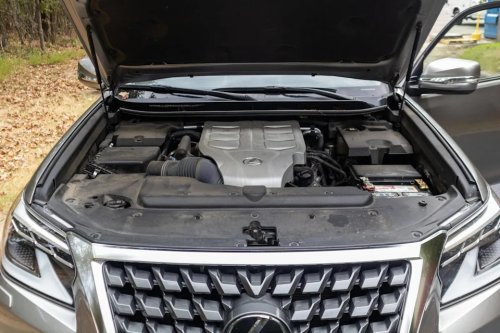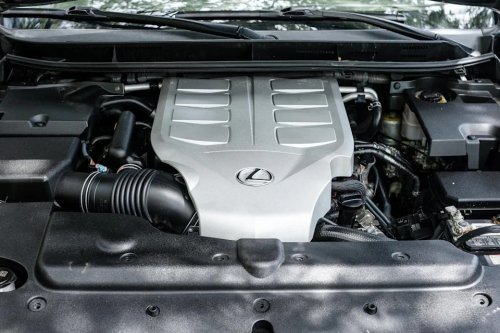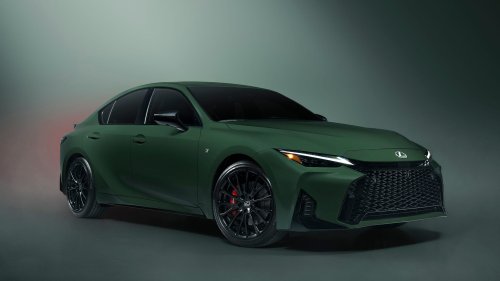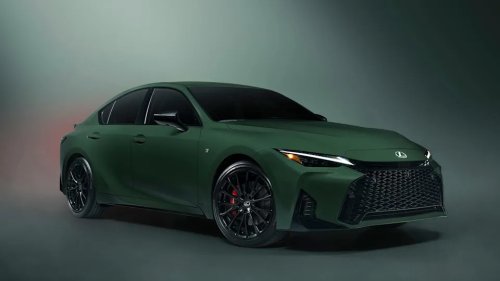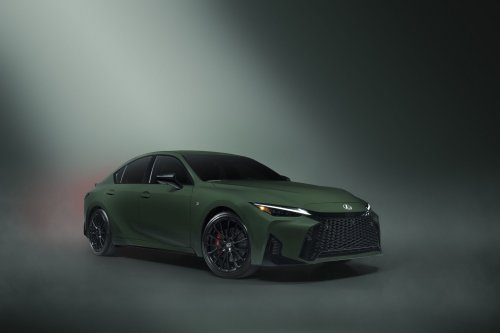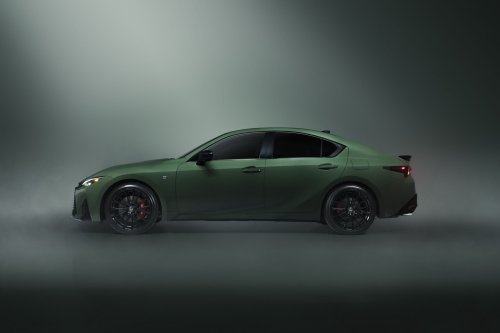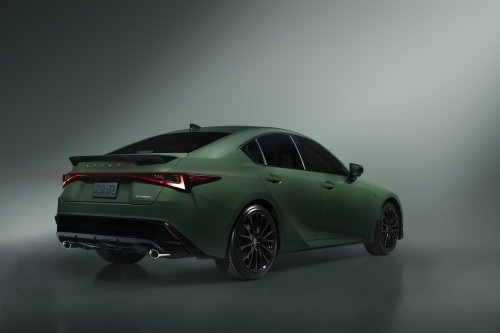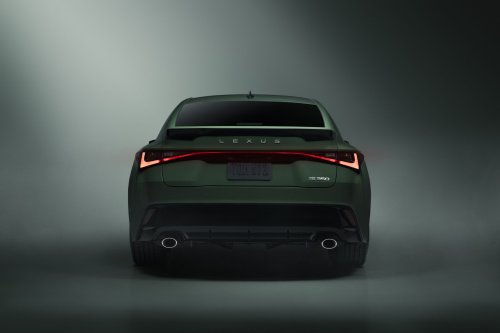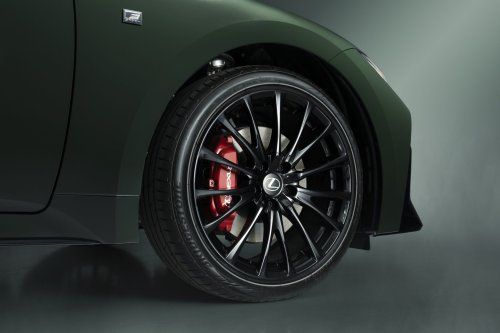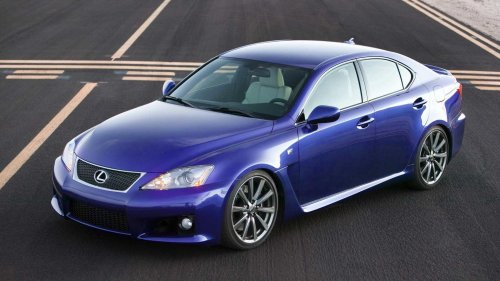
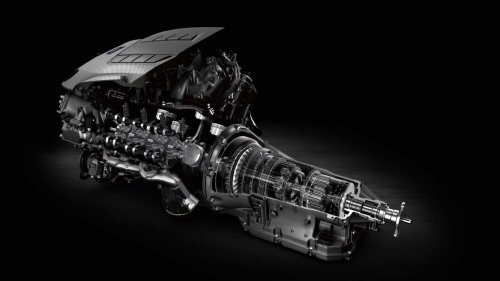
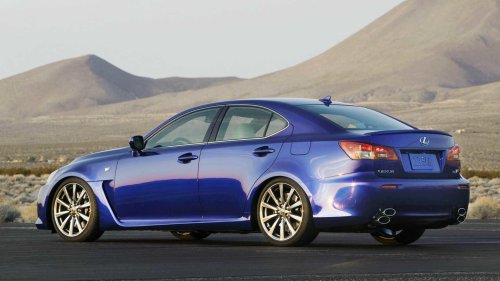
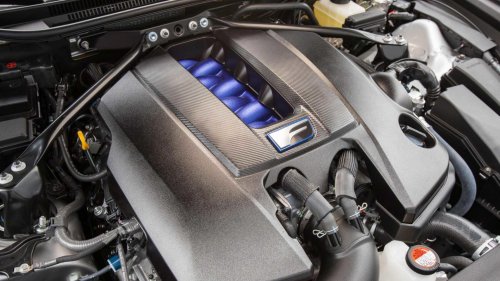
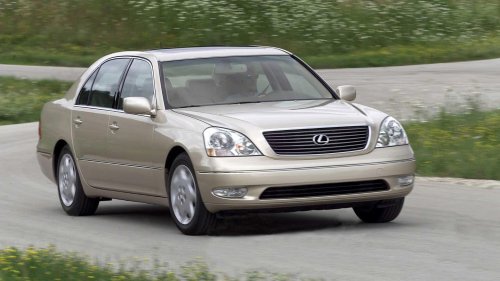
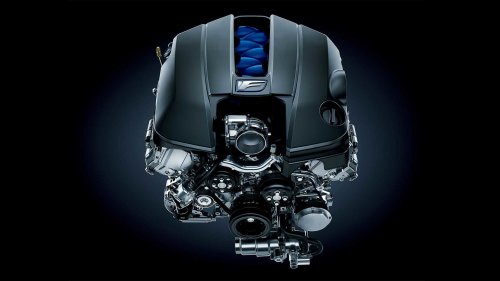
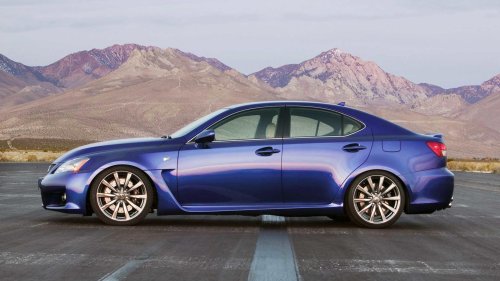
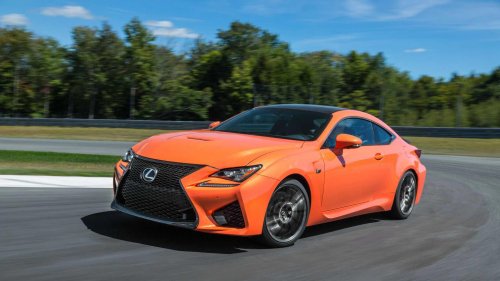
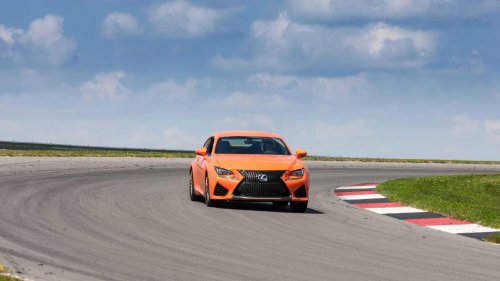
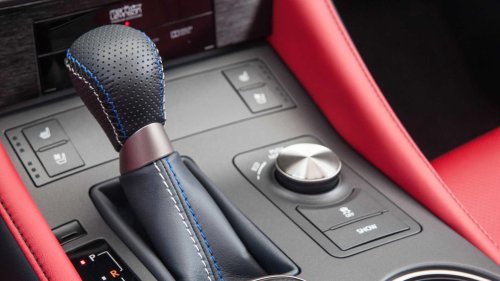



















In 2008, Lexus began launching a series of F-branded cars, starting with the legendary Lexus IS-F. The intention was to bring a great big shot of adrenaline to a brand normally shopped by folks after bulletproof reliability and smooth, low-friction luxury. In this era, high-performing competitors like the Audi RS5, BMW M3, and Ford Mustang were in their naturally aspirated glory days, and screaming V8 engines with a lot of revs were all the rage.Lexus To compete in this scene, Lexus needed a V8 engine that was exciting. Trouble was, at the time, their only V8 engines were more focused on strong fuel economy, low emissions, liquid smoothness, and near-noiseless operation.With no shortage of help from the master tuners at Yamaha, the resulting all-motor 5.0-liter V8 would become a signature piece of the Lexus brand for years to come, as multiple competitors rushed to turbocharged power.This is the story of how the technological gene pools of two Japanese titans came together to transform a surprisingly durable luxury engine into one of the best high-performance V8 engines ever built, all while delivering the sort of 200,000-mile durability owners expected. Yamaha’s Input Helped Lexus’ Durability Shine On The Racetrack LexusThe UZ-series V8’s successor was the UR-series V8, which retained the same quad-cam, 32-valve layout as the original but added advanced technologies like electronically controlled valve timing and integration for hybrid assistance.The UZ-series V8 arrived first in 2006. Two years later, the high-performance 5-liter version made a dramatic entry to the market. This race-ready configuration was enhanced by Yamaha, and would make its debut under the hood of a new model called the IS-F, the first in a range of models to follow from Lexus’ newly minted “F” brand.LexusAccording to Yamaha, the new 2UR-GSE was based on the 1UR-GSE and 2UR-FSE engines from the Lexus LS, themselves engineered to balance low fuel consumption and clean exhaust emissions with high output. The 2UR-GSE was instead developed specifically for the IS F at the time.Three sensory performance elements were identified as focuses for development: an endless feel of power, fast response, and a killer soundtrack. Displacement was increased from 4.6 to 5.0 liters to the benefit of the power curve, and specifically, the rich flow of torque towards high revs. Output increased to 416 hp.A dual "D-4S" fuel injection system and electric variable valve timing were deployed to balance emissions standards and fuel economy, clearing the North American Gas Guzzler tax at the time. Yamaha also worked their magic on the intake system. The intake ports were revised to an oval shape, with both runners and fuel injectors positioned for minimal loss of airflow. The result was an 11 percent increase in airflow.Toyota Titanium intake valves were specified for a 40 percent weight reduction versus conventional valves, working with fixed pivots to increase valvetrain rigidity and allow for higher engine speeds and valve lift. The icing on the cake was a compacted intake system designed using fluid dynamics analysis. The shortened intake tracts helped slash the time required for the engine to respond to throttle inputs, allowing engineers to program the driveline for 0.1-second upshifts from the 8-speed automatic.This sharpened response made the IS F feel unusually alert for a luxury sedan, giving drivers a powertrain that reacted with sports‑car immediacy rather than traditional Lexus smoothness.On durability-specific upgrades, the oiling system was dialed up to include a scavenge pump acting on each cylinder bank to "forcibly recover oil from the heads during high-speed cornering", while a new liquid-cooled oil cooler helped keep vital fluid temperatures down. It Started With Good Bones LexusBy the time the Lexus IS-F rolled around in 2008, Lexus was already well known for building some of the most durable and reliable V8 engines on the road. Their technological and engineering knowledge base at the time included decades of careful optimization of a range of V8 engines that would serve under the hoods of flagship luxury sedans, race cars, sports cars, and some of the most dependable SUVs on the road.A 2021 article by Joe Clifford in Lexus UK magazine helps set the stage. The article notes that the engineering and development teams behind the first-generation Lexus LS flagship also needed to create a new flagship engine for the job...“ In addition to understanding the broad characteristics that were desirable in this category, very specific performance targets were set out. In order to be successful, the LS 400 had to be faster, more efficient, quieter, more aerodynamic and lighter than its direct competition – cars that were already at the top of their class.” – Lexus UK Magazine, 2021Cars & BidsThe result was the iconic UZ-series V8 engine, described as an all-alloy masterpiece with "more than a passing resemblance to a race engine". Specifically, the UZ-series V8 was incredibly rigid, had excellent crankshaft support, and a very strong bottom end.With high precision machining and a level of strength and thermal management typically seen in extreme-performance motorsports applications, the bones of Lexus’ initial V8 range were remarkably strong. Those fundamentals gave engineers the headroom to push performance boundaries later, ensuring the 2UR‑GSE could handle higher revs, greater heat, and sustained racetrack use. The RC-F Brought Lexus’ 5-Liter V8 To New Territory In 2015 ToyotaIn 2015, the Lexus IS F and its Yamaha-enhanced engine had been established for seven years. The RC was the next model to get the F treatment, with 467 hp from a tweaked new version of the 2UR-GSE. Specifically, improvements to power output versus the earlier 414-hp version came from a 10-percent increase to throttle body diameter, a new fuel injection system, a new intake camshaft with revised programming logic, new exhaust headers, and a one-way alternator pulley clutch that could decouple the component from the engine’s accessory drive at full throttle, ensuring more power made it to the road.Additional hardware and software enhancements, including an "Expert" drive mode and driver-selectable torque-vectoring rear axle helped make the RC-F even more agile and customizable. Other Factors Affect Reliability, Too LexusIf you’re wondering how else the 2UR-GSE earned such a strong reputation for durability, consider the following factors as well. First, this was a performance-only engine variation not intended for mainstream use. Its creators knew it would find plenty of action in racing applications, and they didn’t need to make any compromises for mass-market use. Durability could be a top focus of the engineers, who were working on an already-proven platform.Second, high-performance engines and vehicles typically have more rigorous servicing and inspection requirements because they’re exposed to higher levels of heat and stress. This is meant to help owners experience the same level of dependability as non-performance models, which are much easier on their fluids, belts, and coolant systems.Lexus Many Lexus owners choose to service their models religiously in a dealer setting to maintain like-new dependability. Owners of cars powered by the 2UR-GSE engine are more likely to participate in motorsports, and these drivers tend to be pretty serious about the sort of regular maintenance and fluid changes that can keep a high-performance engine like this one growling for the long haul.Lexus Finally, note that this was, at its core, a relatively simple engine. Sure: it was a highly advanced and precision-optimized version of what was once one of the most high-tech V8 engines on the road. But on the hardware side, there was no forced induction to add additional heat, weight, or complexity. The quad-cam layout with variable timing was among the most advanced systems of its kind, though automakers had mastered and debugged this setup decades earlier. With both port and direct injection acting on the same cylinders, the risk of long-term valve gunk associated with some GDI-only engines is mitigated, too.Lexus By combining proven strength and structure know-how with highly optimized versions of proven performance systems, Lexus and Yamaha left their mark on the industry with one of the most celebrated V8 engines of all time.Sources: Lexus, Yamaha