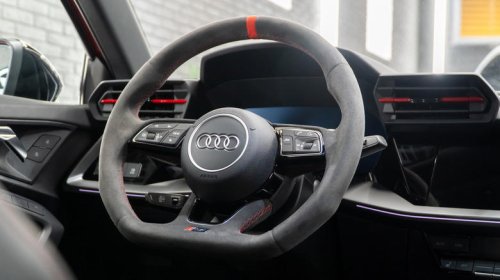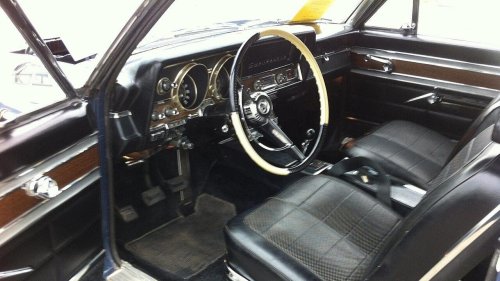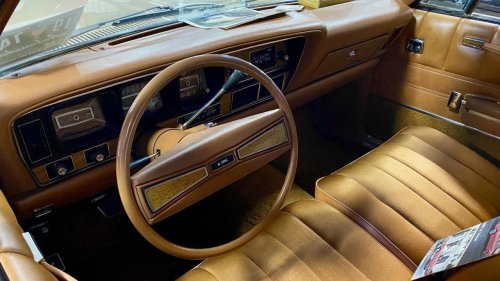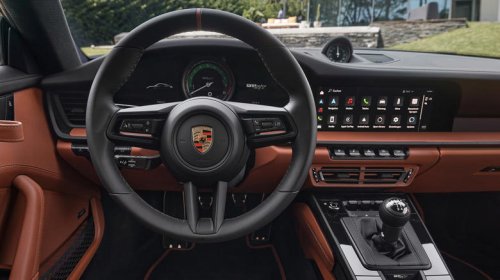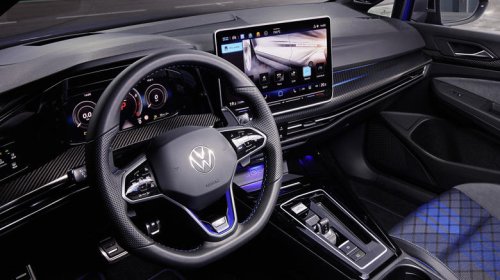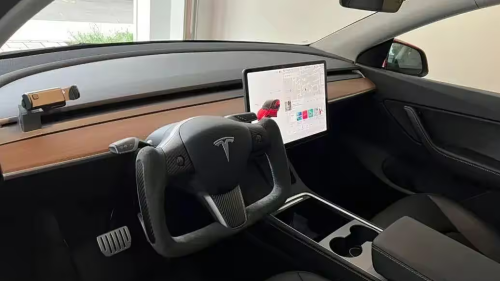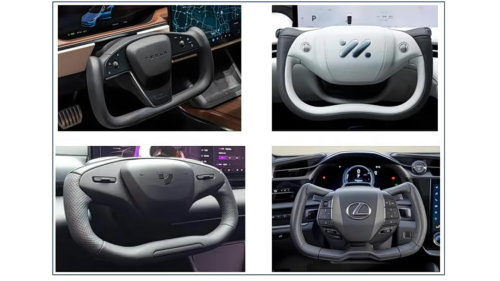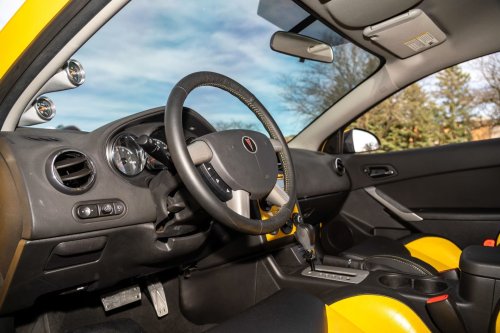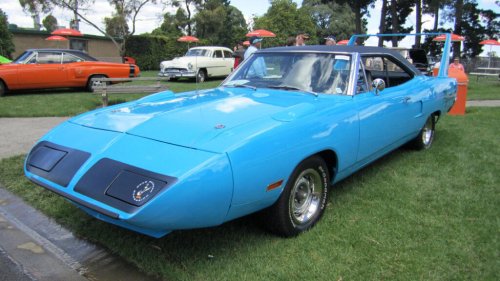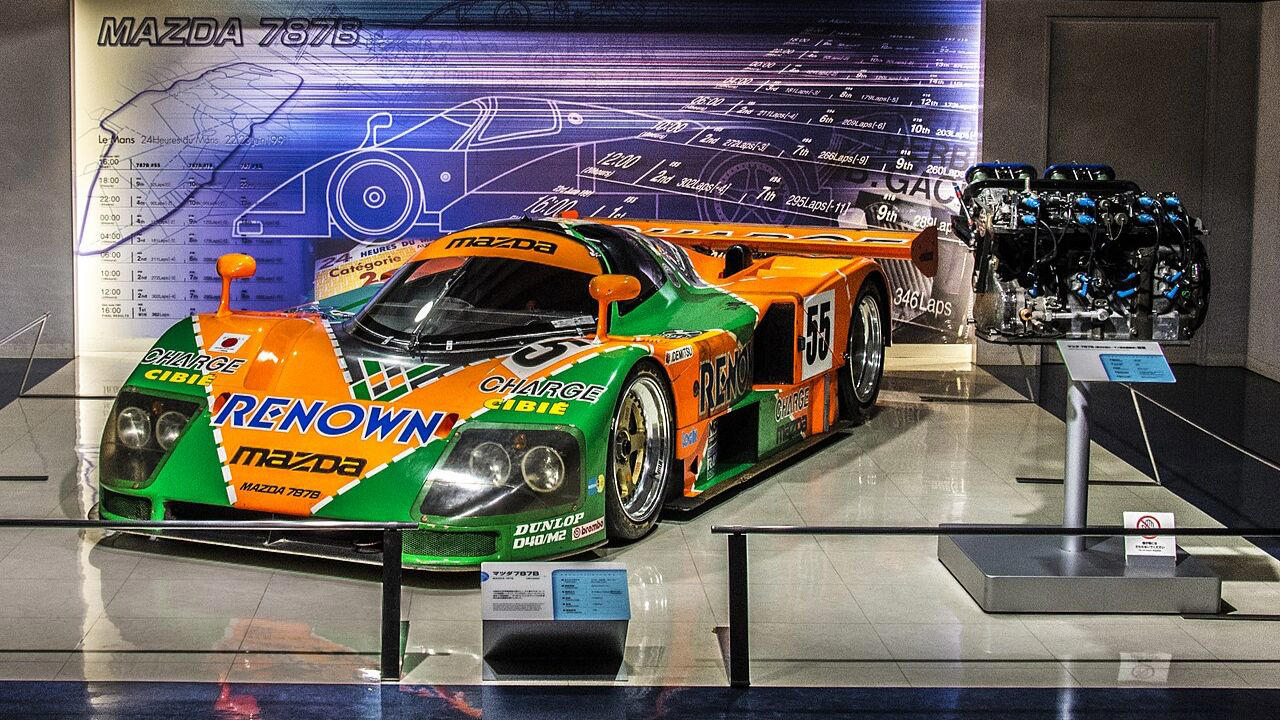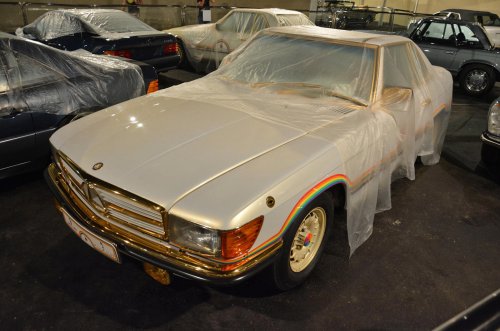
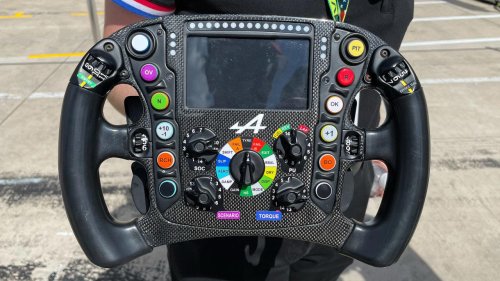

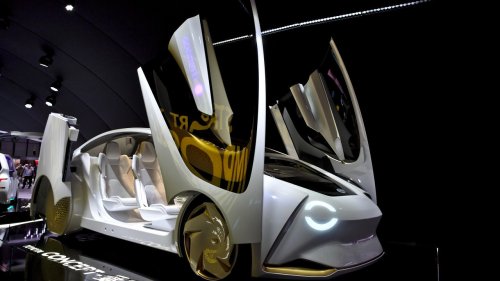

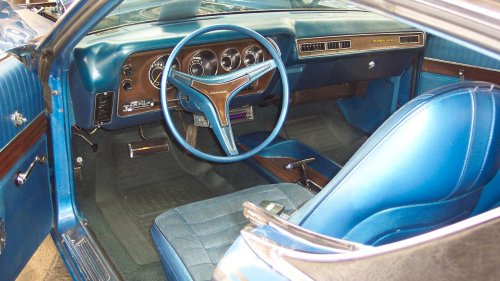
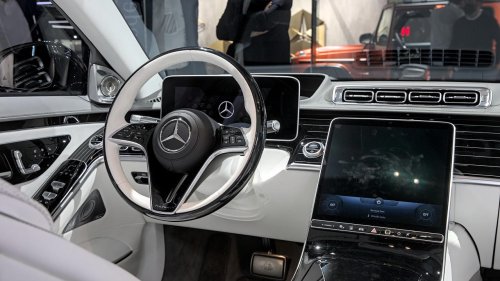
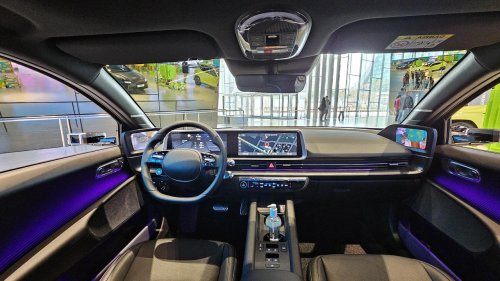
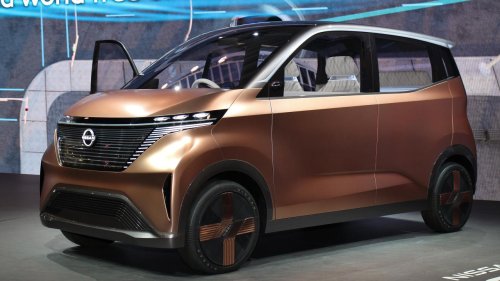
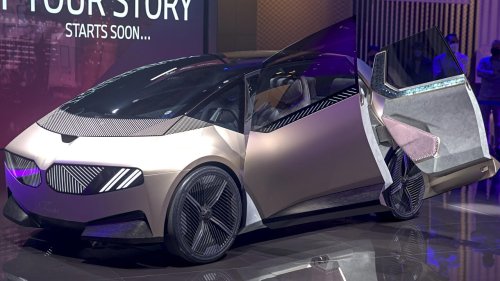



















In the world of automotive design, the steering wheel is often overlooked as an area for innovation and creativity. Yet, throughout history, manufacturers have occasionally taken bold steps to redefine this essential control interface. From unconventional shapes to advanced technology integrations, these steering wheels stand out for their uniqueness and, at times, their strangeness. The Yoke Steering Wheel Phenomenon Tesla’s Bold Move with the Yoke Image Credit: Tony Webster, via Wikimedia Commons, CC BY 2.0 When Tesla launched the Model S Plaid in 2021, it wasn’t just the car’s speed and performance that caught everyone’s attention. The introduction of a yoke-style steering wheel was both revolutionary and polarizing. This unconventional design replaced the traditional round steering wheel, offering a more futuristic, albeit controversial, driving experience. The yoke design, inspired by aviation and motorsports, eliminated the upper portion of the wheel, which some drivers found challenging during everyday maneuvers like U-turns and parallel parking. Despite the criticism, Tesla’s decision signaled a bold move towards redefining the steering interface, pushing the boundaries of what drivers expect in their vehicles. Historical Precedents of the Yoke Design Image Credit: Declan M Martin, via Wikimedia Commons, Public domain While Tesla’s yoke steering wheel was a groundbreaking move in the automotive world, the concept wasn’t entirely new. Yoke-style designs have long been prevalent in aviation and motorsports, where precise control is paramount. Airplanes have used yoke controls for decades, and certain motorsport vehicles have adopted similar designs to facilitate better grip and control. These precedents not only influenced Tesla but also paved the way for other manufacturers to explore non-traditional steering solutions. Concept Cars and Their Wild Steering Wheel Designs The Audi Q3 PHEV’s Unique Steering Column Image Credit: Rutger van der Maar from Leiden, The Netherlands, via Wikimedia Commons, CC BY 2.0 Concept cars often serve as laboratories for testing new ideas, and the Audi Q3 PHEV is no exception. Unveiled in Europe, this hybrid vehicle featured a steering column that deviated from the norm. The design aimed to enhance driver interaction with the vehicle’s controls, integrating touch-sensitive panels and a minimalist aesthetic. While some praised its innovative approach, others found it too radical for mainstream adoption. Regardless of public opinion, the Audi Q3 PHEV exemplifies how concept cars push the boundaries of traditional design, influencing future models. Radical Designs from Car Shows Image Credit: Alexander Migl, via Wikimedia Commons, CC BY-SA 4.0 Car shows often showcase some of the most imaginative steering wheel designs, with manufacturers using them as a platform to display their visions for the future. From transparent wheels embedded with digital displays to those with integrated biometric sensors, these designs highlight the potential for steering wheels to become more than just directional controls. For example, some concept cars have featured wheels that can retract into the dashboard when the vehicle is in autonomous mode, emphasizing a shift towards a more integrated and technology-driven driving experience. Retro Futurism and Vintage Oddities The Astonishing Steering Wheels of the 1950s and ’60s Image Credit: Greg Gjerdingen from Willmar, USA, via Wikimedia Commons, CC BY 2.0 The mid-20th century was a time of bold experimentation in automotive design, with manufacturers pushing the envelope to create futuristic and avant-garde vehicles. Steering wheels were no exception to this trend. During the 1950s and ’60s, some cars featured steering wheels with unusual shapes, such as square or oval designs, and multifunctional features like integrated buttons and levers. These wheels were not only a testament to the creativity of the era but also a reflection of the technological optimism that defined the period. The Role of Steering Wheels in the Space Age Image Credit: sv1ambo, via Wikimedia Commons, CC BY 2.0 The space race of the 1960s and 1970s had a profound influence on automotive design, inspiring a wave of futuristic aesthetics. Steering wheels from this era often incorporated space-age elements, such as chrome accents, space shuttle-inspired shapes, and even thematic motifs. This period saw the emergence of some of the most memorable and distinctive steering wheel designs, as manufacturers sought to capture the spirit of exploration and innovation that characterized the era. The influence of this period can still be seen in some retro-inspired models today, where vintage oddities have made a comeback in modern reinterpretations. The Intersection of Technology and Steering Wheel Innovation Integrating Touch and Gesture Controls Image Credit: Alexander Migl, via Wikimedia Commons, CC BY-SA 4.0 As technology continues to advance, steering wheels have evolved to incorporate features that were once the realm of science fiction. Modern vehicles now offer steering wheels with touch-sensitive controls that allow drivers to manage various functions without taking their hands off the wheel. Gesture recognition technology has also made its way into some models, enabling drivers to control infotainment systems with simple hand movements. While these innovations enhance the driving experience, they also present challenges, such as ensuring safety and preventing accidental activations, which manufacturers continue to address. Digital Displays and Customization Options Image Credit: Damian B Oh, via Wikimedia Commons, CC BY-SA 4.0 The integration of digital displays within steering wheels represents another leap forward in automotive technology. These displays offer drivers the ability to customize their driving experience, providing real-time information such as speed, navigation, and vehicle diagnostics directly within their line of sight. This level of integration allows for a more streamlined and personalized driving experience, aligning with the modern driver’s expectations for connectivity and convenience. As technology progresses, the potential for even more advanced features, such as augmented reality displays, becomes increasingly feasible. The Future of Steering Wheels: What’s Next? Autonomous Vehicles and the Evolution of Control Interfaces Image Credit: TTTNIS, via Wikimedia Commons, CC0 The rise of autonomous vehicles presents a significant shift in the role of the steering wheel. As vehicles become increasingly capable of self-driving, the need for traditional steering controls may diminish, leading to new designs or even the elimination of the steering wheel altogether. This transformation will have considerable implications for driver interaction, requiring a reimagining of the control interfaces to accommodate both manual and autonomous driving modes. Manufacturers are already exploring concepts that allow for seamless transitions between these modes, ensuring that drivers remain engaged and comfortable, regardless of the level of autonomy. Sustainability and Materials Innovation Image Credit: Alexander Migl, via Wikimedia Commons, CC BY-SA 4.0 As the automotive industry places a greater emphasis on sustainability, steering wheel design is also evolving to incorporate eco-friendly materials and processes. Manufacturers are experimenting with sustainable materials, such as recycled plastics, natural fibers, and bio-based composites, to create steering wheels that are not only innovative but also environmentally responsible. This focus on sustainability is likely to influence future designs, leading to unexpected and creative solutions that align with the growing demand for greener vehicles. Like Fast Lane Only’s content? Be sure to follow us. Here’s more from us: Unboxing the WWII Jeep in a Crate The Fastest Farm Truck Ever Built *Created with AI assistance and editor review.