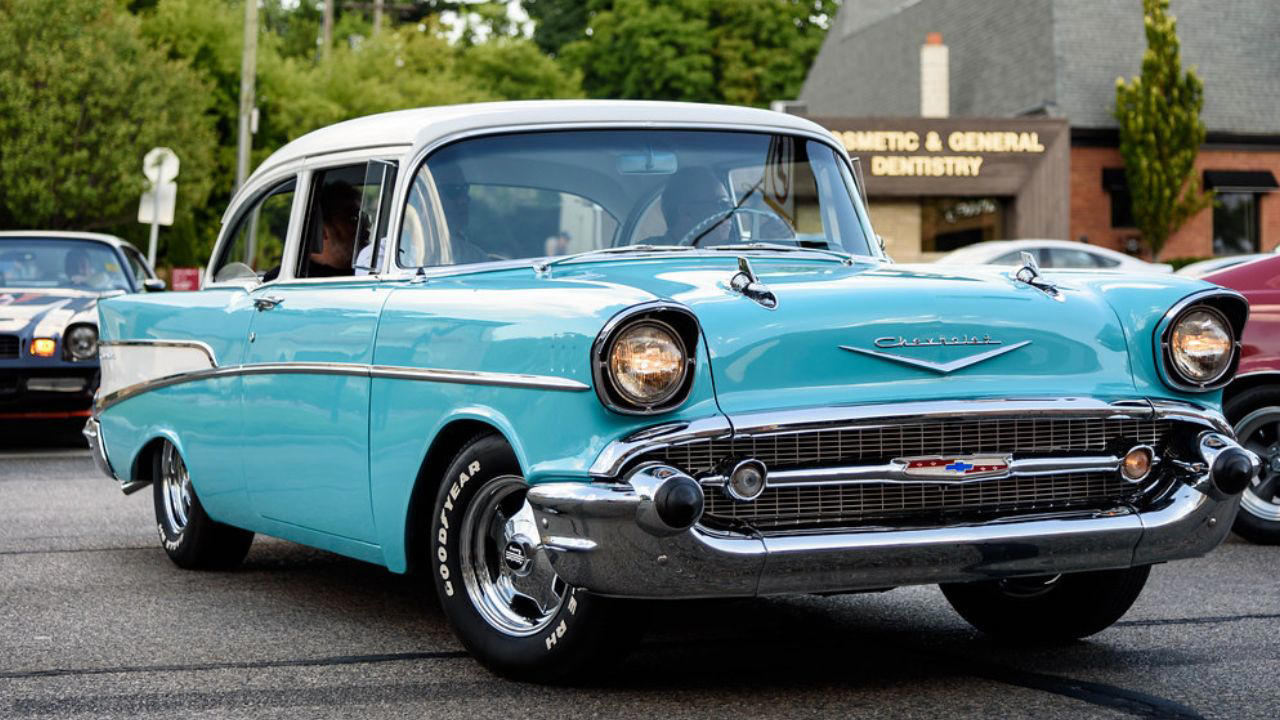
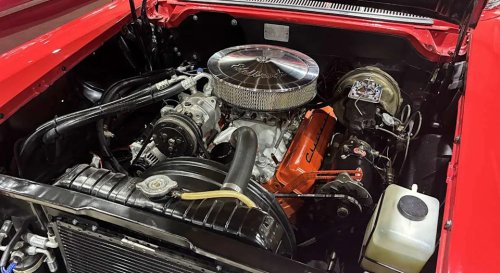
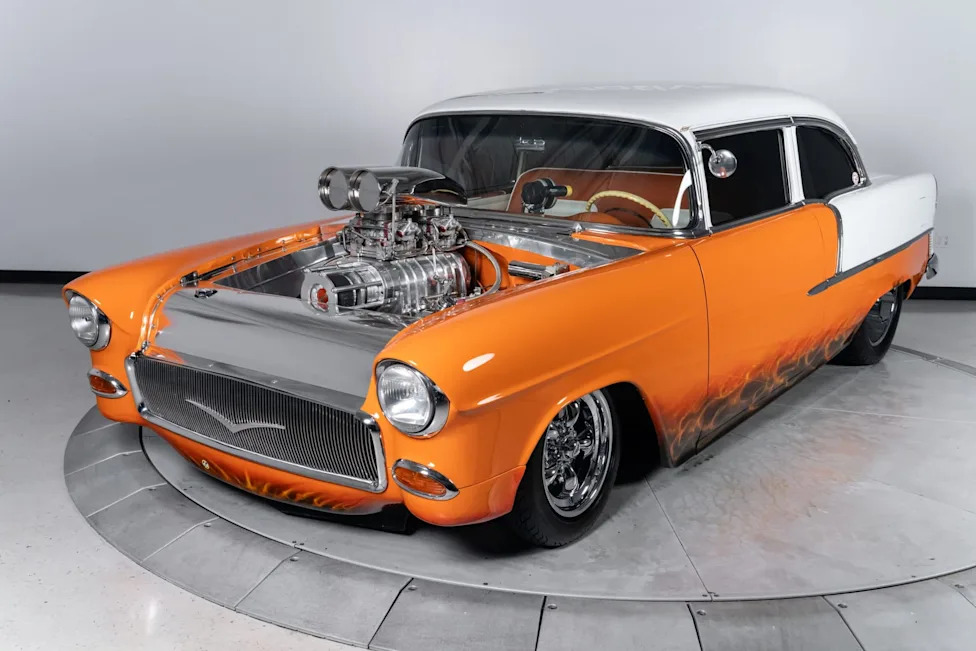
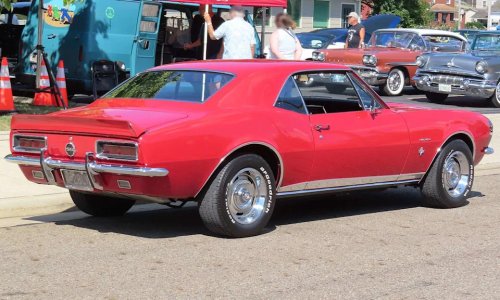
When the 1957 Chevrolet 210 offered performance without flashThe 1957 Chevrolet 210 sat in a sweet spot that many enthusiasts still admire: the performance and presence of a classic Tri-Five Chevy without the glittering excess of the Bel Air. Positioned between the no-frills 150 and the upscale Bel Air, it delivered serious hardware in a package that signaled restraint rather than status. That balance of power, practicality, and subtle style is why the 210 continues to attract drivers who want muscle without too much flash. The middle child of the 1957 Chevrolet lineup The 1957 Chevrolet range was organized into three main series: Bel Air at the top, 210 in the middle, and 150 at the entry level. The 1957 Chevrolet 210 was explicitly marketed as the mid-level trim, aimed at buyers who wanted more comfort and style than the 150 provided but who did not need the full luxury treatment of the Bel Air. Contemporary descriptions of the lineup present the Bel Air as the upscale and most recognizable series, the 210 as the mid-range line, and the 150 as the most basic offering. This structure framed the 210 as a pragmatic choice. It shared the same basic body as the Bel Air, so it carried the unmistakable Tri-Five silhouette that enthusiasts associate with a classic 57 Chevy. Yet it avoided the premium pricing and ornate detailing that defined the flagship. Owners could enjoy the look and proportions of a 57 without committing to the top-tier price tag or the social statement that came with the Bel Air nameplate. Styling that favored subtlety over spectacle Visually, the 210 delivered a cleaner, more understated version of the 1957 Chevrolet look. Enthusiasts often describe it as offering the perfect balance between the simplicity of the 150 and the flash of the Bel Air, with clean lines and restrained trim. The famous tailfins and overall body shape were present, yet the car skipped some of the more exuberant touches that made the Bel Air an icon of chrome and ornament. One of the clearest distinctions involved exterior brightwork. Bel Air models carried signature gold-colored trim and badging that instantly signaled their status. Chrome use was heavier, from side moldings to grille accents, and the gold elements reinforced the image of the Bel Air as a symbol of America’s golden age of motoring. In contrast, the 210 used simpler chrome arrangements and more modest badging, which gave the car a purposeful character rather than a showpiece appearance. Owners and historians also point out that certain decorative elements were reserved for higher trims. Discussions among restorers note that, to their knowledge, there was never a 57 Chevrolet 210 or 150 that left the factory with the same premium trim treatments that were standard on the Bel Air. Different seat covers, door panel patterns, and flooring materials further separated the cabins. The 210 interior aimed for durability and comfort, while the Bel Air leaned into style and ornament. Shared bones, shared strength Although the 210 lacked some of the Bel Air’s visual drama, it did not compromise on basic construction. Reports on the 1957 Chevrolet lineup emphasize that the 210 shared the same fundamental body shell as the Bel Air, with similar quality materials and structural integrity. Enthusiasts stress that, despite the lower price, the 210 was just as durable as its more glamorous sibling. This shared foundation meant that the 210 delivered the same road presence and proportions that made the 1957 Chevrolet an icon. The differences were largely in the level of trim and interior appointments, not in the underlying engineering. For buyers who cared more about longevity and driving feel than about gold badges, the mid-range model represented a rational path into Tri-Five ownership. Performance options that matched the big names Where the 1957 Chevrolet 210 truly blurred the line between modest and muscular was under the hood. Contemporary accounts and enthusiast recollections highlight that the 210 could be ordered with a wide range of engines, from a humble six-cylinder to serious small-block V8s. Performance options included the notable 283 cubic-inch V8, which became one of the defining powerplants of the era. Accounts of period cars emphasize that buyers could specify their 210 with anything from basic transportation power to the mighty 283. Discussions of performance options for the model describe how the top engines turned the car into a genuine performer, capable of keeping pace with or even out-running better-known Bel Airs that carried the same displacement. In practice, that meant a driver could enjoy the same acceleration and highway speed as the flagship while paying less for the car and attracting less attention at the curb. Importantly, sources that compare the 210 and Bel Air stress that the two shared engine availability. One enthusiast summary puts it plainly: everyone wants the Bel Air, but the 210 had the same body and the same engine options. That parity undercuts any assumption that the mid-level car was mechanically second-class. For drivers who valued what happened when the light turned green more than what shone on the fenders, the 210 was an appealing choice. Black Widow heritage and racing credibility The performance reputation of the 1957 Chevrolet family also benefited from factory-backed racing efforts. Enthusiast discussions of the 1957 Chevrolet Black Widow describe it as a race car built from the same basic platform, created for competition, and remembered for its success. While the Black Widow itself was a specialized machine, its existence reinforced the idea that the 57 Chevrolet chassis and powertrains were capable of high speed. For fans of the 210, that heritage matters. It frames the mid-range sedan and coupe not as simple family cars but as close relatives of a factory-supported racer. The connection helps explain why some owners build 210s into performance-focused street machines, drawing on the same engine families and suspension layouts that underpinned the Black Widow effort. Even in stock form, the availability of the 283 cubic-inch V8 and other strong engines gave the 210 genuine performance credentials. Value, rarity, and the appeal of understatement Period marketing and modern commentary converge on a consistent theme: the 1957 Chevrolet 210 delivered 57 style without the top-tier price tag. Enthusiast writers describe it as more than just a Bel Air’s sibling, noting that many people think first of the 57 Chevy Bel Air, yet the 210 appeals to those who want the classic look with a slightly more understated style. That positioning has aged well as collectors reassess what matters in a historic car. Modern enthusiasts point out that the 210 was accessible to a wide range of buyers when new, which helped spread the 57 Chevrolet image beyond the most affluent households. At the same time, some sources now describe the 210 as a rare machine in the collector market, because many examples were used hard as everyday transportation rather than being preserved. The combination of shared mechanical strength, modest original pricing, and lower survival rates has turned the car into a sought-after alternative for those who find Bel Air values out of reach. Owners who celebrate the 150 often praise its simplicity and lack of chrome, and similar sentiments surface among 210 fans. They value the way the car avoids being overdone on the chrome while still looking unmistakably like a 1957 Chevrolet. That restraint, combined with the ability to specify serious engines, gives the 210 a personality that feels closer to a sleeper performance car than a boulevard cruiser. Why the 210’s formula still resonates The enduring fascination with the 1957 Chevrolet 210 reflects a broader truth about the automotive industry. Many drivers gravitate toward cars that hide their capability behind everyday styling, and the 210 fits that mold. It shared the same basic body as the Bel Air, offered the same 283 cubic-inch V8 and other engines, and rode on the racing aura that surrounded the 57 Chevrolet, yet it did so without the visual fanfare that shouted for attention. More from Fast Lane Only Unboxing the WWII Jeep in a Crate 15 rare Chevys collectors are quietly buying 10 underrated V8s still worth hunting down Police notice this before you even roll window down