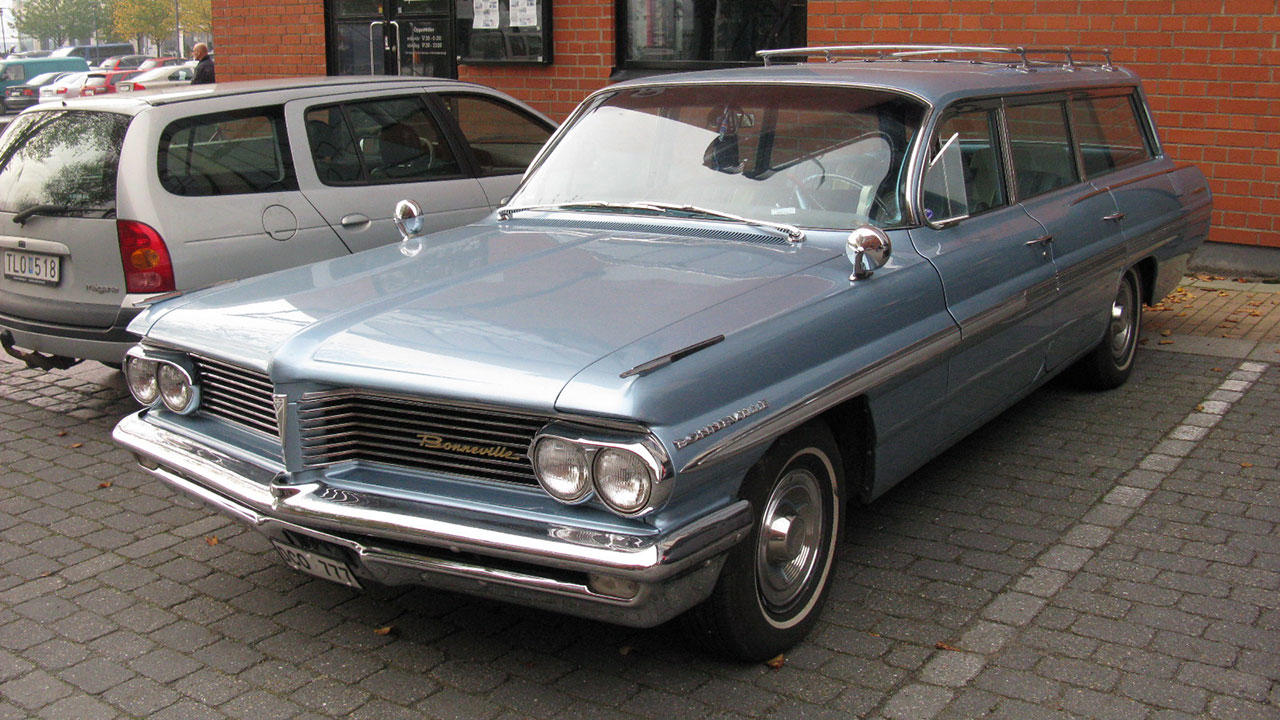
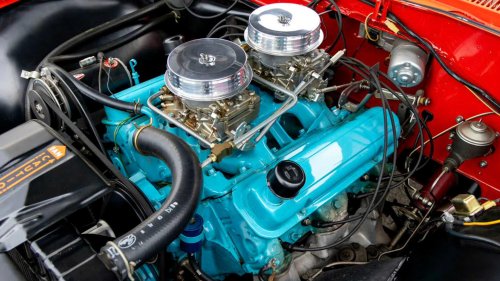
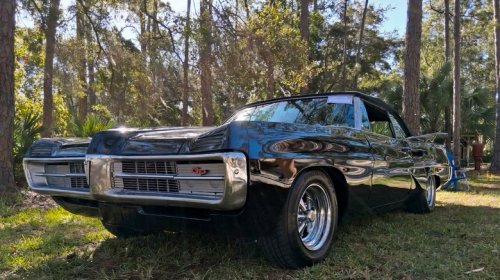
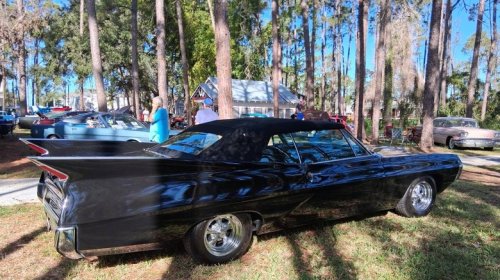
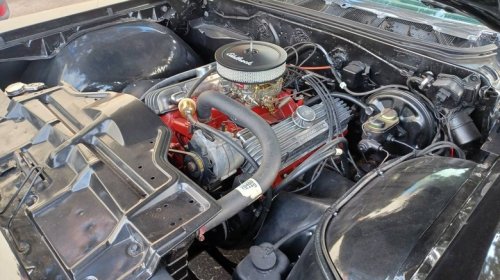
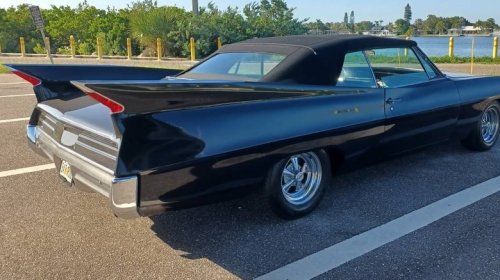
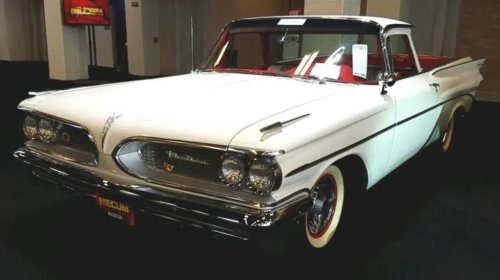
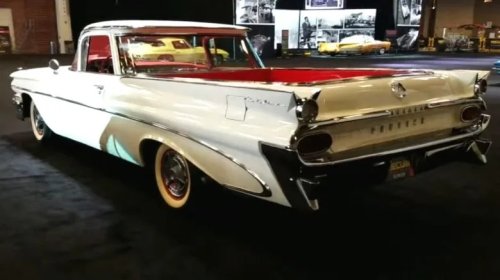
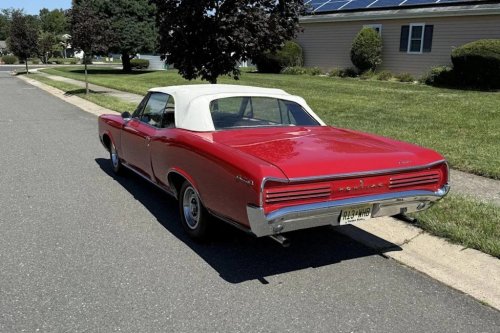
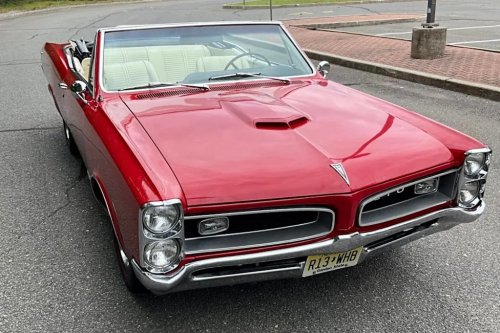
The 1962 Pontiac Bonneville offered presence but also ongoing maintenance demandsThe 1962 Pontiac Bonneville still turns heads with its long, low body, glittering trim, and confident stance. For today’s owners, though, that presence comes with a steady stream of upkeep, from basic fluids to finicky electrics and aging transmissions. That balance between glamour and work defines life with this early 1960s full-size Pontiac. Big style, big footprint The Pontiac Bonneville sat near the top of Pontiac’s full-size hierarchy in 1962, marketed as an American luxury cruiser with performance credibility. Period styling cues were exaggerated in the best way: a wide split grille, long rear quarters, and enough chrome to catch every bit of light in a parking lot. A post in a Pontiac Bonneville owners group describes the 1962 model as a classic representation of American full-size luxury cars, emphasizing its bold proportions and upscale trim that set it apart even among other early 1960s sedans and coupes. That sense of presence is not just nostalgia. A feature on a low-mileage example notes a car with 33,000 miles that still carries a near-perfect interior and several desirable and uncommon options, underscoring how well specified a Bonneville could be when new. Even in unrestored form, the long wheelbase and wide track give it a planted look that modern crossovers cannot replicate. Survivor cars continue to surface. One enthusiast listing highlights a 1962 Pontiac Bonneville two-door with an HO 389 4brl V8, automatic transmission, and burgundy and white paint over original white interior, noting that it was Bought in 2010 from the original owner. Another video feature shows a 1962 Pontiac Bonneville that had been parked for 15 years before a rescue attempt, a reminder that many of these cars have spent decades dormant before returning to the road. Engines that define the experience The 1962 Pontiac Bonneville typically relied on Pontiac’s 389 cubic inch V8, and the HO 389 4brl configuration remains a particular draw for collectors. That engine gave the big car the kind of effortless torque that suits a full-size cruiser, especially when paired with an automatic. A separate feature on a 1962 Pontiac Bonneville with a triple two-barrel setup highlights how Pontiac’s multi-carb system allowed drivers to cruise on a single carburetor for economy, then open all three for maximum power. The combination of a broad torque curve and relatively sophisticated fueling for the time helped the Bonneville feel more athletic than its size suggested. Driving impressions from owners reinforce that character. One account describes how She does not stop on a dime, maybe ten feet past the dime, but tracks straight under braking. The owner notes having the drums off once due to a leaky wheel cylinder and then simply cleaning and reassembling the drums, which still provide adequate stopping power when in good condition. That kind of feedback captures the mix of strong power, period braking performance, and the need for attentive maintenance that comes with a six-decade-old design. Presence with a price: ongoing maintenance For modern owners, the Bonneville’s age and mechanical layout translate into a maintenance routine that is more hands-on than a contemporary daily driver. General guidance for Pontiacs stresses that regular Oil changes and fluid maintenance are essential, especially for high-mileage Pontiacs, where more frequent oil changes protect the engine and help prevent expensive repairs. That advice applies directly to a 1962 Pontiac Bonneville, whose V8 depends on clean oil and proper coolant levels to survive stop-and-go traffic and occasional highway runs. Broader Pontiac maintenance resources also emphasize planning for wear items and having a clear service schedule, with Pontiac Maintenance information laying out how Cost, Plans and Service Schedule can help owners anticipate expenses rather than react to breakdowns. Those frameworks are aimed at later models, but the underlying principle is the same for a 1962 car: fluids, ignition components, belts, and hoses need regular attention if the car is expected to start reliably and run cleanly. Classic-car specific advice adds another layer. One guide to vintage ownership stresses that owners should Get oil changes and preventative maintenance done in line with the manufacturer’s recommended intervals, and that any new issue or warning sign should be investigated promptly rather than deferred. For a 1962 Pontiac Bonneville, where minor leaks or misfires can quickly grow into major repairs, that kind of discipline often makes the difference between a pleasant weekend cruiser and a source of constant frustration. Electrical quirks and owner troubleshooting Electrics are a recurring theme for 1962 Pontiac Bonneville owners. In one discussion, a poster named Jim describes chasing a charging problem and being advised to take the alternator to a local parts store for bench testing, assuming it is still the original alternator. The suggestion reflects a common pattern: original components can function for decades, but once issues appear, owners must decide whether to rebuild period-correct parts or replace them with modern equivalents. Another thread from Jul recounts how an owner, faced with unexplained electrical behavior, disconnects the battery because the situation is unclear, then reconnects it the next day to continue diagnosis. That small anecdote captures the trial-and-error nature of classic electrical work. Wiring insulation hardens, grounds corrode, and accessories draw more current than the system was designed to handle. For a 1962 Pontiac Bonneville that might still carry its factory harness, every flicker of a dash light or slow crank on a cold morning can signal the start of a new project. These owner stories underline a key reality: the car’s visual presence often hides a network of aging conductors and connectors that need methodical testing. Simple steps like cleaning grounds, checking alternator output, and verifying battery health are now part of the regular ritual of keeping a Bonneville roadworthy. Transmission identification and shifting issues Drivetrain health is another area where the 1962 Pontiac Bonneville demands attention. A detailed guide titled Pontiac Bonneville Transmission Identification and Rebuild Tips explains that Bonneville transmissions from this period often face shifting delays and fluid-related problems as they age. Soft shifts, late gear changes, or slipping under load can all trace back to worn internal seals or contaminated fluid. For owners who are restoring or maintaining a 1962 car, correctly identifying the transmission is the first step. The same guide notes that careful inspection of tags and case markings is necessary before ordering parts or planning a rebuild. Since many cars have had drivetrain swaps over the years, assumptions based on model year alone can lead to expensive mistakes. In practice, that means a prospective buyer or restorer of a 1962 Pontiac Bonneville needs to be ready to crawl under the car, confirm what is actually installed, and budget for a potential rebuild if shifting behavior is already marginal. Common mechanical complaints Although modern reliability data focuses on much newer vehicles, some of the recurring issues seen in later Bonnevilles echo the kinds of problems that can appear in a 1962 model. A list of Top Pontiac Bonneville Problems highlights a Misfire Due to a Failed Ignition Coil and a Loss of power steering as notable complaints. While the specific ignition and steering systems differ across generations, the underlying themes are familiar to classic owners: ignition components can fail suddenly and power steering systems can leak or lose assist with age. These patterns align with what many 1962 owners report in forums and clubs. Hard starting, rough idle, or intermittent misfire often lead back to worn ignition parts, while heavy steering effort can signal low fluid, tired hoses, or a failing pump. For a car that weighs well over two tons, a Loss of steering assist is more than an inconvenience. It can make low-speed maneuvering a serious workout and turn emergency avoidance into a challenge. General Pontiac reliability resources, such as broader repair databases for Pontiac models, reinforce the idea that planning for ignition and steering work is part of responsible ownership. Even if the exact failure modes differ, the 1962 Pontiac Bonneville shares the same basic vulnerabilities that show up across the brand’s lineup when cars reach high mileage and advanced age. From barn find to boulevard cruiser The journey from long-term storage to weekend driver is often more complicated than a wash and a fresh battery. The 1962 Pontiac Bonneville that had not moved in 15 years illustrates the point. Bringing such a car back to life involves draining old fuel, inspecting brake hydraulics, replacing rubber components, and often rebuilding carburetors and cooling systems. Each step adds cost and time, yet skipping any of them can turn the first test drive into a breakdown. Even cleaner survivors need work. The burgundy and white Pontiac Bonneville with the HO 389 4brl that was Bought from the original owner in 2010 is described as having only a few flaws, yet still requiring attention to trim, seals, and minor mechanical details. Another feature on a pristine car with 33,000 miles notes that, despite its low mileage and near-perfect interior, the owner still had to address age-related issues to keep the car reliable. These stories explain why many enthusiasts talk about “sorting” a car in the first year of ownership. A 1962 Pontiac Bonneville may run and drive on day one, but it typically needs a series of small interventions before it can be trusted for longer trips. That process is part of the appeal for some owners and a deterrent for others. Driving dynamics and the reality of 1960s hardware On the road, a well maintained 1962 Pontiac Bonneville rewards the effort. Owners describe a smooth, almost floating ride, with the long wheelbase soaking up imperfections. The V8 provides relaxed acceleration, and the cabin, trimmed in period fabrics and brightwork, feels like a rolling living room. Yet the same accounts are candid about limitations. Drum brakes require more distance and attention, as captured in the remark that She does not stop on a dime but remains stable under braking once the system is in good order. Steering feel is another reminder of the era. Power assist masks much of the effort at low speeds, but play in the steering box and wear in suspension bushings can lead to wandering on the highway if not addressed. Combined with the car’s size, that means a 1962 Pontiac Bonneville asks more of its driver than a modern sedan. Regular inspections of tie rods, ball joints, and shocks become part of the ongoing maintenance rhythm. What it takes to live with one For anyone considering ownership, the maintenance demands of a 1962 Pontiac Bonneville are not hypothetical. General Pontiac Maintenance guidance emphasizes that high-mileage Pontiacs benefit from more frequent fluid changes and proactive service, a philosophy that aligns with the needs of a 60-year-old full-size car. Prospective owners should assume that every system, from brakes to electrics, will need baseline work unless there is clear documentation of recent repairs. More from Fast Lane Only Unboxing the WWII Jeep in a Crate 15 rare Chevys collectors are quietly buying 10 underrated V8s still worth hunting down Police notice this before you even roll window down