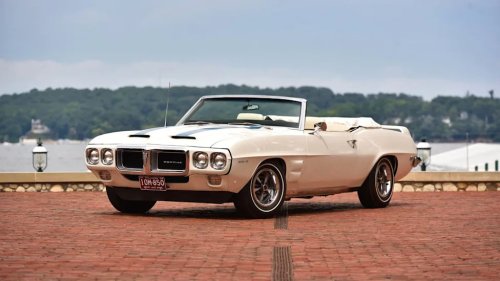
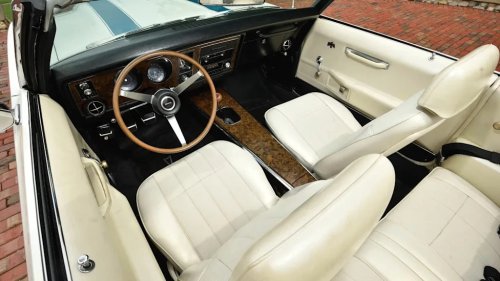
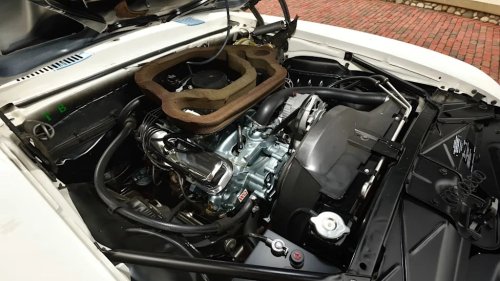
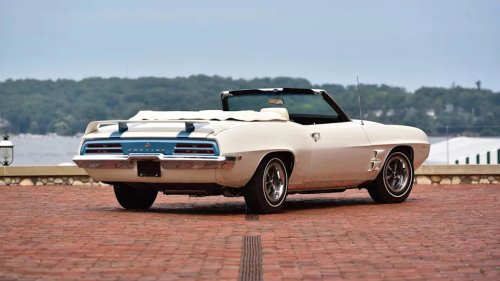
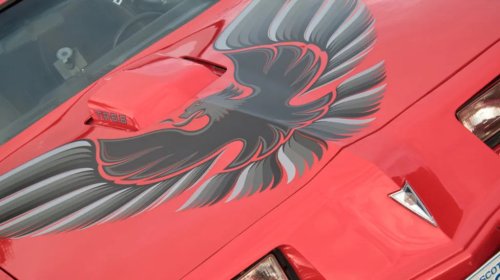
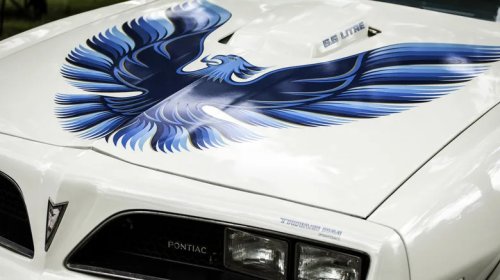
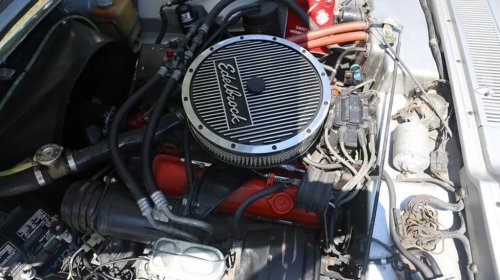
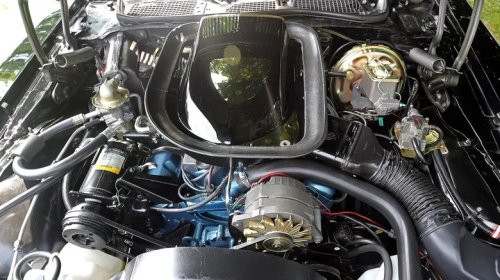
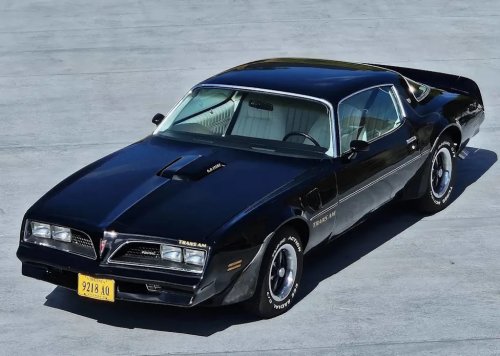
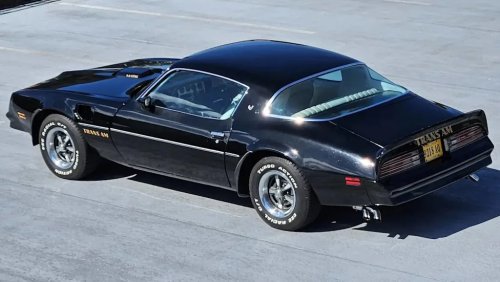
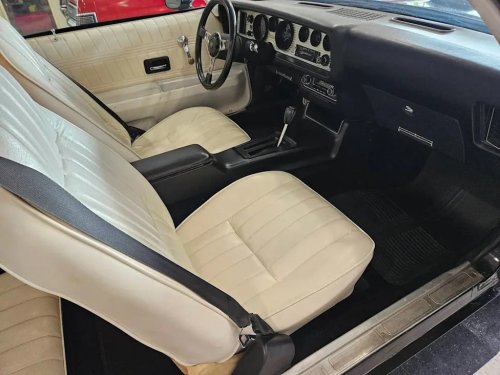
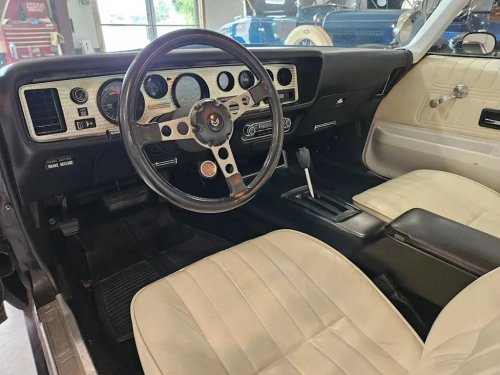
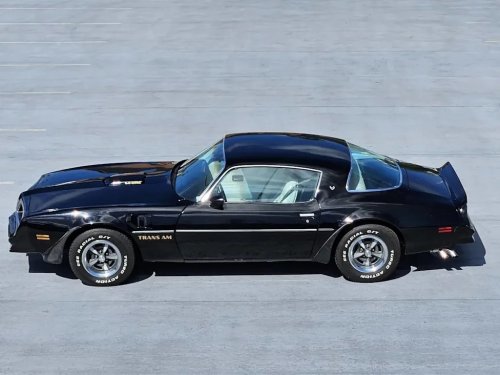
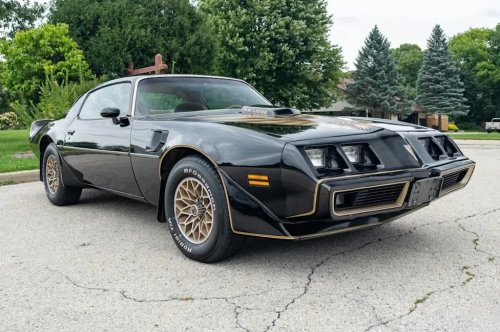
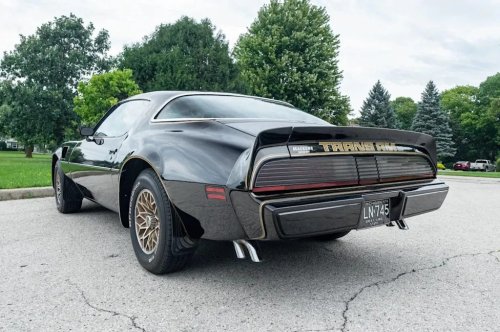
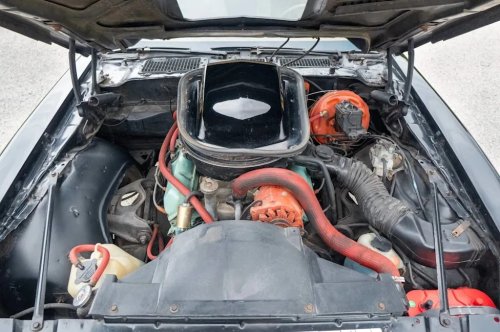
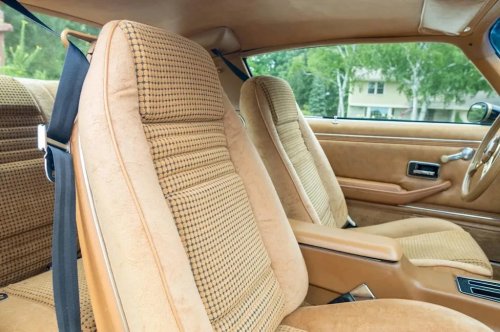
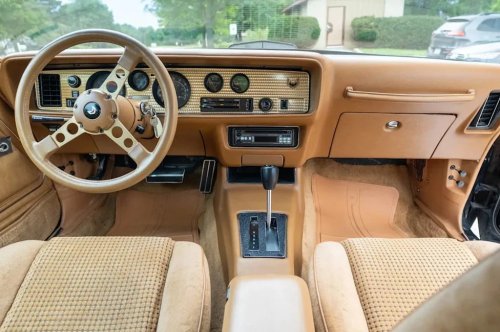
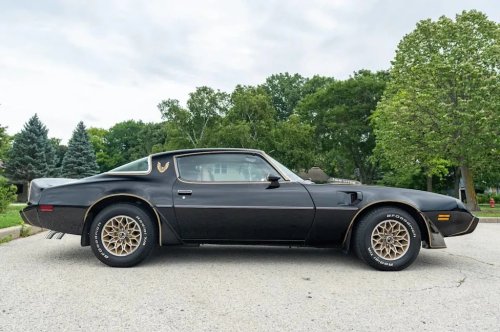
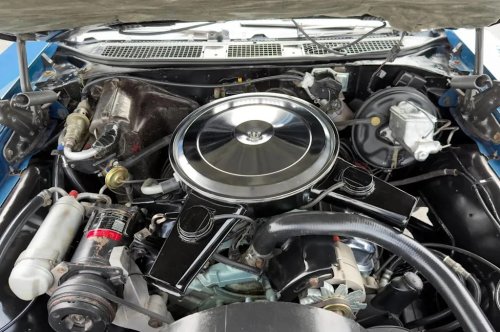
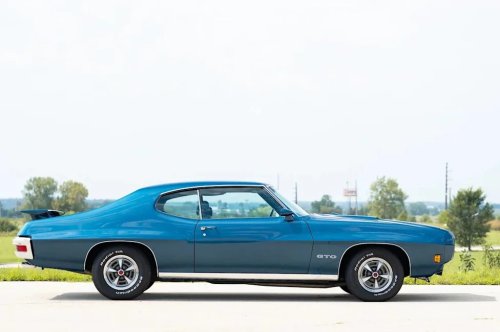
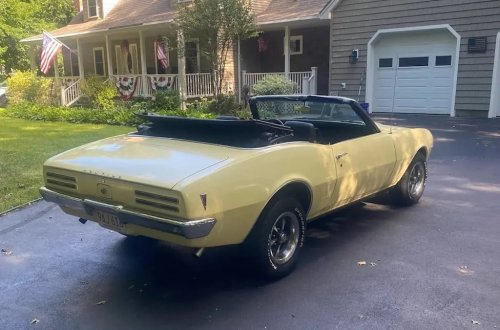
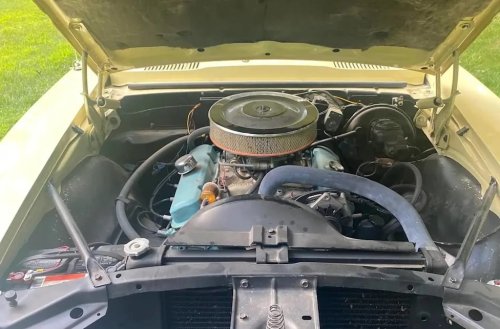
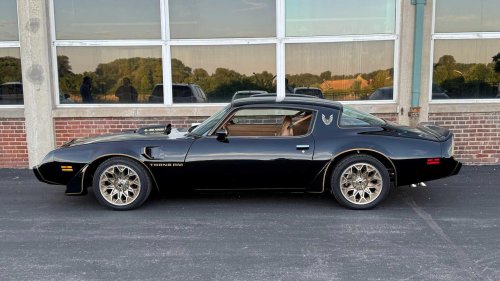
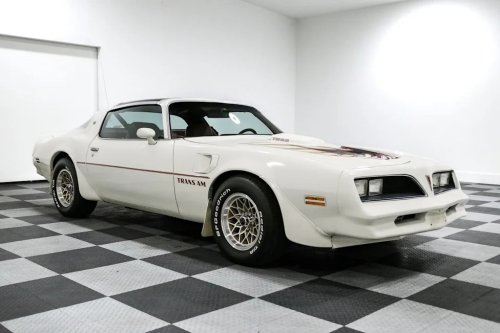
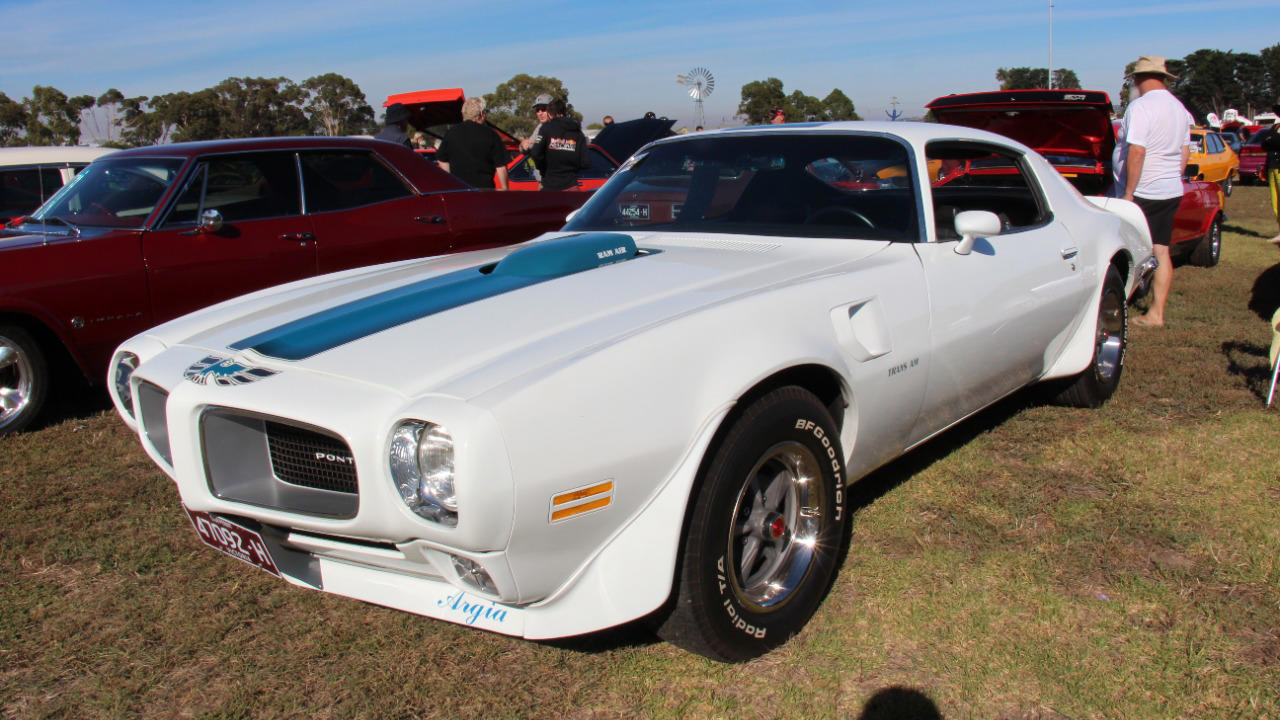
The 1970 Pontiac Firebird Trans Am offered performance but didn’t sell quickly at firstThe 1970 Pontiac Firebird Trans Am arrived with serious hardware, sharp styling, and a clear performance mission, yet it did not race out of showrooms. The car launched into a market already cooling on high-powered muscle machines and into a model lineup that gave buyers several cheaper, less extreme Firebird choices. Today, the car is revered as One Of The Most Famous Cars Of Its Time, but its early sales story is far more hesitant than its spec sheet suggests. That tension between performance promise and cautious demand helps explain why the 1970 Trans Am now looks like a turning point. It signaled how far Pontiac was willing to go to keep the American muscle ideal alive just as insurance, regulation, and shifting tastes began to pull buyers in a different direction. The second generation gamble When the new second-generation Pontiac Firebird debuted for the 1970 model year, it was presented as a big step forward for the Firebird. The body dropped the boxy first-generation look for a sleeker profile, with a long hood, short deck, and more European-inspired curves. Pontiac engineers aimed to move beyond straight-line bravado and toward a car that could handle, brake, and cruise with more sophistication. According to enthusiasts who have studied the development of the second generation, the Trans Am was drawn up at the very beginning of the second generation’s development. Designers and planners saw it as the halo that would carry Pontiac’s performance image into the new decade. Yet even as the clay models and engineering proposals took shape, its production was not guaranteed. One account notes that Pontiac engineers had to fight for the car’s existence and that even as the 1970 model year approached its future was far from assured, a sign that internal cost and market concerns already surrounded the project. That perspective is captured in detail in a feature on the Trans Am and its early development. The wider strategy for the second-generation Firebird was to broaden the range. Pontiac wanted a car that could be a sporty cruiser in Base form, a more refined Esprit, a serious but still street-friendly Formula, and finally the track-tuned Trans Am. That approach created a hierarchy that looked smart on paper, but it also meant the Trans Am had to compete against friendlier versions of its own family for buyers who liked the styling but were wary of the most aggressive variant. Performance at the peak of the muscle era The 1970 Trans Am arrived just as the classic American muscle car era reached its peak. Pontiac leaned into that timing. The car was fitted with high-compression V8 power, aggressive suspension tuning, and functional aerodynamic add-ons that distinguished it from other Firebird models. Contemporary and modern commentators describe how Pontiac reworked the chassis and brakes so the car could corner and stop as well as it could accelerate, giving the Firebird a more complete performance profile than some earlier muscle offerings. Writers looking back on this period point out that the second-generation Firebird is now seen as One Of The Most Famous Cars Of Its Time, in part because Pontiac resisted the early 1970s trend toward smaller and softer personal coupes. A recent analysis of the model argues that Pontiac reasserted its performance identity just as other American brands began to explore downsizing and more economy-focused designs. That broader production history and positioning is laid out in a retrospective on second-generation Pontiac models. Yet the same features that make the 1970 Trans Am desirable today also made it a harder sell in its own time. High-compression engines, bold graphics, and track-ready suspensions appealed to enthusiasts, but they also attracted the attention of regulators and insurers who were already wary of fast American coupes. A crowded Firebird lineup The sales picture for 1970 shows how the Trans Am’s performance focus limited its reach. Pontiac’s own Production Numbers for that year list the Firebird (Base) at 18,874 units, the Esprit at 18,961, the Formula at 7,708, and the Trans Am at just 3,196. Total Firebird production for the year came to 48,739. Those figures, presented in a detailed breakdown of 1970 Production Numbers, underline how small a slice of the Firebird pie the Trans Am claimed in its debut year. Another account, focused on a neglected early car, notes that the Trans Am was not yet a thing in the broader market sense. The nameplate was only one year old, and customers ordered only 3,196 examples of the top Firebird. That observation, tied to a story about a junkyard car that had to sell quickly, reinforces the idea that the 1970 Trans Am did not move quickly off dealer lots compared with its siblings. The same report emphasizes that buyers gravitated toward more accessible versions of the Firebird, leaving the most expensive and most specialized variant in shorter supply. The Base and Esprit models, with their 18,874 and 18,961 unit tallies, clearly did the volume work. The Formula, with 7,708 units, split the difference by offering strong performance without the full Trans Am treatment. That structure meant that even if every Trans Am found a dedicated enthusiast, the car was never going to dominate Firebird sales in 1970. Why buyers hesitated The early 1970s were brutal for muscle cars. Analysts of the period point to a combination of rising Insurance costs, new emissions rules, and a cultural shift away from overt street racing. A discussion of rare Trans Am models on a muscle car channel highlights how quickly premiums rose on high-performance cars, pricing out younger buyers and pushing older customers toward more discreet power or luxury-oriented models. That tension is captured in a social media post that asks whether a particular early car might be the rarest Trans Am and notes how harsh the environment became as Insurance and regulation squeezed the segment. Another retrospective on early 1970s performance cars describes how government emissions standards began to choke performance, while fuel concerns and changing consumer priorities eroded demand for big-displacement coupes. The writer argues that there was a lot of stuff going on in the early 1970s that ultimately spelled doom for the American muscle car. The Trans Am launched right into the teeth of that storm. Buyers who might have ordered a fully loaded performance car a few years earlier were now thinking about fuel prices, ticket risk, and whether their insurer would even write a policy. Price and practicality also played a role. The Trans Am’s performance hardware, from its engine tuning to its suspension and body add-ons, carried a cost premium. Shoppers could get similar styling cues and much of the same driving feel from a Formula or even an optioned Esprit, without paying for the top specification. For daily drivers who liked the idea of a sporty Pontiac but did not plan to autocross or drag race, the Base or Esprit looked more sensible. Engineering ambition and real world compromises Even among enthusiasts, the 1970 Firebird’s engineering choices invited debate. An analysis of the car’s design argues that the Firebird would have been a great match with Pontiac’s overhead-cam six if the car’s weight had been cut by 300 pounds. That critique suggests that the second-generation body, for all its style, carried more mass than some purists wanted in a performance coupe. The commentary, presented in a detailed review of the 1970 Pontiac Firebird, portrays the car as a strong but slightly overbuilt athlete. Others point to the way Pontiac tuned the chassis and engines as evidence that the company was trying to future-proof the Firebird against impending regulations. Stiffer suspensions, better brakes, and more refined interiors made the Trans Am more of a grand touring machine than a simple drag strip toy. That shift may have appealed to some buyers but confused others who expected a cheaper, rawer muscle car experience from a Pontiac badge. Internal timing also worked against the 1970 Trans Am. Enthusiast forums and historical writeups note that the second-generation debut for the 1970 model year was delayed until February 26, 1970, because of tooling and engineering issues. That delay compressed the sales window for the first year of the new body and may have limited how many Trans Ams dealers could order and sell before the next model year arrived. A thread by a user known as Trans Am Guru on a dedicated Trans Am Guru forum goes into those timing details. How the Trans Am fit into Pontiac’s broader story The Trans Am’s slow initial sales did not mean Pontiac misread the market entirely. Instead, the 1970 car can be seen as part of a longer arc in which the Firebird evolved from a conventional pony car into a more specialized performance and image leader. As emissions rules tightened and compression ratios dropped over the next few years, the Trans Am increasingly carried the torch for serious performance within the Firebird range, even as its raw numbers fluctuated. Production summaries for later years show how the balance shifted. A widely cited overview of Firebird, Esprit, Formula, and Trans Am totals across the late 1960s and 1970s reveals that the Trans Am eventually grew into a much more significant share of Firebird volume. In some years, the car became a pop culture star, helped by film and television, and the sales figures followed. That broader context appears in an overview of Year-by-Year Firebird and Trans Am production. By the late 1970s, commentary on cars like the 1979 Trans Am described them as the last American muscle car, even as their performance numbers reflected a very different regulatory and fuel environment. A video review that revisits that later car recalls how Hot Rod magazine called this Pontiac Trans Am the last American muscle car and frames it as a bridge between the classic era and the downsized, emissions-constrained future. Host Rick De Brule, in that discussion of whether the 1979 model was really the final expression of the old formula, highlights how much had changed since 1970 in both engineering and buyer expectations. That perspective appears in a detailed walkaround of the Pontiac Trans Am from that period. Survivors, nostalgia, and modern respect The modest 1970 Trans Am production figure of 3,196 has turned into an asset for collectors. Survivors attract attention at auctions and shows in part because they represent a brief moment when Pontiac was still building high-compression, unapologetically aggressive cars before regulations and fuel concerns forced deeper compromises. Stories of long-stored Firebirds emerging from garages and barns often emphasize how rare early second-generation Trans Ams are compared with later models. One account of a salvaged Pontiac that emerged after decades in storage explains that 1970 was a difficult year for Pontiac. On the one hand, the rising insurance costs and the new trend that pushed more buyers to smaller, more efficient cars undercut demand for big coupes. On the other hand, the company had invested heavily in the second-generation Firebird and needed it to succeed. That tension is explored in a feature on a Pontiac project car that narrowly avoided the crusher. More from Fast Lane Only Unboxing the WWII Jeep in a Crate 15 rare Chevys collectors are quietly buying 10 underrated V8s still worth hunting down Police notice this before you even roll window down The post The 1970 Pontiac Firebird Trans Am offered performance but didn’t sell quickly at first appeared first on FAST LANE ONLY.



















 +18 others