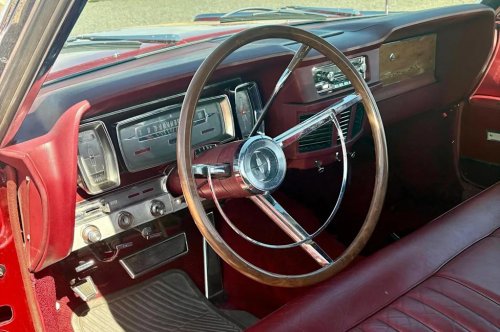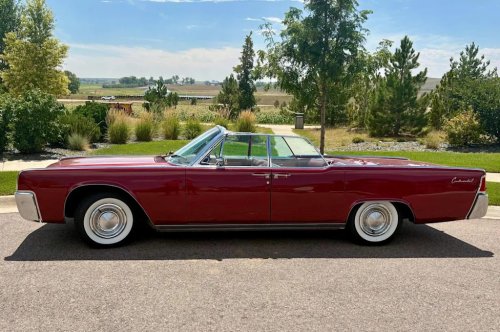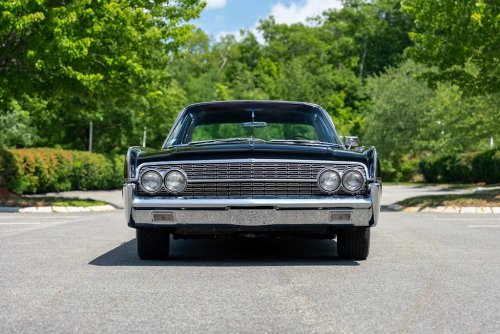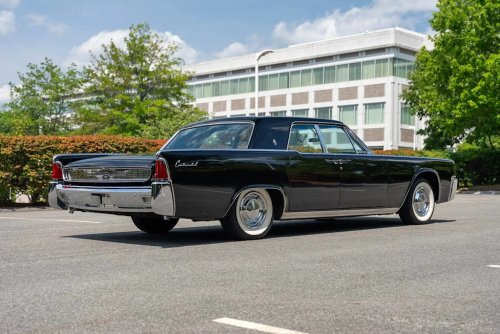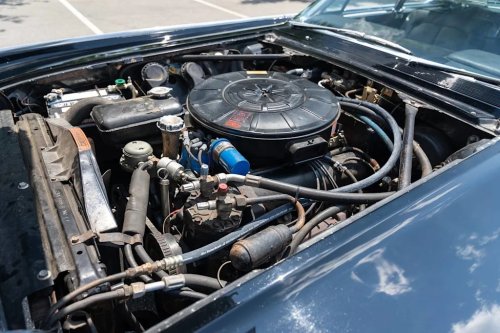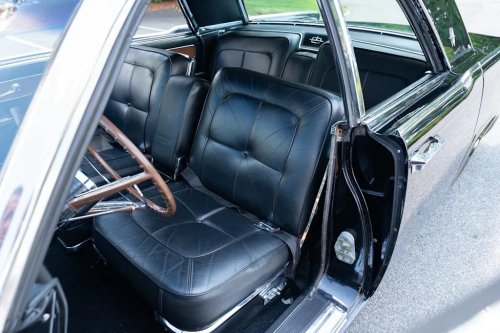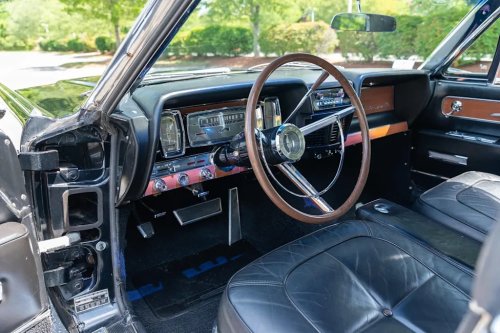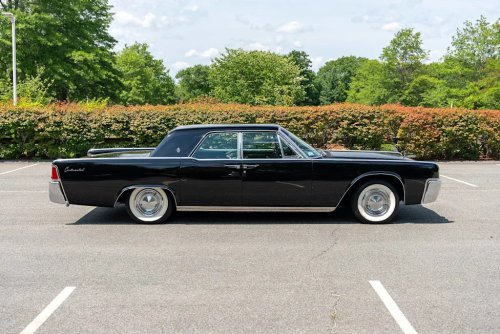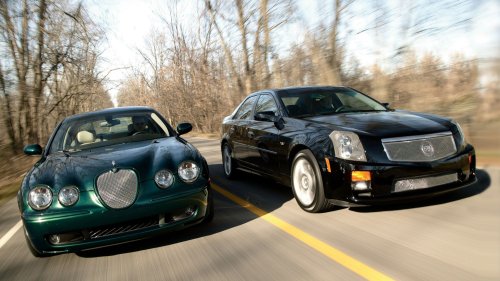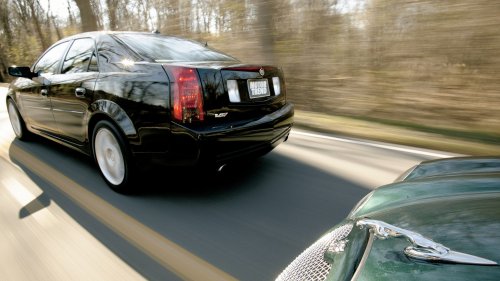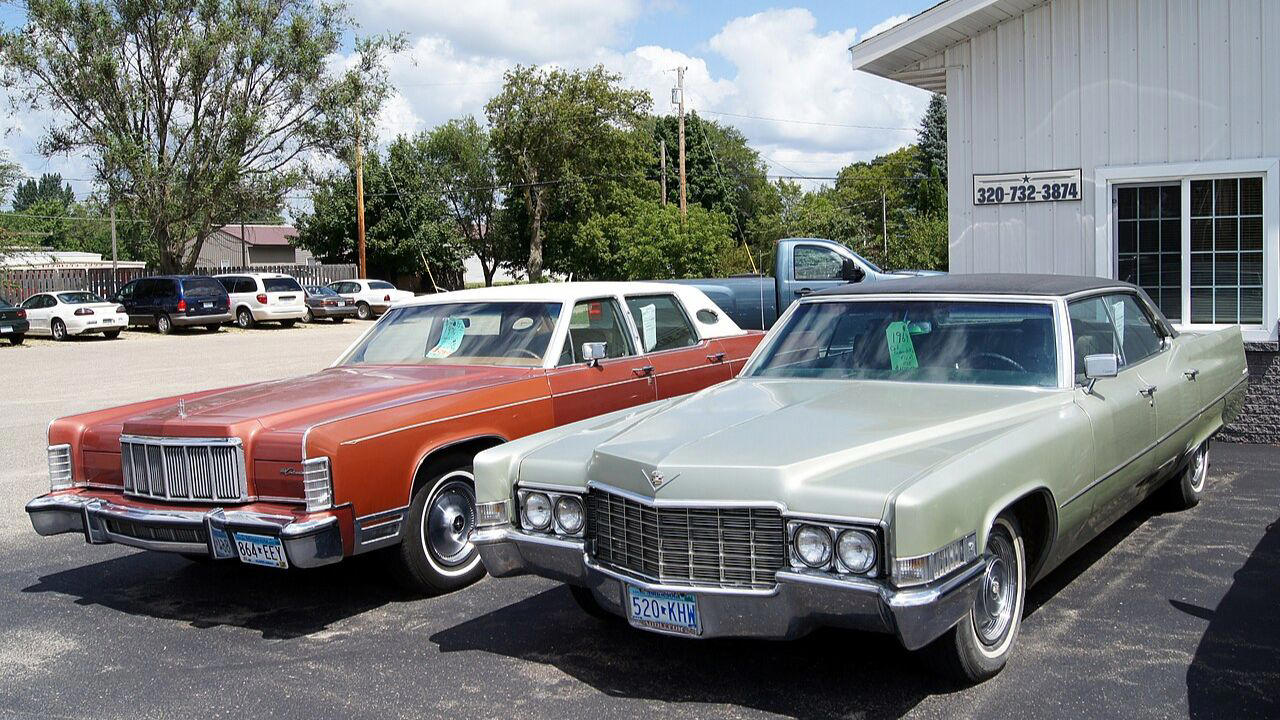
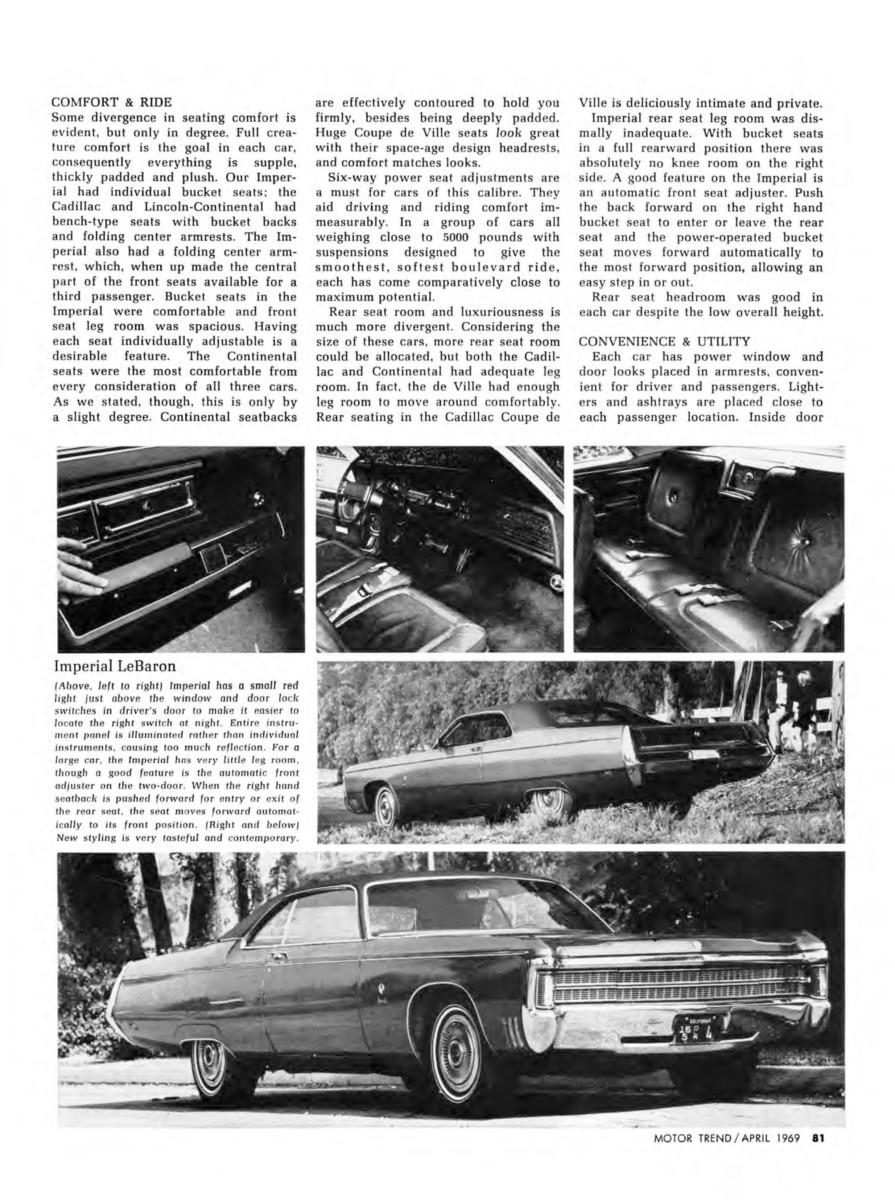























1969 Lincoln Continental and 1969 Cadillac Sedan DeVille offered luxury but only one dominates todayIn 1969, American luxury meant acres of sheet metal, velour or leather interiors, and V8 power capable of moving a small house. The Lincoln Continental and Cadillac Sedan DeVille embodied that ideal, yet half a century later the collector market clearly favors one over the other. Their rivalry now plays out not in showrooms but in auction catalogs, valuation charts, and online debates about which aging giant best captures the era. Both cars delivered comfort, presence, and prestige, but their contrasting design philosophies and brand trajectories have led to very different fates. The Continental has become a cult object with rising values, while the Cadillac, though still admired, often trails it in desirability and price. The showdown in period: style, power, and presence When new, the 1969 Cadillac Sedan DeVille and 1969 Lincoln Continental Sedan were direct competitors for the same affluent buyers. A contemporary comparison test pitted a Cadillac Coupe DeVille against the Continental and Chrysler’s Imperial, highlighting how each brand interpreted American luxury. Period photography from that test, preserved in images such as the discovered comparison spread, shows the Cadillac with more curves and chrome, while the Lincoln appears crisp and formal. The Cadillac Coupe DeVille continued the marque’s tradition of visual drama. The vintage comparison highlights its flamboyant, slightly exaggerated proportions and sweeping body sides that telegraphed status from a distance. Tailfins had been toned down from earlier years, but the car still leaned into spectacle, appealing to buyers who wanted the most conspicuous luxury car in the neighborhood. The Lincoln Continental took a different path. By 1969 it wore a clean, almost architectural shape, with slab sides and a more upright roofline. A later enthusiast writeup describes the 1969 Lincoln Continental Town Car as a “class act” and marks it as the last year of a particular era for the model, with the Lincoln Continental Town trim emphasizing formality and quiet luxury over flash. That visual restraint has aged well, giving the car a timeless quality that modern collectors increasingly prize. Under the hood, both brands delivered the power expected of top-tier American sedans. A 1969 Cadillac Sedan DeVille carried a 472 cubic inch V8 rated at 375 horsepower, paired with a Turbo Hydra Matic automatic transmission, as documented in an auction listing that cites 472 cubic inches and 375 horsepower explicitly. Lincoln answered with its own big-block engines, including a 460-cubic-inch V8 that enthusiasts still celebrate for its effortless torque; one discussion of which car is better highlights that the Continental was “Powered by a massive 460-cubic-inch V8 engine” that delivered smooth performance and plush comfort inside the cabin, with that phrase “Powered by a massive 460-cubic-inch” preserved in a group debate. How enthusiasts see them now Decades later, the rivalry has shifted from new car buyers to collectors and fans. The question “1969 Lincoln Continental Sedan or Cadillac Sedan Deville?” still sparks passionate responses. In one enthusiast group discussion, a post asking exactly that drew reactions from “Ken Zamiska and 405 others” and racked up “391” interactions, with commenters such as “Jim Sherrill” weighing in on which car they would rather own. The phrasing “1969 Lincoln Continental Sedan or Cadillac Sedan Deville? Ken Zamiska and 405 others. 391. 23. Jim Sherrill. I’d rather ha…” appears in the thread and captures the intensity of the debate. Another social media post frames the choice as “1969 Lincoln Continental or Cadillac DeVille,” then praises the 1969 Cadillac Coupe DeVille for continuing Cadillac’s legacy of luxurious, powerful, and visually striking cars. That post highlights the “1969 Cadillac Coupe DeVille” and refers to the brand simply as “Cadillac Coupe” and “Cadillac,” reinforcing how strongly the name still resonates in popular memory, as seen in the Cadillac Coupe discussion. At the same time, another enthusiast comparison of the “1969 Lincoln Continental and the 1969 Cadillac DeVille” emphasizes how the Coupe DeVille’s more flamboyant and curvaceous design contrasted with the Lincoln’s formal lines. That post explicitly calls out the “1969 Cadillac Coupe DeVille,” refers to the car as the “Coupe,” and uses “Lincoln” to describe the Continental, underscoring how each model attracts a different type of admirer. Those specific labels appear in the side by side comparison. For many fans, the Cadillac still represents peak American luxury in its most extroverted form. Others gravitate toward the Continental’s subtler image, especially in high-spec trims like the Lincoln Continental Town Car mentioned earlier. That split in taste mirrors the original showroom dynamic: one car for those who wanted to be seen, the other for those who preferred a quieter kind of status. Collector market numbers: Lincoln pulls ahead Enthusiast sentiment is only part of the story. The modern collector market provides hard numbers that show where money is actually flowing. For the 1969 Lincoln Continental, valuation guides track rising interest. One benchmark tool lists the 1969 Continental sedan with a CLASSIC.COM Market Benchmark, or “CMB,” of “$31,405,” noting that “The CLASSIC COM Market Benchmark (CMB) represents a benchmark value for vehicles in this market based on data accumulated from various sources.” That exact figure and description appear in the CMB entry, and it signals that good examples of the 1969 sedan now command solid money. Another valuation source focuses specifically on the 1969 Lincoln Continental and tracks condition-based pricing for different body styles. It shows that well-kept cars have moved beyond used-car status into collectible territory, with pricing tiers that reflect rising demand for clean, original examples. That structured look at the 1969 Lincoln Continental’s market appears in a dedicated valuation guide. The Cadillac side tells a slightly different story. A valuation entry for the 1969 Cadillac DeVille Convertible, with an 8 cylinder 472 cubic inch engine rated at 375 horsepower and a four barrel carburetor, lists a value of “$25,200” for a specific condition tier. The same page notes “2dr Convertible. 8-cyl. 472cid/375hp 4bbl. Join for free to view. Join for free to view. $25,200. 0% Join for free to view. Jan 20…” with “Convertible,” “Join for,” and “Jan” appearing exactly as written in the DeVille valuation. Even allowing for differences between sedans and convertibles, that figure suggests that many 1969 DeVilles sit below comparable Continentals in the current price hierarchy. Market tracking for the broader 1969 Cadillac DeVille family supports that impression. A dedicated model page lists auction and private sale data for the year, providing a range of transaction prices that often come in under the Lincoln’s benchmark. The 1969 DeVille market page shows that while some exceptional cars achieve strong results, average values do not match the Continental’s $31,405 benchmark. In other words, the Lincoln has quietly pulled ahead in the value race. That does not mean the Cadillac Sedan DeVille is unloved. It remains a staple at shows and cruises, and its parts support and brand recognition keep it accessible. Yet when collectors with limited garage space choose one 1969 American luxury sedan to chase, the numbers suggest more of them are now picking the Continental. Why the Continental resonates more strongly today Several factors seem to explain why the 1969 Lincoln Continental has become the more dominant collectible. Design is the most immediate. The Continental’s squared-off profile, hidden headlights, and minimal ornamentation read as sophisticated and almost European to modern eyes. Enthusiast commentary that calls the 1969 Lincoln Continental “a class act” and ties it to the “end of an era” for the model captures how the car has acquired a kind of historical gravitas, as reflected in the earlier linked Golden era post. The Cadillac, by contrast, looks very much of its time. The Coupe DeVille’s curves and chrome, praised in period as “flamboyant and curvaceous” in the comparison post, can feel more nostalgic than timeless. For some buyers that is a feature, not a bug, but it narrows the car’s appeal to those who specifically want late sixties exuberance rather than a design that blends into mixed-era collections. Rarity and survival rates also play a role. Cadillac built large numbers of DeVilles, and many survived as inexpensive used cars for years, which kept them in the background of the collector scene. The Continental, particularly in high-spec trims such as the Lincoln Continental Town Car, was built in smaller volumes and often led more pampered lives. That difference shows up in the market today, where clean Continentals are scarcer and therefore command higher prices. The Continental’s mechanical specification helps its case. The 460-cubic-inch V8 highlighted in the “Powered by a massive 460-cubic-inch” discussion gives the car a reputation for effortless cruising, while the chassis tuning emphasizes isolation and quiet. For buyers who want a traditional American luxury experience on modern roads, that combination is compelling. The Cadillac’s 472 and Turbo Hydra Matic drivetrain, documented in the Cadillac Sedan listing that mentions “Chassis No. 375 hp, 472 cu. in. OHV V-8 engine with a four-barrel carburetor, Turbo Hydra Matic automatic,” offers similar capability, but the car’s softer image and more common status can work against it when collectors are deciding where to spend top-tier money. Photography and media have also helped cement the Continental’s status. Enthusiast photo pools, such as a group of classic car images labeled “Discovered via citation trail from Untitled” on a platform like discovered, frequently showcase Continentals in carefully composed shots that highlight their crisp lines. That kind of visual circulation shapes taste over time, especially for younger collectors who encounter these cars first online rather than in person. The rivalry lives on in digital form Even with the Continental’s current edge in value and cachet, the argument over which 1969 luxury sedan is “better” is far from settled. Social media threads such as the “1969 Lincoln Continental Sedan or Cadillac Sedan Deville?” debate keep the conversation active, with people like Ken Zamiska and Jim Sherrill offering personal preferences rooted in family history, styling taste, or memories of riding in these cars when they were new. Some posts lean heavily toward Cadillac, praising the 1969 Cadillac Coupe DeVille for carrying forward the brand’s long-standing reputation for power and glamour. The Cadillac DeVille discussion that highlights the “1969 Cadillac Coupe DeVille” and “Cadillac Coupe” language reflects that loyalty. Others champion the Lincoln, pointing to the Continental’s cleaner design, its role as a flagship for a brand trying to project quiet authority, and the specific appeal of the Lincoln Continental Town Car trim that capped the line in 1969. Period road tests, preserved in archives and revisited on enthusiast sites, continue to shape perceptions as well. The comparison test that set Cadillac, Lincoln, and Imperial against one another gave readers of the time a framework for thinking about these cars that still echoes in modern commentary. That test’s photos, duplicated in images such as the , show the cars in motion, framed as equals in a three-way contest for luxury supremacy. More from Fast Lane Only Unboxing the WWII Jeep in a Crate 15 rare Chevys collectors are quietly buying 10 underrated V8s still worth hunting down Police notice this before you even roll window down The post 1969 Lincoln Continental and 1969 Cadillac Sedan DeVille offered luxury but only one dominates today appeared first on FAST LANE ONLY.