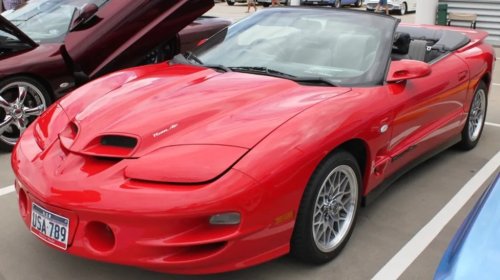
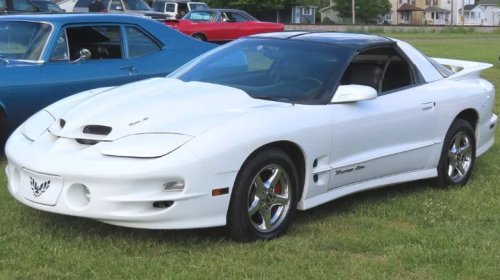
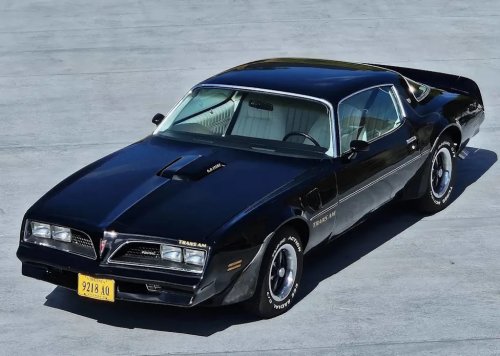
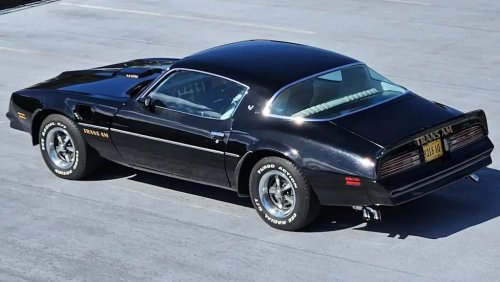
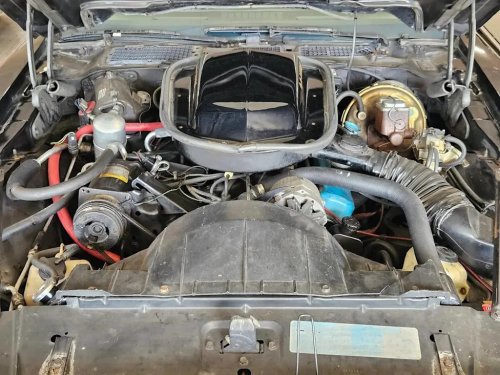
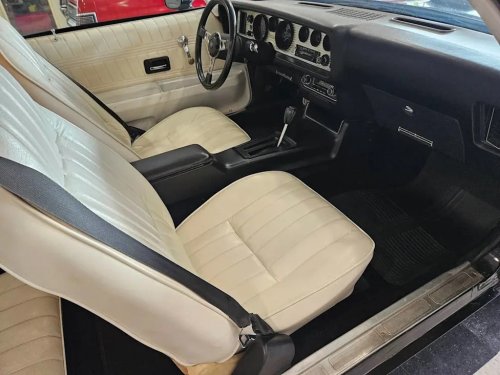
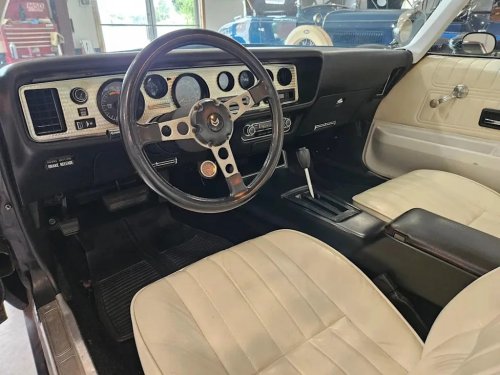
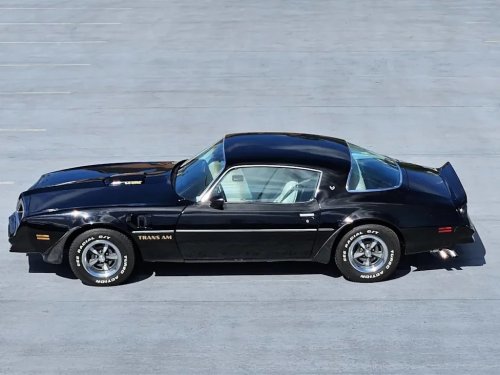
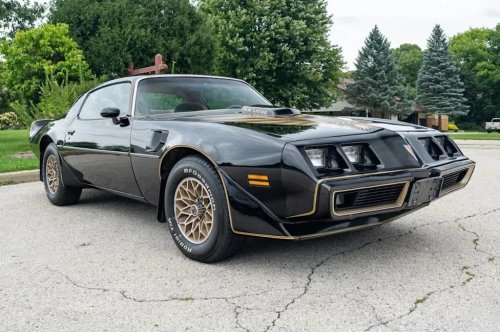
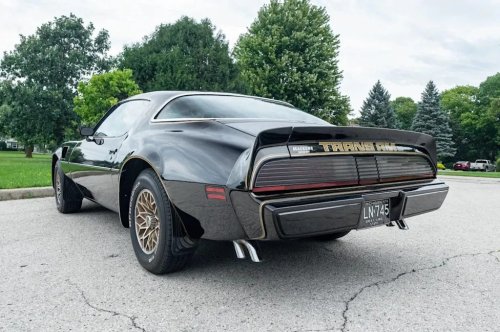
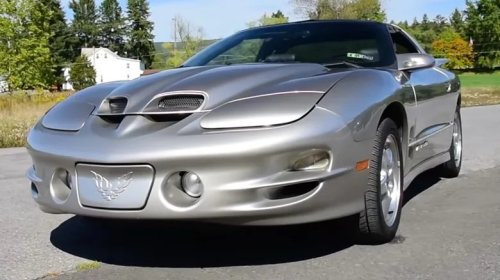
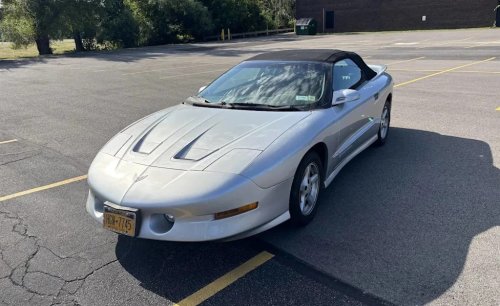
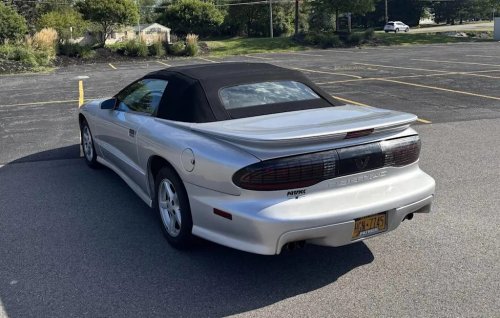
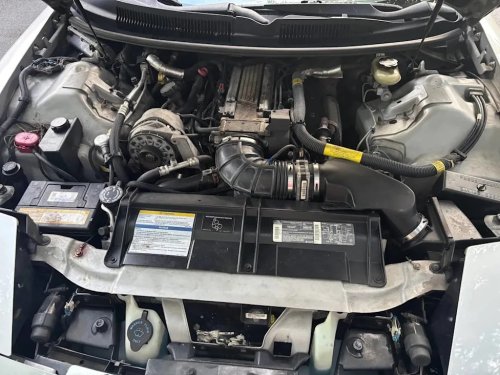
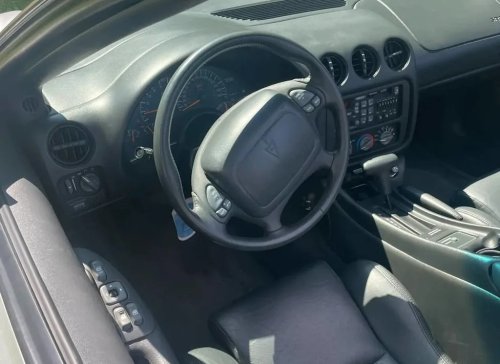
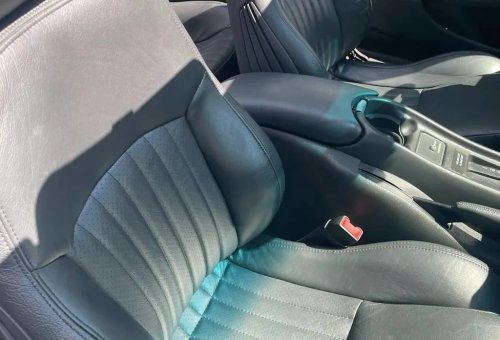
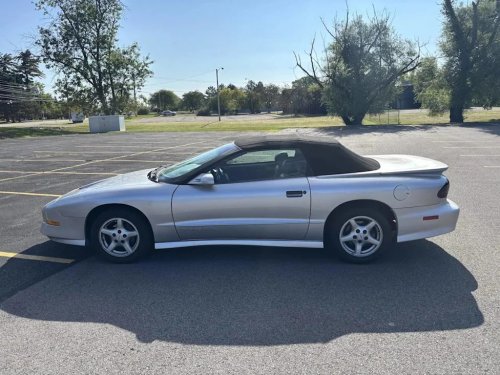
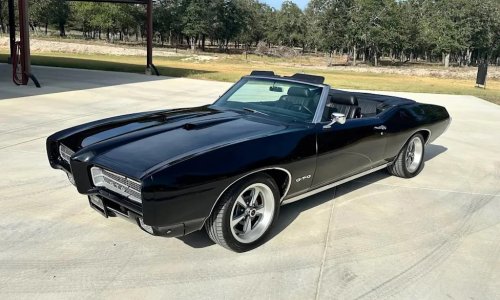
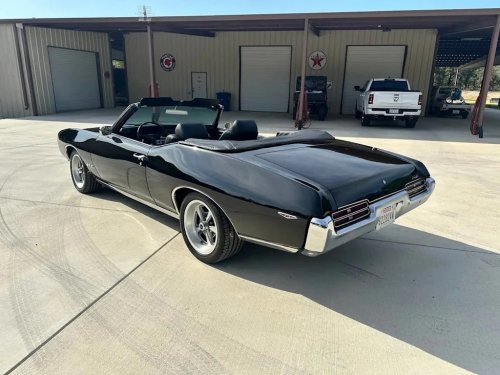
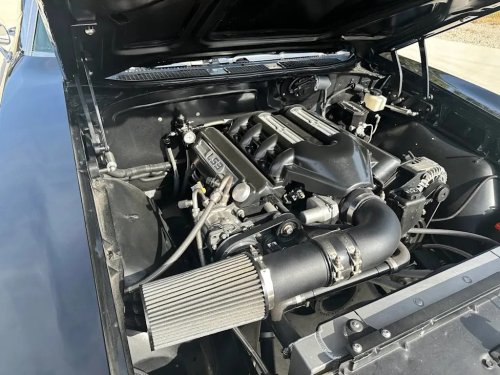
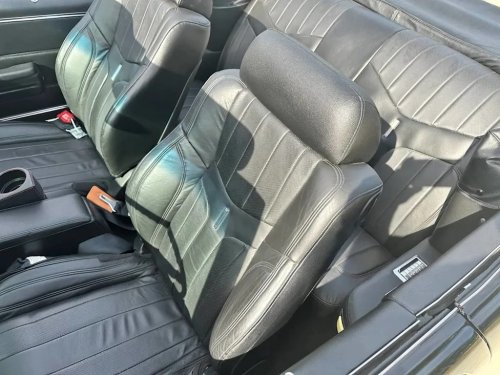
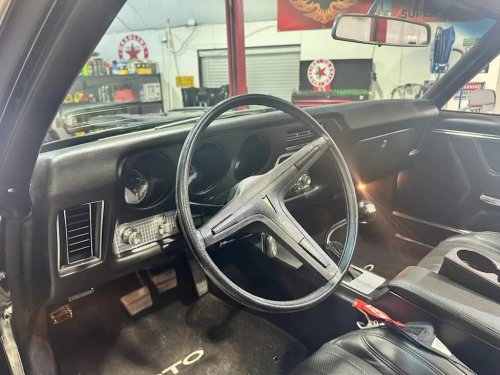
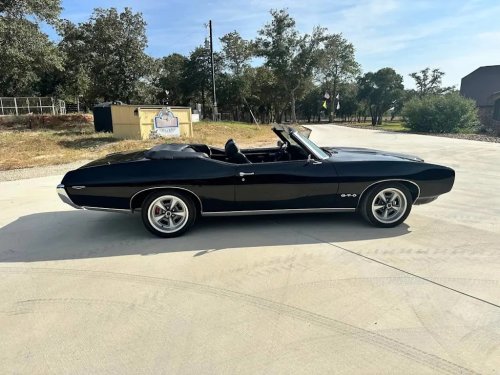
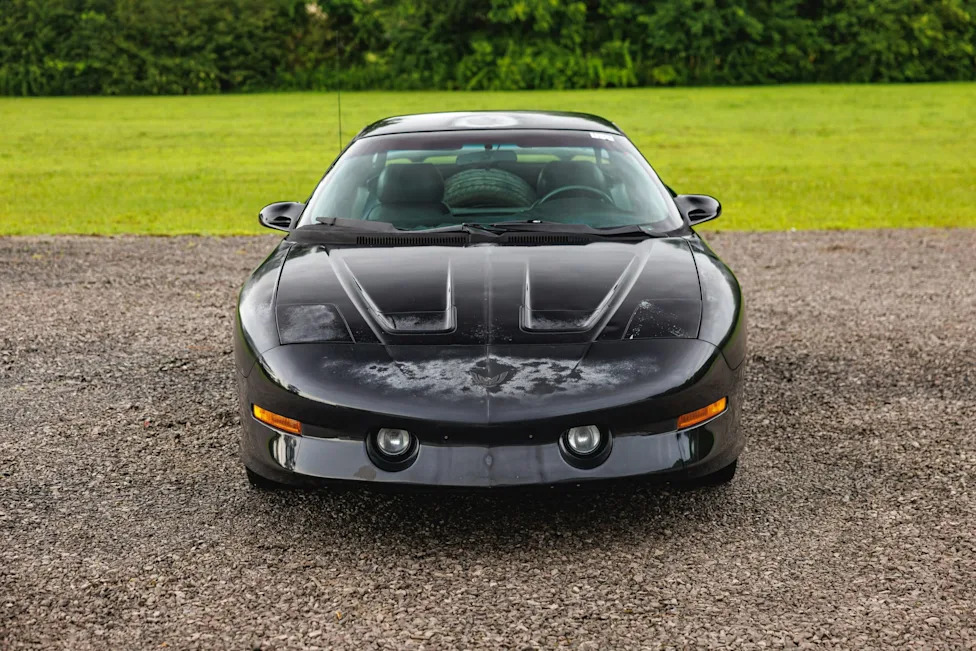
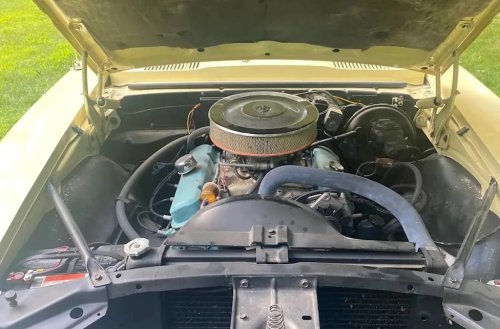
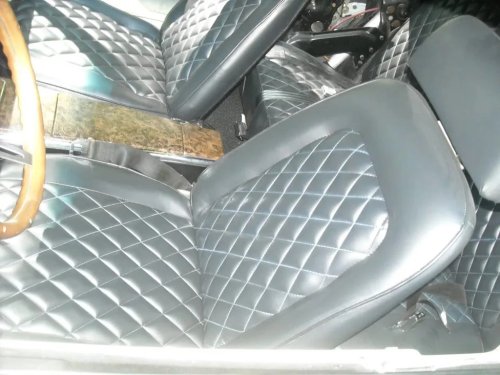
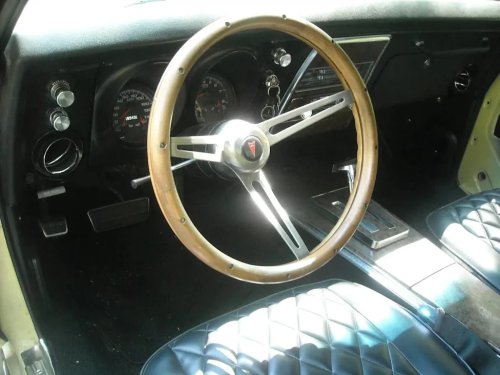
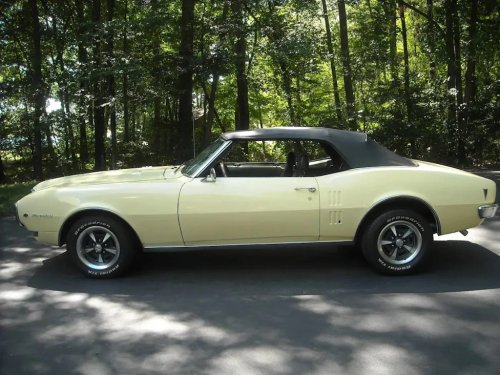
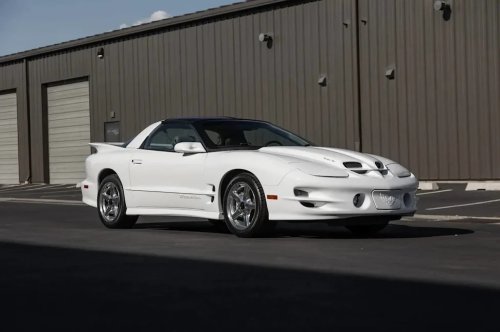
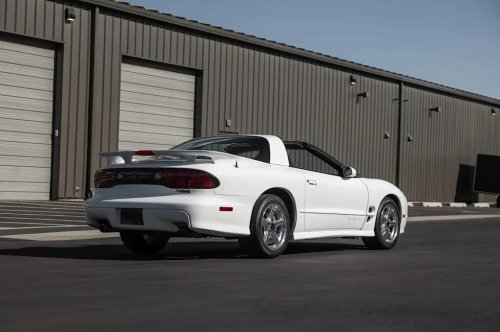
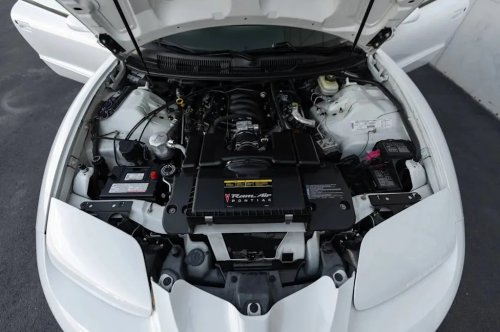
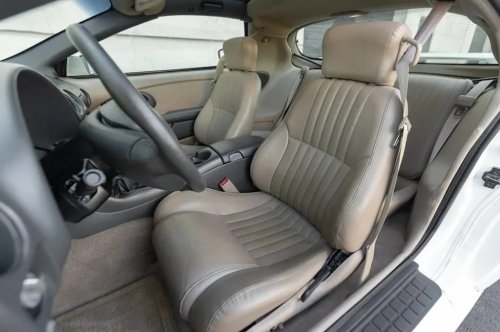
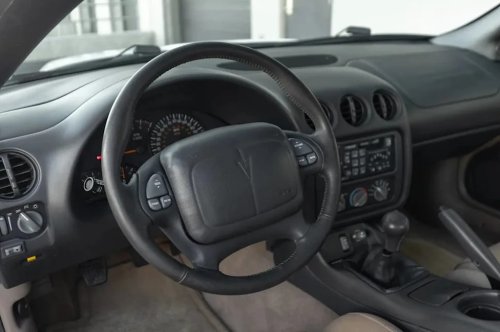
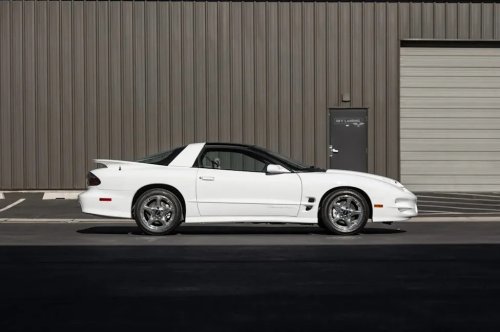
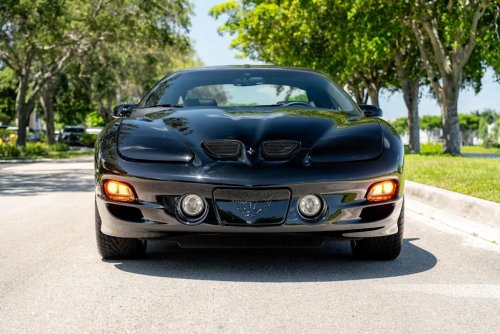
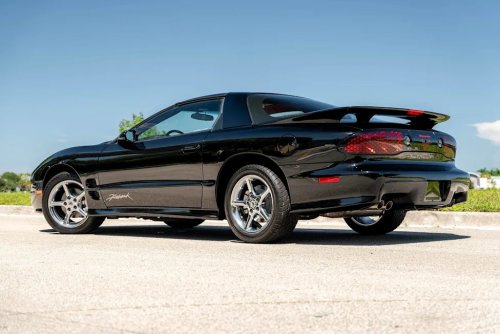
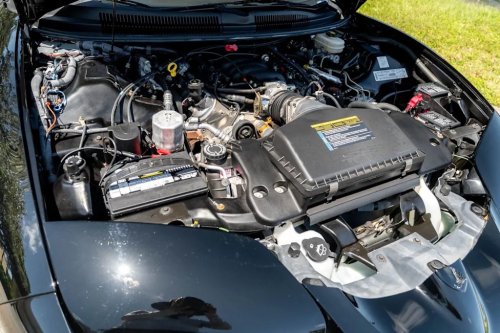
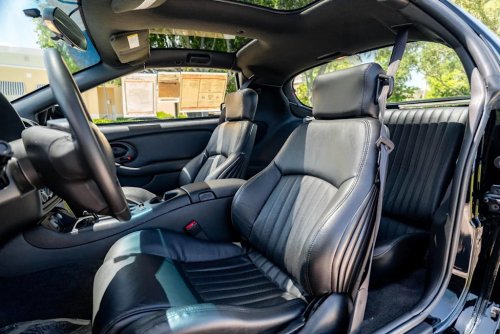
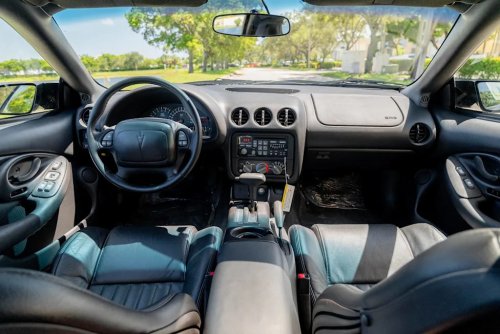
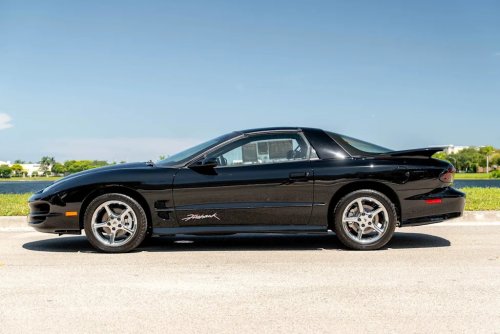
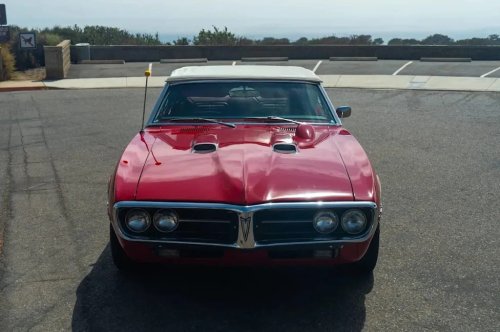
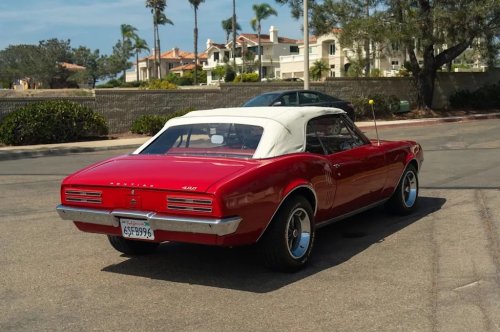
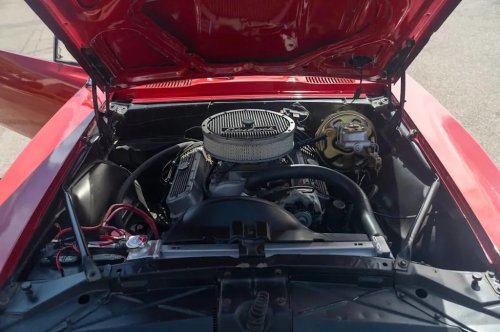
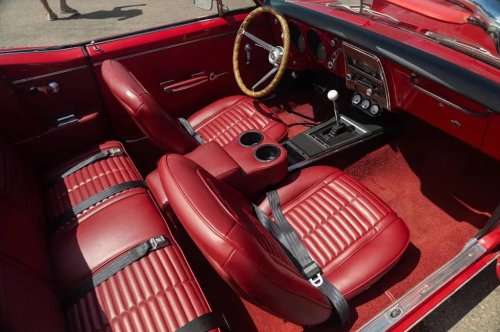
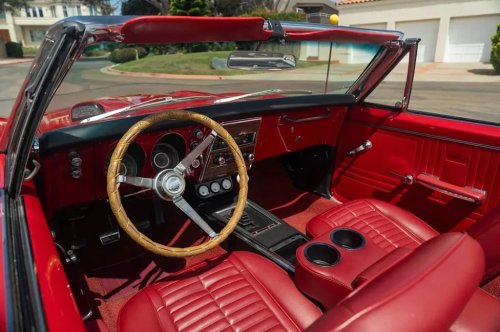
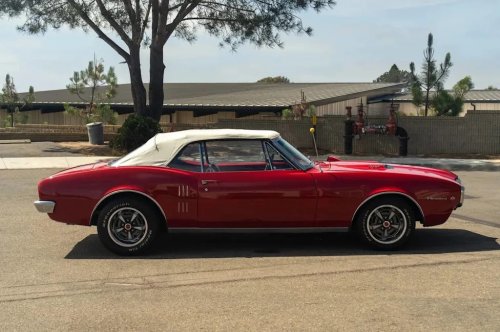
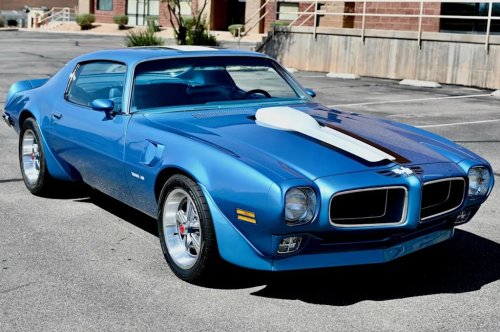
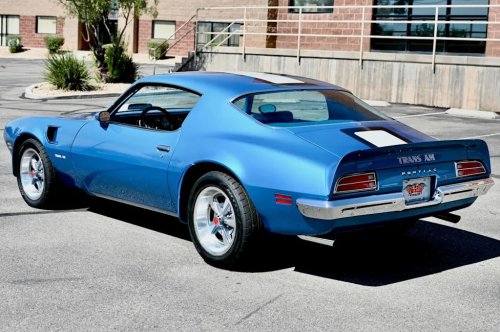
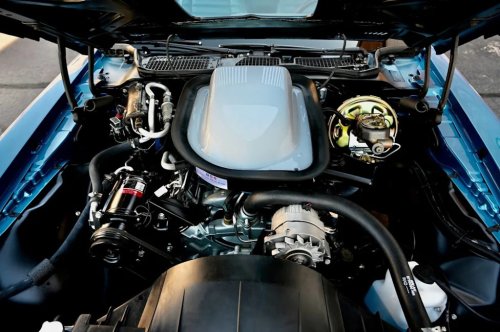
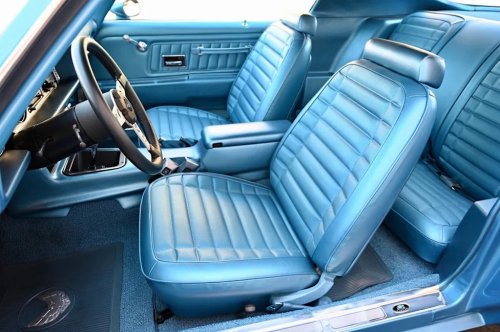
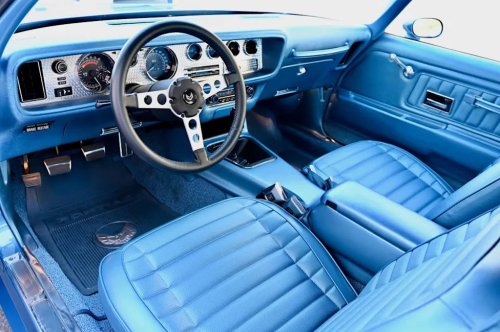
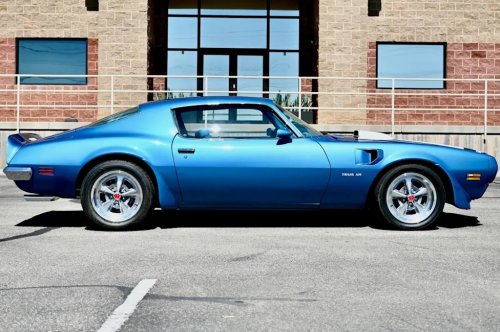
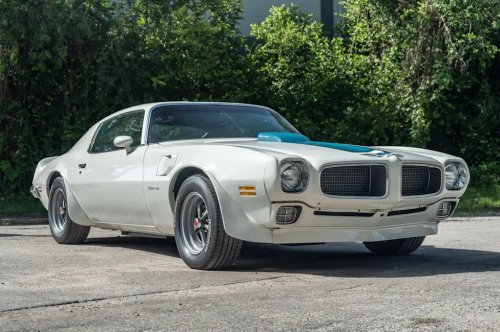
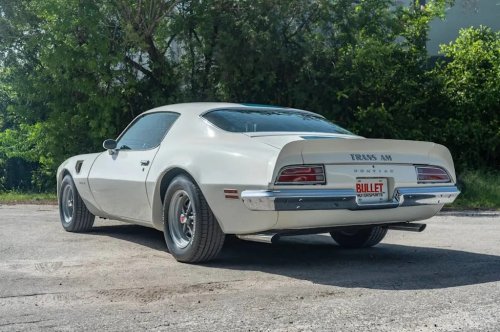
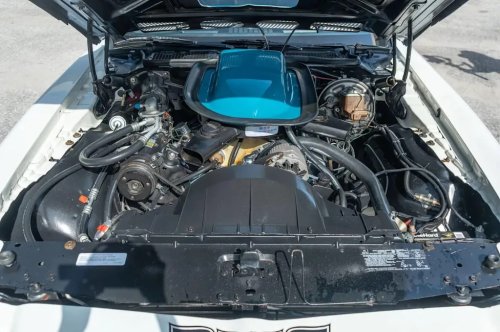
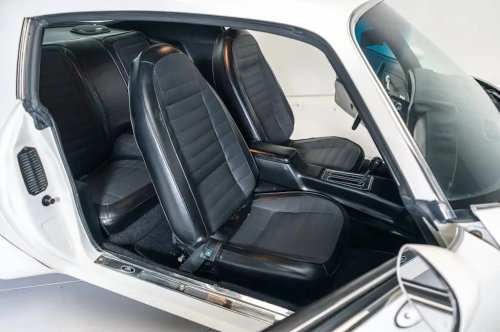
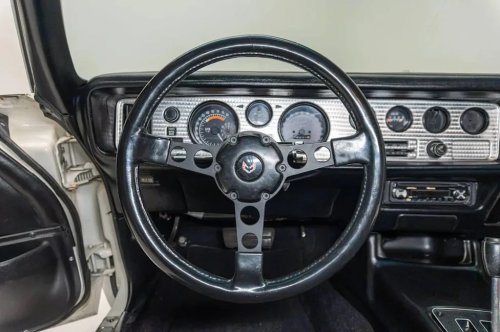
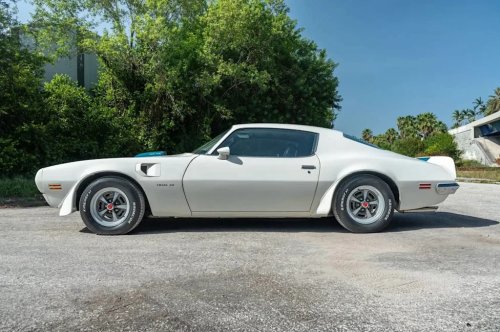
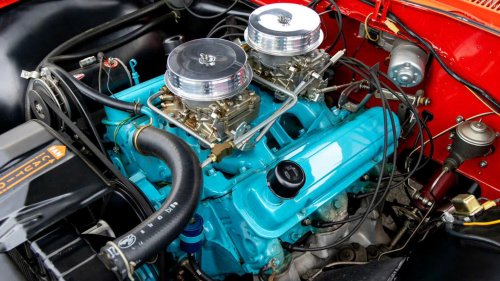
Pontiac offered a different take on performance with the Firebird FormulaPontiac’s Firebird Trans Am grabbed the posters and movie roles, but the Firebird Formula quietly offered a different vision of performance. Instead of screaming graphics and bolt-on drama, it focused on serious hardware wrapped in relatively restrained sheet metal. That mix of muscle and subtlety turned the Formula into one of the brand’s most intriguing performance cars. Across multiple generations, Pontiac used the Formula badge to package big engines, upgraded suspension and meaningful options into a car that looked closer to a base Firebird than a track special. The result was a long-running “sleeper” that appealed to drivers who wanted the speed without the spectacle. Born as a low‑profile muscle car The story of the Formula really begins with the second generation Firebird. Pontiac created the early Formula 400 for buyers who liked the idea of a serious V8 but did not want the full Trans Am treatment. Reporting on the early cars describes the Formula 400 as the choice for a more understated muscle car fan, with quieter styling cues that could fool anyone who judged it by appearance alone. Under that calmer exterior, the hardware was anything but mild. According to technical summaries, the Formula could be optioned with an L78 4 barrel 400 that produced 330 hp, listed as 246 kW, a figure that put it squarely in muscle car territory. That engine choice, combined with a relatively clean body, set the basic template: Trans Am power without the Trans Am costume. The Formula 400 was not just a V8 Firebird sharing the body of the Base or Esprit model. Period descriptions highlight that the Formula developed its own visual identity, with a menacing twin scooped hood and specific badging. Even there, though, it stopped short of the Trans Am’s wilder spoilers and stripes, keeping the “low profile, high power” balance intact. The sleeper brief: speed without flash That philosophy was not accidental. Accounts from owners and enthusiasts describe how Pontiac engineers wanted the formula to be a sleeper, designed to look relatively unassuming compared with the flashy Trans Am but still packing a powerful punch. The same discussion notes that this idea of stealth performance attracted a niche group of buyers who did not want the flash but still craved the speed, and that these cars often surprised drivers who underestimated them. That sleeper character defined how Pontiac positioned the Formula against its stablemates. While the Trans Am was marketed as the top tier performance model with aggressive styling, ground effects and the best available V8 engines, as outlined in Trans Am trim guides, the Formula quietly delivered similar mechanical capability in a less extroverted package. Rare power: the 455 HO and other heavy hitters The Formula’s low profile did not stop Pontiac from offering some very serious engines. Enthusiast records highlight that there were 166 455 HO manual Formula’s produced in 1971, and 159 came with the 455 H.O. and 4 Speed, according to a there sourced breakdown. Those figures underscore how rare the highest specification cars were, and why collectors now chase them. Even when the engines were slightly detuned in later years, Pontiac kept the Formula’s performance intent intact. The 400 cubic inch V8 remained a signature, with references to the earlier cars emphasizing that the Formula 400 was born with the debut of the second generation Firebird and was meant to provide all the power and performance of the Trans Am without the stripes. Third generation: lighter body, serious intent Pontiac revived the Formula concept in the third generation, and by this point the idea was fully formed. Guides to the model line specify that the car was Introduced in 1987 as a performance oriented model that offered V8 engines in an understated, lighter body shell than the Trans Am. That combination of big engine, smaller visual footprint and lower mass fit the original sleeper brief perfectly. Technical explanations of the third generation layout note that the Firebird Formula had slightly less aggressive body styling and was actually lighter than the Trans Am. It differed from both the standard Firebird and the Trans Am by pairing this cleaner exterior with performance focused hardware. In some configurations, the Formula used the Trans Am’s WS6 suspension package for improved handling but skipped certain cosmetic or specialty performance upgrades like the shaker hood or turbo options, as outlined in a Trans Am focused explanation. That approach kept the Formula firmly in the enthusiast camp while holding to its more modest visual identity. How the Formula differed from the Trans Am Across generations, the Formula’s main distinction from the Trans Am came down to three areas: styling, weight and equipment. Owners frequently point out that formulas will be a bit lighter because they do not have all the extra body cladding that defines the Trans Am look. That difference may seem minor on paper, but less weight can sharpen responses and slightly improve straight line performance when power levels are similar. Enthusiast discussions of the third generation also stress that the Formula used better handling shocks, springs, anti roll bars, brakes, gearing and engine options, while avoiding the extra weight that cosmetic add ons added. One breakdown notes that the Formula was the performance model with those upgrades, but without the additional mass of ground effects and other styling pieces. The Trans Am remained the halo car, especially in marketing terms, but the Formula often matched it in real world pace. That is why some enthusiasts argue that the Formula represents the purer driver’s choice, with fewer distractions and a focus on the core mechanical package. Design character: sleek but not showy Visually, the Formula walked a line between the plain base Firebird and the extroverted Trans Am. A description of the 1981 model notes a Sleek, aggressive body with a long, low hood and twin hood scoops unique to the Formula trim, while confirming that it shared the same F body platform as the Camaro, as seen in a sleek, focused summary. That description captures the car’s dual nature: purposeful and sporty, but not overloaded with visual drama. Later cars continued this pattern. The fourth-generation Formula, for example, used the same basic body as the standard Firebird but adopted a more aggressive front fascia and hood when optioned with performance packages. Even then, it stayed cleaner than the Trans Am, which added more dramatic aero pieces and, in some cases, large rear spoilers. Fourth generation: modern power, classic formula The final generation of Firebird, produced from 1993 to 2002, gave the Formula a modern powertrain and chassis while keeping its core identity. Overviews of the Pontiac Firebird line explain that this era offered a choice of V6 or powerful V8 engines, with the Formula and Trans Am sharing the higher output units. One key specification set for the period lists Engine: LT1 V8, Displacement: 5.7-liter, Horsepower/Torque: 275–285 HP / 325 LB FT and Transmission: 6-speed Manual or 4-speed Auto, according to an engine and specification guide. Those figures applied across the performance trims, which meant the Formula delivered essentially the same straight-line capability as the Trans Am of the same year. At the same time, the Formula preserved its lighter, less ornate look. Enthusiasts often describe it as the “no nonsense” Firebird of the era, particularly when ordered without the tops or heavy luxury options. That configuration aligned closely with the original concept of a serious driver’s car that did not shout about its abilities. WS6 and the final Firebird Formulas In the late 1990s, Pontiac added another layer of performance with the WS6 package. Technical histories of this option state that the WS6 package could be added to the fourth-generation Firebird Formula models from 1998 to 2000, after which the WS6 could only be had as an option on the Trans Am, as detailed in a Firebird Formula-focused account. WS6 brought upgrades such as stiffer suspension components, wider wheels and tires and a less restrictive intake and exhaust, which collectively sharpened the car’s responses and improved acceleration. For a brief window, buyers could therefore order a Formula with virtually the highest specification chassis and engine combination available in the Firebird range, all while retaining the model’s cleaner appearance. Enthusiast discussions of this period often frame these late Formulas as some of the most desirable modern Firebirds, precisely because they combine peak mechanical performance with the understated Formula look. Once WS6 became exclusive to the Trans Am, that specific blend disappeared from the order sheet. Why the Formula still resonates Decades after the last Firebird left the factory, the Formula continues to attract a dedicated following. Owners and fans emphasize that this idea of stealth performance, staying under the radar and surprising drivers who underestimate the car, remains a core part of its appeal. In an era when performance cars often advertise their capabilities with extreme styling, the Formula’s restraint feels distinctive. Online communities still debate “Trans Am or Formula” for both classic and modern eras. Some argue that the Trans Am’s top-tier status and aggressive look make it the definitive Firebird. Others counter that the Formula’s lighter weight, cleaner design and equal or near equal power make it the smarter enthusiast choice. Threads comparing a Trans Am often turn into detailed breakdowns of suspension packages, body cladding and how much appearance should matter in a performance car. That ongoing debate highlights what Pontiac achieved with the Formula badge. By separating performance from overt styling, the company created a car that appealed to a different kind of driver, one more interested in the way a car accelerates, turns and stops than in how loudly it announces itself in traffic. From the burly 400 and 455-powered second-generation models to the LT1 and LS1-equipped fourth-generation cars, the Formula consistently delivered that alternative vision of speed. For collectors and enthusiasts today, that history translates into a car with a clear identity. The Formula is not simply a decontented Trans Am or a base Firebird with a big engine. It is Pontiac’s deliberate attempt to package serious performance into a subtler shape, a car that invites a second look precisely because it does not demand one at first glance. More from Fast Lane Only Unboxing the WWII Jeep in a Crate 15 rare Chevys collectors are quietly buying 10 underrated V8s still worth hunting down Police notice this before you even roll window down



















 +11 others