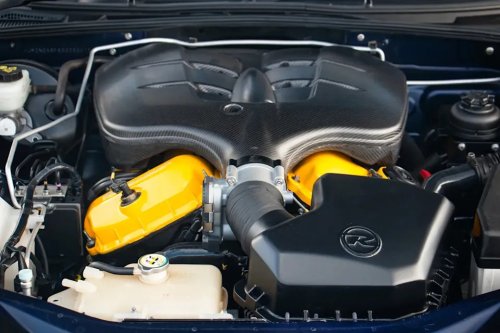
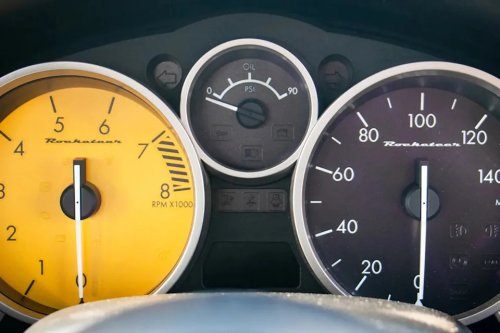
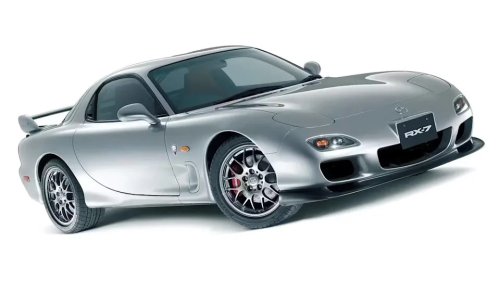
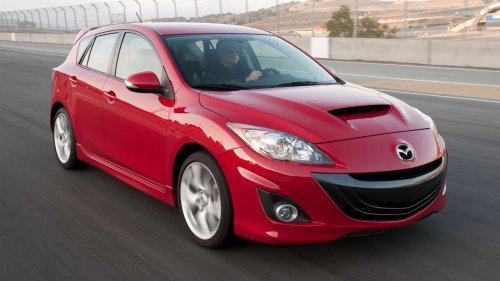
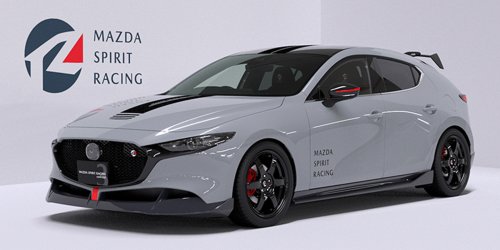
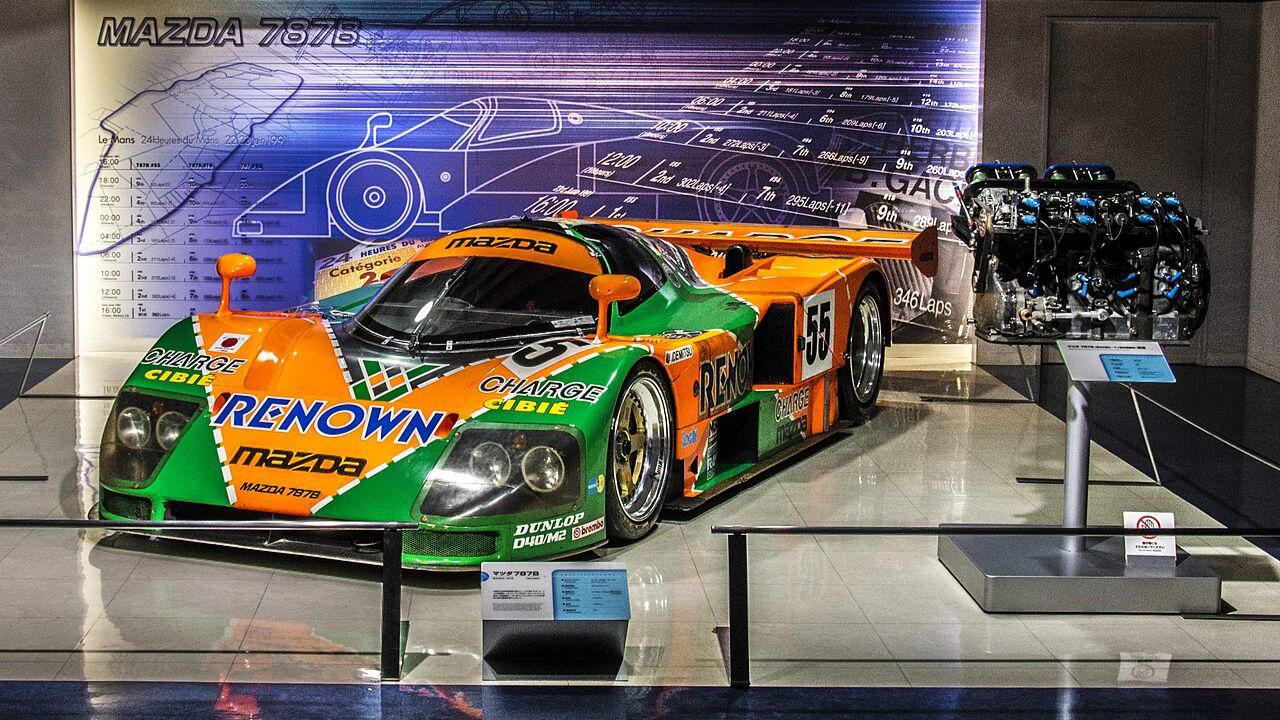
This rotary engine gave Mazda one of the strangest advantages in racingThe rotary engine, a unique and unconventional design, has provided Mazda with remarkable advantages in the world of racing. Its lightweight, compact structure and distinctive power delivery have set Mazda apart, particularly in competitive motorsport environments. This article delves into the fascinating aspects of the rotary engine, its history in racing, and its legacy in the automotive world. The Unique Design of the Rotary Engine The rotary engine, also known as the Wankel engine, breaks away from the traditional piston engine design that has dominated the automotive world for over a century. Instead of pistons moving up and down within cylinders, the rotary engine uses a triangular rotor that orbits within an oval-shaped housing. This design allows for a more compact engine, which translates into lighter overall vehicle weight—a significant advantage in racing scenarios where every ounce counts. Key components of the rotary engine include the rotor, the housing, and the eccentric shaft that drives the rotor’s motion. The combustion process occurs in chambers formed between the rotor and the housing, leading to a continuous power stroke. This unique configuration not only reduces the number of moving parts but also enhances the engine’s ability to deliver power smoothly across a wider RPM range. The compact size facilitates easier placement in various vehicle designs, allowing for innovative engineering solutions in race cars. Historical Context of Mazda’s Racing Aspirations Mazda’s journey into motorsports began in the 1960s, when the company sought to establish itself as a competitive force in the automotive industry. The introduction of the rotary engine marked a pivotal moment in Mazda’s racing strategy. In 1967, the Mazda Cosmo Sport became the first vehicle to feature a rotary engine, sparking interest and excitement in the racing community. Throughout the 1970s and 1980s, Mazda leveraged the rotary engine’s advantages to achieve notable successes in various racing competitions. One of the most significant milestones was the Mazda RX-7’s triumph at the 24 Hours of Le Mans in 1991, making it the first and only car with a rotary engine to win this prestigious endurance race. This victory solidified Mazda’s reputation in the motorsport realm and showcased the rotary engine’s capabilities on a global stage. Performance Benefits of the Rotary Engine One of the standout features of the rotary engine is its impressive power-to-weight ratio. This characteristic enables Mazda vehicles to achieve remarkable speed and agility on the racetrack. For example, the RX-7, with its lightweight construction and efficient rotary engine, became legendary for its nimble handling and quick acceleration, making it a favorite among racers and enthusiasts alike. The rotary engine also offers smooth power delivery, which enhances vehicle handling and driver control. Unlike traditional engines that may exhibit a sudden surge of power, the rotary engine maintains a consistent performance throughout its rev range. This quality allows drivers to navigate tight corners and accelerate out of turns with confidence. Furthermore, the rotary engine’s design contributes to its reliability, requiring less frequent maintenance compared to conventional engines during racing events. Iconic Mazda Models Featuring the Rotary Engine The Mazda RX series stands as a testament to the rotary engine’s racing pedigree. The RX-7, produced from 1978 to 2002, is perhaps the most iconic model, celebrated for its blend of performance, design, and lightweight construction. It achieved numerous accolades, including multiple championships in various racing series. Each iteration of the RX-7 refined the rotary engine’s performance, showcasing innovations like turbocharging and advanced aerodynamics. The RX-8 followed in 2003, featuring a four-door coupe design and a more powerful version of the rotary engine. With its balanced chassis and high-revving nature, the RX-8 continued the legacy of rotary-powered vehicles in motorsports. Its unique features, such as the “freestyle” doors and a rear seat, appealed to a broader audience while retaining the performance aspects that racing enthusiasts cherished. The Role of Innovation in Mazda’s Racing Success Innovation has been at the core of Mazda’s racing success, especially concerning the rotary engine. Over the years, technological advancements have significantly enhanced the performance and reliability of rotary engines. For instance, the introduction of turbocharging and advanced fuel injection systems improved power output and efficiency, allowing Mazda to compete effectively against traditional piston engines. Moreover, Mazda adapted its rotary engines for various racing formats, including endurance racing and rally competitions. The company’s commitment to innovation not only advanced its racing capabilities but also influenced consumer models. The lessons learned from racing often trickled down into the design and engineering of Mazda’s road cars, further solidifying the connection between motorsport and everyday driving experiences. Challenges Faced by Rotary Engines in Motorsports Despite the numerous advantages, rotary engines have faced challenges in the world of motorsports. One of the most significant limitations is fuel efficiency. Compared to conventional piston engines, rotary engines typically consume more fuel, which can be a disadvantage in endurance racing where long-distance performance is critical. Additionally, emissions regulations have become increasingly stringent, making it more challenging for rotary engines to comply. Sponsorship and support have also been difficult to secure for rotary-powered vehicles. The unique appeal of rotary engines often means they occupy a niche market, making it harder for Mazda to attract mainstream sponsorships compared to competitors with more conventional engine designs. Regulatory challenges in various racing categories further complicate the situation, as some organizations have been hesitant to embrace rotary engines due to their distinctive characteristics and performance metrics. The Legacy of the Rotary Engine in Racing Culture The impact of Mazda’s rotary engines on car culture and motorsport history is undeniable. The passionate community that has formed around rotary-powered vehicles showcases the enduring appeal of this unique engine design. Car enthusiasts often gather at events and shows to celebrate the rotary engine’s legacy, sharing stories of their experiences with iconic Mazda models. This community support has helped maintain the rotary engine’s relevance even as the automotive industry shifts toward electric and hybrid technologies. The distinct sound and driving experience offered by rotary engines continue to attract new fans, ensuring that their legacy endures despite changing trends. The rotary engine’s influence on future automotive innovations remains an exciting prospect as manufacturers explore new technologies and designs. The Future of Mazda and the Rotary Engine As Mazda looks to the future, the rotary engine remains a focal point of its identity. Current developments in rotary technology are exploring hybrid applications, potentially offering a resurgence for this unconventional engine type. Innovations in battery technology and electric systems may allow for the rotary engine to play a complementary role in hybrid vehicles, combining its lightweight nature with electric propulsion for enhanced performance. Mazda’s commitment to the rotary engine is evident in its ongoing research and development efforts. The company has expressed interest in integrating rotary engines into future models, ensuring that this unique technology continues to evolve within the automotive landscape. As advancements in hybrid technologies unfold, the rotary engine may once again take center stage, capturing the imagination of both racing enthusiasts and everyday drivers alike. More from Fast Lane Only Unboxing the WWII Jeep in a Crate 15 rare Chevys collectors are quietly buying 10 underrated V8s still worth hunting down Police notice this before you even roll window down *Research for this article included AI assistance, with all final content reviewed by human editors.



















 +53 others