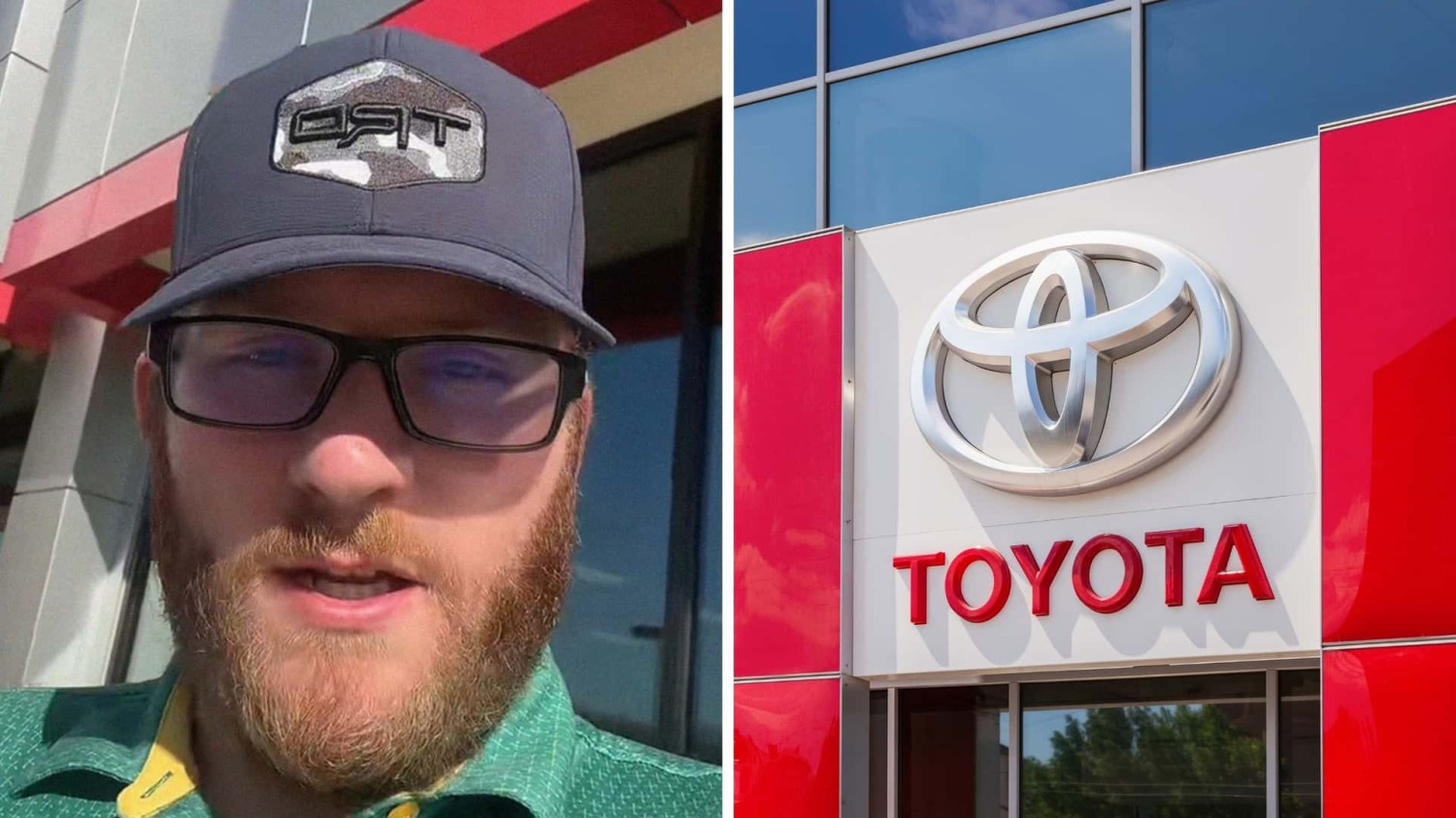
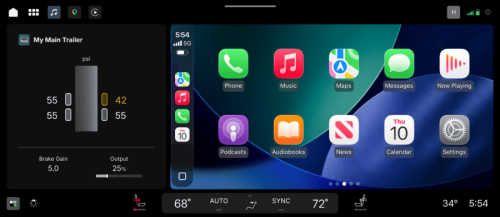
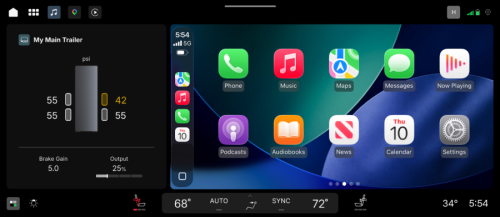
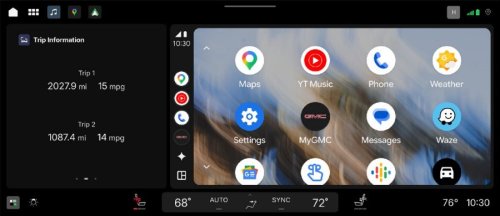
Driver says his tow rating changed after a software update on his truckWhen most people think “software update,” they picture a phone getting a new emoji or a laptop restarting at the worst possible time. But one truck owner says a recent over-the-air update did something a lot more real-world: it appeared to change his truck’s tow rating. Not the way it tows, necessarily—the number on the screen and the guidance tied to it. The driver, who shared his experience in an online owner community, said he noticed the change after installing an update pushed to his truck’s infotainment and vehicle systems. One day he had a certain towing capacity shown in the truck’s menus; after the update, that number looked different. “It’s a little unsettling,” he wrote, “because I didn’t change anything about the truck.” A “tow rating” sounds like a fixed number… until software gets involved Tow ratings used to feel carved in stone: a manufacturer tests a specific configuration and publishes a maximum trailer weight. You’d look at the sticker, check the owner’s manual, and that was that. But modern trucks are rolling computers, and the towing experience is now tied to sensors, driver-assist features, powertrain controls, and sometimes even trim-specific software toggles. That doesn’t automatically mean the truck’s legal or official rating has changed overnight. It can mean the displayed guidance, the “recommended limit,” or the available towing-related modes shifted based on how the truck now classifies itself after an update. Still, when the truck tells you a different number than it did yesterday, it’s hard not to raise an eyebrow. What the driver says happened In his post, the driver described installing the update as usual—parked, connected, and following the prompts. Afterward, while checking settings related to trailering, he says he spotted a lower towing figure than he remembered. He also claimed some trailering options appeared rearranged, as if the truck’s configuration had been re-evaluated. Other owners chimed in with a mix of reactions: some said their trucks showed no changes at all, while a few reported similar “wait, wasn’t that different?” moments. A couple of commenters suggested it might not be the tow rating itself, but a separate value like payload guidance, tongue weight suggestions, or a trailer profile that got reset. Basically, the internet did what it does—helpful, chaotic group troubleshooting. How could a software update affect towing numbers? There are a few plausible explanations that don’t require the truck magically getting weaker (or stronger) overnight. First, a software update can change how the truck calculates or displays towing-related estimates. If the system started accounting for more variables—like tire size, temperature, elevation, drivetrain limits, or stability-control parameters—the on-screen number could change even if the official rating hasn’t. Second, trailering features often depend on the truck recognizing its exact configuration. If the update prompted a re-detection of options (axle ratio, wheel/tire package, hitch type, brake controller presence, or even calibration status), the system might default to a more conservative profile until everything is confirmed. Think of it like your fitness app deciding you’re 6 inches shorter because it lost your profile—suddenly the math gets weird. Third, a reset can happen. Trailer profiles can be wiped, settings can revert, and what you’re seeing might be a “generic safe limit” that appears until a trailer is connected and configured again. That’s not fun, but it’s common in software-heavy vehicles where many systems share data. Official tow rating vs. what the screen says This is the part that trips people up: there’s the manufacturer’s official tow rating for your exact VIN configuration, and then there’s what the in-truck software presents as guidance. The official rating is typically tied to certification, testing, and documentation. The on-screen values can be informational, contextual, or even intentionally conservative depending on conditions. For example, some trucks will show different limits depending on whether you’ve selected a certain tow mode, whether the trailer brakes are detected, or whether a sway-control system is active. In a perfect world, the screen would always match the official rating in a clear way. In the real world, the display sometimes behaves more like a “smart suggestion engine,” which is helpful—until it’s confusing. What automakers have (and haven’t) said so far As of the driver’s posting, there wasn’t a clear public statement confirming a towing-capacity change tied to that specific update. That’s not unusual; manufacturers don’t always publish detailed patch notes for every subsystem, and towing logic can live deep in the stack. Owners often find out about behavior changes first, then service departments catch up later. If this kind of report spreads, it’s common to see an automaker respond in one of a few ways: a clarification that the official rating hasn’t changed, an explanation that the display is now calculated differently, or a follow-up update that fixes a bug. Sometimes it’s as simple as “we improved how the truck labels tow guidance,” which sounds boring until you’re the one staring at a number that suddenly dropped. If this happens to you, here’s what’s worth checking If your truck’s towing info looks different after an update, start with the basics: look at the door jamb stickers (payload and tire info) and cross-check your owner’s manual or the manufacturer’s tow guide for your configuration. Those references don’t change just because the infotainment got new code. If the truck’s screen disagrees, you’ve got a concrete mismatch to discuss with the dealer or manufacturer support. Next, check whether any trailering settings or profiles reset. Re-add your trailer profile, confirm the trailer brake controller settings, and make sure any “tow package” features are still enabled and recognized. If your truck supports it, verify that it detects the trailer connection properly and that all lights and brake signals are seen by the system. It’s also worth checking tires and wheels if you’ve changed anything from stock. Some trucks adjust recommendations based on tire type, load rating, and size, and an update might have become stricter about what it considers valid. And yes, it’s annoying that your truck might suddenly care more about your tires than your friends do, but here we are. Why this story hits a nerve for truck owners People tow boats, campers, work trailers—stuff that’s expensive and sometimes essential to their livelihood. So a software update messing with towing information feels less like “new features” and more like “wait, did my truck just change the rules?” Trust matters when you’re hauling thousands of pounds at highway speeds. At the same time, software can genuinely improve towing. Updates can refine transmission behavior, adjust cooling strategies, improve trailer sway control, or fix bugs in trailer brake communication. The tricky part is transparency: when the truck acts differently, owners want to know what changed and why, in plain language. The bigger picture: trucks are becoming apps on wheels This incident—whether it turns out to be a display bug, a recalculation, or something else—fits a broader trend. Vehicles are increasingly defined by software, and over-the-air updates are becoming routine. That’s convenient, but it also means important ownership details can feel more fluid than they used to. For now, the smartest approach is a calm one: treat the truck’s screen as a useful tool, but verify towing limits using the official documents tied to your configuration. And if your truck suddenly claims it can tow less than it did yesterday, you’re not crazy for double-checking. You’re just living in the era where your pickup might need the same question your phone gets: “What exactly did that update do?” More from Fast Lane Only Unboxing the WWII Jeep in a Crate 15 rare Chevys collectors are quietly buying 10 underrated V8s still worth hunting down Police notice this before you even roll window down The post Driver says his tow rating changed after a software update on his truck appeared first on FAST LANE ONLY.




















 +79 others











![Tesla, Battery, Not sold on Tesla Powerwall? There are great battery alternatives out there [update]](https://cdn.topcarnews.net/thumb/id/aHR0cHM6Ly9pMC53cC5jb20vZWxlY3Ry-ZWsuY28vd3AtY29udGVudC91cGxvYWRz-L3NpdGVzLzMvMjAyNi8wNy9ob21lLXNv-bGFyLWJhdHRlcnkucG5nP3c9MTUwMCZh-bXA7cXVhbGl0eT04MiZhbXA7c3RyaXA9-YWxsJmFtcDtzc2w9MQ/18e81f395a77dbb42269ab5e106fea41.png?t=20261010&post_id=68280)
![Tesla, Battery, Not sold on Tesla Powerwall? There are great battery alternatives out there [update]](https://cdn.topcarnews.net/thumb/id/aHR0cHM6Ly9lbGVjdHJlay5jby93cC1j-b250ZW50L3VwbG9hZHMvc2l0ZXMvMy8y-MDI2LzA4L3NvbGl4LXgxLWNvcHkuanBn/a9fe4985234387a08124ce5984c09772.jpg?t=20261010&post_id=68280)
![Tesla, Battery, Not sold on Tesla Powerwall? There are great battery alternatives out there [update]](https://cdn.topcarnews.net/thumb/id/aHR0cHM6Ly9lbGVjdHJlay5jby93cC1j-b250ZW50L3VwbG9hZHMvc2l0ZXMvMy8y-MDI2LzA4L2JsdWV0dGlfRVA4MDAtY29w-eS5qcGc/2d9344a919e78ef6ada1803d9a030ce2.jpg?t=20261010&post_id=68280)
![Tesla, Battery, Not sold on Tesla Powerwall? There are great battery alternatives out there [update]](https://cdn.topcarnews.net/thumb/id/aHR0cHM6Ly9lbGVjdHJlay5jby93cC1j-b250ZW50L3VwbG9hZHMvc2l0ZXMvMy8y-MDI2LzA4L0Vjb0Zsb3ctREVMVEEtUHJv-LVVsdHJhLmpwZw/eff5ecb316465dcf28dd74e9eb1b324c.jpg?t=20261010&post_id=68280)
![Tesla, Battery, Not sold on Tesla Powerwall? There are great battery alternatives out there [update]](https://cdn.topcarnews.net/thumb/id/aHR0cHM6Ly9lbGVjdHJlay5jby93cC1j-b250ZW50L3VwbG9hZHMvc2l0ZXMvMy8y-MDI1LzEwL2dhcmFnZV9iYXR0ZXJ5XzVf-c3lzdGVtX2NvbnRyb2xsZXJfM19VUy0x-LmpwZw/116b4706c7e7c77633518a677e92bdc3.jpg?t=20261010&post_id=68280)
![Tesla, Battery, Not sold on Tesla Powerwall? There are great battery alternatives out there [update]](https://cdn.topcarnews.net/thumb/id/aHR0cHM6Ly9lbGVjdHJlay5jby93cC1j-b250ZW50L3VwbG9hZHMvc2l0ZXMvMy8y-MDI2LzAyL2dtLWVuZXJneS0xLTUud2Vi-cA/f6c358bbb69cf5917e5d0d7d5cb1c03d.webp?t=20261010&post_id=68280)