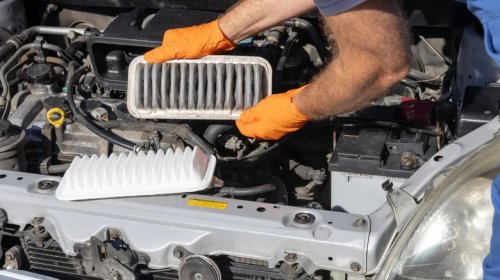
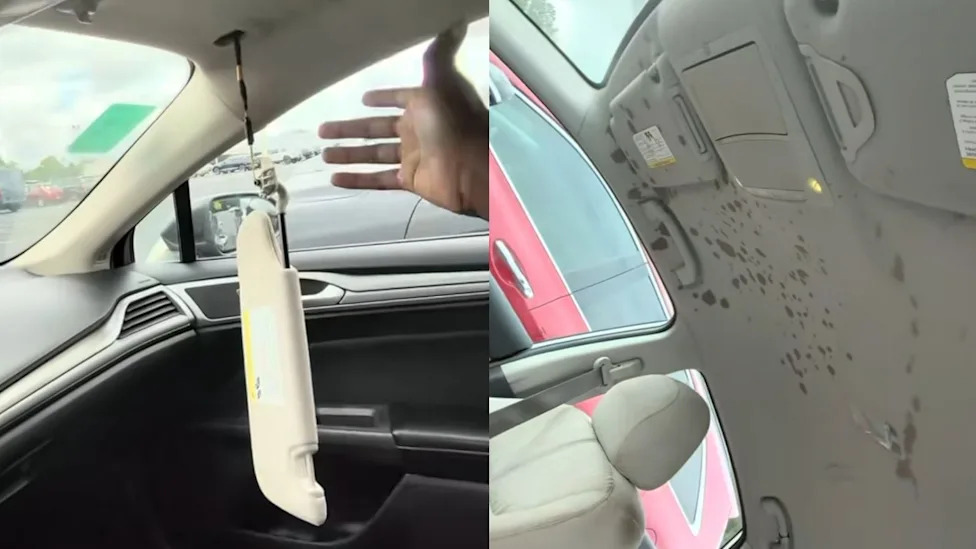
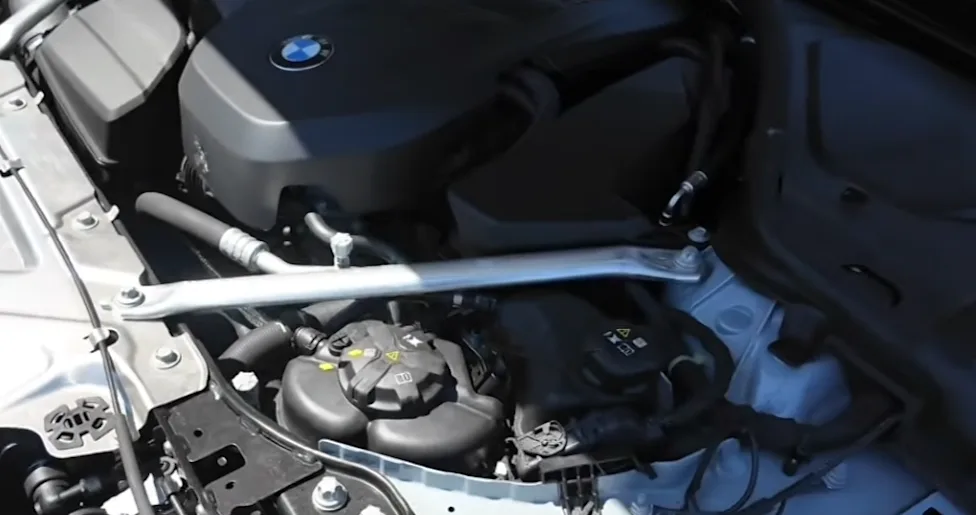
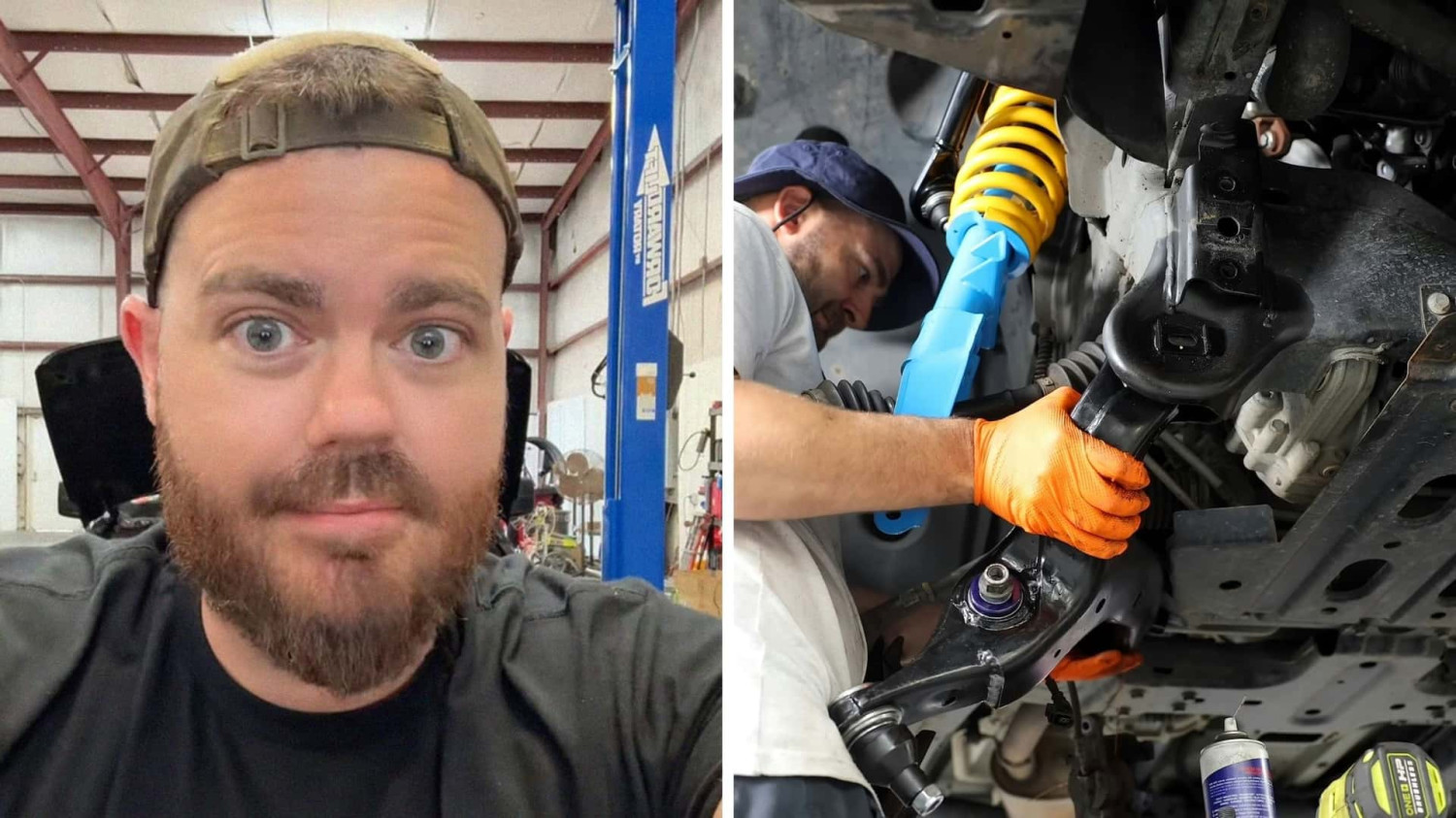
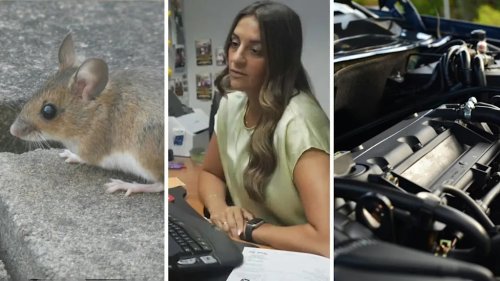
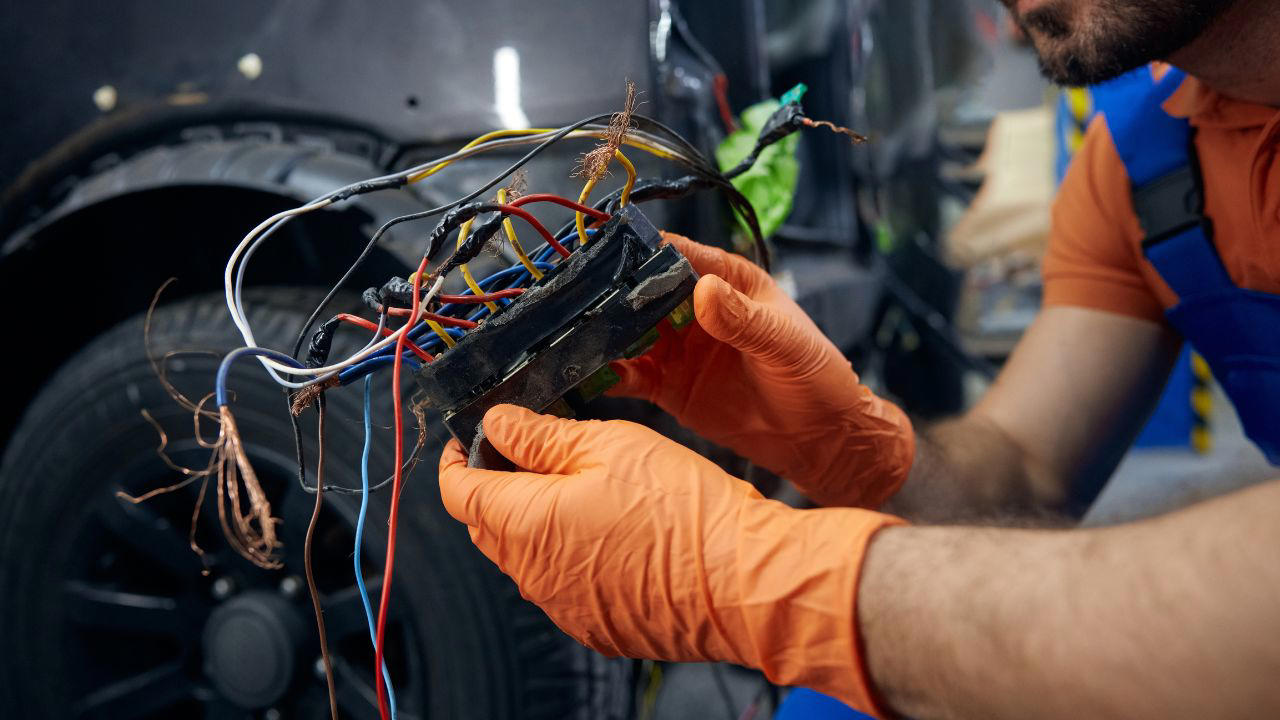
Driver says his mechanic blamed rodents for wire damage and handed him a $3,900 estimateA driver says he brought his car in for what he assumed would be a routine diagnostic visit, only to walk out with a surprise culprit: rodents. According to the driver, his mechanic pointed to chewed wiring under the hood and explained that the damage looked like it came from mice or rats. Then came the part that really stung—an estimate totaling about $3,900 to repair the wiring and get everything back to normal. In online posts and conversations that followed, the driver’s story struck a nerve because it hits on a very specific modern-car anxiety: the fear that something tiny and uninvited can quietly turn your engine bay into a buffet. And unlike a flat tire, this kind of damage can be hard to spot until warning lights start popping up or the car refuses to cooperate. How the situation allegedly unfolded The driver says he first noticed something was off when the car started acting up—think warning lights, odd electrical behavior, or intermittent issues that don’t neatly point to one part. After scheduling a visit, he expected a sensor replacement or maybe a battery-related fix. Instead, he claims the mechanic showed him wiring with clear signs of chewing and suggested rodents had been nesting or exploring. Then the estimate landed: nearly four grand. The driver says the shop described the job as extensive because multiple wires and connectors were affected, and modern vehicles often bundle wiring into harnesses that can’t be repaired one little strand at a time without a lot of labor. In many cars, accessing the damaged sections can also mean removing covers, intake components, or other parts just to get a good look. Why rodent damage can get expensive fast If you’re wondering how “a few chewed wires” turns into a number that looks like a vacation budget, you’re not alone. Wiring in newer vehicles is dense, tightly routed, and tied into everything—engine controls, safety systems, headlights, power steering, infotainment, sensors, you name it. When rodents chew insulation and expose copper, the result can be shorts, corrosion, or phantom electrical problems that are annoying to diagnose. Labor is a big factor. Even if the actual parts aren’t wildly expensive, tracing which circuits are compromised can take time, and shops have to stand behind the repair. If the damage is spread across multiple harness branches, some manufacturers and repair facilities prefer replacing sections rather than patching, because a patch that fails later can bring the car right back. Is “rodents did it” a real thing, or an easy excuse? Rodent damage is absolutely real, and it’s more common than many drivers think—especially in colder months or in areas where cars sit overnight near vegetation, trash bins, or garages with easy access. Mice, rats, and squirrels look for warm, sheltered spots, and an engine bay can feel like a penthouse suite after a drive. The chewing can be partly nesting behavior and partly curiosity, with some wiring coatings allegedly being more appealing than older materials. That said, it’s also fair to want proof before paying thousands. The driver’s skepticism is relatable: if you didn’t see a mouse personally sign a confession, you’d probably like more than a shrug and a scary number. Good shops typically document the damage with photos, show the specific areas affected, and explain why a repair has to be done a certain way. What a $3,900 estimate might include Repair estimates like this can bundle a few different categories: diagnostics, parts (like harness sections, connectors, terminals, clips, and protective sheathing), and labor to remove and reinstall components to reach the damaged wiring. Some jobs also include reprogramming or calibration steps if modules are disconnected or replaced. Depending on the car, even a “simple” harness replacement can snowball into hours of work. There’s also the possibility of hidden damage. A tech might find chewed insulation in one spot, but once the harness is opened up, there can be additional nicks or weak points. That’s one reason some shops lean toward replacing a larger section—less guessing later, even if it hurts upfront. Smart questions to ask before approving the work If you’re ever in this situation, a few targeted questions can make things clearer fast. Ask the shop to show you the damage in person or provide photos, and ask which circuits are affected (for example: injector wiring, O2 sensor wiring, coil packs, ABS wheel speed wiring, or battery cables). Also ask whether the estimate assumes harness replacement, a repair splice, or a mix of both. It also helps to ask about warranty on the repair and whether the shop expects the fix to resolve all symptoms. Electrical issues can be tricky, and you want to know if the estimate is a confident repair plan or a “start here and see” approach. If the number feels high, ask if there are less extensive options and what the risks are of each. Second opinions and insurance: two underrated moves A second opinion can be genuinely useful here, not because the first shop is automatically wrong, but because pricing and repair philosophy vary. Another shop might propose repairing the damaged sections with solder-and-shrink or OEM-style crimp splices rather than replacing a full harness segment. Or they might confirm that replacement is the safest option given the location and severity. It’s also worth calling your insurance company. Comprehensive coverage sometimes applies to rodent damage, and policies vary a lot, including deductibles and what documentation is required. If coverage kicks in, it can turn an awful estimate into a frustrating but manageable claim. How drivers try to prevent it from happening again Prevention is never perfect, but people do try a few practical things. Keeping the car area clean, avoiding food trash in or near the garage, and sealing obvious entry points can help. Some drivers use rodent deterrents designed for engine bays, while others rely on old-school solutions like traps in the garage (placed safely and legally, of course). Shops can also add protective loom or tape to repaired areas, though it’s more of a speed bump than a force field. And if the car sits for long periods, popping the hood occasionally and checking for nesting material or droppings can provide an early warning. Nobody wants to play “guess that smell,” but catching it early beats finding out through a four-figure invoice. The bigger takeaway from the driver’s story Whether the final bill ends up being $3,900 or something lower after another quote, the story highlights a weird truth about modern driving: the smallest problems can become expensive when they involve electronics. It’s not just the wires—it’s the complexity, the labor, and the need for repairs that won’t create new issues next month. And if rodents are the cause, you’re left with the deeply unfair feeling of being invoiced for nature’s chaos. Still, drivers do have options: ask for evidence, understand the scope, seek a second opinion, and check insurance. And if nothing else, this is a reminder that your car’s engine bay isn’t just home to horsepower. Sometimes it’s also, apparently, a snack bar. More from Fast Lane Only Unboxing the WWII Jeep in a Crate 15 rare Chevys collectors are quietly buying 10 underrated V8s still worth hunting down Police notice this before you even roll window down The post Driver says his mechanic blamed rodents for wire damage and handed him a $3,900 estimate appeared first on FAST LANE ONLY.


















 +53 others