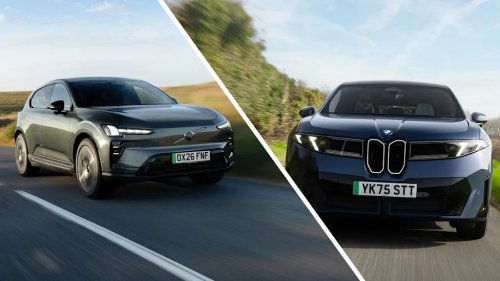
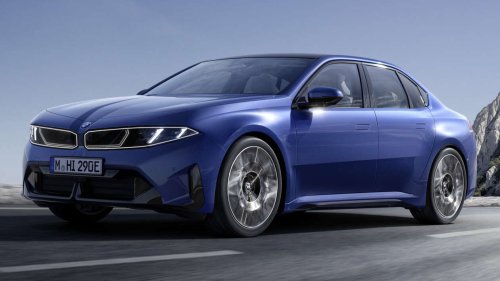
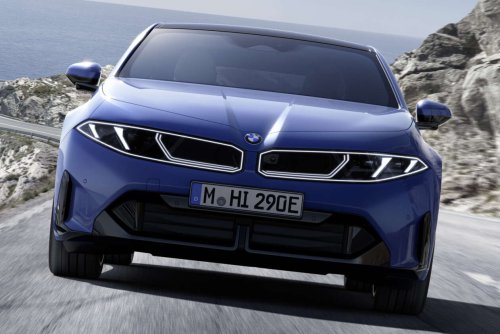
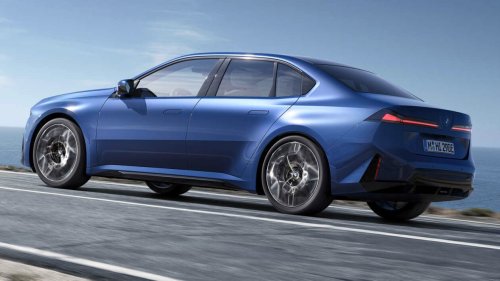
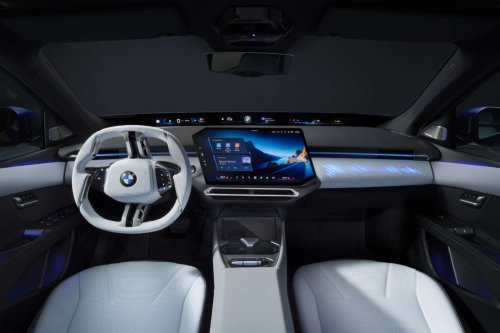
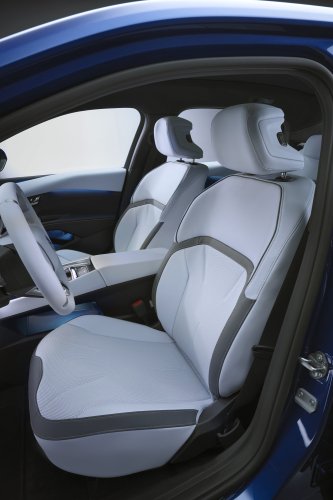
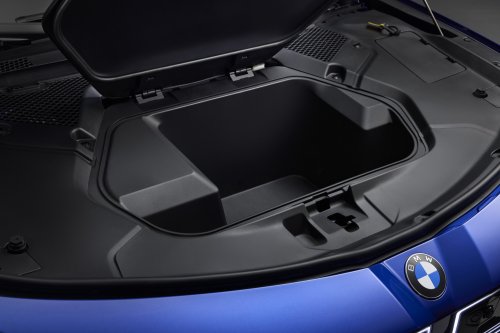
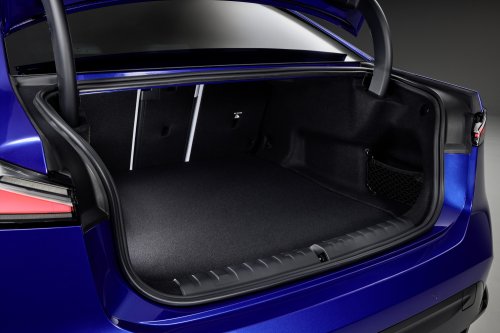
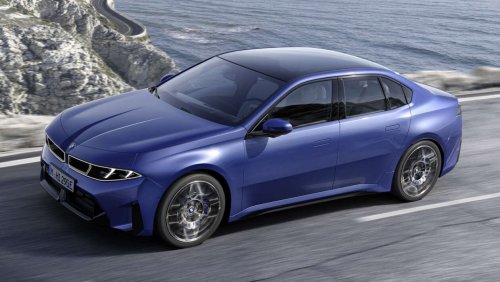
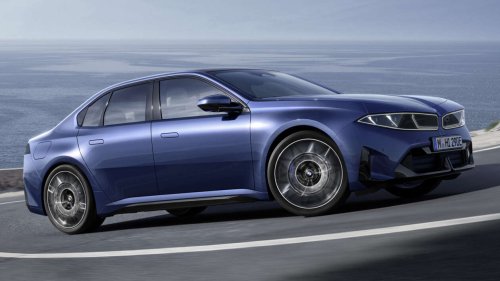
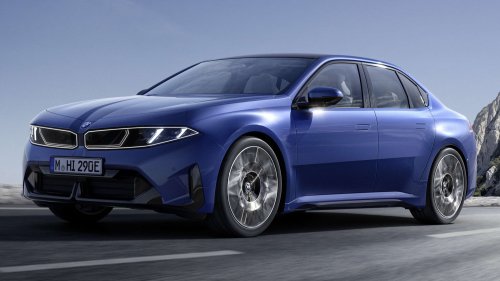
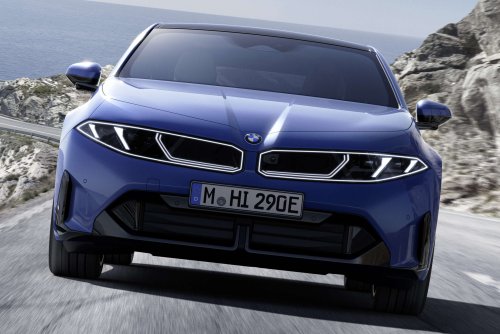
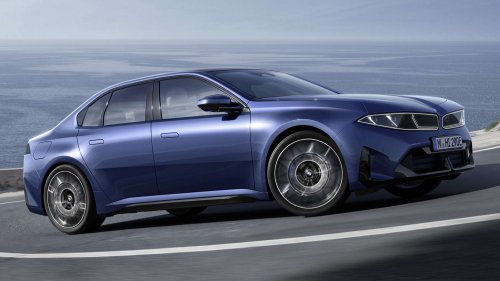
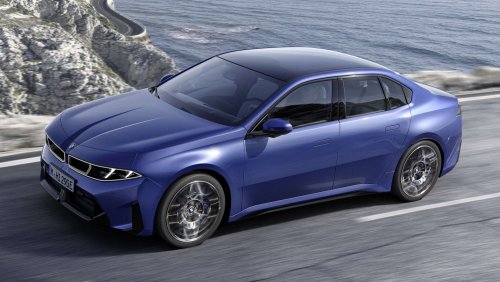
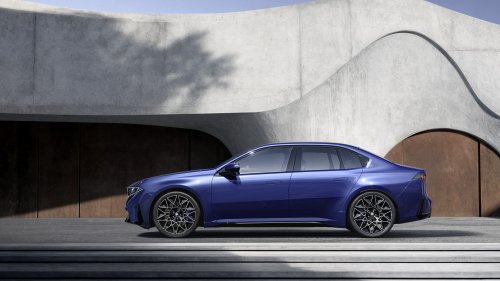
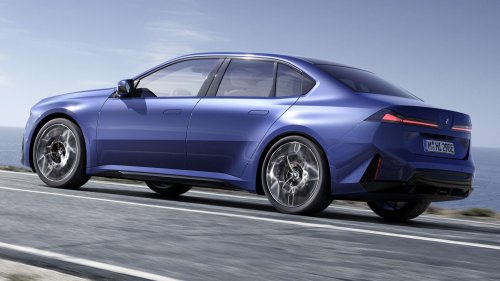
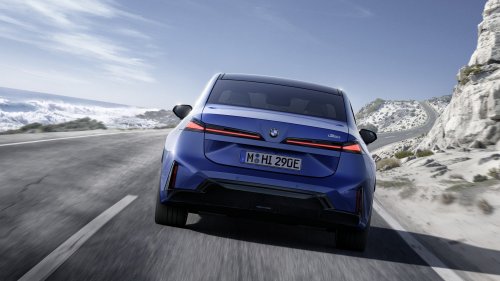
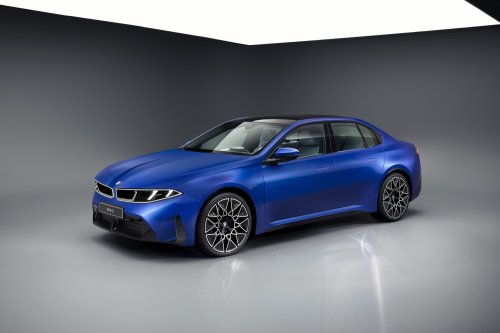
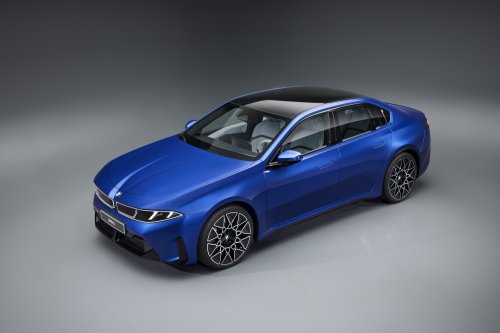
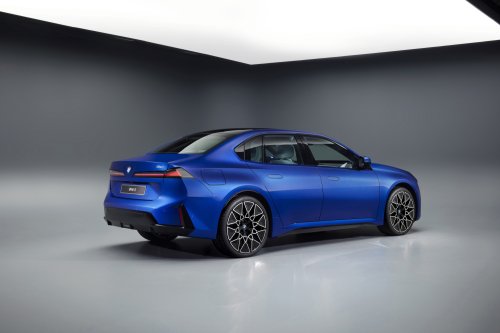
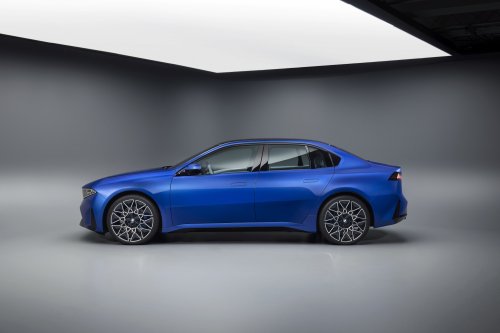
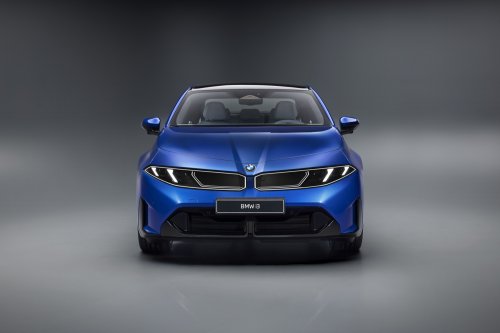
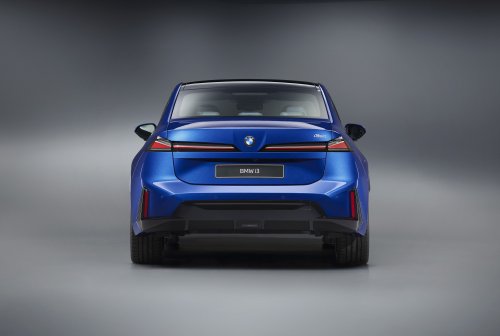
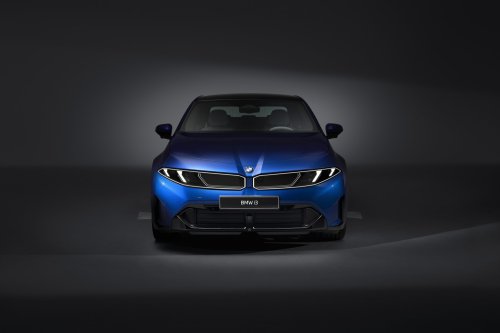
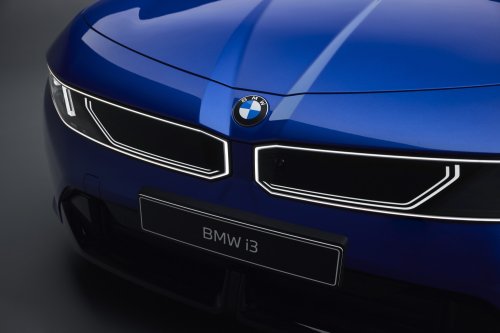
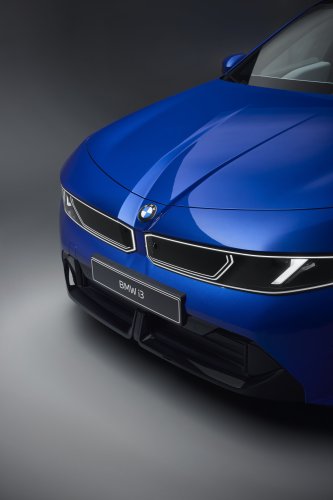
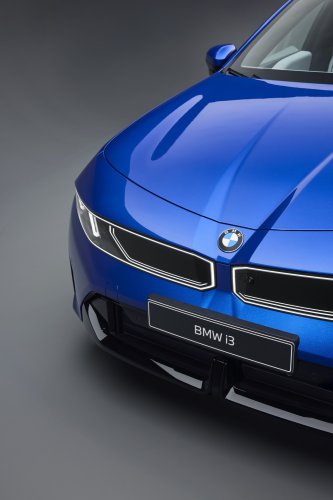
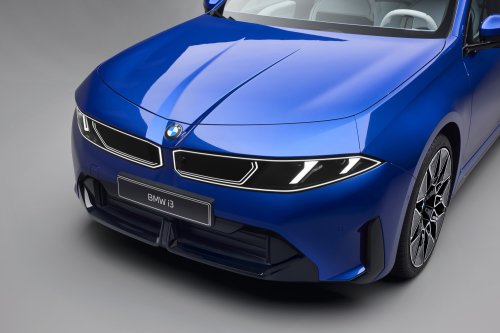
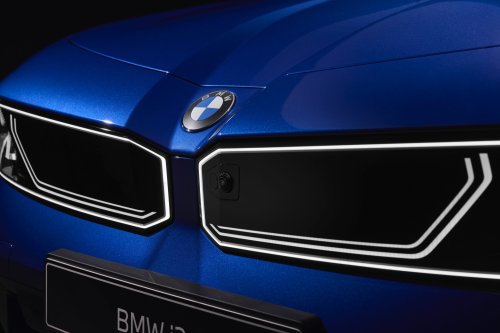
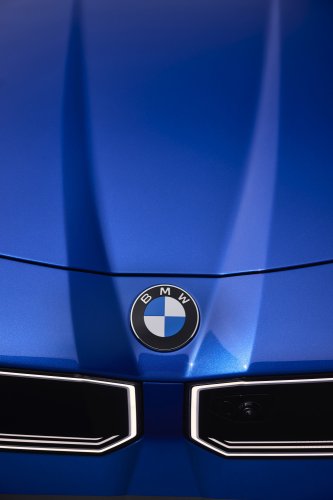
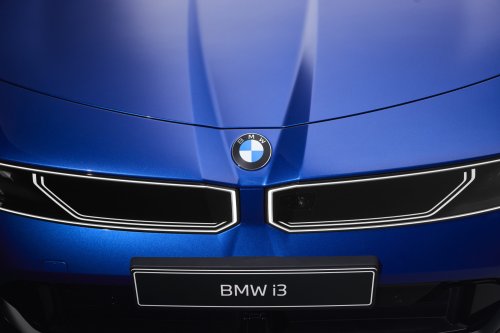
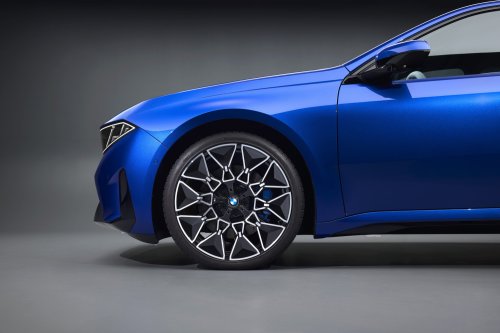
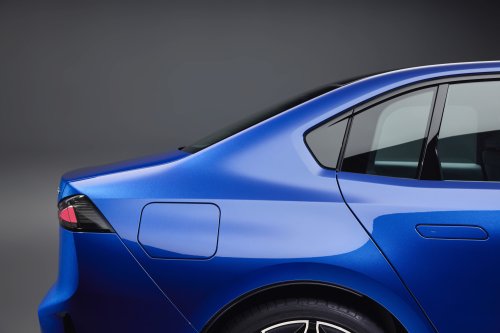
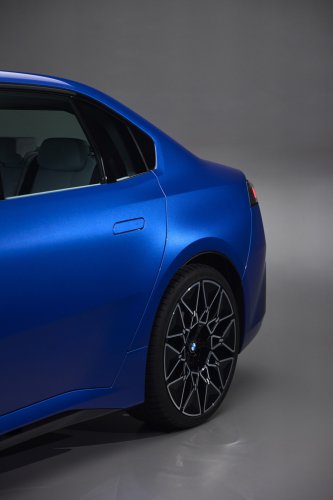
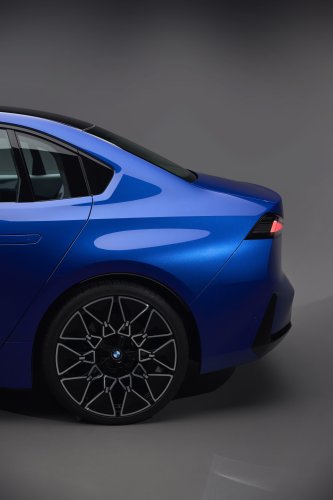
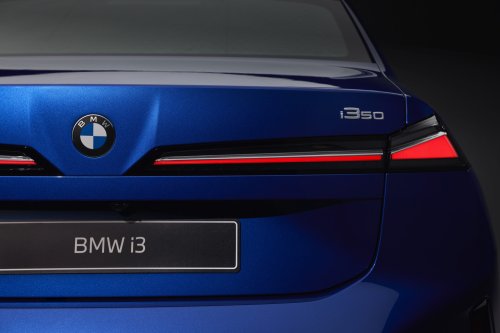
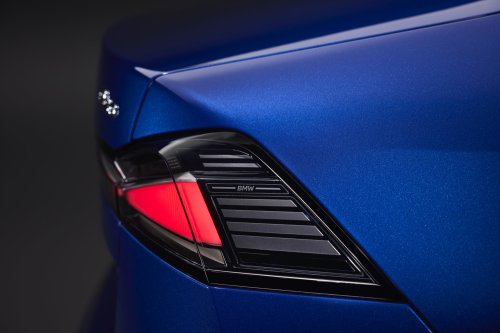
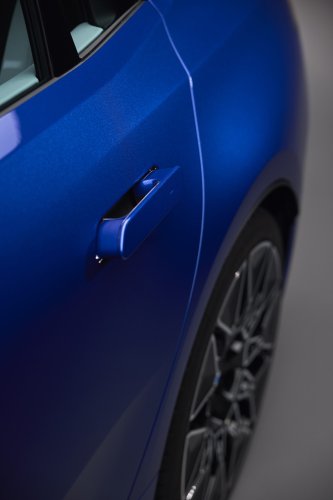
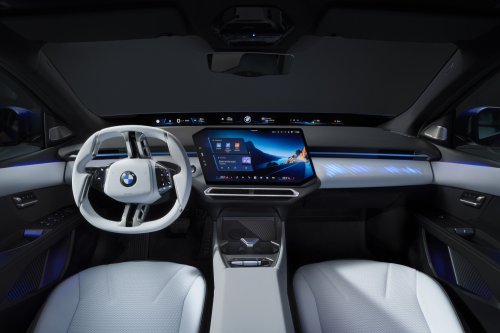
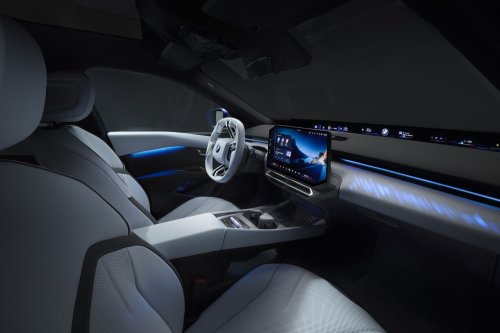
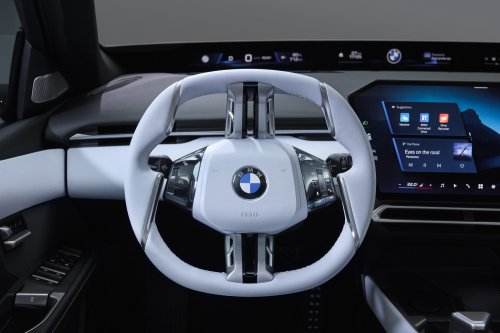
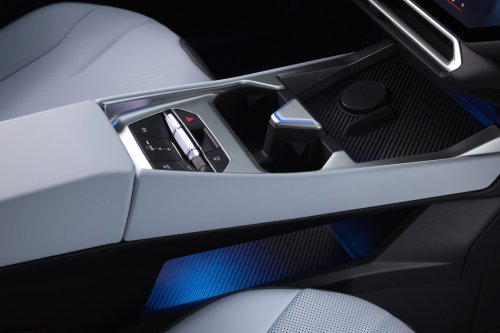
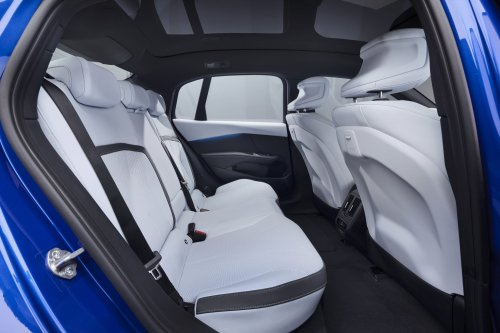
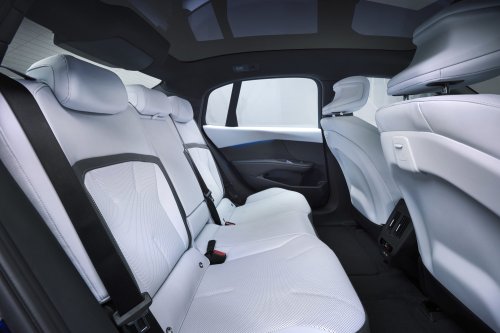
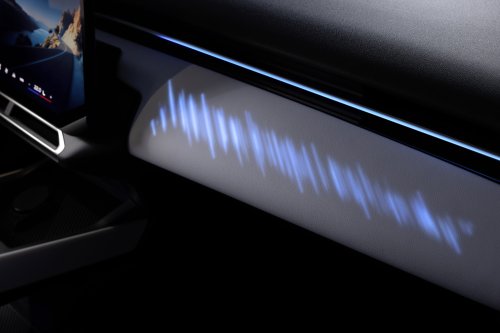
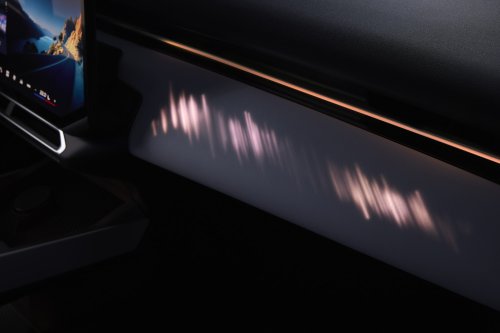
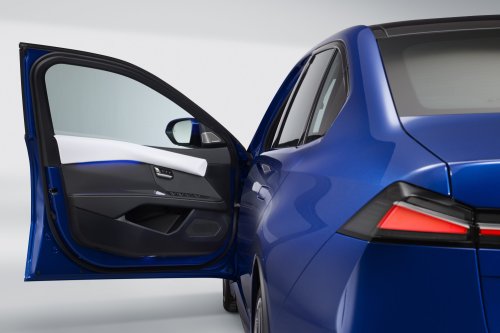
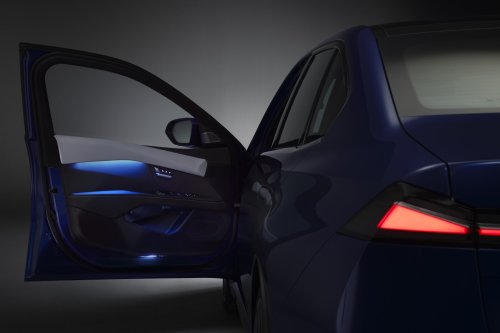
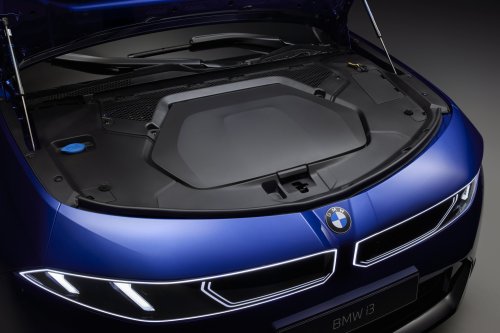
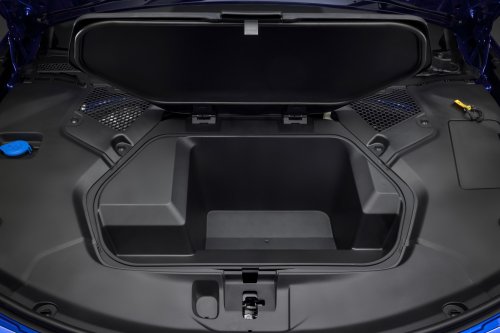
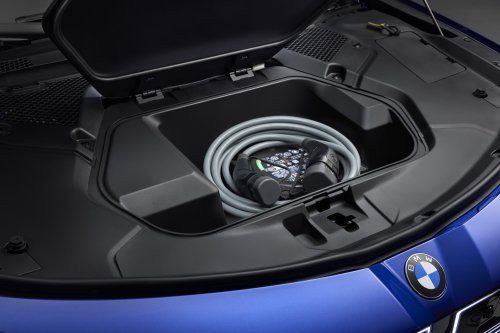
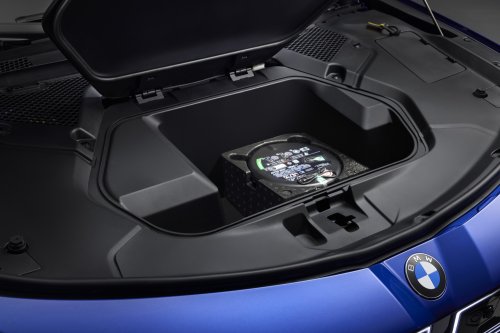
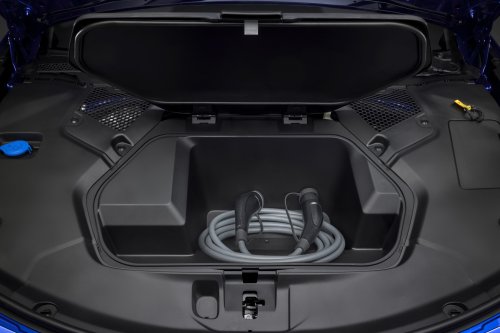
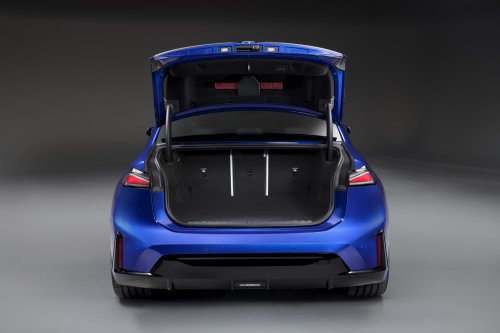
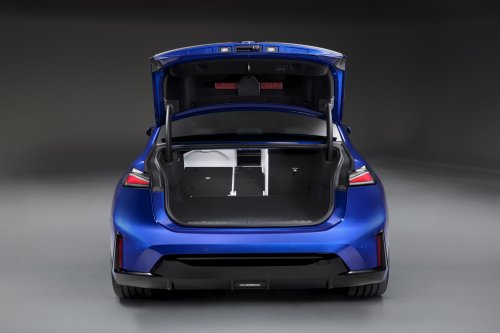
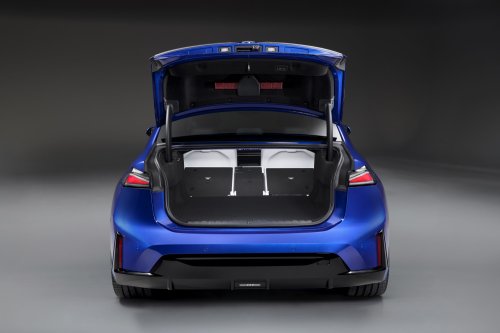
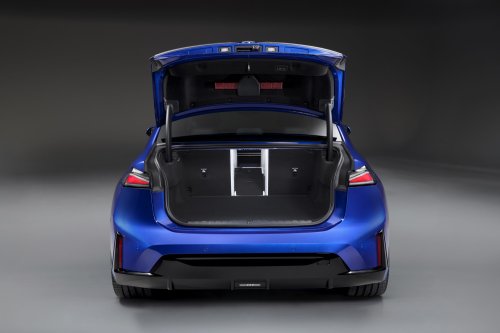
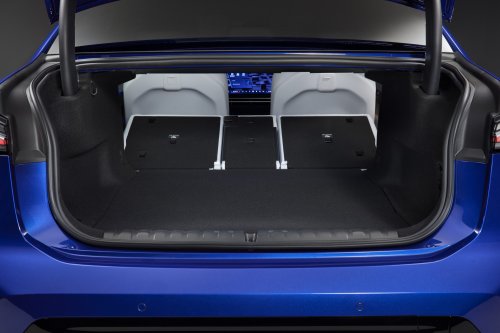
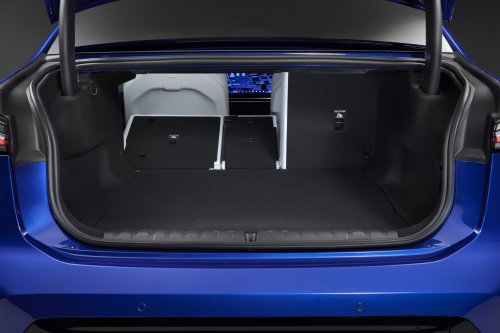
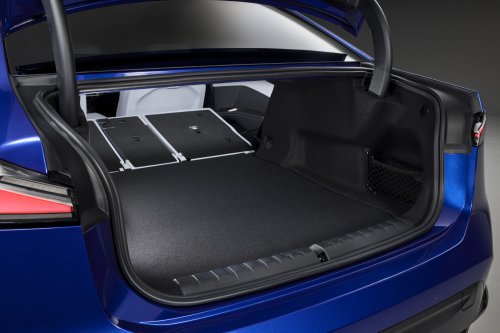
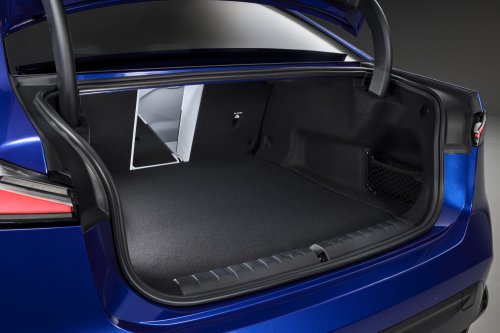
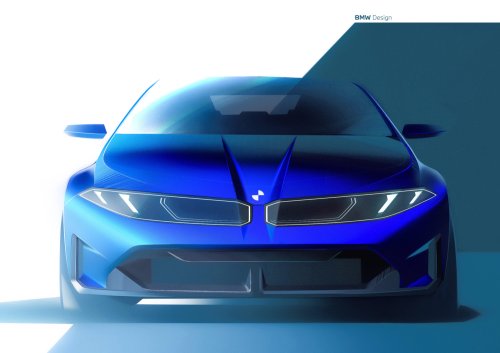
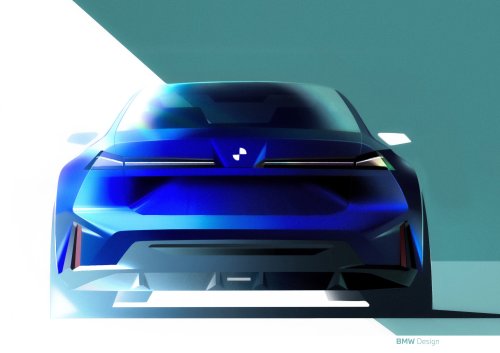
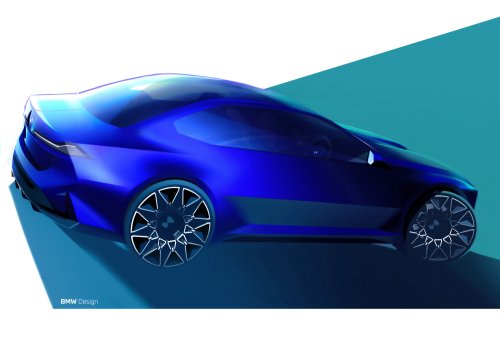
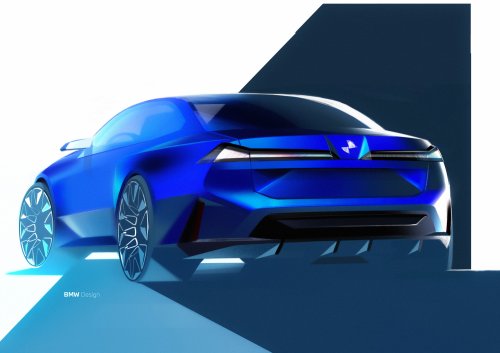
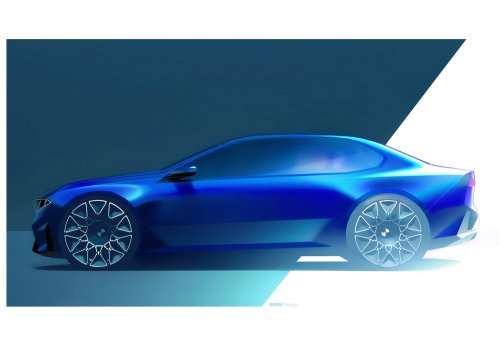
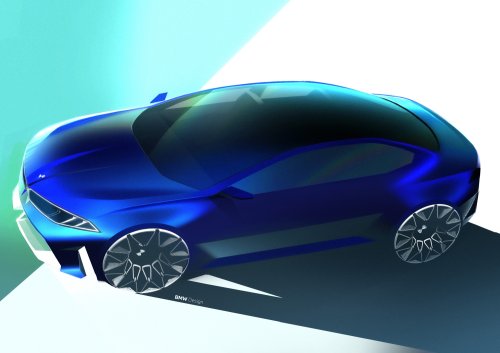
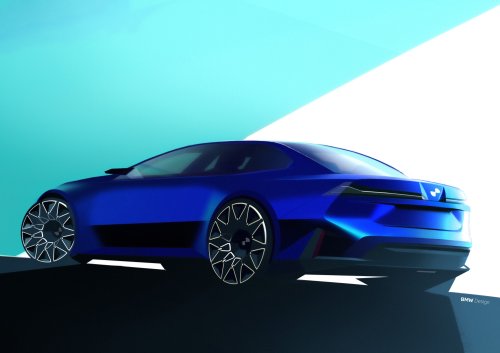
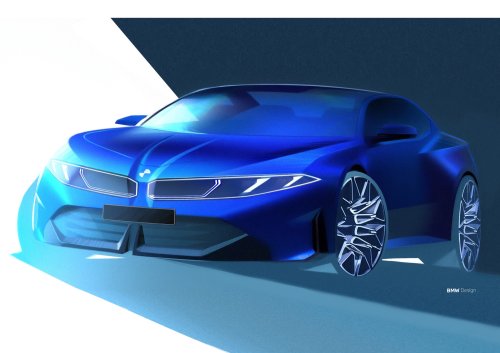
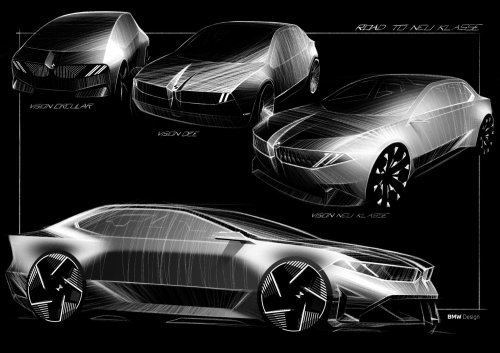
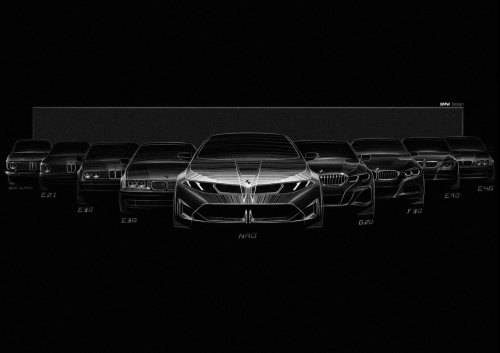
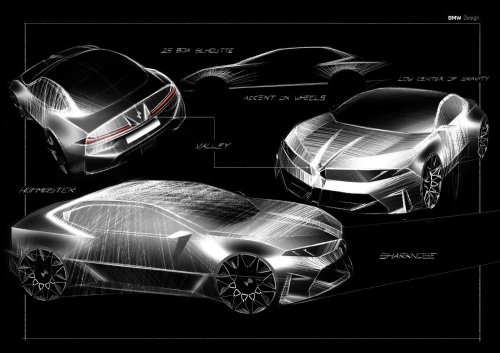
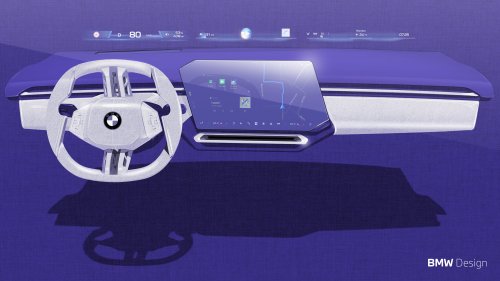
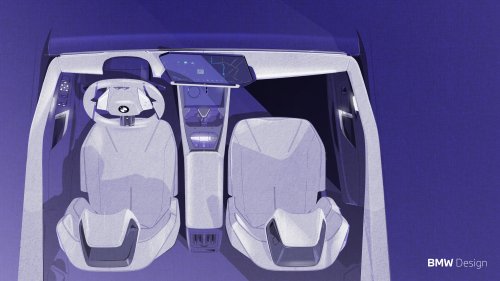
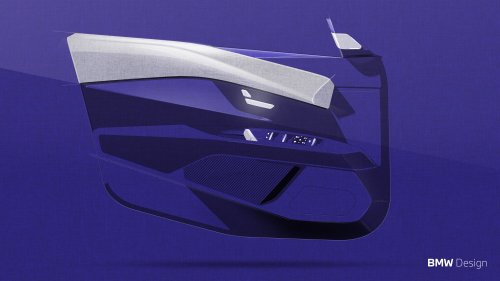
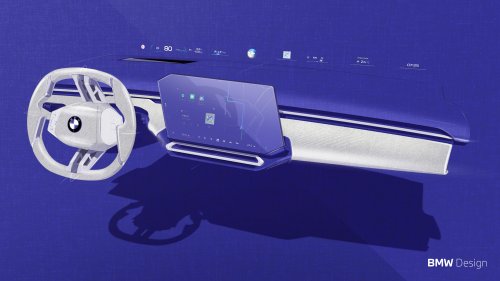
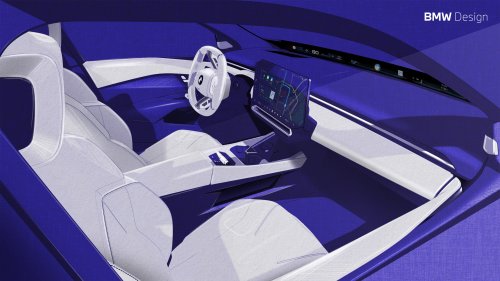
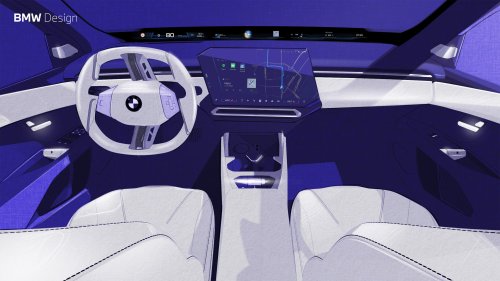
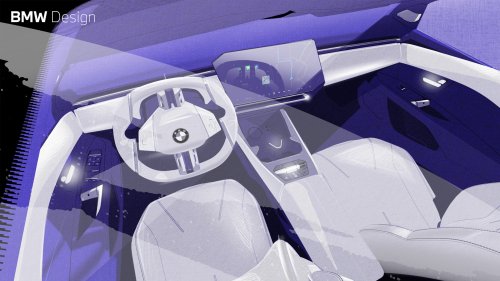
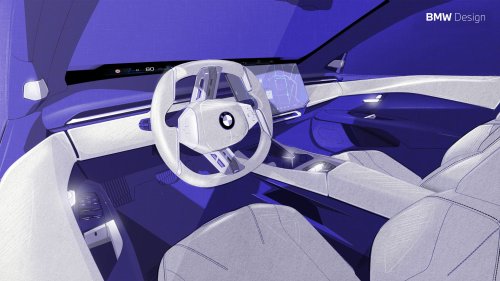
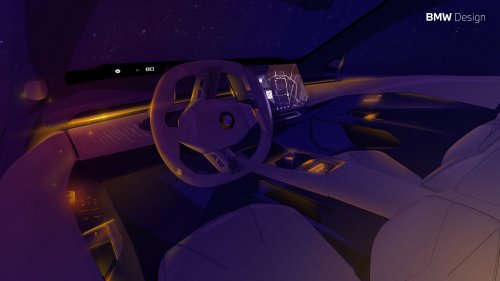
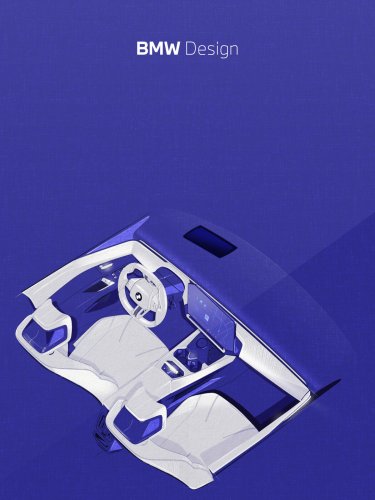
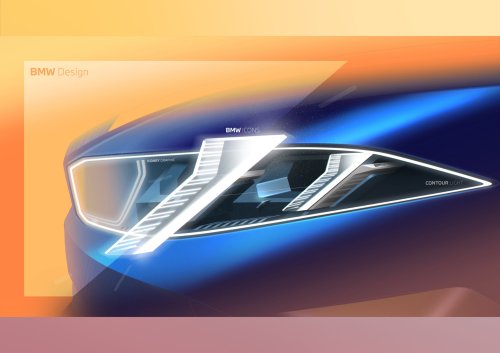
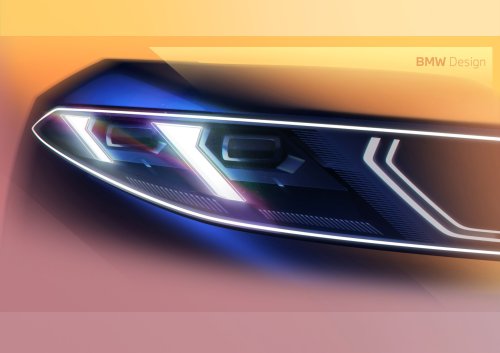
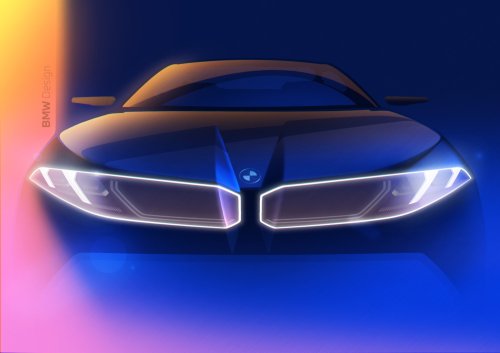
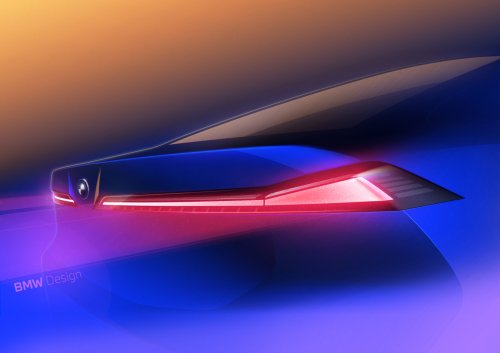
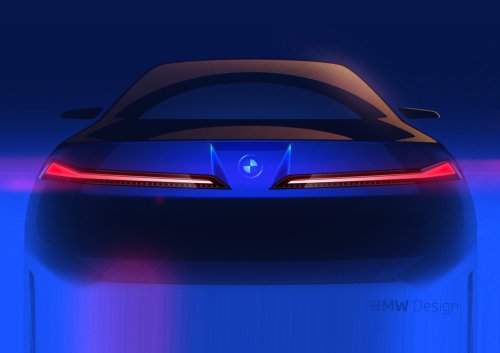
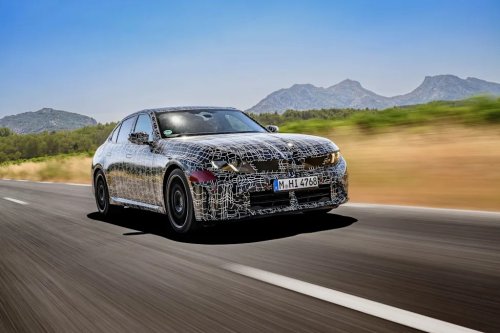
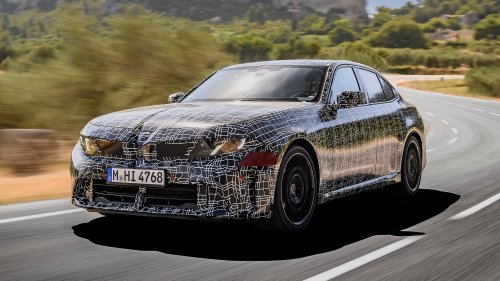
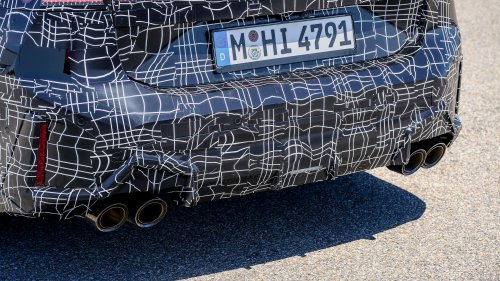
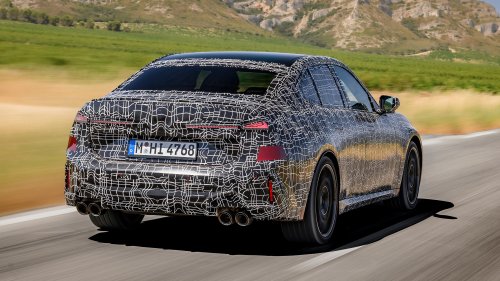
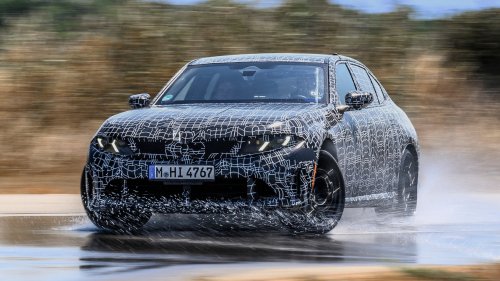
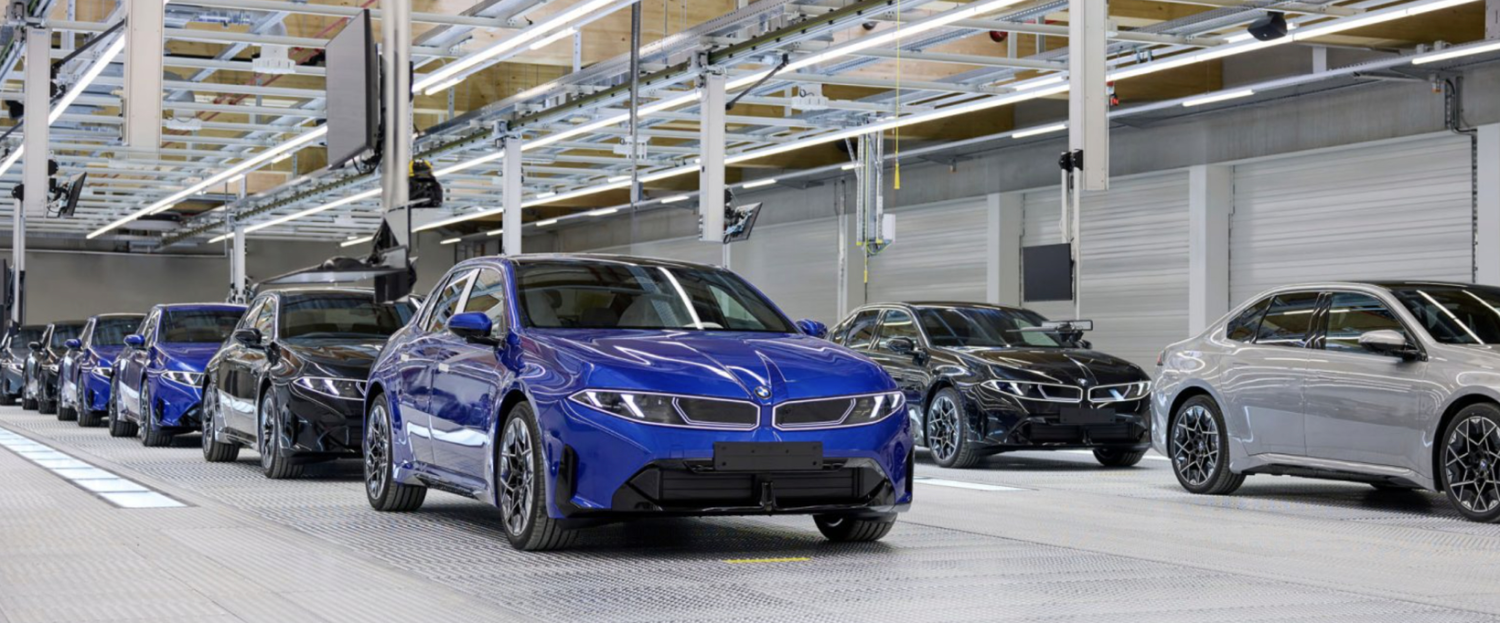
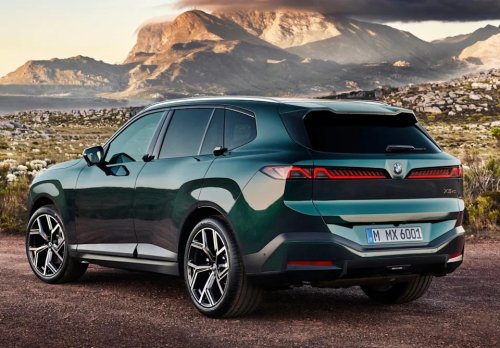
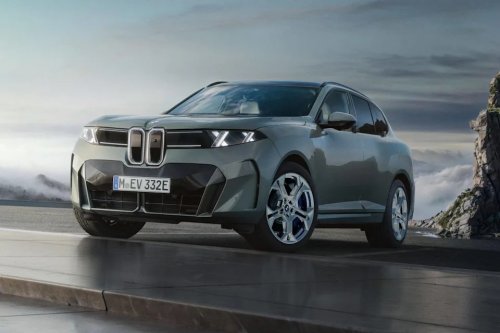
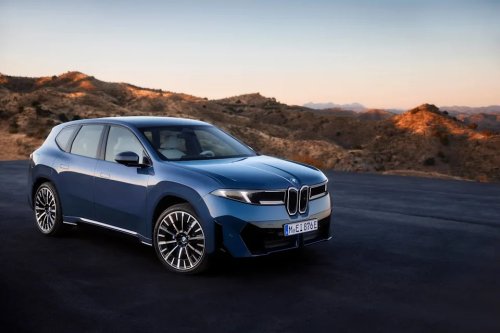
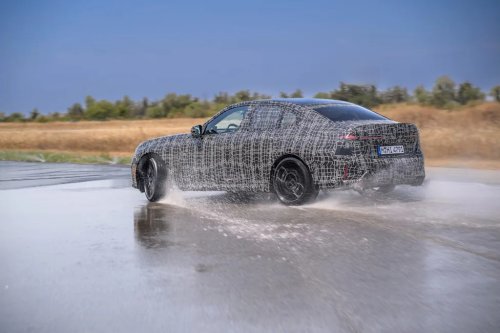
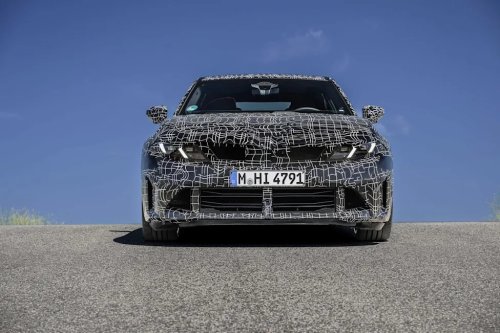
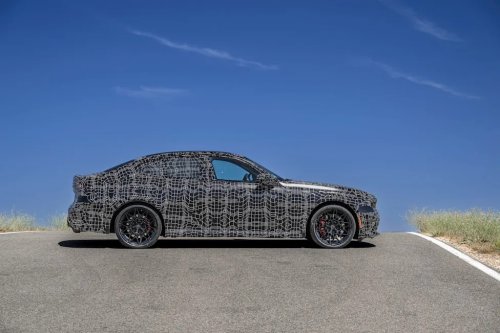
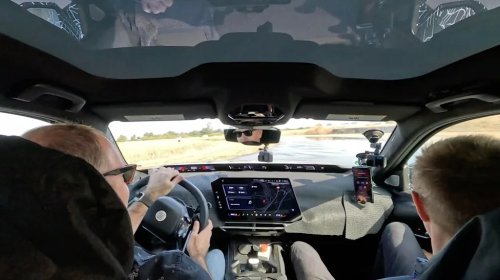
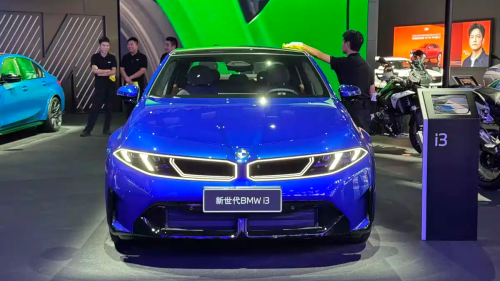
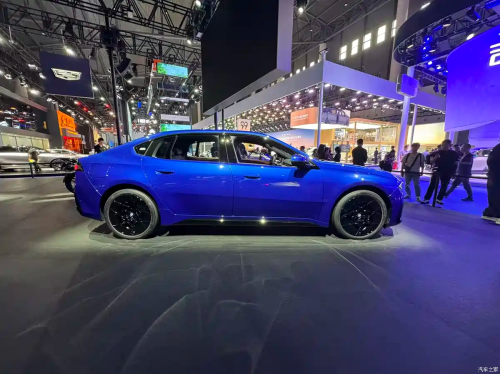
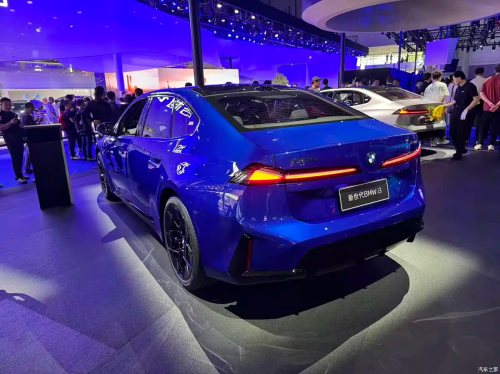
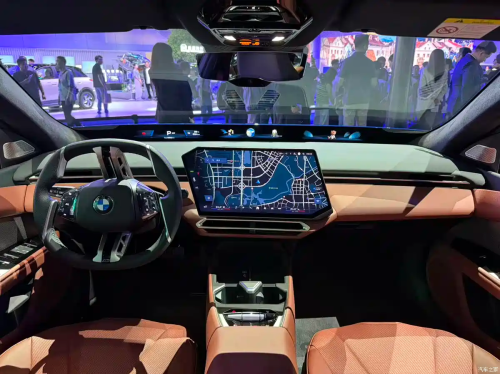
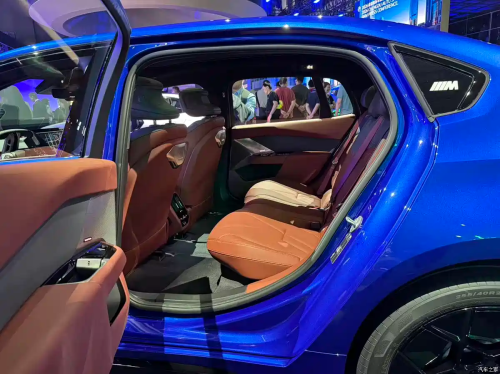
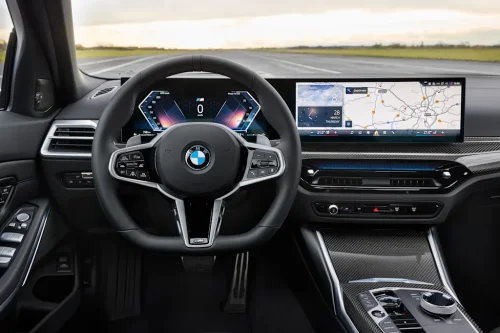
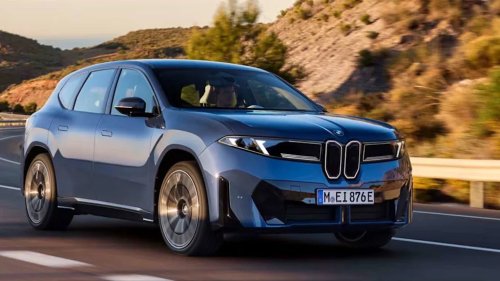
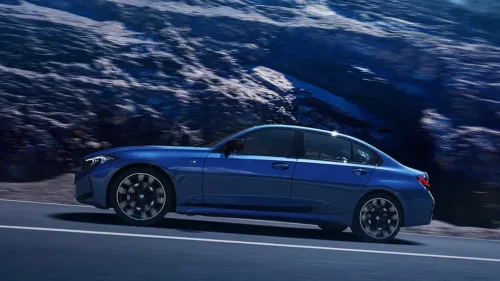
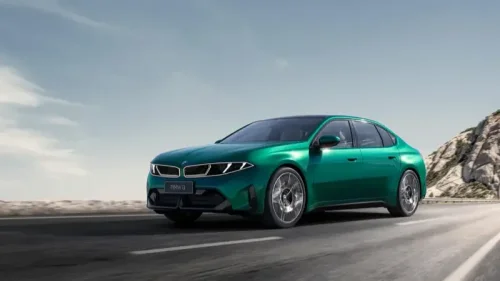
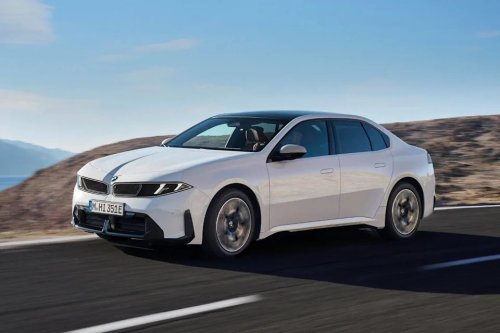
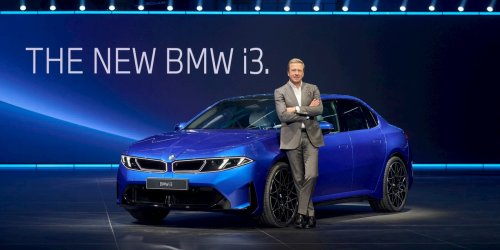
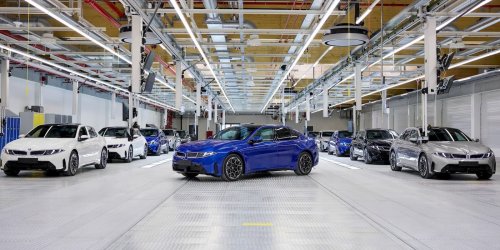
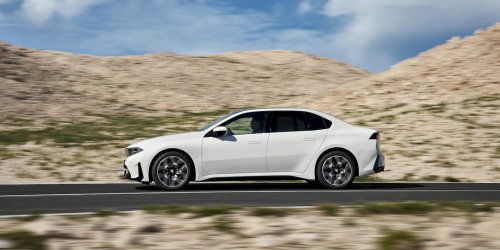
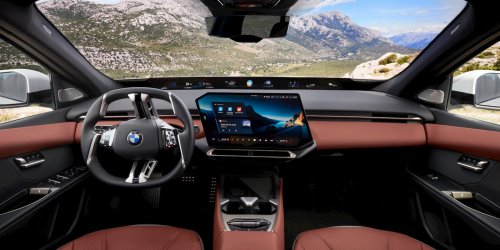
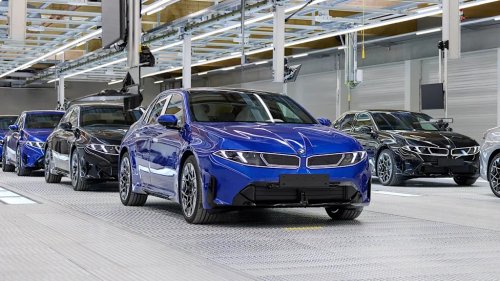
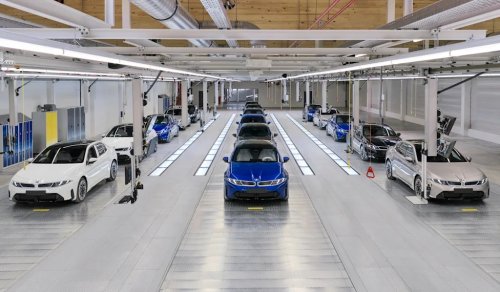
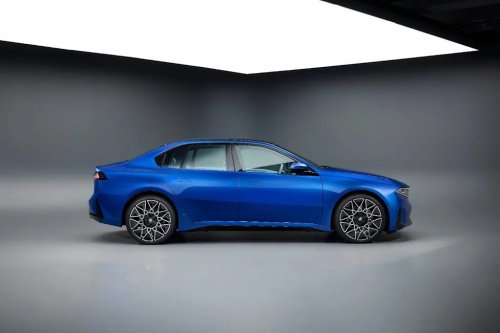
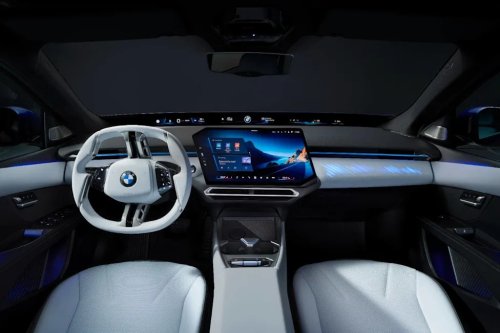
Last year marked the start of BMW’s crucial new Neue Klasse era with the iX3, but the car we’ve all been waiting for is this one – the NA0 BMW i3. The 3 Series has always been the quintessential Bavarian sports sedan, and the company has boldly reinvented its most important model for the electric age. Like the iX3, the i3 – not to be confused with the earlier city car – is built on an all-new, EV-specific platform, with an 800-volt electrical architecture enabling faster charging and increased performance. It also goes in a completely different design direction inside and out, while Munich’s latest technologies deliver a refreshingly different display concept. In spite of all this, the i3 has been deliberately styled to be a conventional boxy sedan – and not the streamlined amorphous blobs coming out of China at the moment – with an upright glasshouse taking a page out of classic BMW models from the ’70s, ’80s and ’90s. The modernity instead comes from the detailing, previewed by the i Vision Dee and Vision Neue Klasse concepts. As per the iX3, the i3 sports a shark nose front end, with twin broad gloss black panels that taper towards the outer edges, integrating the quad LED headlights and diagonal daytime running light “slashes”. Instead of the SUV’s small vertical nostrils (which hark back to the original Neue Klasse sedans), there are light guides built into the centre panels that approximate the trademark double kidney grille. After years of overwrought BMW designs, the i3’s surfacing is remarkably clean, with the flat bonnet only interrupted by a central “valley” housing the propeller roundel. Along the side, the gently blown fenders provide a heaping of added muscle (we’re chomping at the bit to see what the full-fat M version would look like), while the low crease along the flanks lowers the car visually. Of course, no 3 Series is complete without a Hofmeister kink, and the one on the i3 is the most traditional interpretation we’ve seen in a while. Here, however, it’s rendered in black plastic instead of being built into the doors, presumably to prevent the trailing edge from jabbing people in the chest when opening. For the first time on a 3 Series, there are flush pop-out door handles with an electronic release. The rear end is another departure from recent BMW norm, with slim and wide L-shaped taillights and another “valley” housing the badge, sitting above the number plate recess. The i3 comes with wheels that measure up to a massive 21 inches in diameter (these are the Style 1067 M Aerodynamic wheels, in case you were wondering), as well a new M Le Castellet Blue paint option. With its short bonnet (there’s no longer a need to fit a longitudinal petrol engine underneath, although there is now a front boot), the i3 looks like a more compact sedan compared to the current G20 3 Series, even though it’s the exact opposite. At 4,760 mm long, 1,865 mm wide and 1,480 mm tall, it’s 47 mm longer, 38 mm wider and 40 mm taller than the old petrol model, while its 2,897 mm wheelbase is 46 mm longer. The extra length should provide much more space for rear occupants in particular, but really, the driver’s seat is the place to be. Barring the different door cards with a wraparound design, the front cabin is practically identical to the iX3, equipped with the novel Panoramic iDrive interface built upon the Android-based BMW Operating System X. This replaces the usual instrument cluster with the customisable full-width Panoramic Vision projection display that spans from A-pillar to A-pillar, along with a 17.9-inch Free Cut parallelogram infotainment touchscreen with matrix backlighting. The lack of conventional instrumentation means that the steering wheel (still with capacitive controls, unfortunately) now has spokes both at the 12 and 6 o’clock positions, although a more conventional M tiller is available. A 3D head-up display is also optional. Included in the latest operating system is the new “Hey BMW” Intelligent Personal Assistant, which adds generative AI functionality through the new Amazon Alexa+. And yes, like the iX3, even the air vents are adjusted through the touchscreen as per Tesla, which is a bit of an ergonomic faux pas if you ask me. The i3 also debuts a Qi2 wireless charger, derived from Apple’s MagSafe and including both a magnetic disc for positioning and faster charging speeds. Up above, there’s an optional panoramic glass roof that comes with a heat-insulating layer, but no powered sunshade – so not suited to our blazing hot climate. Elsewhere, the car is available in standard, multifunction and heavily-bolstered M Sport powered seats, as well as four coordinated interior trim and upholstery options – Essential with Econeer fabric, Contemporary and BMW M Design World with Veganza faux leather and BMW Individual with genuine Merino leather. Right, on to the most important bit, BMW’s new Gen6 powertrain. Just one variant will be made available at launch, the i3 50 xDrive – powered by the same rear electrically excited synchronous motor (EESM) and front asynchronous motor (ASM) as the iX3 50 xDrive, it makes 469 PS (345 kW) and 645 Nm of torque. More impressive is the range – thanks to its more streamlined shape, the i3 travels nearly 100 km further than the iX3 on a single charge, at an astounding 900 km on the WLTP cycle. The battery capacity has yet to be announced, but this is likely the same 108.7 kWh (nett, 116 kWh gross) NMC pack used in the iX3, implementing cylindrical cells that provide a 20% increase in volumetric energy density compared to the previous Gen5 prismatic cells. Also carried over from the iX3 is support for up to 400 kW of DC fast charging. Again, BMW has yet to provide finalised charging times, only saying that the i3 is able to gain 400 km of range with just ten minutes of charging. Unlike rival Mercedes-Benz, the company offers a DC-DC converter as standard to allow 400-volt charging at places such as Tesla’s Superchargers. As for AC charging, the i3 can be optioned with a 22 kW onboard charger; you also get bidirectional charging and a vehicle-to-load (V2L) function at up to 3.7 kW. Perhaps the most important aspect in any BMW is the way it drives, which is why the company has paid plenty of attention here. The steering, brakes and motors are controlled by the Neue Klasse platform’s Heart of Joy – one of the four centralised computers in the car, it’s said to operate ten times quicker than previous systems, enabling more precise and effortless handling. This is combined with the suspension setup that uses MacPherson struts at the front and a five-link axle at the rear, equipped with highly-preloaded front and rear anti-roll bar bushings and coming as standard with stroke selective passive dampers. In a first for a Neue Klasse model, adaptive M suspension dampers are available as an option for dual-motor all-wheel-drive models. The i3 also has a built-in “soft stop” function, which uses the electric motors to smoothly bring the car to a stop without any jerkiness or brake noise. The powerful regenerative braking system is capable of handling almost all braking duties, with the friction brakes only used during sporty driving or for emergency stops. As is typical for a modern BMW, the i3 can be had with all the driver assists you could want, including standard Driving Assistant Plus Level 2 semi-autonomous driving functionality with curve speed reduction. As has always been the case, the system allows the driver to add steering, throttle and even light braking inputs – BMW calls this Symbiotic Drive – without either fighting you (like many highly autonomous cars from China, for example) or switching off altogether (like with Tesla’s Autopilot). So, that’s the new BMW i3 in a nutshell, arriving before the heavily-revised, combustion-engined G50 3 Series is unveiled later this year with similar styling. Now that the Neue Klasse revolution has reached the 3 Series, what do you think of the radical direction Munich is taking, and are you excited to see this in Malaysia? Let us know in the comments. Compare prices between different insurer providers to save the most on your car insurance renewal compared to other competing services. Many payment method supported and you can pay with instalment using Atome, Grab PayLater or Shopee SPayLater. Use the promo code 'PAULTAN' when you checkout for 10% discount!



















 +56 others


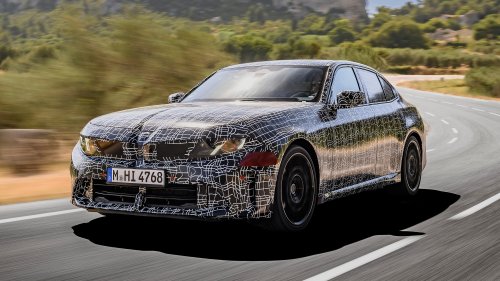






















![BMW i3 Touring captured on video for the first time [Video]](https://cdn.topcarnews.net/thumb/id/aHR0cHM6Ly9pMC53cC5jb20vZWxlY3Ry-ZWsuY28vd3AtY29udGVudC91cGxvYWRz-L3NpdGVzLzMvMjAyNi8wNy9CTVctaTMt-dG91cmluZy1zcG90dGVkLmpwZWc_dz0x-NTAwJmFtcDtxdWFsaXR5PTgyJmFtcDtz-dHJpcD1hbGwmYW1wO3NzbD0x/87d1e813cfb7391f42f35c0bb8e007c3.jpeg?t=20260922&post_id=57091)